



Antique Cotton Embroidery
When you search for antique cotton embroidery, you encounter wall hangings, shawls and textiles worked in Central Asian and South Asian traditions.
Antique Cotton Embroidery
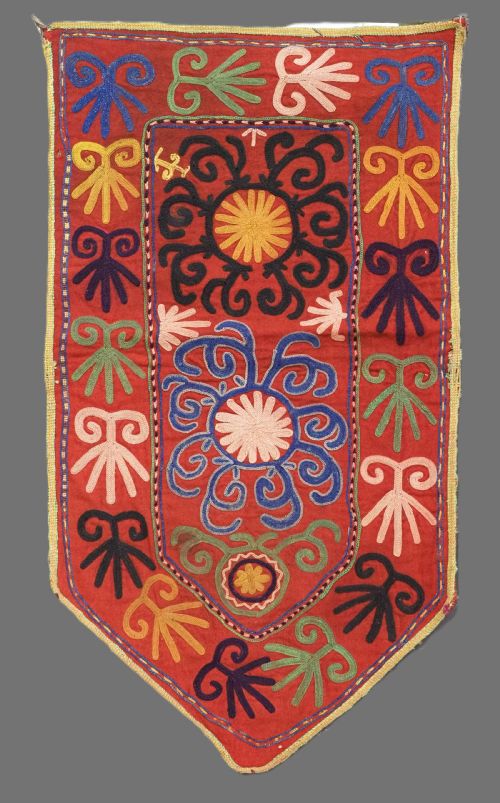
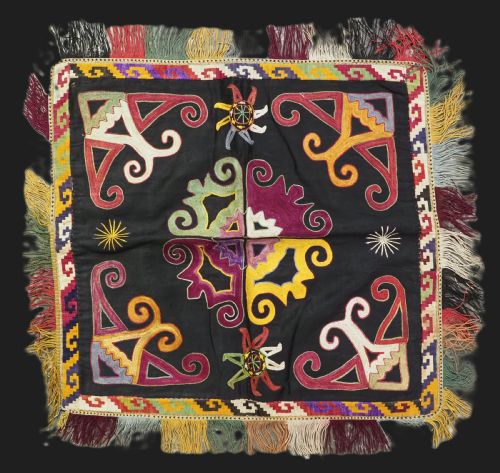
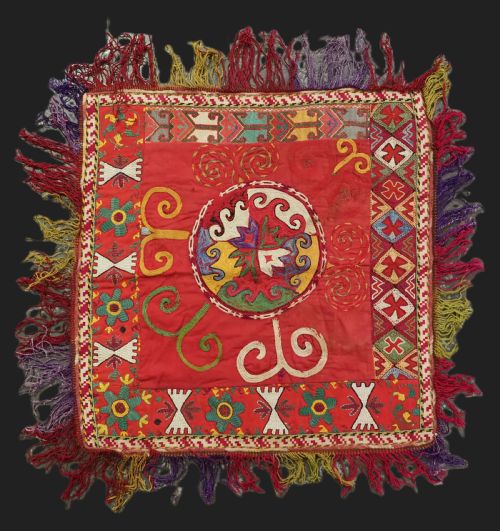
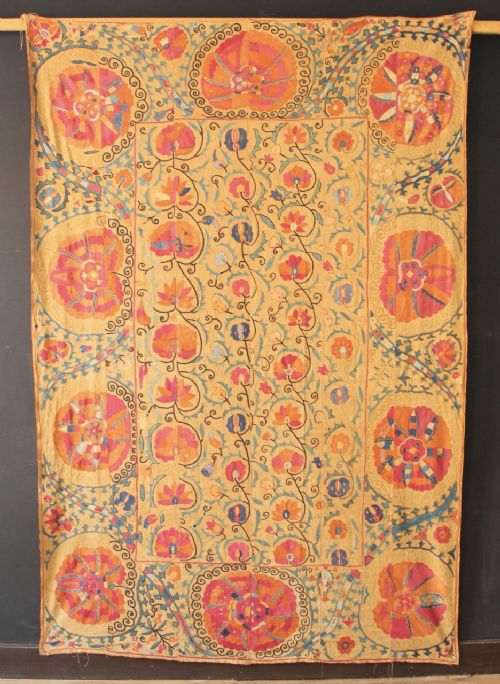
When you search for antique cotton embroidery, you find textiles dominated by Central Asian and South Asian examples such as Uzbek suzanis, Lakai tribal pieces and Pakistani shawls. These items encompass wall hangings, dowry embroideries and smaller covers created across the nineteenth and twentieth centuries.
The most common versions on this page are Uzbek suzanis worked in silk threads upon cotton grounds, alongside tribal ilgiches and medallion variants. Pieces range from full work Tashkent and Samarkand examples to smaller nim suzanis and prayer formats.
Origins stretch across specific regional centres including Bukhara, Shakhrisabz and Tashkent, with occasional South Asian textiles like Banjara fabrics and Sindh shawls appearing in the selection. Dating spans from eighteen hundred through to the nineteen thirties, reflecting traditional folk art designs.
Materials and construction methods
Makers utilised cotton and adras silk-cotton blends as foundational grounds for needlework, dyeing fabrics in red, yellow, black and white tones. Silk thread provides the contrasting texture for the heavy embroidery.
Needlework styles follow regional traditions, employing specific stitches to build floral motifs, central stars and geometric patterns across large wall hangings and smaller tribal textiles.
Antique Cotton Embroidery Retail Price Guide 2026
Typical asking prices for cotton embroidery among the pieces listed under this phrase on Sellingantiques today, from the lower quarter to the upper quarter. They describe what is for sale here now, not the wider market.
Materials recorded across the inventory include cotton, silk thread, adras blends, wool, wood and glass.
Assessing quality in needlework
Quality rests upon the density of the needlework and the coverage of the ground fabric, distinguishing full work suzanis from lighter regional variations. The precision of the floral design and the vibrancy of the silk thread play a major part.
The choice of ground fabric also alters the character of the piece, with adras silk-cotton blends and dyed cotton grounds offering different visual depths beneath the embroidery.
The Antique Cotton Embroidery Glossary
- Suzani
- An embroidered tribal wall hanging originating from Central Asia, typically worked in silk thread upon a cotton ground. These textiles were traditionally made as part of a bride's dowry.
- Adras
- A traditional woven fabric made from a blend of silk and cotton yarns. It frequently serves as the ground material for Central Asian embroidery.
- Ilgich
- A specific type of embroidered wall hanging or dowry piece associated with Central Asian tribes such as the Lakai. They display distinct tribal motifs and formats.
- Nim Suzani
- A smaller version of the standard suzanis, often measuring around half the scale. The prefix denotes a half or smaller format.
- Palak
- A fully embroidered suzani design featuring a central star motif surrounded by floral or celestial patterns. Tashkent workshops are particularly known for this style.
Antique Cotton Embroidery: Frequently Asked Questions
What is an antique suzani used for?
These textiles were traditionally created as dowry items and wall hangings in Central Asian households. They functioned to decorate the interior of nomadic tents and permanent homes.
Today, collectors typically display them as wall art or use them as decorative covers within traditional and modern interiors.
How do I date a cotton embroidery?
Dating relies upon examining the natural dyes, the weave of the cotton or adras ground, and the specific regional style of the needlework. Nineteenth-century examples often display distinct colour palettes compared to twentieth-century pieces.
Comparing the motifs to known examples from centres like Bukhara, Samarkand or Tashkent helps narrow down the period.
What is the difference between a suzani and a nim suzani?
A standard suzani is a large format textile designed to cover a significant wall space or serve as a major dowry piece. They feature extensive embroidery across the entire ground.
A nim suzani is simply a smaller version of the same tradition, allowing for easier placement in more compact domestic spaces while retaining the same detailed stitchwork.
Where were these textiles made?
The majority of these pieces originate from Central Asia, particularly regions within modern-day Uzbekistan such as Bukhara, Samarkand, Shakhrisabz and Tashkent. Various tribal groups, including the Lakai, produced distinct regional variants.
Additional examples stem from South Asian traditions, including Sindh and Banjara textile practices in Pakistan.