

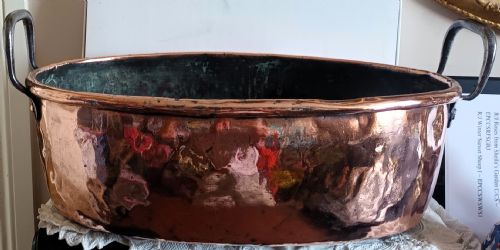


Antique Copper Vessel Set
An antique copper vessel set brings warmth and utility together, offering matched groups of domestic containers shaped by centuries of workshop tradition.
Antique Copper Vessel Set
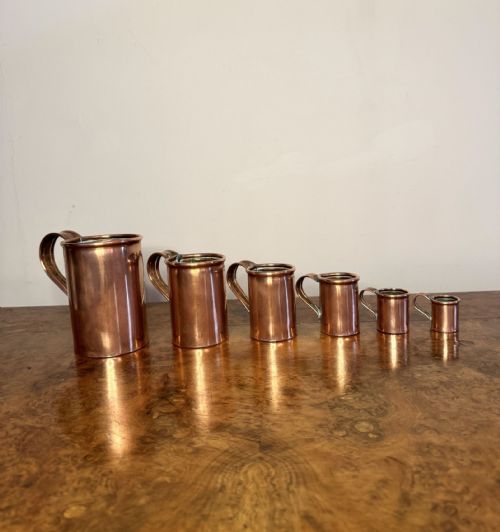
An antique copper vessel set comprises grouped containers designed for kitchen, dairy, or tabletop use, often surviving as assembled or matched runs from the nineteenth and early twentieth centuries. When searching for an antique copper vessel set, buyers encounter functional groupings ranging from nested measuring vessels to decorative bowls and cream setting pans.
The evidence shows these sets span Georgian, Victorian, Arts and Crafts, and Art Nouveau styles, reflecting domestic and decorative utility across different eras. Makers and workshops from these periods produced sets intended for precise kitchen measurement as well as ornate interior display.
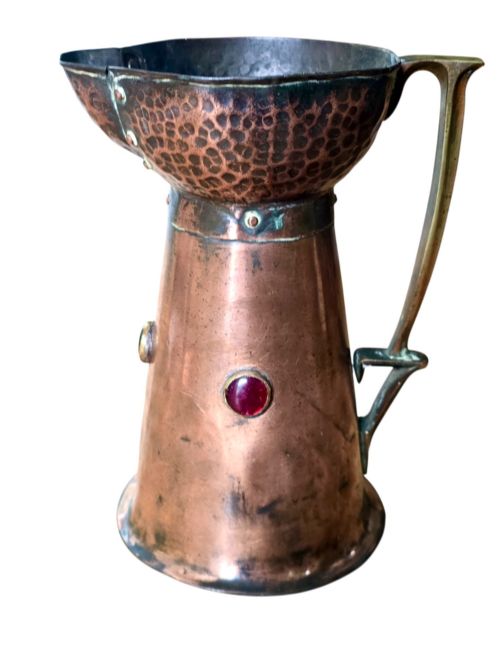
Forms vary from utilitarian dairy pans and Imperial measures to pedestals adorned with cabochons and enamel work. Buyers are most likely to meet sets of nesting measures or matched kitchenware originating from British workshops.
How they were made
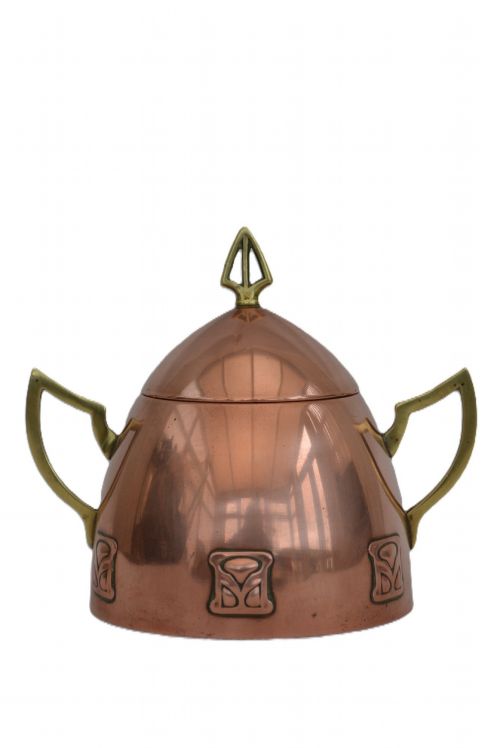
Makers shaped these vessels primarily from sheet copper, frequently hammering the metal to achieve rigidity and depth in bowls, jugs, and pans. Brass components such as handles, rims, and mounting bands appear alongside the copper body.
Interiors often feature tin lining to make culinary and dairy vessels safe for food use, while decorative pieces incorporate enamel, glass, or Ruskin cabochons set into the metalwork. Wrought iron fittings support larger utilitarian forms, grounding the polished copper surfaces.
Antique Copper Vessel Set Retail Price Guide 2026
Typical asking prices for copper vessel set among the pieces listed under this phrase on Sellingantiques today, from the lower quarter to the upper quarter. They describe what is for sale here now, not the wider market.
Even local council measures for Blackpool found their way into copper sets, proving that bureaucracy occasionally shines.
What varies in quality
Quality in these sets rests upon the crispness of the hand-beaming, the weight of the gauge used, and the integrity of the soldered or dovetailed joints. Superior pieces exhibit balanced proportions across the entire group, maintaining consistent wall thickness and refined edge finishes.
Decorative embellishment marks the upper tier of the range, where workshops applied cabochons, enamel panels, or secure brass fittings with deliberate artistry. Lesser examples rely on plain utility without the refined surface work or matched harmony seen in high-end sets.
William Soutter & Sons·WMF
The Antique Copper Vessel Set Glossary
- Cabochon
- A polished, convex gemstone or enamel inset lacking facets, often mounted in Arts and Crafts metalwork. These decorative stones add colour and focal points to the copper surface.
- Imperial measures
- Standardised British capacity units used for liquids and dry goods, frequently found grouped in nested sets. They ensure uniform volume from the largest jug down to the smallest cup.
- Cream setting pan
- A wide, shallow vessel used in dairies to let cream rise to the top of milk before skimming. These large pans display characteristic flat rims and heavy copper construction.
- Tin lining
- A protective layer of metal applied to the interior of culinary vessels to prevent copper from reacting with food. This coating requires even application across the interior surface.
- Secession
- A stylistic movement associated with Art Nouveau design, emphasising geometric clarity and stylized ornamentation. Pieces from this movement often feature integrated plating and minimalist handles.
Antique Copper Vessel Set: Frequently Asked Questions
What is an antique copper vessel set used for?
These sets served practical roles in domestic kitchens, dairies, and dining rooms for measuring liquids, setting cream, or serving tea. Today, collectors display them as decorative groupings that highlight period metalworking techniques.
Matching sets often brought uniformity to pantry work, while decorative pedestal bowls served as interior ornaments during the Arts and Crafts era.
How do I identify a Georgian copper pan?
Georgian pieces typically display heavier hand-beaten construction with simpler forms compared to later Victorian or Art Nouveau designs. They often show dovetail joints on the base and lack the factory stamps common in the twentieth century.
The materials rely heavily on plain copper paired with iron handles, reflecting purely functional kitchen and dairy use.
What periods do these copper sets come from?
The listings span from the Georgian era through the Victorian period, extending into Arts and Crafts and Art Nouveau designs around nineteen hundred. Each era brought distinct decorative choices, from plain utility pans to enamel-set pedestal bowls.
Twentieth-century examples often reflect regional standardisation or artistic workshops influenced by contemporary design movements.
Are these copper vessels safe for food?
Many culinary and dairy containers feature original tin linings designed to separate food from the copper underneath. Assessing the condition of this interior coating determines whether a piece remains suitable for culinary contact.
Decorative sets featuring cabochons or enamels are intended primarily for display rather than active kitchen use.