
Antique Copper Lights
These antique copper lights bring industrial weight and warm metal tones to domestic spaces, spanning street lanterns, nautical fixtures and delicate desk lamps.
Antique Copper Lights
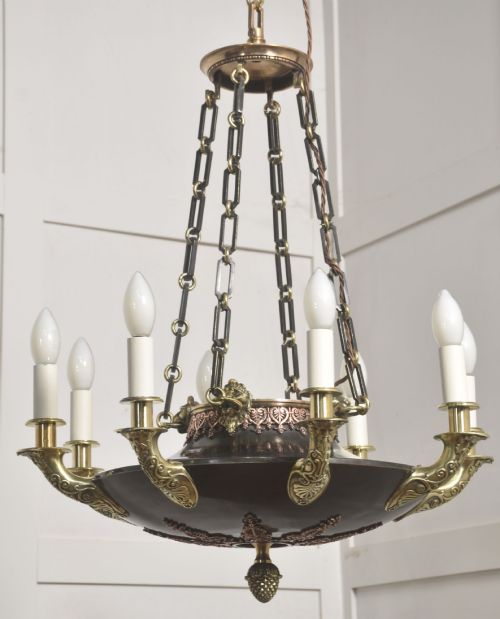
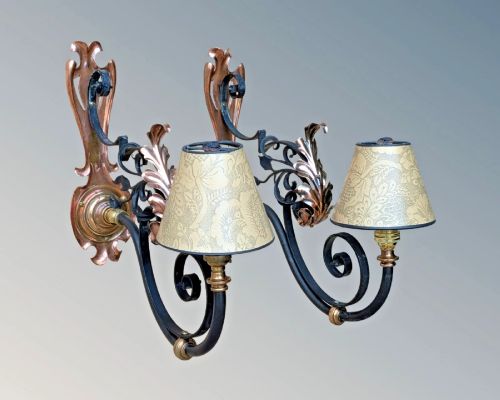
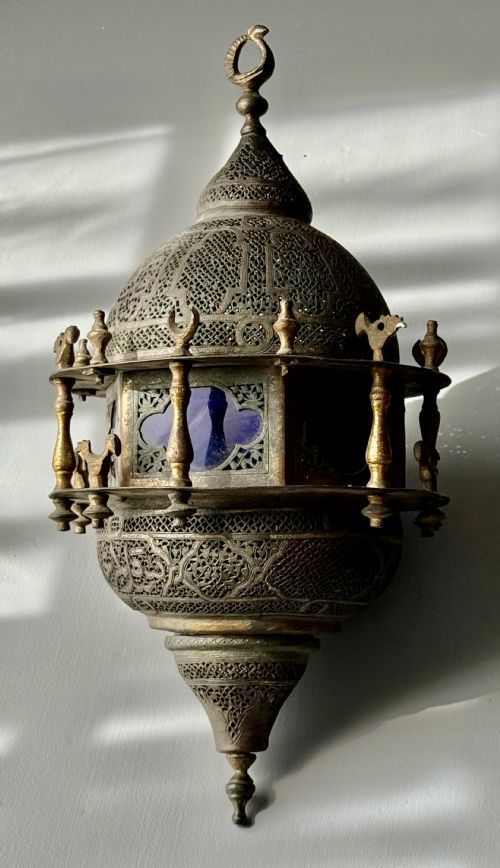
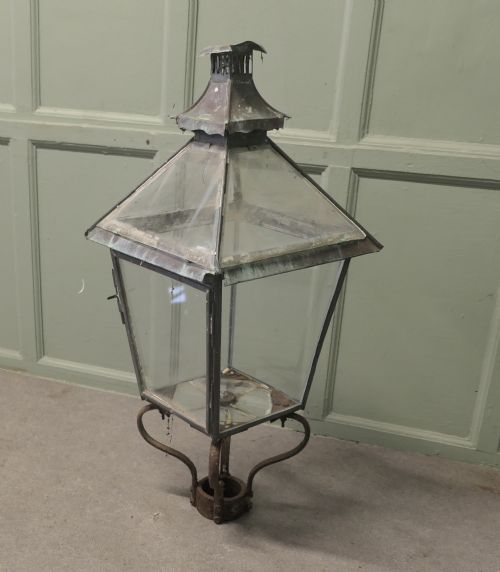
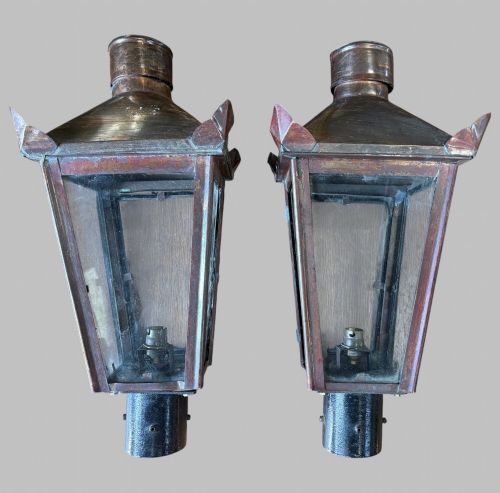
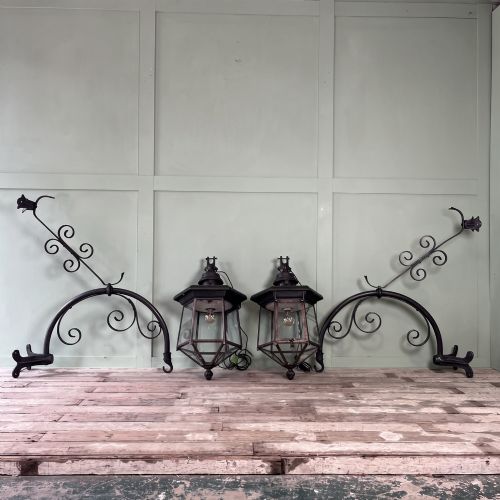
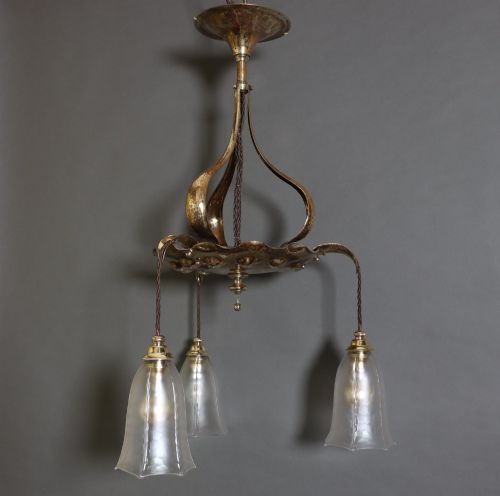
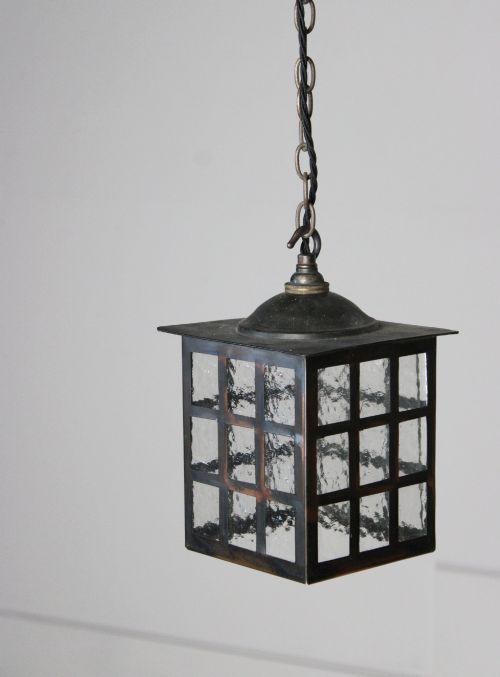
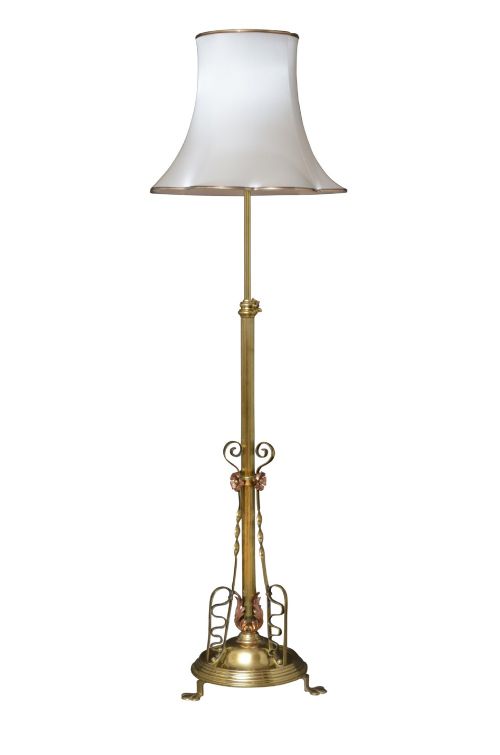
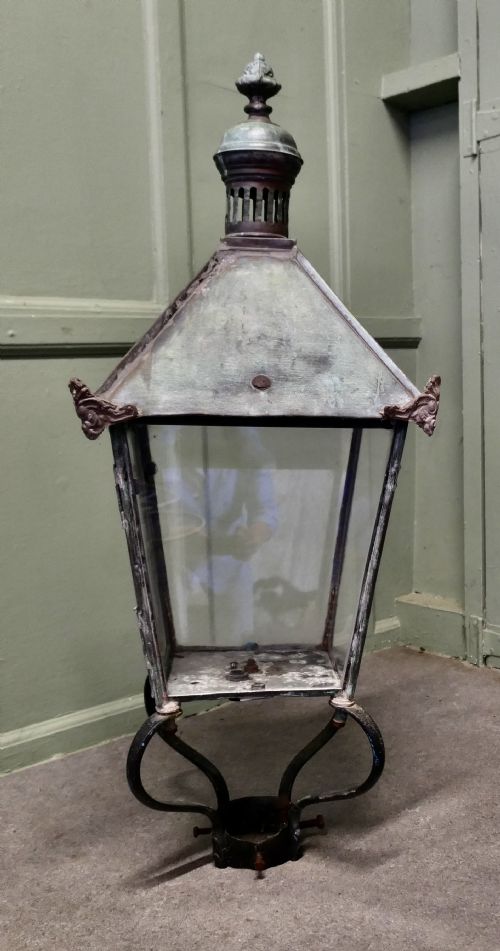
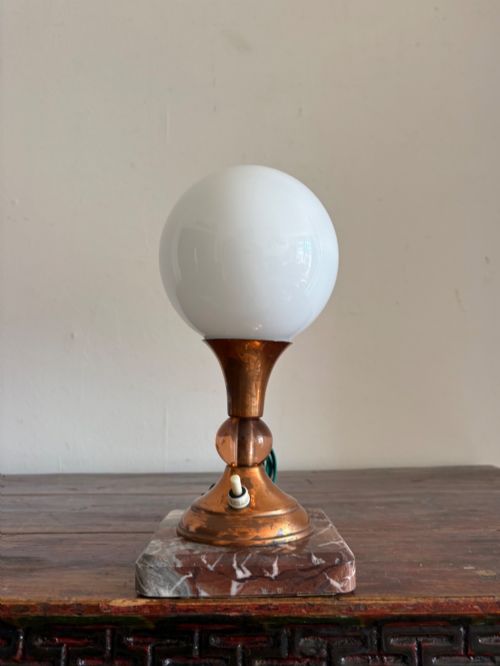
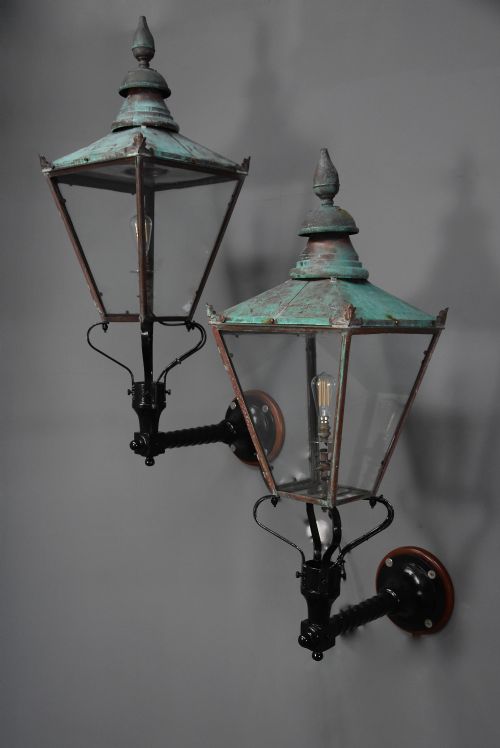
When you search for antique copper lights, you encounter a varied selection of utilitarian objects repurposed for interior and exterior illumination. The listings on this page include lanterns, wall lights, floor lamps, and chandeliers originating from the nineteenth and early twentieth centuries.
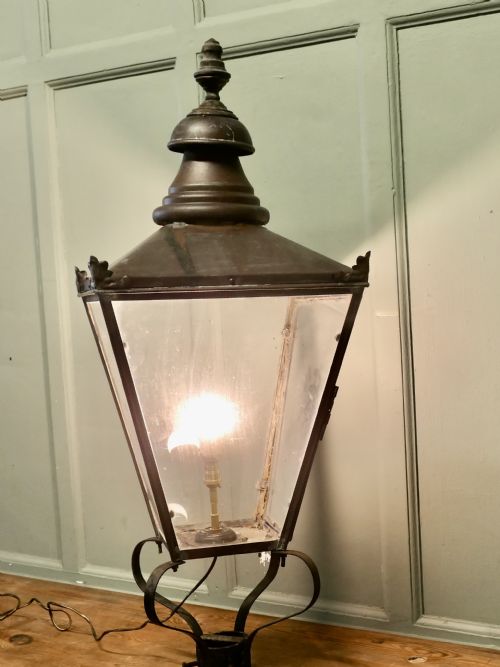
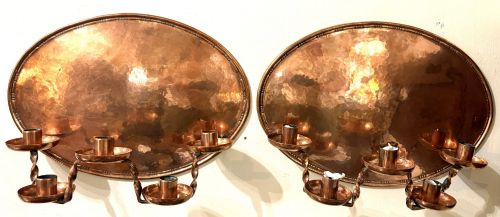
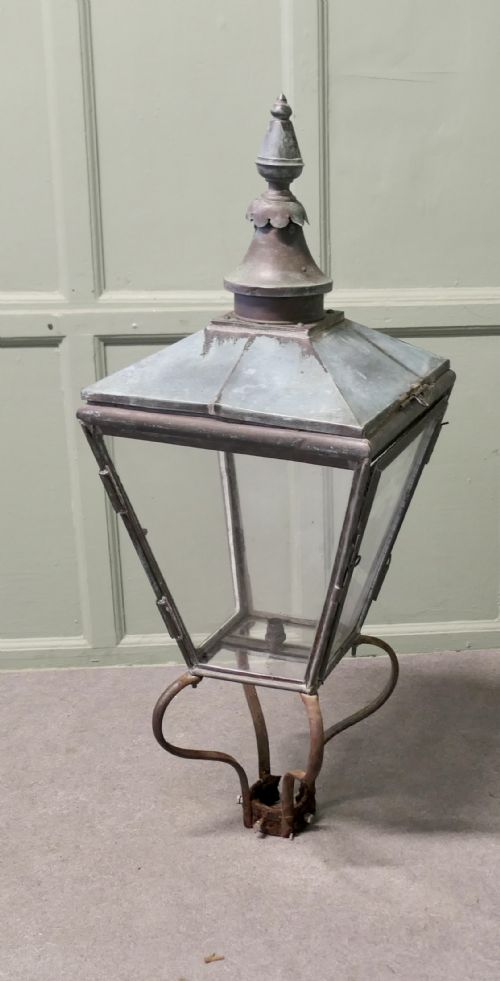
Domestic and exterior forms dominate the selection, ranging from heavy street and gate post lanterns to delicate brass and copper candlesticks. Makers utilised mixed metals, pairing copper with brass, iron, and glass to create functional items for domestic homes, railway carriages, and coaching inns.
The aesthetic vocabulary stretches across several distinct periods, including Victorian, Edwardian, and Art Deco designs. Pieces align with movements such as Arts and Crafts, Art Nouveau, and the Amsterdam School, reflecting the manufacturing shifts of their respective eras.
How they were made
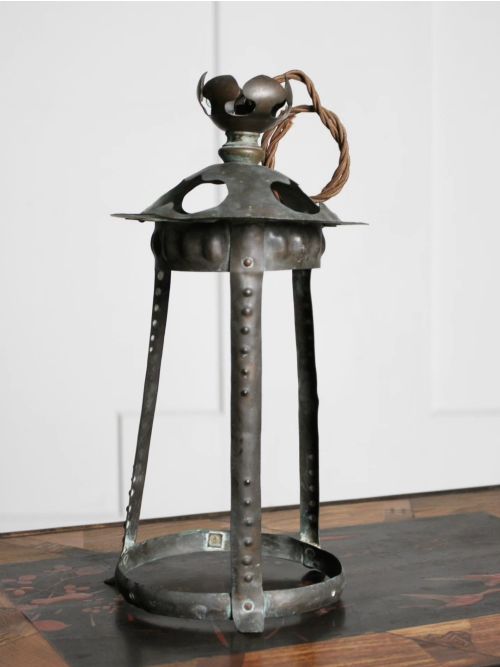
Construction relies heavily on sheet copper shaped through beating, spinning, or soldering, frequently joined with brass rivets, iron brackets, and wrought iron supports. Workshops incorporated hand-piercing techniques on metal collars and employed verdigris patination to achieve specific surface finishes.
Lighting elements incorporated functional glass components, including clear panes, smoked glass panels, and opaline shades designed to diffuse gas or paraffin flames before later electrical conversions. Bases combined stone, wood, and heavy metals such as Old Sheffield Plate to ensure stability in standard lamps and table pieces.
The selection includes lighting pieces spanning the Victorian, Edwardian, and Art Deco eras, constructed primarily from copper, brass, and glass.
What varies in quality
Quality separates mass-produced utility items from bespoke studio pieces through the crispness of hand-beaten texture and the sophistication of structural mounts. Workshops associated with the Arts and Crafts and Amsterdam School movements display meticulous metalwork joining and deliberate proportion.
The integrity of the original components, such as heavy wall brackets, leaded or bevelled glass panels, and signed maker plaques, elevates the standard of a fixture. Patination depth and the retention of period gas or oil conversion mechanisms also dictate the standing of individual lanterns and lamps.
REVO·Maison Jansen·Alderson & Gyde Ltd·Gustave Serrurier Bovy
The Antique Copper Lights Glossary
- Pricket candlestick
- A candleholder featuring a central metal spike that pushes directly into the base of the wax candle to secure it in place.
- Verdigris
- A green or bluish patina formed naturally on copper and brass surfaces through atmospheric oxidation over long periods.
- Coach-house lantern
- A heavy exterior or semi-exterior wall-mounted light designed originally to illuminate carriage entrances and stable yards.
- Standard lamp
- A tall floor-standing lighting fixture designed to illuminate a room from a vertical position without a tabletop surface.
- Opaline shade
- A milky, translucent glass lampshade designed to soften glare while dispersing warm light evenly across a room.
Antique Copper Lights: Frequently Asked Questions
How do I install an old copper street lantern indoors?
Converting an exterior post or street lantern for indoor use typically requires mounting the heavy body securely to ceiling joists or wall studs using reinforced brackets.
Wiring must be updated by a qualified electrician to safely accommodate modern internal lamp holders while preserving the original ventilation caps and glass panels.
Can I clean the green verdigris off my copper light?
Verdigris is a natural patination layer formed on exposed copper over decades of exposure to the elements. Many collectors prefer to leave this stable surface untouched as proof of age.
Harsh chemical cleaning strips the historical skin and damages the underlying metal, though gentle dusting with a dry cloth keeps active debris away.
What is the difference between a port and starboard ship light?
Nautical lanterns manufactured for maritime use adhere to strict navigational colour codes. Port lanterns feature red glass panels, while starboard lanterns use green.
These fixtures were constructed from heavy copper and brass to withstand marine environments and feature sealed housings designed to protect paraffin flames from high winds.
How do I date an Arts and Crafts copper light?
Arts and Crafts lighting from the early twentieth century relies on visible construction marks, hand-beaten surface textures, and stylised floral or geometric motifs. These pieces often incorporate riveted seams rather than modern machine welding.
Comparing the metal gauge and toggle switches against documented period catalogues helps narrow down the decade of production.