



Antique Copper Decor
When you search for antique copper decor, you are looking at centuries of warm metalwork used to shape domestic and decorative spaces.
Antique Copper Decor
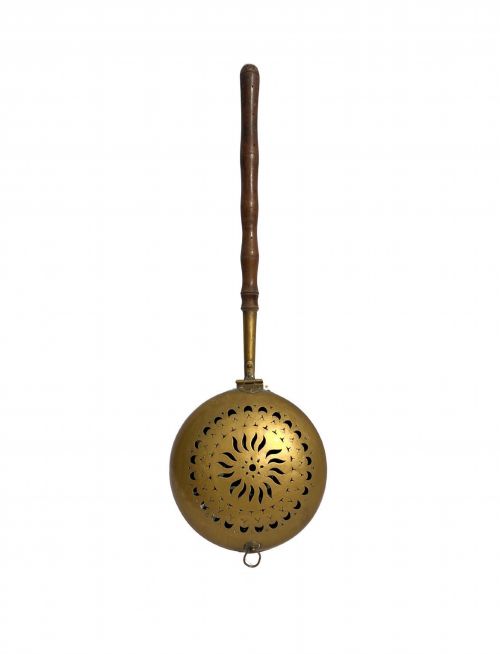
The category of antique copper decor encompasses a wide variety of utilitarian and ornamental items shaped from metal over the eighteenth, nineteenth, and early twentieth centuries. These objects range from heavy kitchenware and coal scuttles to wall plaques, jugs, and fireplace accessories.
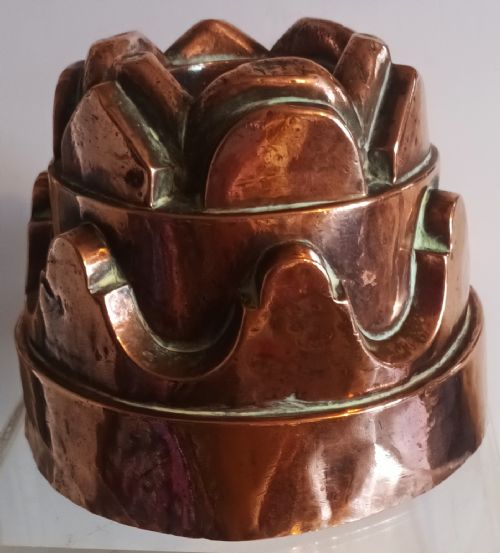
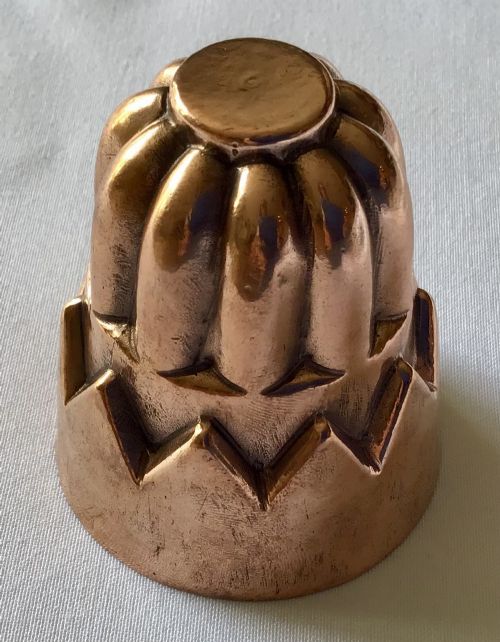
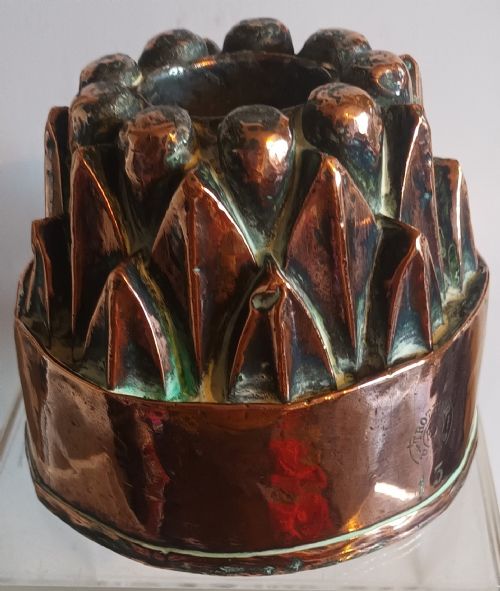
On this page, buyers frequently meet nineteenth-century kitchen moulds, Edwardian and Victorian coal buckets, and decorative vessels originating from English, French, and Middle Eastern workshops. The selection combines practical domestic utility with expressive metal artistry.
Domestic vessels transition easily from functional roots to purely visual roles in modern interiors. Items like copper kettles, pitchers, and chargers bring historical warmth and tactile substance to a room.
How they were made
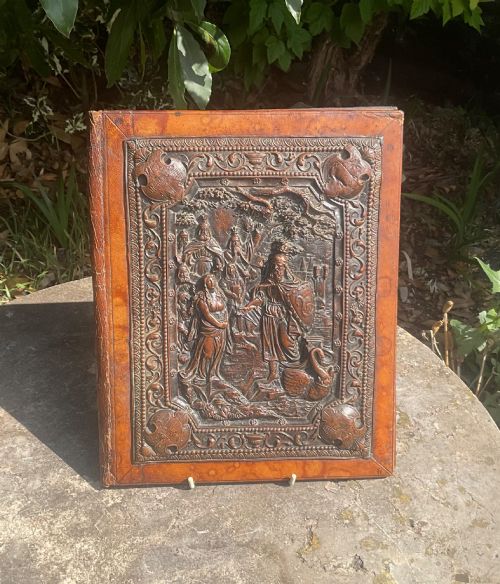
Makers shaped sheet copper using techniques such as hand-beating, spinning, and repousse work to build up form and texture. Riveted joints, dovetailed seams, and brass handles reveal the manual labour involved in constructing durable household items.
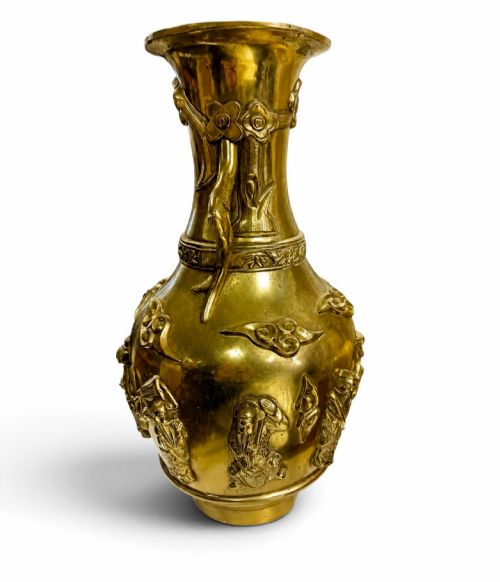
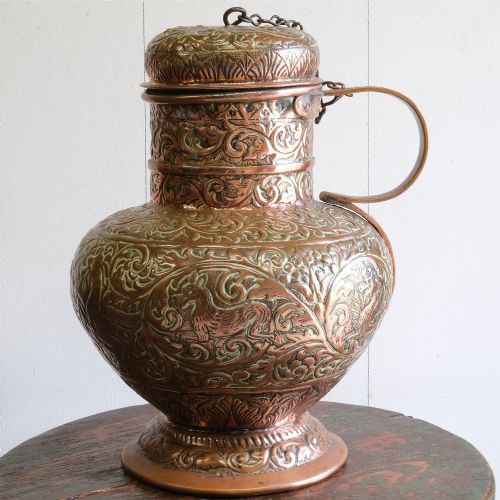
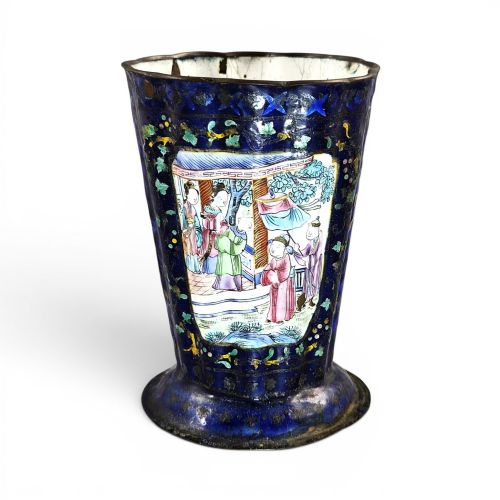
Surface decoration often relied on engraved details, high-relief casting, or enamel applications to add contrast to the warm metallic base. Combinations of copper and brass appear frequently, providing structural reinforcement and varied tonal highlights.
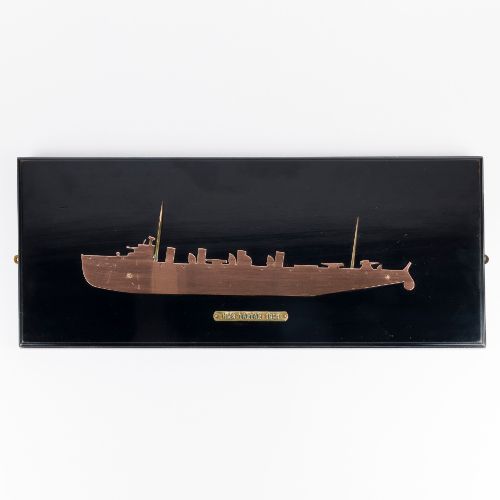
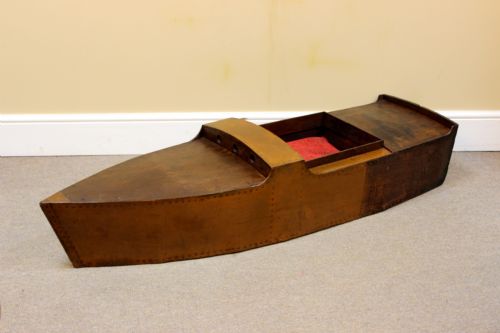
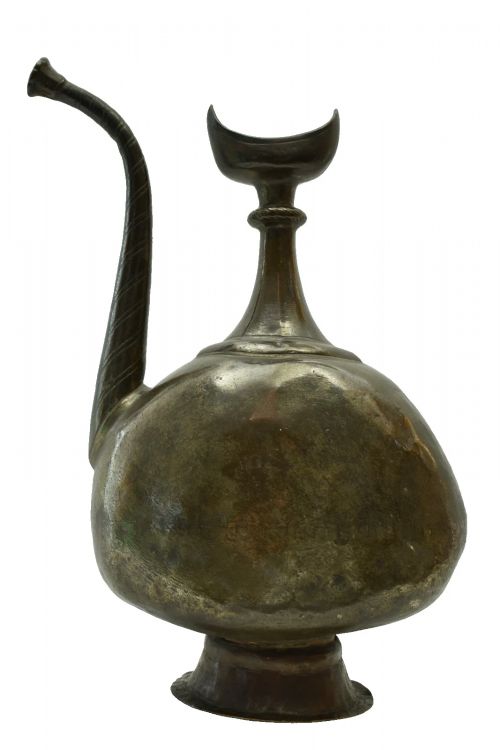
Object forms range widely from practical kitchenware and coal scuttles to decorative wall plaques, ewers, and model boats.
What varies in quality
The distinction between standard utility items and exceptional pieces rests upon the crispness of the hand-beaten relief and the weight of the metal gauge used. Thicker copper plates retain their structural integrity better and allow for deeper, more deliberate decorative engraving.
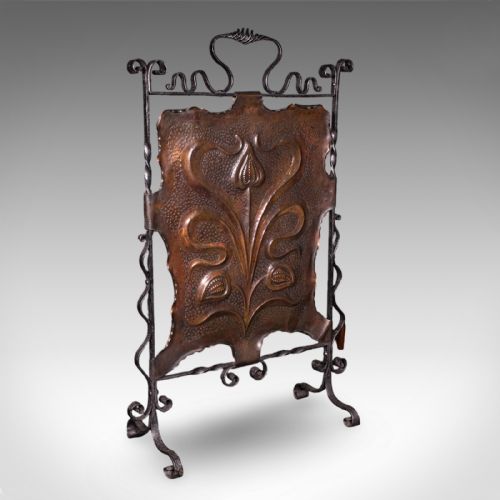
Artistry in design separates mass-produced vessels from masterworks of the Arts and Crafts or Art Nouveau periods. A well-balanced silhouette, harmonious proportions, and integrated brass or iron mounts elevate an object from a simple container to a studied work of decorative art.
The Antique Copper Decor Glossary
- Repousse
- A metalworking technique where the artisan hammers the metal from the reverse side to form a raised design on the front. This method creates tactile depth on chargers and wall plaques.
- Samovar
- A heated metal urn traditionally used to boil water for tea in various cultures. These large decorative vessels often combine copper and brass.
- Jardiniere
- An ornamental pot or stand designed to hold plants or flowers. In copper, these pieces often feature Arts and Crafts or Victorian styling.
- Coal Scuttle
- A container designed to hold household coal for a fireplace, frequently constructed from heavy copper with swing handles. Coal helmets are a specific sloped variant of this form.
- Cloisonne
- An ancient technique for decorating metal object surfaces using strips of metal to form compartments filled with enamel paste. Fine examples appear on plaques and vessels from the late nineteenth century.
Antique Copper Decor: Frequently Asked Questions
How do I clean antique copper?
Most collectors prefer to leave a natural aged patina on antique copper pieces rather than polishing them to a bright shine. Gentle dusting and occasional wiping with a soft, dry cloth preserve the historical surface.
Harsh chemical cleaners strip away the natural oxidation that develops over decades of exposure. Preserving this dark, warm skin maintains both the visual character and the historical integrity of the metal.
Are these copper pieces safe for food use?
Many antique copper vessels, particularly kitchen moulds and kettles from the nineteenth century, were originally manufactured for food preparation. However, older items often lack modern food-safe tin linings.
Buyers intending to use these objects for cooking or serving should inspect the interior lining for wear. For most collectors, these items serve best as decorative display pieces rather than active kitchen utensils.
How do I date antique copper decor?
Dating copper items relies on examining the construction methods, such as the type of seams, rivets, and handle attachments. Hand-beating marks and dovetail joints often point toward earlier Georgian or Victorian production.
Stylistic cues like Art Nouveau whiplash lines or Edwardian motifs help narrow down the period. Maker marks, stampings, and regional styles provide further context for establishing a timeline.
What is the difference between copper and brass in these pieces?
Copper is a softer, highly ductile pure metal with a distinct reddish-orange hue. Brass is an alloy made from copper and zinc, resulting in a brighter, more golden colour and greater rigidity.
Makers frequently combined both metals within a single object, using copper for the main body and brass for handles, rims, or decorative mounts to create contrast and structural strength.