







Antique Continental Seating
Antique continental seating brings centuries of European craftsmanship into the home through walnut armchairs, painted benches, and carved wooden forms.
Antique Continental Seating
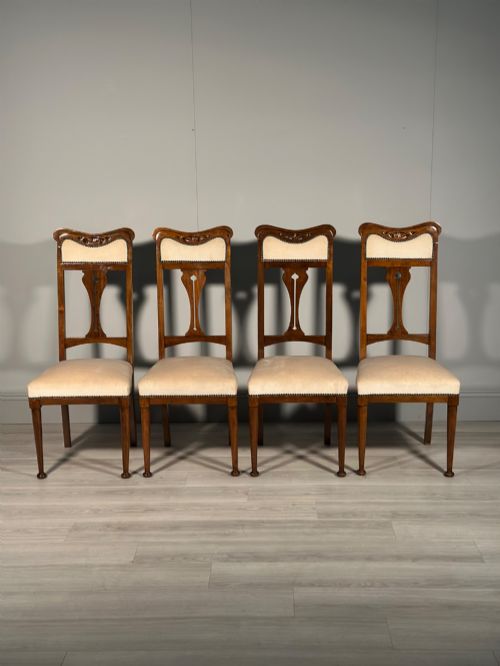
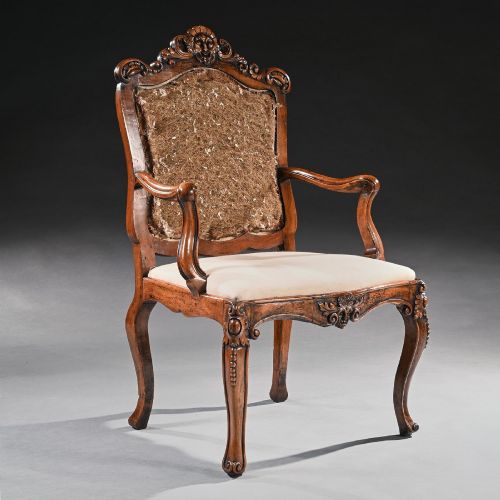
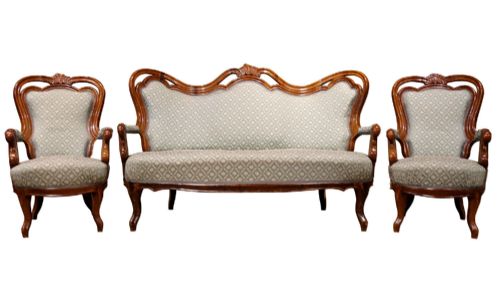
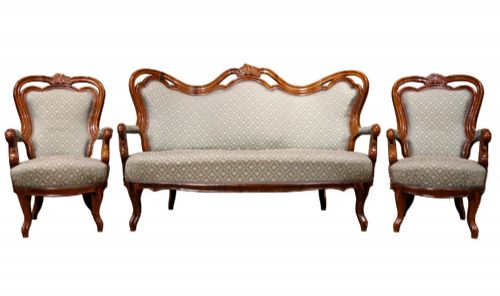
When searching for antique continental seating, buyers encounter a broad array of European forms spanning several centuries, from rustic country benches to formal salon suites. The inventory draws heavily from the nineteenth century, alongside significant seventeenth and eighteenth-century examples originating across Italy, Austria, Spain, and the Netherlands.
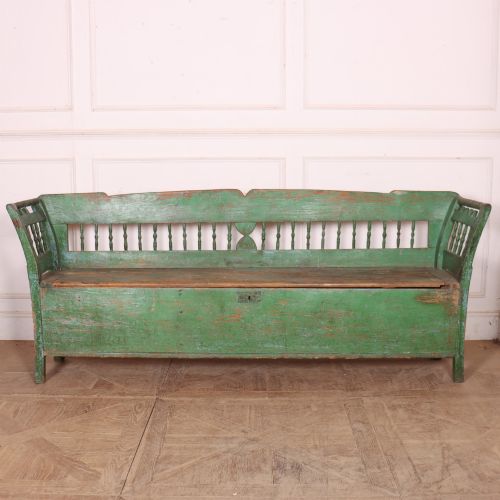
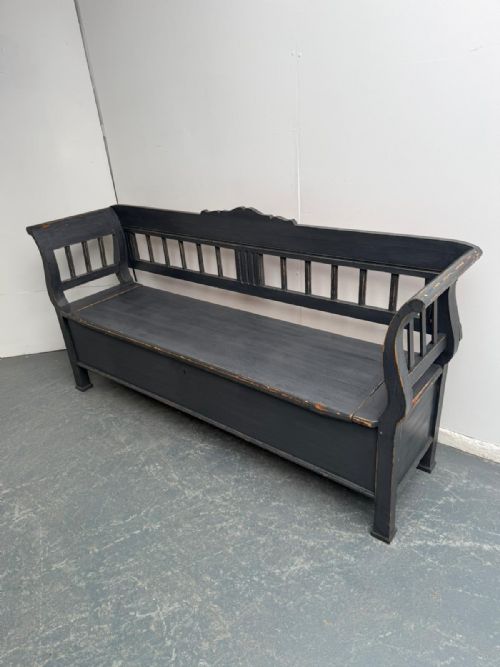
Armchairs, settles, and benches dominate the selections, accompanied by specialised items like salon suites, stools, and side chairs. Regional variations reveal distinct domestic traditions, such as Austrian farmhouse settles and Italian baroque chairs.
The materials and styles reflect the shifting tastes of European makers, utilising native timbers and decorative finishes ranging from simple painted surfaces to elaborate gilding. These pieces offer both historical presence and functional seating for modern interiors.
Materials and construction methods
Walnut, fruitwood, maple, and pine form the structural backbone of these European pieces, shaped through traditional joinery and hand-carving techniques. Master craftsmen utilised dense hardwoods for formal armchairs and salon suites, while regional makers selected accessible local timbers like pine and fruitwood for country benches.
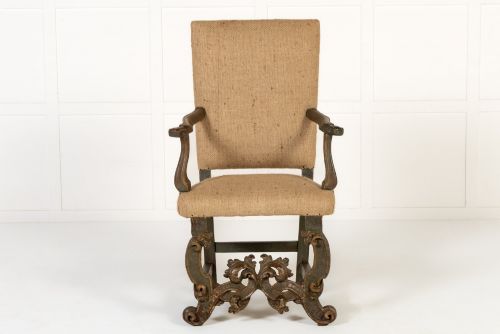
Decorative surface treatments define much of the continental range, incorporating layers of paint, gesso, and gold leaf alongside exposed wood grains. Leather and various textiles provide the upholstery on seventeenth-century Italian chairs and later salon pieces, completing the construction.
Antique Continental Seating Retail Price Guide 2026
Typical asking prices for continental seating among the pieces listed under this phrase on Sellingantiques today, from the lower quarter to the upper quarter. They describe what is for sale here now, not the wider market.
Walnut and painted finishes appear frequently across the sixteenth to nineteenth-century continental seating listings.
Factors that distinguish the work
The degree of original surface preservation separates standard regional pieces from exceptional examples, particularly where historical paint, gilding, and patination remain intact. Fine carving detail on walnut frames and throne elements demonstrates the elevated skill of the workshop.
Structural integrity and the retention of original upholstery materials or leather also influence the character of the seating. Pieces that maintain their authentic construction without heavy restoration offer a clearer connection to their period of origin.
The Antique Continental Seating Glossary
- Baroque
- A flamboyant artistic style originating in Italy, characterised by dynamic movement and rich surface ornamentation. It heavily influences seventeenth-century seating design.
- Biedermeier
- A central European style emphasising utilitarian comfort and clean lines without excessive ornamentation. Maple and fruitwood are common in this tradition.
- Parcel-gilt
- Partially gilded woodwork where gold leaf highlights specific carved details against a contrasting painted or stained background. This technique accentuates structural motifs.
- Settle
- A wooden bench featuring a high back to block drafts and often incorporating storage beneath the seat. Austrian and Spanish examples are typical.
- Rococo Revival
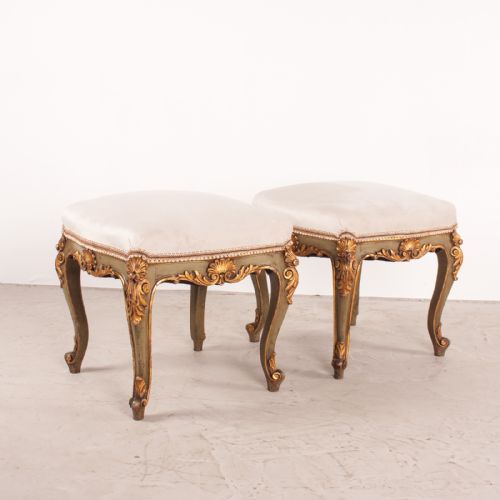
- A nineteenth-century movement drawing on eighteenth-century asymmetrical scrollwork and natural motifs. It appears frequently in salon suites and decorative chairs.
Antique Continental Seating: Frequently Asked Questions
How do I identify seventeenth-century Italian chairs?
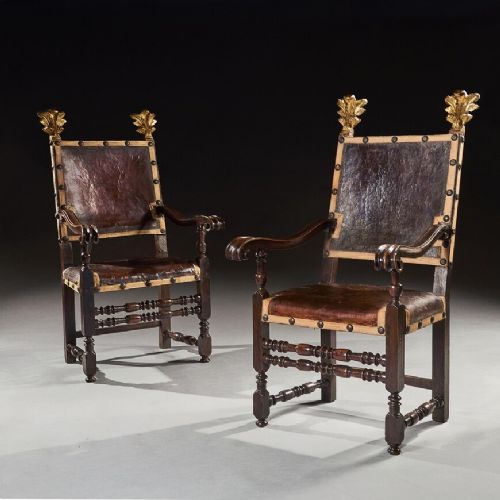
Seventeenth-century Italian chairs typically feature heavy walnut construction, parcel-gilt details, and leather upholstery secured with decorative tacks. Their forms reflect the bold styling of the baroque period.
Examining the joinery and the natural wear on the timber helps confirm the age of these early pieces.
What is an Austrian settle bench?
An Austrian settle bench is a traditional wooden seating form designed for farmhouse or regional interiors, often featuring painted decoration and a high back. These sturdy pieces served practical domestic purposes.
They bring rustic character to contemporary hallways and kitchens.
How should I care for painted wooden furniture?
Painted wooden furniture requires gentle dusting with a dry, soft cloth and protection from direct sunlight and moisture fluctuations. Avoid chemical cleaners that might lift historical paint layers.
Maintaining stable indoor humidity preserves the delicate gesso and painted finishes.
What distinguishes Biedermeier seating?
Biedermeier seating focuses on minimalist elegance, smooth wood grains like maple and fruitwood, and domestic comfort rather than ostentatious display. The style developed in nineteenth-century central Europe.
Its restrained aesthetic integrates smoothly into modern interior design schemes.