

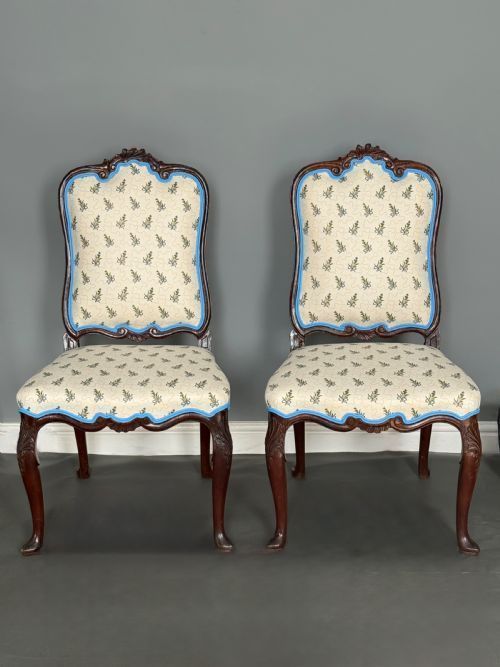
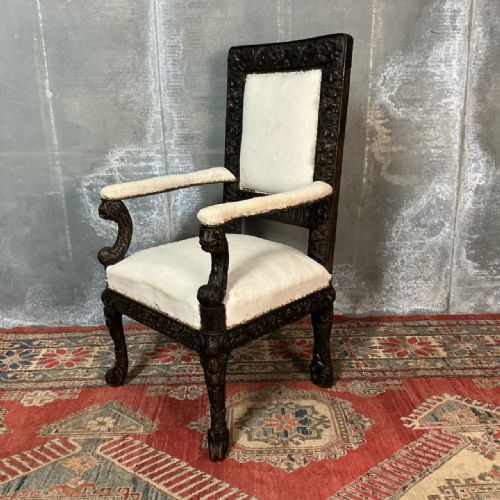
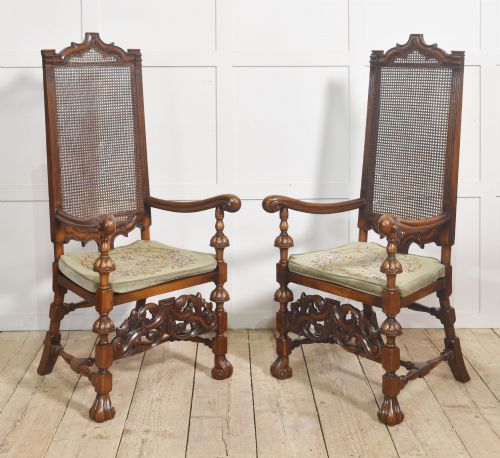
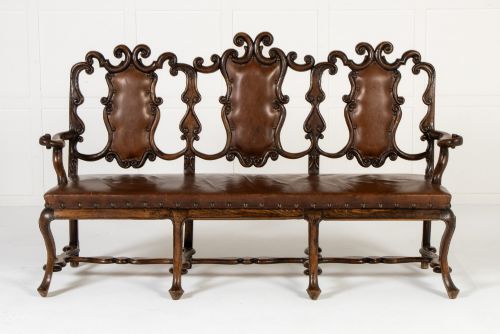

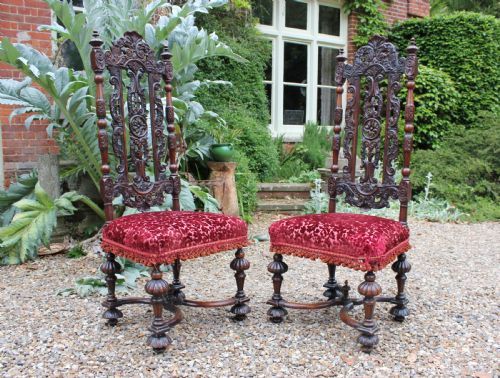


Baroque Style Hall Chairs
Baroque style hall chairs bring the drama of the seventeenth and eighteenth centuries straight into an entrance, offering heavy carving and rich materials for grand interiors.
Baroque Style Hall Chairs
Baroque style hall chairs encompass stately seating designed for grand entrances, drawing on seventeenth and eighteenth-century aesthetics. These pieces typically display grand proportions, sturdy timber construction, and strong decorative statements suitable for formal spaces.
Buyers browsing this selection will encounter various forms across different periods, including nineteenth-century revivals alongside earlier examples. Walnut and oak dominate the construction, often paired with cane, leather, or textile elements to complete the historic look.
Materials and construction
Cabinetmakers utilised durable hardwoods such as walnut and oak to build the robust frames required for these heavy seats. Timber surfaces frequently received deep hand-carving to achieve the characteristic scrollwork and ornamentation associated with the period.
Upholstery and supporting elements relied on traditional textiles, supple leather, woven cane, and occasional brass details. Skilled artisans assembled joints using period joinery techniques to ensure the structural integrity of heavily carved chairs.
Baroque Style Hall Chairs Retail Price Guide 2026
Typical asking prices for baroque style hall chairs among the pieces listed under this phrase on Sellingantiques today, from the lower quarter to the upper quarter. They describe what is for sale here now, not the wider market.
Historic carvers occasionally hid tiny facial profiles within dense scrollwork, rewarding close inspection with unexpected tiny grins.
Assessing quality and craftsmanship
The depth and crispness of the timber carving set superior examples apart from simpler productions, with sharper chisel work indicating higher workshop skill. The choice of primary timber, particularly figured walnut versus standard oak, influences the overall visual richness of the seating.
The integrity of secondary materials, from tightly woven cane panels to well-preserved leather and textile additions, determines the refined finish of a piece. Original construction methods and untouched historic surfaces hold greater appeal for serious collectors than heavily altered frames.
The Baroque Style Hall Chairs Glossary
- Baroque
- A flamboyant European artistic style spanning the seventeenth and early eighteenth centuries, characterised by dynamic movement and exuberant ornamentation. It translates into furniture through massive proportions and dramatic carved motifs.
- Carolean
- Pertaining to the reign of King Charles II in seventeenth-century England, a period famous for lavish walnut seating, cane panels, and scrolling woodwork. This aesthetic strongly influences later revival pieces.
- Cane
- Plant material woven into open mesh patterns for chair seats and backs, offering both flexibility and visual lightness. It appears frequently on seventeenth-century walnut chairs.
- Ebonised
- Timber treated with a dark finish to imitate expensive ebony, a technique popular for achieving stark contrast in formal historic furniture. This finish highlights crisp carved details against shadowed recesses.
- Revival
- A nineteenth-century design movement that copied historical styles from earlier eras, producing accurate historicist furniture for Victorian interiors. These revival pieces often match the decorative intensity of the originals.
Baroque Style Hall Chairs: Frequently Asked Questions
What defines baroque style hall chairs?
These chairs combine heavy timber frames with dramatic carvings, scrollwork, and formal proportions designed for grand entryways.
Originating from seventeenth and eighteenth-century European aesthetics, they often reappear in nineteenth-century revival interpretations using walnut or oak.
Where should I place these chairs?
Their strong architectural presence makes them ideal for large hallways, landings, or formal reception rooms where they can be viewed in the round.
They function well as statement furniture rather than everyday lounging seats due to their upright backs and rigid construction.
How do I spot a revival piece?
Nineteenth-century revival pieces often display machine-assisted elements or standardised joinery compared to genuinely older seventeenth-century counterparts.
Examining the tool marks, timber ageing, and wear patterns helps clarify whether a chair dates to the original period or later revivals.
Are these chairs comfortable?
Historic hall seating prioritised formal posture and visual display over modern ergonomic lounging comfort.
Many examples feature upright wooden backs, taut leather, or supportive cane panels intended for brief seating in public areas.