

Antique Continental Furniture
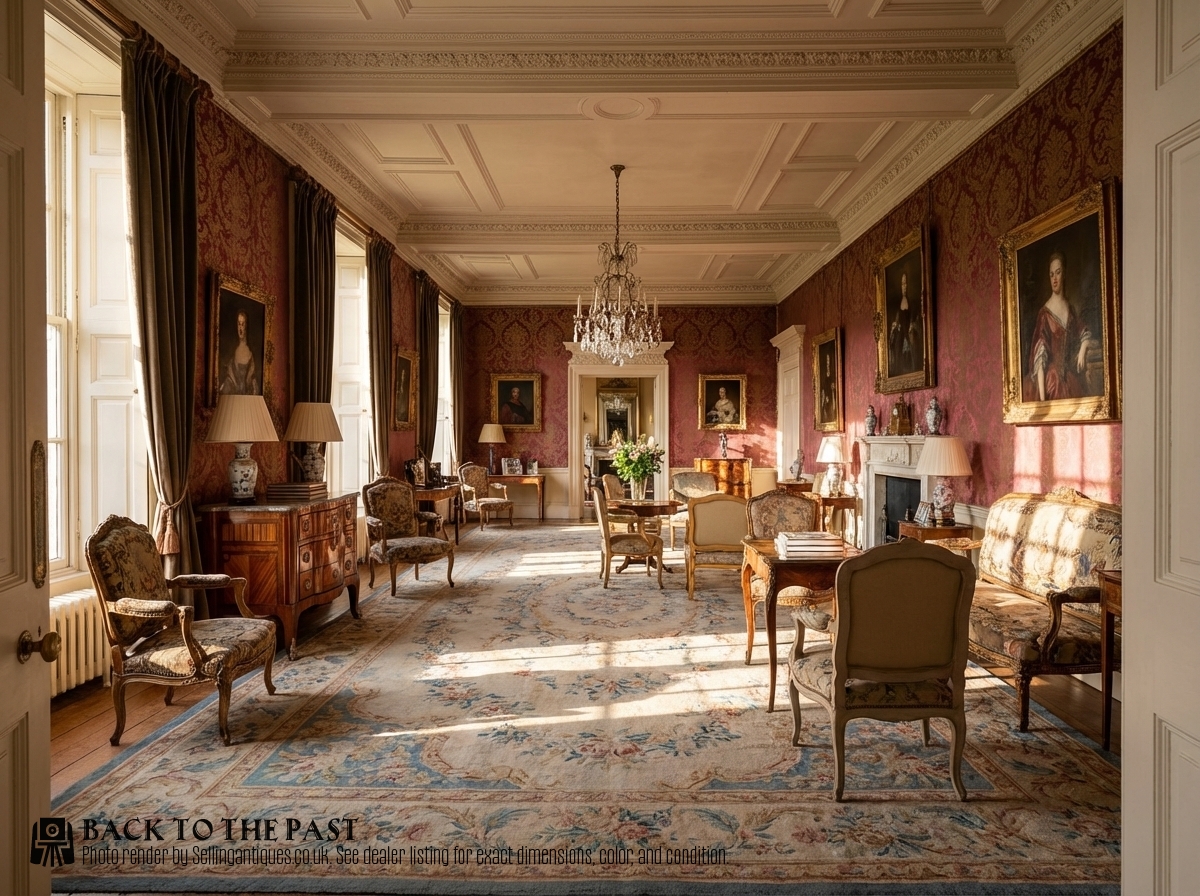
Antique continental furniture brings heavy timber and regional style from across Europe into British rooms, offering walnut commodes and painted benches.
Antique Continental Furniture
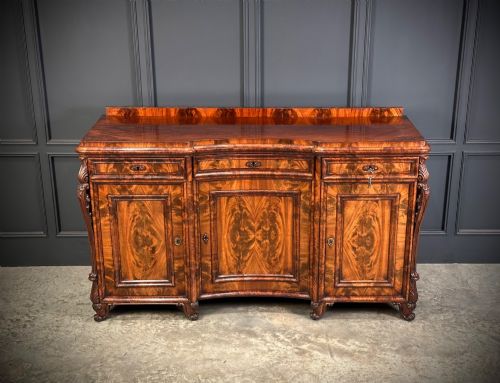
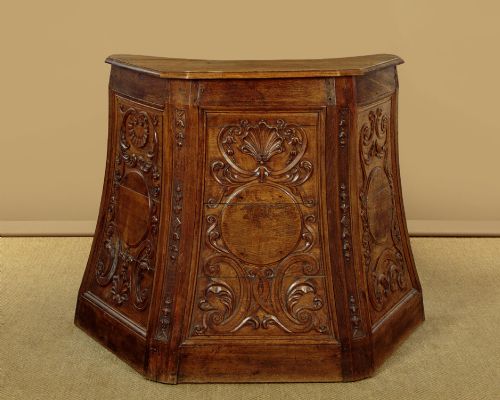
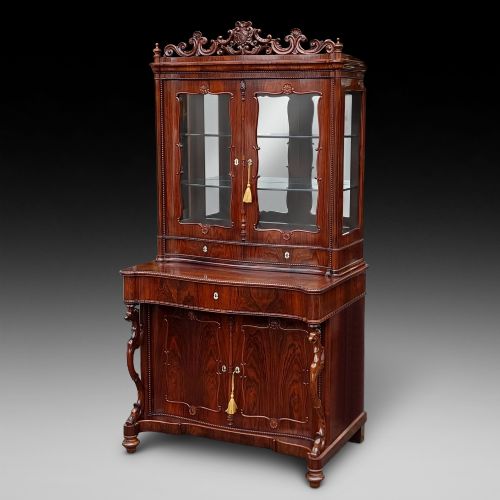
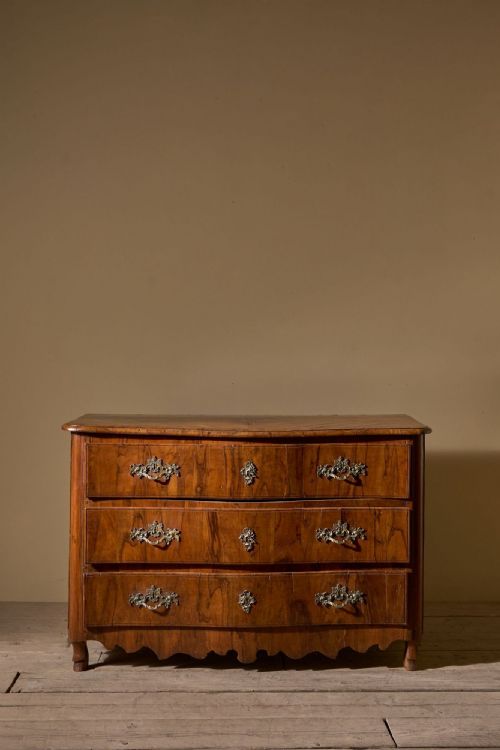
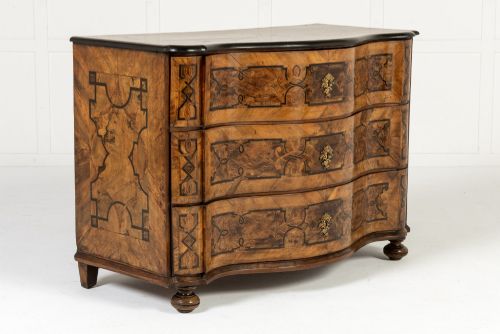
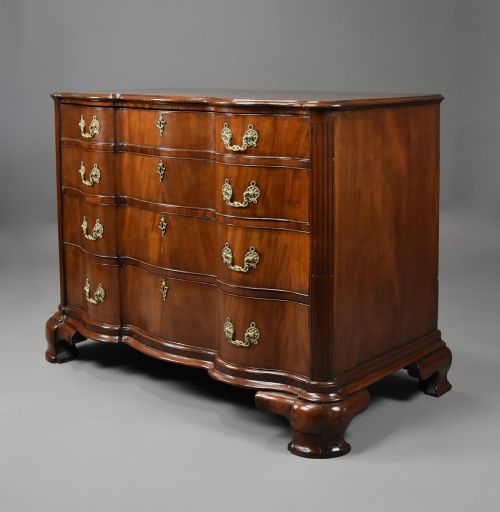
When you search for antique continental furniture, you encounter items originating outside Britain, spanning centuries from the seventeenth through to the Victorian era. The selection ranges from robust Austrian pine and oak hall wardrobes to polished walnut commodes and inlaid bureaus.
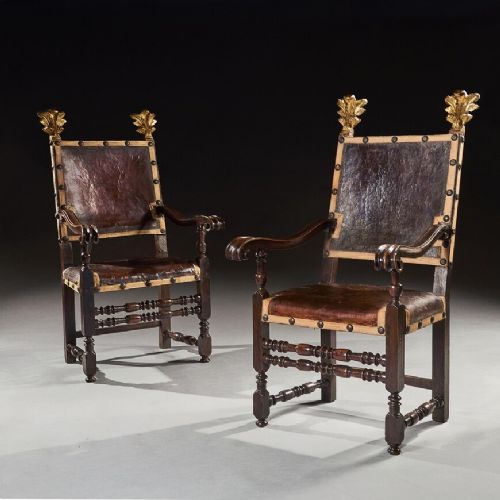
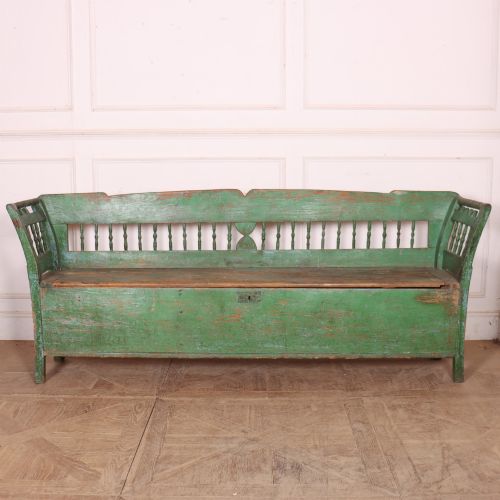
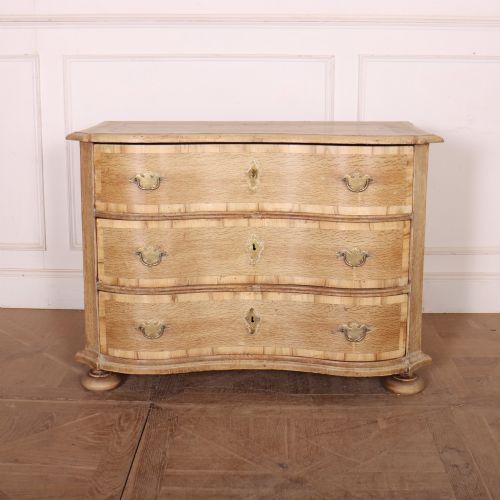
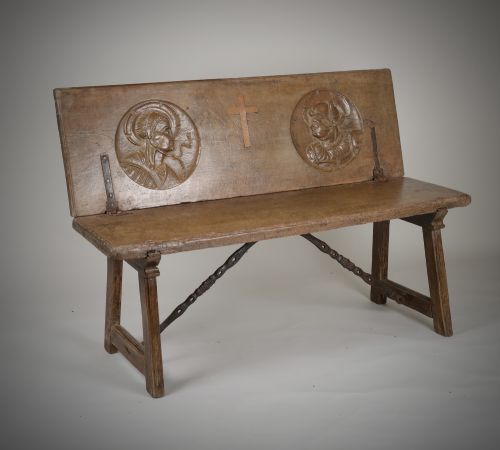
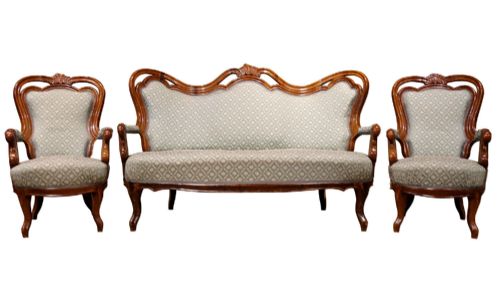
You meet storage pieces most frequently on this page, including chests of drawers, corner cabinets, and armoires. Alongside these storage forms appear seating options such as Italian baroque armchairs, salon suites, and farmhouse benches.
How they were made
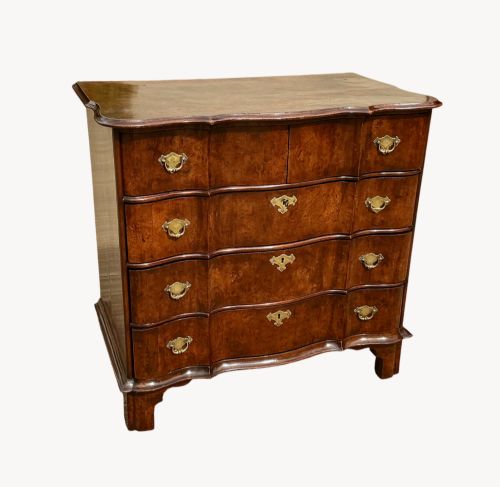
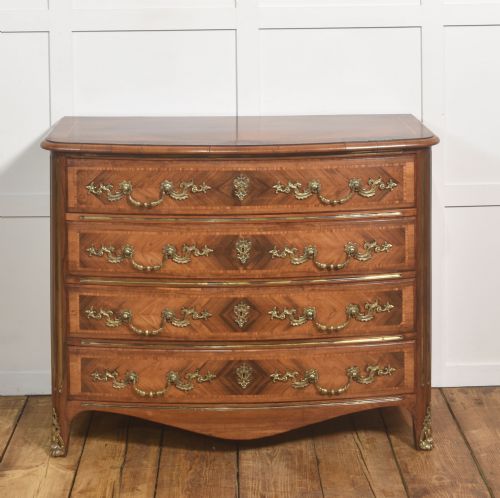
Carpenters utilised dense domestic and exotic hardwoods such as walnut, oak, mahogany, and olive wood for structural carcasses and primary surfaces. Burr veneers and marquetry displays added decorative complexity, particularly on Dutch and Italian surfaces.
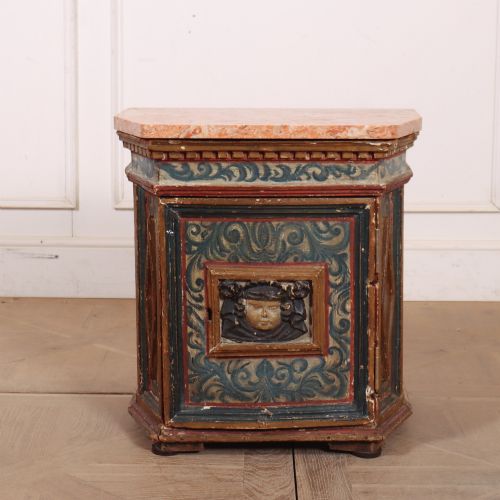
Applied paint, parcel-gilt, and wax finishes protected the timber while providing distinct regional coloration, from original painted apothecary schemes to bleached oak treatments. Iron and brass hardware completed the construction, securing doors and drawers.
Listings feature items spanning the 16th, 17th, 18th, and 19th centuries, utilising walnut, pine, oak, mahogany, and olive wood.
What varies in quality
The sophistication of the timber preparation and the precision of the joinery define the upper tier of these pieces. Grain selection in burr walnut or olive wood sets finer examples apart from plainer utility items.
The integrity of original decorative elements, such as hand-cut marquetry inlay, painted surfaces, and cast bronze or brass mounts, dictates the distinction between standard provincial items and masterwork production.
Thomas Hache of Grenoble
The Antique Continental Furniture Glossary
- Commode
- A low chest of drawers or cabinet originating in France, widely adopted across continental Europe during the eighteenth and nineteenth centuries.
- Marquetry
- Decorative veneer patterns applied to furniture surfaces using thin slices of wood, ivory, or metal to form pictorial or geometric designs.
- Serpentine
- A furniture front or edge shaped with a central convex curve flanked by concave sweeps.
- Biedermeier
- A central European style dating from the nineteenth century characterised by utilitarian comfort and clean lines with minimal ornamentation.
- Parcel-gilt
- Partially gilded with gold leaf or powder, often highlighting carved wooden details on baroque seating and tables.
Antique Continental Furniture: Frequently Asked Questions
What is continental furniture?
Continental furniture refers to pieces made in mainland Europe rather than Great Britain. The category spans diverse regional styles from countries like Italy, France, Germany, and the Netherlands.
These items range from heavy farmhouse benches to polished burr walnut commodes and inlaid bureaus produced across several centuries.
How do I date these pieces?
Dating relies on identifying period construction methods, timber choices, and stylistic markers such as baroque curves or Biedermeier restraint. Documentation or attribution to known workshops also helps establish age.
Changes in hardware, joinery techniques, and decorative finishes provide further clues for placing an item within a specific century.
Where were these pieces used?
Original locations included urban townhouses, provincial farmhouses, and grand salons across mainland Europe. Items served practical domestic functions for storage, seating, and display.
Specialised forms like apothecary cabinets and refectory tables fulfilled specific commercial or domestic roles in their native regions.
How do I care for antique timber?
Maintain timber pieces by keeping them away from direct heat sources and strong sunlight to prevent wood splitting and finish fading. Regular waxing with appropriate products preserves the dry or polished surface.
Avoid excessive moisture and dust gently with a soft cloth to protect vulnerable veneers and painted finishes.