




Antique Concealed Weapons
Antique concealed weapons are discreet personal defence items disguised as everyday walking sticks and canes, prized for their dual utility and historical intrigue.
Antique Concealed Weapons
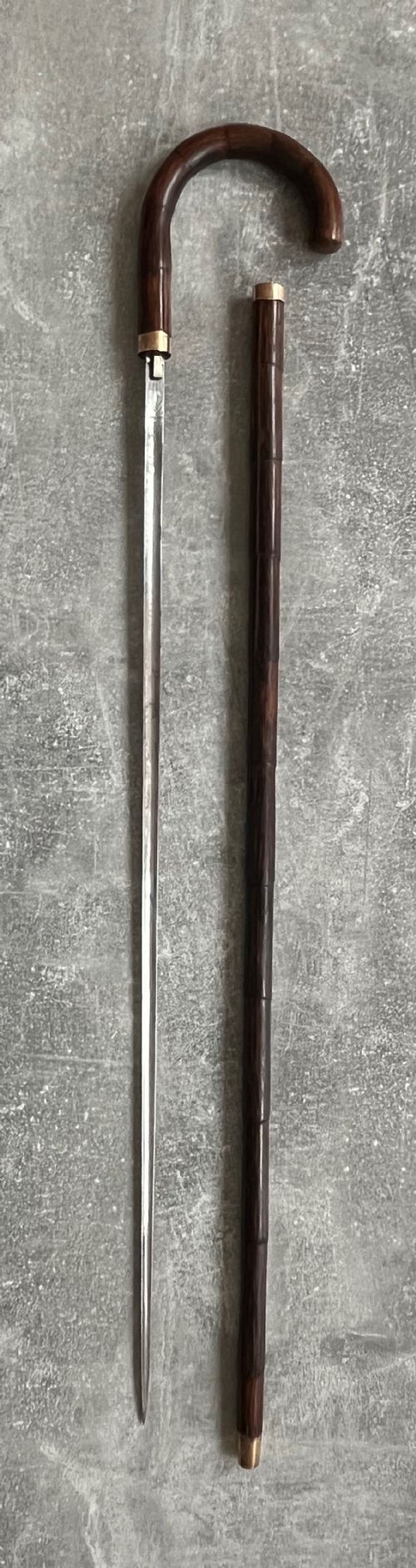
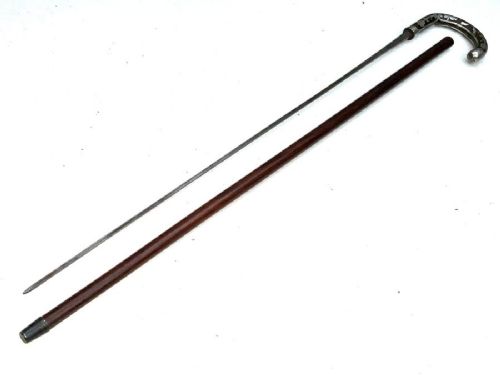
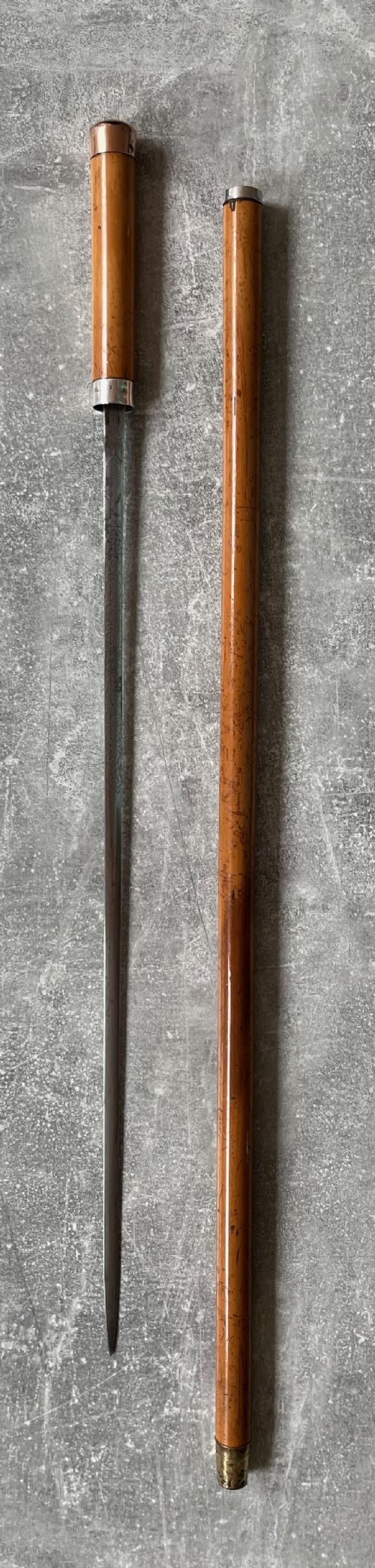
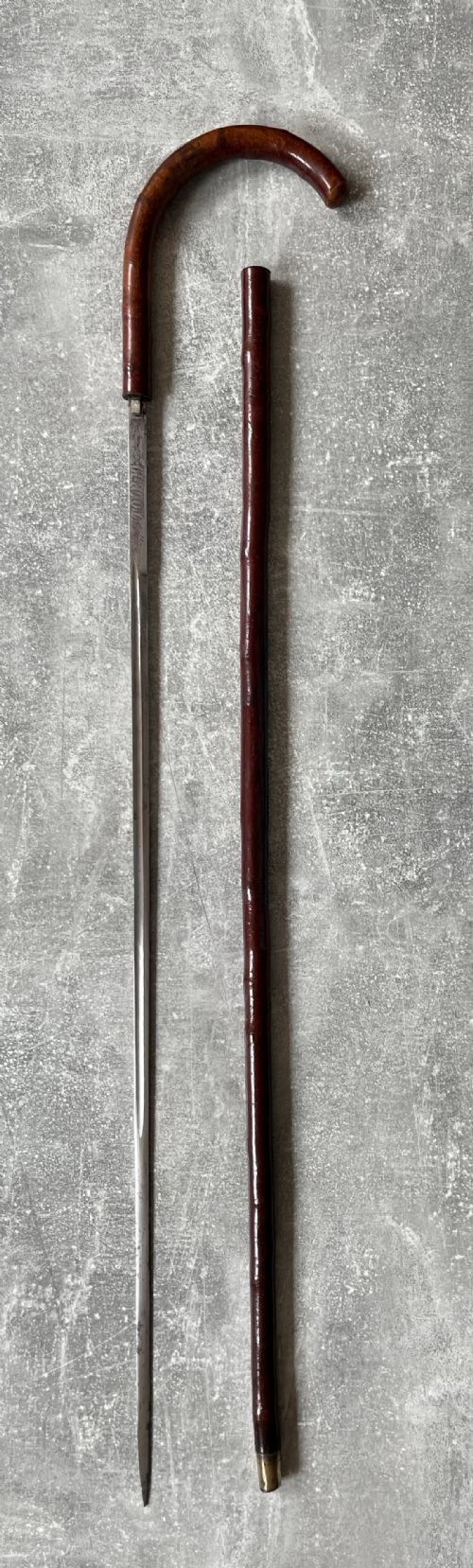
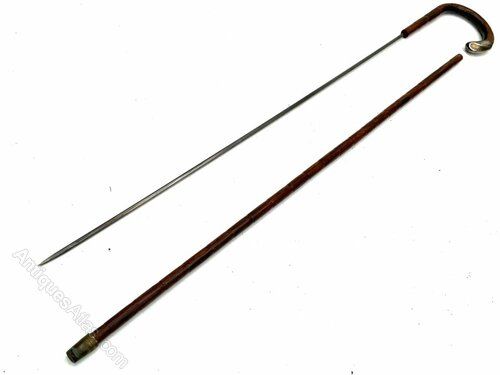
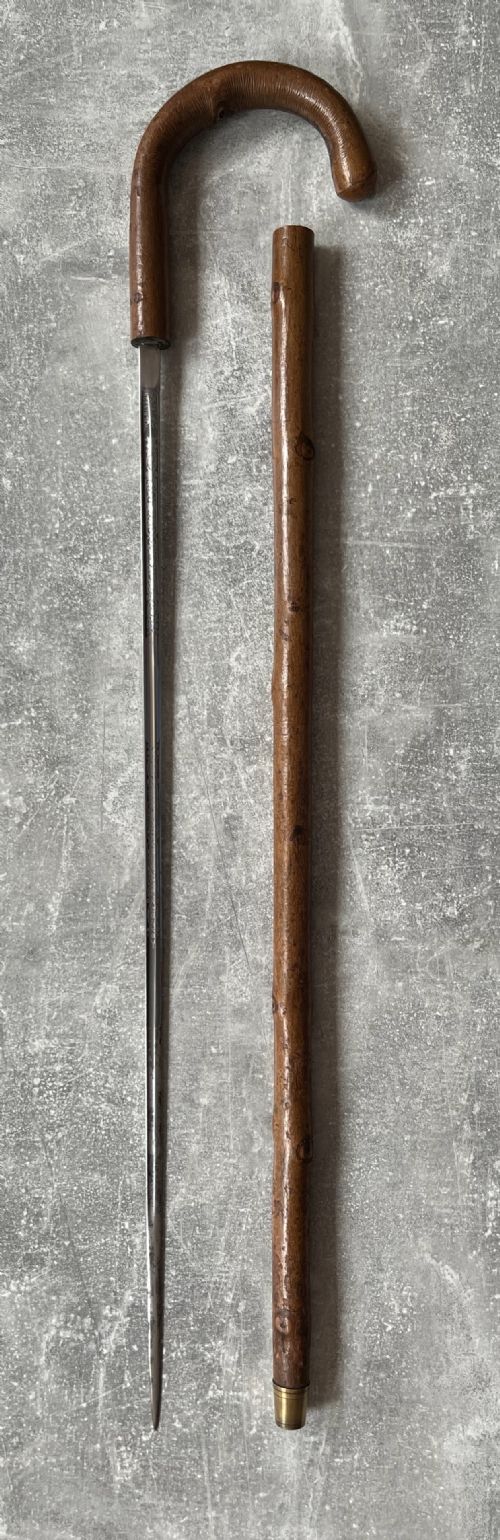
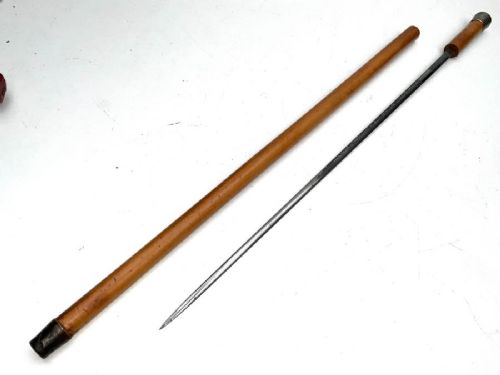
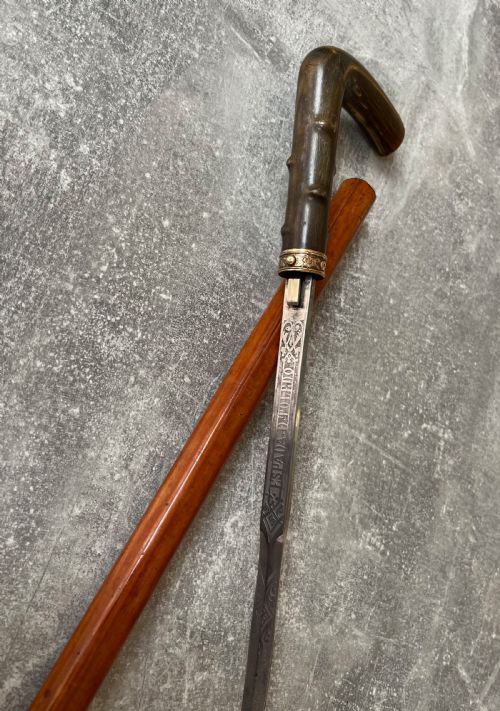
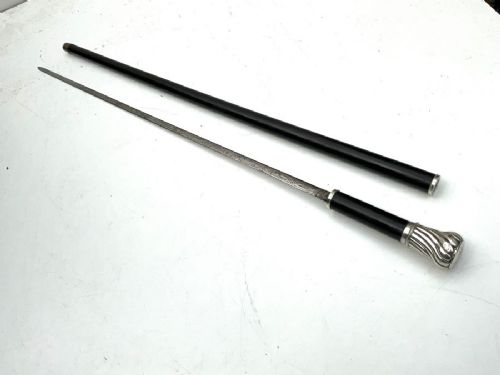
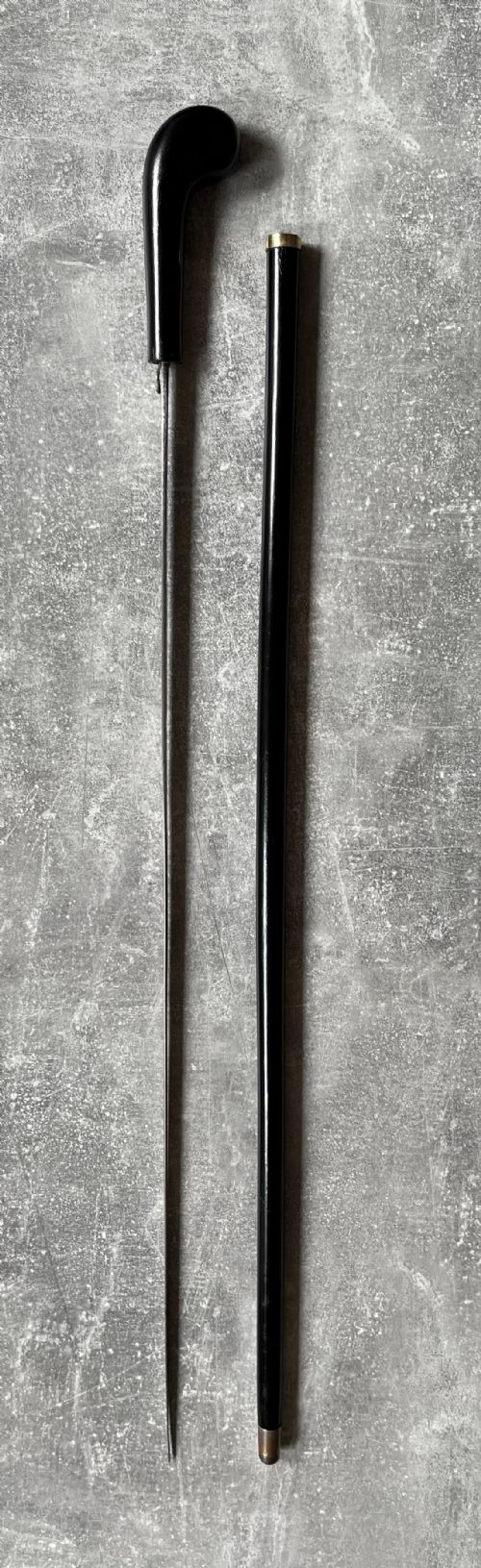
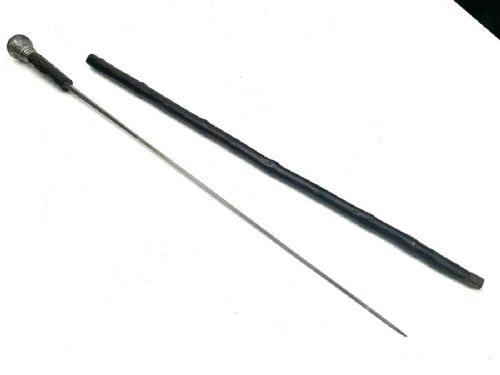
Antique concealed weapons predominantly take the form of walking sticks and sword sticks, designed to house hidden blades within their wooden or covered hafts. You will frequently encounter Victorian and Edwardian examples featuring disguised blades released by buttons or pulls.
The materials and styles span from 18th and 19th Century French pieces to British examples, utilising natural woods like malacca, bamboo, cherrywood, partridge wood, ebonised wood, hazel, blackthorn, holly, rosewood, and chestnut alongside metal, brass, and steel.
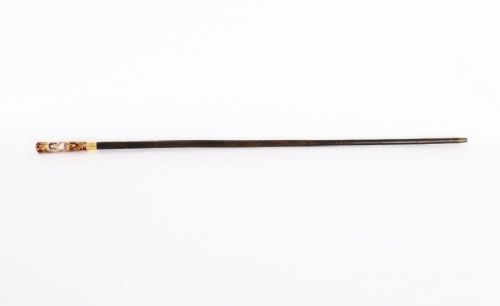
Makers such as Brigg and Wilkinson appear alongside Masonic, military officers, and French Sevre porcelain decorated items, demonstrating the broad spectrum of forms from simple crook handles to hammer head grips and root ball handles.
How they were made
Construction relies on durable hardwoods and natural materials such as horn, antler, snakeskin, and leather to encase the internal steel blades securely. Metal components like silver and gold coloured mounts, collars, and knops reinforce the joints and handles.
Blades are forged from steel, including Toledo and Wilkinson steel, and fitted with mechanisms such as button releases to secure the concealed weapon within the wooden shaft. Artisans shaped handles from root ends, crook shapes, and porcelain, sometimes adding intricate etching to the steel blades.
One French piece conceals its blade beneath snakeskin and an antler handle, proving that nature's camouflage was popular for personal defence.
What varies in quality
Quality differentiates through the origin and reputation of the blade maker, such as Wilkinson or Toledo, and the precision of the release mechanism. Superior execution is evident in the seamless fit of the shaft and the quality of silver or gold mounts.
The choice of materials, from standard hardwoods to malacca, rosewood, and detailed animal horn or snakeskin coverings, marks the tier of the piece. Finer examples combine robust construction with distinguished maker marks, London hallmarks, and decorative mounts like porcelain.
Brigg·Wilkinson
The Antique Concealed Weapons Glossary
- Sword stick
- A walking stick containing a concealed metal blade within its shaft. It serves as a dual-purpose item for walking support and personal defence.
- Malacca
- A type of rattan cane known for its mottled brown finish and jointed surface. It is frequently utilised for the shafts of traditional walking and sword sticks.
- Knop
- A rounded knob or decorative handle at the top of a stick. Silver and gold coloured knops often ornament the grip.
- Toledo blade
- A steel blade forged in Toledo, Spain, recognised for its historical association with quality sword-making. These blades appear frequently in 19th Century sword sticks.
- Wilkinson blade
- A steel blade produced by the renowned Wilkinson sword-making firm. Collectors prize these signed blades for their superior metallurgical history.
Antique Concealed Weapons: Frequently Asked Questions
How do you release the blade in a sword stick?
Many concealed sword sticks utilise a mechanical button release set near the collar to unlock the internal blade from the shaft.
Once pressed, the blade slides out smoothly from its wooden housing.
What woods were commonly used for these sticks?
Makers utilised a variety of durable timbers including malacca, ebonised wood, cherrywood, partridge wood, hazel, blackthorn, holly, and rosewood.
Exotic additions like bamboo and snakeskin coverings also appeared on specific pieces.
How can you tell a Victorian sword stick from an Edwardian one?
Dating relies on stylistic markers, hallmarks on silver mounts, and the specific period attributes recorded in the piece descriptions.
Victorian examples often feature heavier silver mounts or porcelain details, while Edwardian pieces commonly pair malacca with Wilkinson blades.
Were these weapons used by the military?
Military officers frequently carried specialised walking sticks and swagger sticks that housed hidden blades.
These items combined official uniform accessories with personal defence utilities.