

Antique Companion Stand
An antique companion stand gathers domestic tools in one place, bringing order to the hearth, the desk, or the smoking room.
Antique Companion Stand
When you search for an antique companion stand, you encounter a varied group of utilitarian objects designed to hold tools for the fireplace, the desk, or the smoking room. These pieces appear across several eras, including the Victorian, Edwardian, and Art Deco periods, spanning the nineteenth and early twentieth centuries.
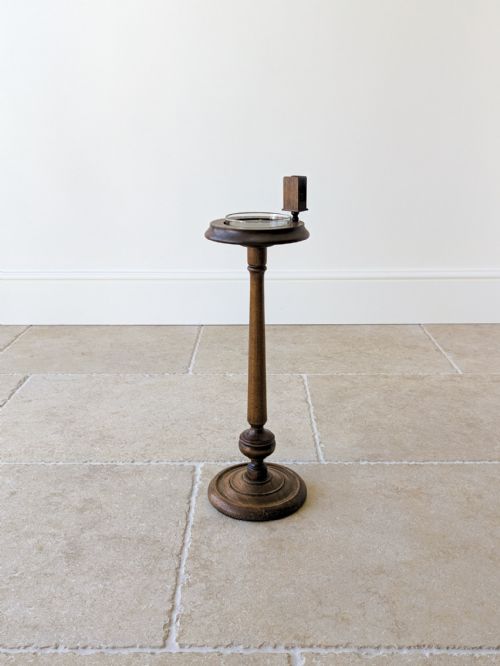
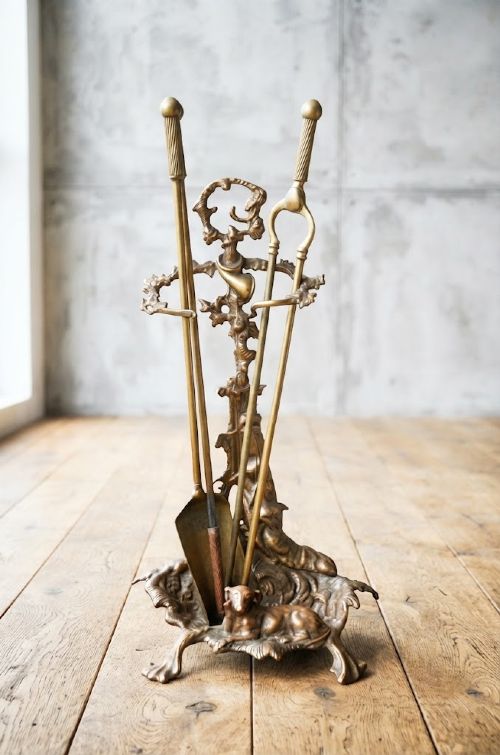
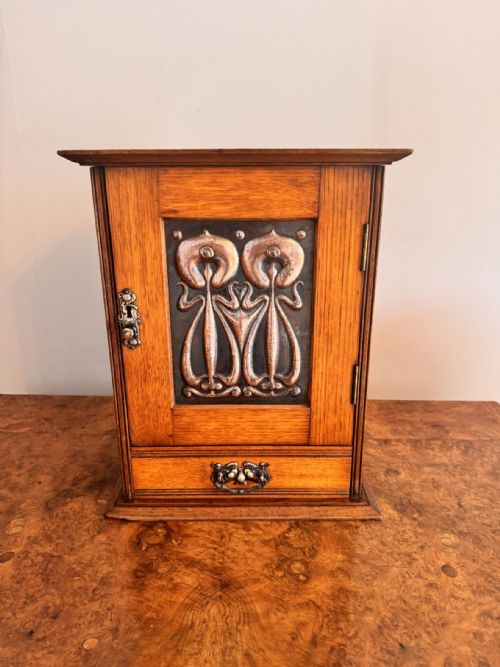
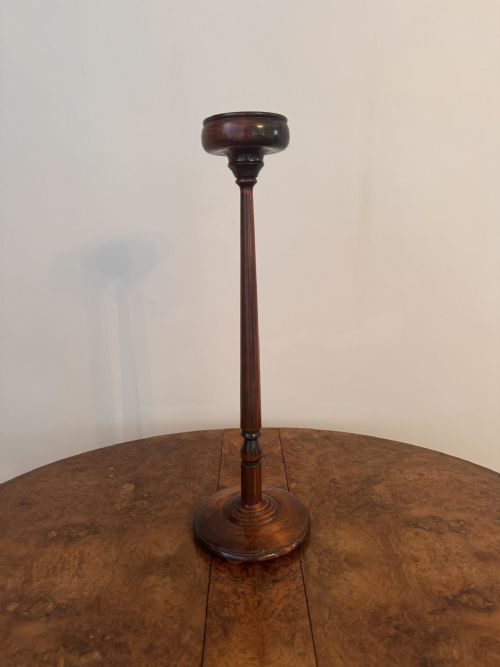
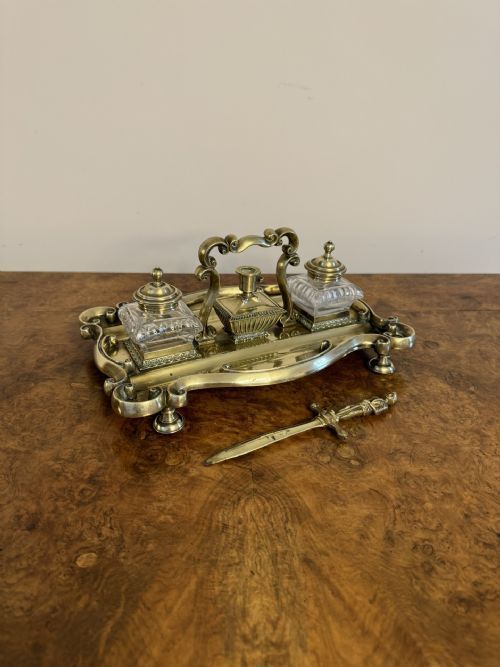
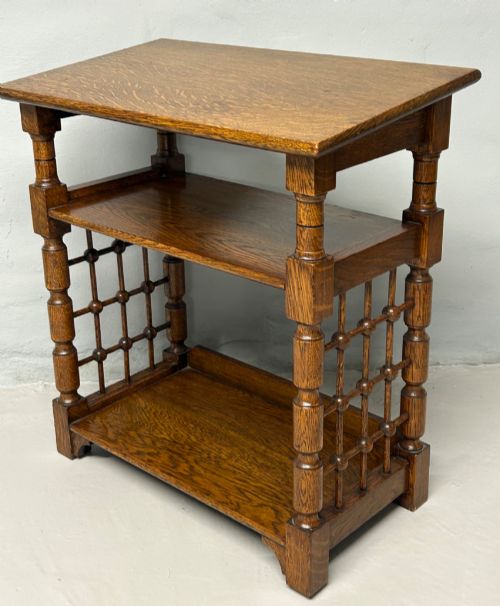
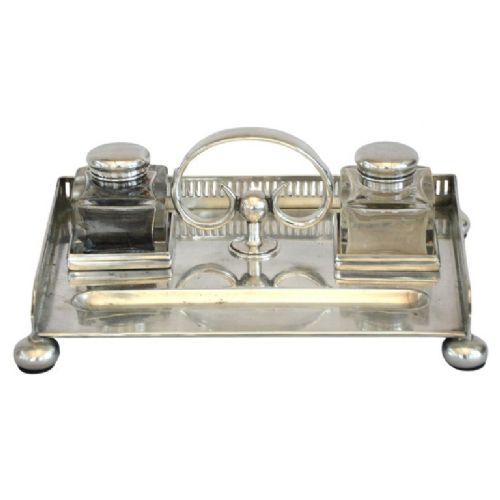
The domestic role of these stands determines their form, whether floor-standing smoking cabinets with cigar holders, heavy brass fireside sets with tool rests, or tabletop desk stands fitted with glass inkwells. Walnut, mahogany, oak, and brass dominate the domestic interiors of these origins.
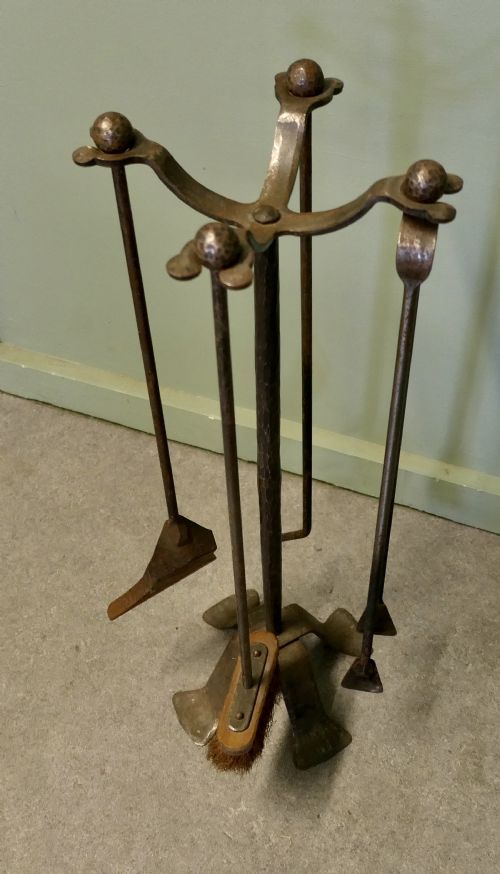
Floor-standing smoking stands and heavy iron or brass fireside companions represent the most common versions met on this page, reflecting the daily habits of Victorian and Edwardian households.
How they were made
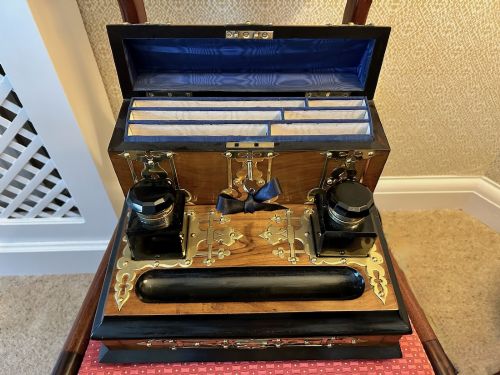
Cabinet makers utilised dense hardwoods such as mahogany, walnut, oak, and coromandel, often incorporating brass mounts, tortoiseshell, or mother of pearl inlay to elevate the appearance of desk stands and smoking cabinets.
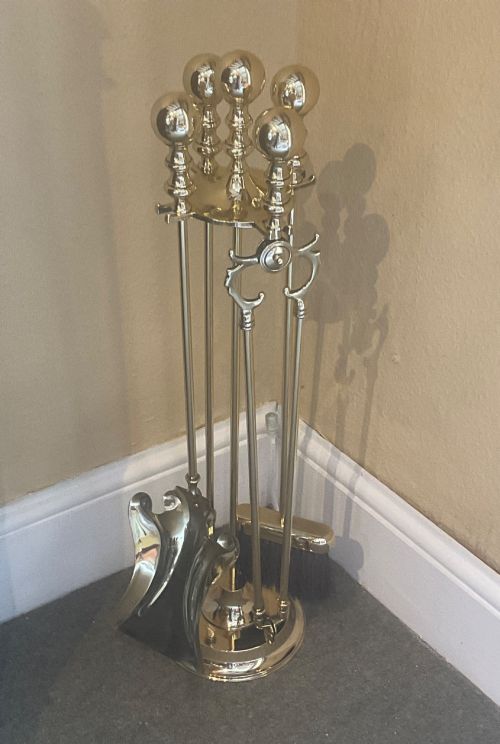
Metalworkers employed cast iron, brass, and painted metal for hearth equipment and fireside companions, frequently combining steel tools with heavy brass stands or incorporating detailed hunting scenes and figural casts.
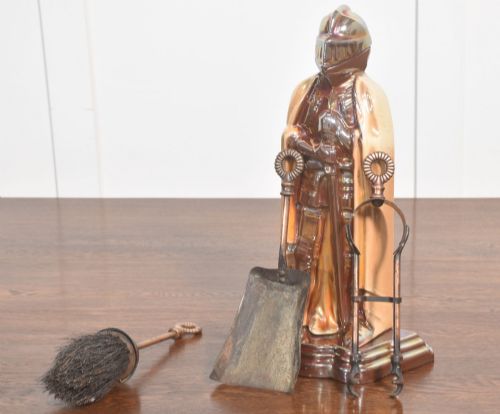
A cast iron knight stands guard over nineteenth-century hearth tools, ready to defend the mantelpiece from stray sparks.
What varies in quality
The standard of a companion stand rests on the weight of its materials and the precision of its assembly. Solid timbers, substantial brass components, and intact original glass inkwells separate superior items from lighter, utilitarian alternatives.
Decorative detailing distinguishes better examples, such as intricate carving on ebony and walnut, precise brass inlay on coromandel and rosewood, or finely cast figural elements on fireside companion sets.
Walker And Hall
The Antique Companion Stand Glossary
- Inkstand
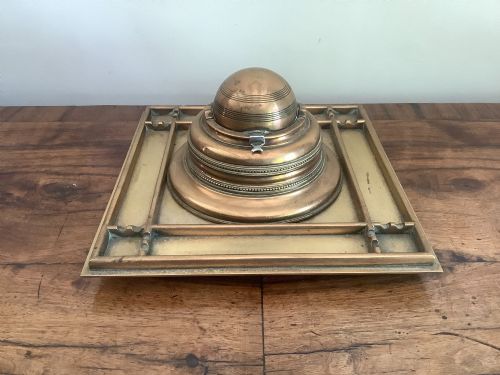
- A portable tray or stand fitted to hold one or more inkwells, sanders, and pen holders for a writing desk. These items often include small drawers for stationery.
- Smoking Stand
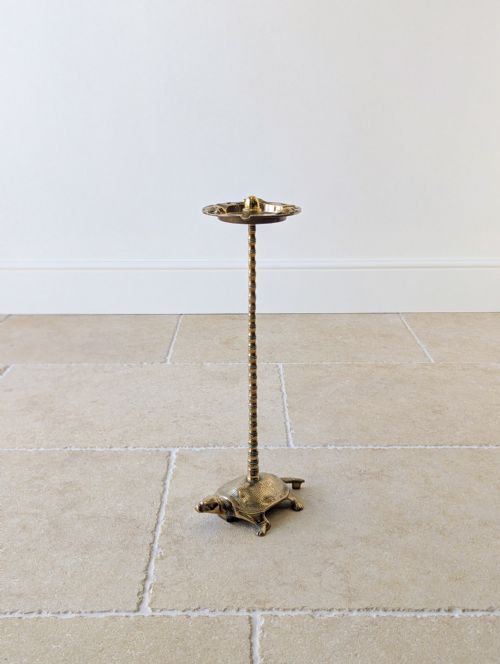
- A floor-standing or tabletop accessory designed to hold pipes, cigars, matches, and ash receptacles. They gained popularity during the Edwardian and Art Deco periods.
- Fireside Companion Set
- A collection of fireplace tools, such as pokers, tongs, and shovels, arranged together on a dedicated stand or resting upon tool hooks by the hearth.
- Companion Stand
- A general frame or holder designed to keep related domestic instruments together, whether for writing, smoking, or tending a fire.
Antique Companion Stand: Frequently Asked Questions
What is an antique companion stand used for?
These stands serve as dedicated holders for functional tools used in daily Victorian and Edwardian life. They organise implements for writing, smoking, or tending the hearth.
Depending on the specific form, a stand keeps inkwells and pens ready on a desk or maintains fire irons and pokers neatly beside a fireplace.
How do I identify a smoking stand?
Smoking stands typically feature built-in receptacles for ash, matchbox holders, and spaces for pipes or cigars. They appear in floor-standing wooden formats or tabletop cabinets.
Many examples date from the Edwardian era through the nineteen-twenties, reflecting the social habits of those decades.
What materials are common in desk stands?
Desk stands frequently utilise figured hardwoods such as mahogany, walnut, coromandel, and rosewood. Makers often embellished these wooden trays with brass mounts and inlaid mother of pearl.
Fitted glass inkwells with brass collars are standard components of nineteenth-century desk accessories.
Are fireside companion sets made of iron or brass?
Fireside companion sets utilise both cast iron and brass, occasionally combining heavy brass stands with steel tools. Some Victorian versions incorporate decorative painted metal figures or detailed casting.
Heavier sets were engineered to withstand the rigorous daily use of coal and wood fires.