
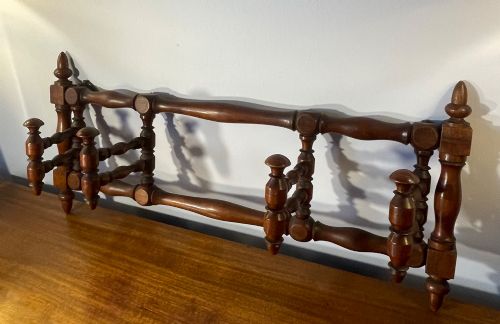
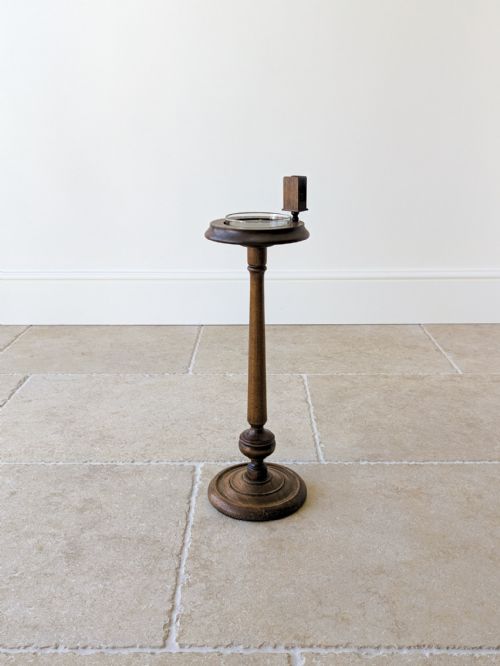
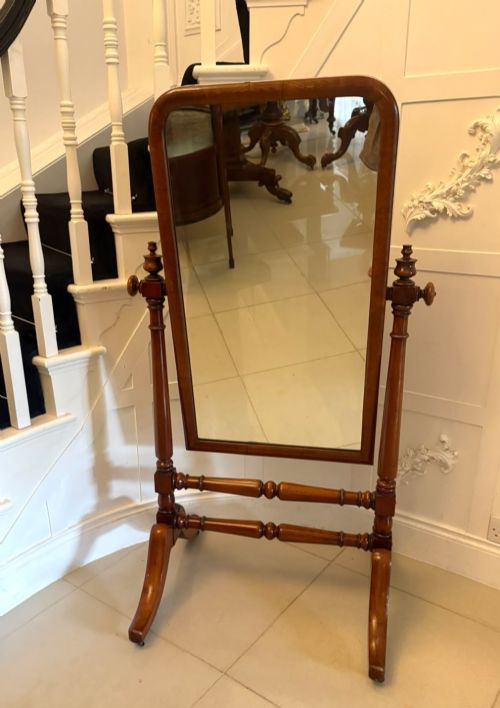
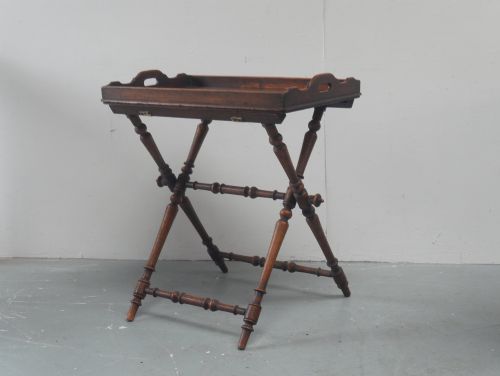
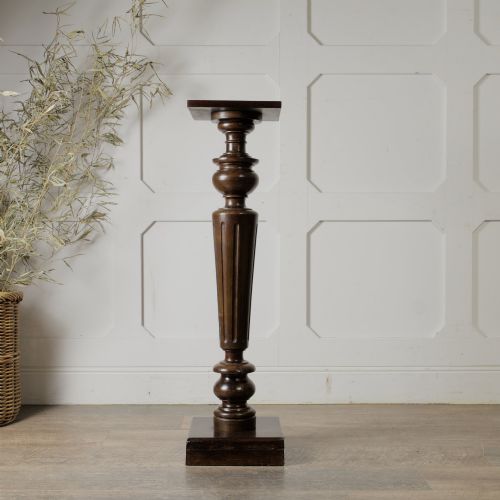
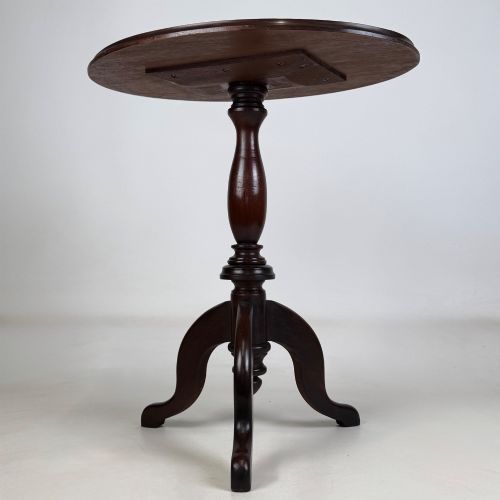
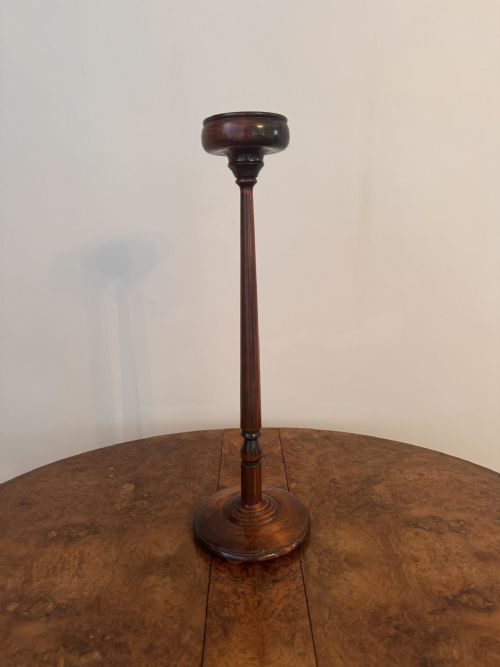
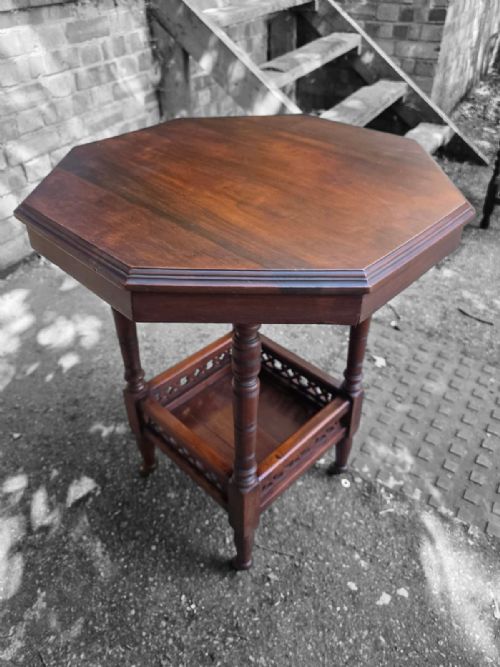


Edwardian Turned Mahogany Stand
When you handle an Edwardian turned mahogany stand, you encounter functional domestic timber work designed for display and daily utility.
Edwardian Turned Mahogany Stand
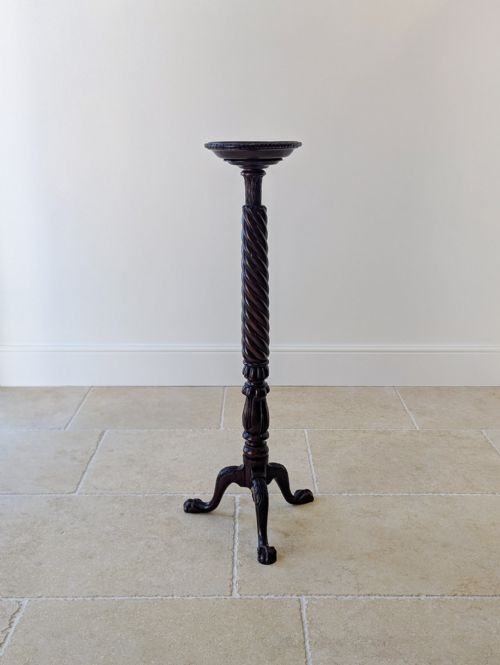
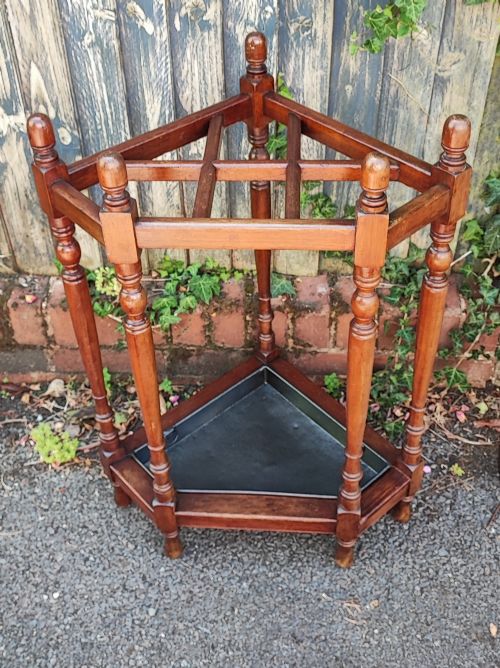
The search phrase edwardian turned mahogany stand covers a specific group of domestic furnishings intended to hold plants, lamps, smoking accessories, or walking sticks within a home. These forms appear across the Edwardian era, alongside related pieces originating in the Victorian period and the early twentieth century.
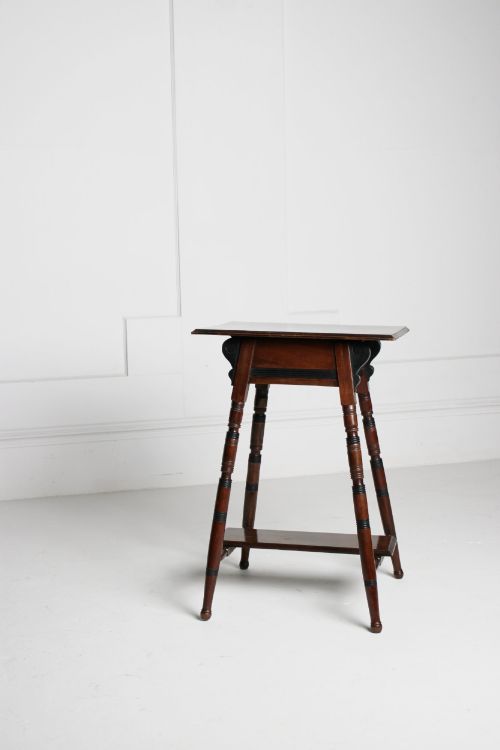
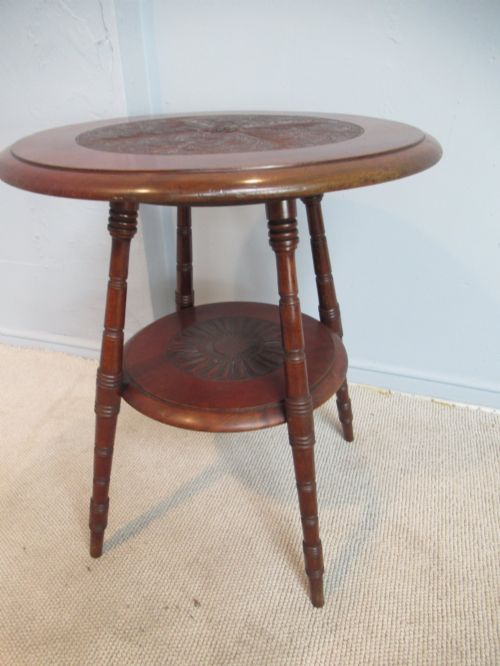
You are most likely to meet occasional tables, torchères, plant stands, and smoking stands constructed during this period. The listings demonstrate that turned supports define the structural framework of these items, pairing vertical timber posts with circular, octagonal, or six-sided tops.
While the material remains predominantly solid mahogany or timber, related forms span side tables, floor-standing holders, and tall plinths. The variety reflects the diverse functional demands of domestic interiors around nineteen hundred.
Assessing quality in turned timber stands
Quality rests upon the crispness of the timber turning and the proportional balance between the base and the top. Superior examples display precise lathe work without soft edges or poorly joined components.
The choice of mahogany grain and the integrity of the structural joints separate standard utility items from finer domestic furnishings. Heavier sections and stable tripod or plinth bases provide the physical weight required for functional longevity.
Periods represented span from the Regency and Victorian eras through the Edwardian period and into the nineteen twenties.
Druce and Co London·Howard and Sons of London
The Edwardian Turned Mahogany Stand Glossary
- Torchère
- A tall ornamental stand designed to support a lamp or candle. These pieces feature slender turned columns and elevated tops.
- Turned
- Shaped on a lathe by rotating the timber against a cutting tool. This method produces circular mouldings, balusters, and legs.
- Occasional table
- A small movable table intended for specific intermittent uses rather than central dining. They appear with circular, octagonal, or six-sided tops.
- Canterbury
- A low stand featuring partitions for holding papers, magazines, or books. Many sit upon turned legs and castors.
Edwardian Turned Mahogany Stand: Frequently Asked Questions
What is an Edwardian turned mahogany stand used for?
These stands serve as functional surfaces for lamps, plants, smoking equipment, or decorative objects within a room. Their elevated platforms keep items accessible while occupying minimal floor space.
Domestic interiors relied on them to place lighting or display small ornaments where larger furniture pieces would not fit.
How do I date a turned mahogany stand?
Dating relies on the style of the timber turning, the construction joints, and the overall form. Edwardian pieces often display lighter proportions compared to earlier Victorian counterparts.
Examining the underside and the character of the mahogany timber helps place the object within the late nineteenth or early twentieth century.
What is a torchère stand?
A torchère is a tall, slender stand originally designed to hold a light source or candle. In later periods, they frequently supported electric lamps or floral arrangements.
Their elevated height makes them useful for corner placement and vertical visual emphasis.
Are these stands made of solid mahogany?
The listings show that many pieces utilise solid mahogany or turned wood construction. Some examples incorporate brass fittings or secondary timbers.
Close inspection of the grain reveals whether the timber is solid or veneered over a secondary core.