



Antique Companion Figures
Antique companion figures bring character and presence to a room, taking the form of painted wooden silhouettes, Staffordshire pottery pairs, and cast iron doorstops.
Antique Companion Figures
These pieces encompass a varied group of objects intended to stand in rooms as silent company, from flat wooden silhouette figures to ceramic figures and cast iron doorstops. When searching for antique companion figures, buyers encounter diverse forms ranging from eighteenth-century lifesize dummy boards to Victorian Staffordshire theatrical pairs and heavy iron doorstops.
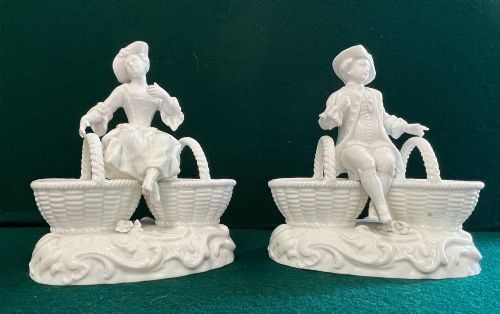
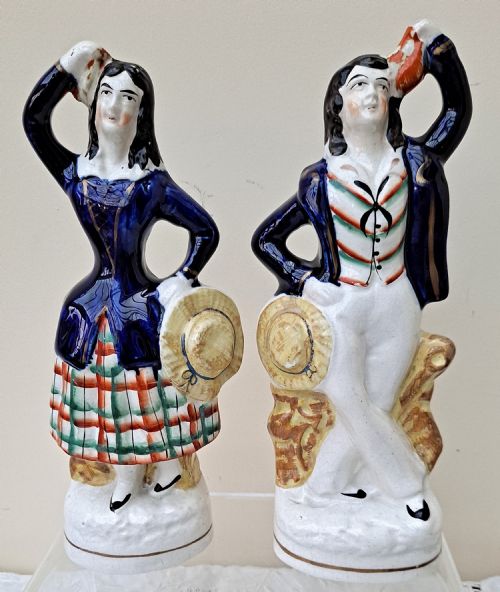
The assortment includes ceramic figures modelled as pairs or theatrical characters alongside painted wooden items like crinoline ladies and gentlemen with animals. Dummy boards serve as flat painted panels cut to human or animal shapes, designed to stand beside fireplaces or in hallways.
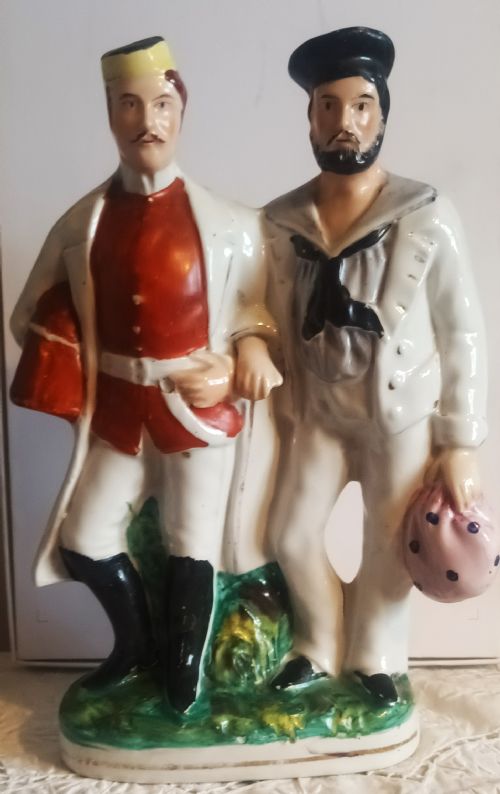
Staffordshire pottery examples often depict named subjects such as theatrical pairs or soldiers, capturing popular culture of the nineteenth century in earthenware. Alongside these, cast iron items function practically while maintaining decorative presence as floor-standing or hearthside figures.
How they were made
Ceramic examples rely on earthenware and porcelain clays, shaped through moulding or modelling before receiving glazes and painted decoration. Cast iron pieces employ metal casting techniques, pouring molten iron into sand moulds to produce heavy utilitarian figures with painted finishes.
Antique Companion Figures Retail Price Guide 2026
Typical asking prices for companion figures among the pieces listed under this phrase on Sellingantiques today, from the lower quarter to the upper quarter. They describe what is for sale here now, not the wider market.
Listings feature items spanning the eighteenth, nineteenth, and early twentieth centuries, including earthenware, cast iron, and painted wood.
What varies in quality
Material integrity affects endurance, particularly in wooden dummy boards where original paint layers and timber condition dictate preservation state. Finer ceramic figures maintain crisp relief in the moulding and clean application of enamel colours without excessive fading or loss.
Meissen
The Antique Companion Figures Glossary
- Dummy Board
- A flat wooden panel cut into the silhouette of a person, animal, or object, painted to deceive the eye from a distance. These pieces typically stood beside hearths or in empty hallways to create the illusion of a person present in the room.
- Staffordshire Pottery
- Earthenware ceramics produced in the potteries of Staffordshire, England, encompassing figures, pairs, and theatrical groups. These utilitarian and decorative objects were modelled for domestic mantelpieces and shelves.
- Cast Iron
- An iron-carbon alloy poured into moulds to create solid, heavy objects such as doorstops and fire stops. This durable material allowed for utilitarian items to take decorative figural forms.
- Enamel
- A vitreous or paint-based coating applied to surfaces to provide colour and protection. On these pieces, enamel finishes create glossy, durable decoration over metal or wood.
- Earthenware
- Porous pottery fired at lower temperatures, commonly used for nineteenth-century figures and theatrical groups. This material required glaze or paint coverage to hold liquids and display decorative colours.
Antique Companion Figures: Frequently Asked Questions
What is a dummy board?
A dummy board is a flat wooden silhouette painted to resemble a person, child, or animal. They were designed to stand by fireplaces or in empty rooms.
Craftsmen shaped pine or other timber panels and painted them by hand to create realistic illusions in domestic interiors.
How were Staffordshire figures used?
Staffordshire pottery figures served as decorative ornaments on mantelpieces and tables in nineteenth-century homes. They frequently depicted theatrical characters, historical pairs, or popular subjects of the era.
Potteries produced these earthenware pieces in moulds, finishing them with coloured glazes and painted details.
Where did people place companion figures?
Owners positioned wooden silhouette figures beside fireplaces, in hallways, or near doorways to mimic human presence. Smaller ceramic pairs and metal doorstops occupied hearths, shelves, and doors.
These objects combined practical functions like holding doors with purely decorative roles in domestic spaces.
How do I identify eighteenth-century pieces?
Eighteenth-century examples often manifest as lifesize wooden dummy boards depicting gentlemen, ladies, or animals with period attire. Construction methods rely on heavy timber panels and early paint formulations.
Examining the wood type, cut of the silhouette, and ageing of the paint layers helps distinguish these earlier pieces from nineteenth-century revivals.