


Antique Compact Chest
An antique compact chest delivers clever storage in a modest footprint, suiting tight spaces with centuries of craft.
Antique Compact Chest
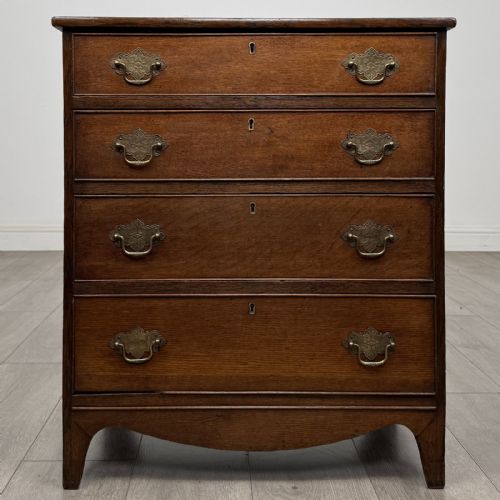
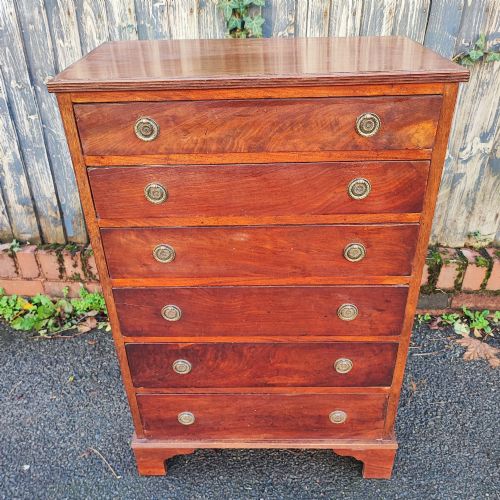
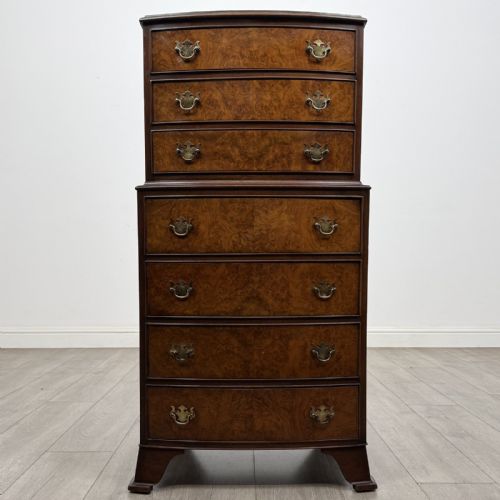
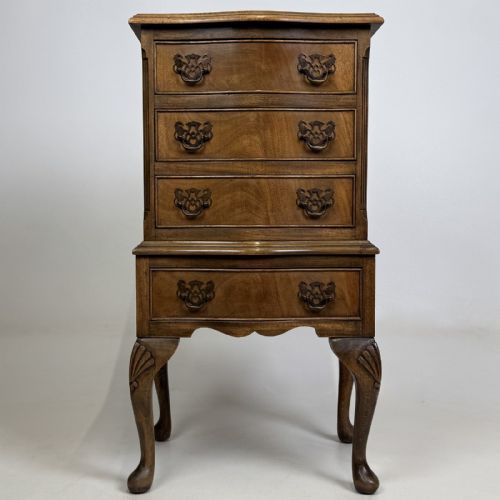
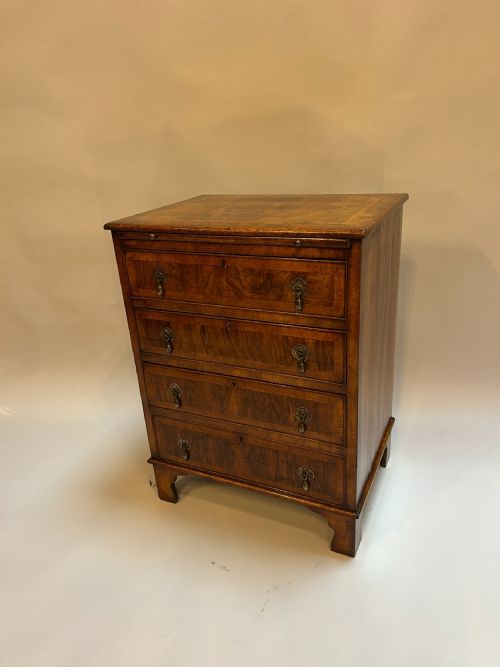
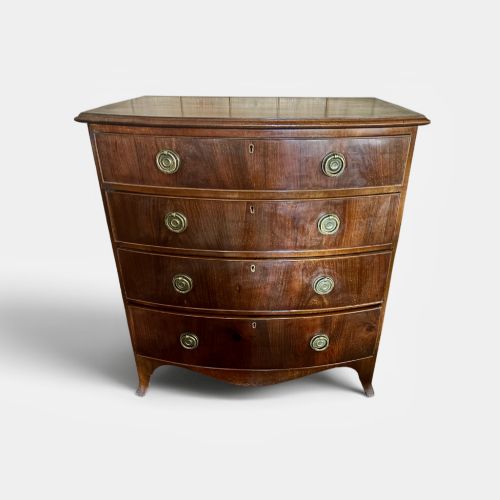
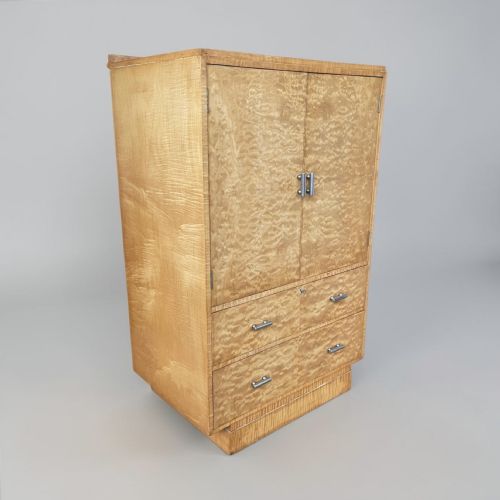
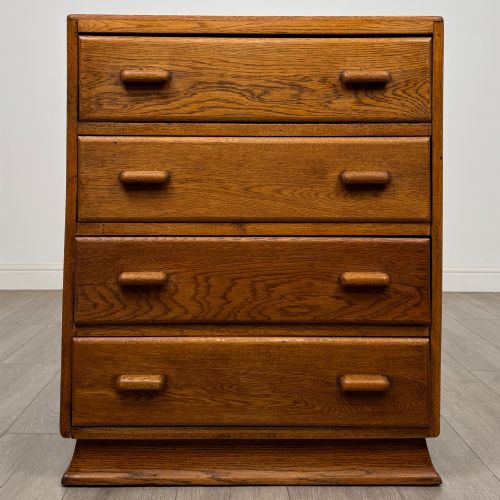
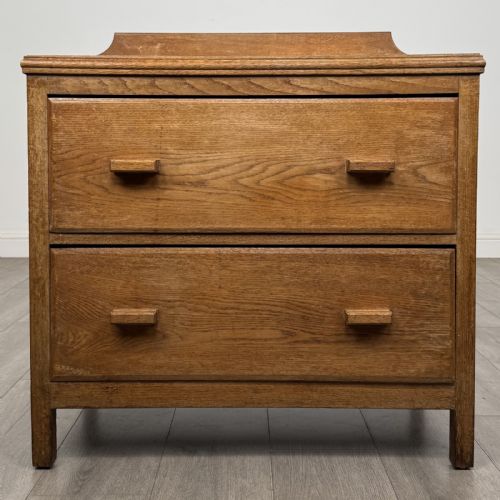
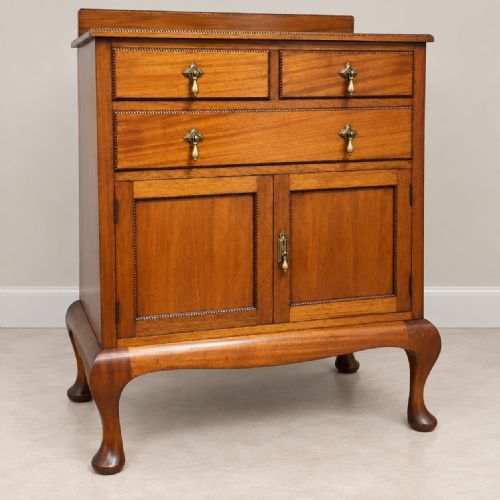
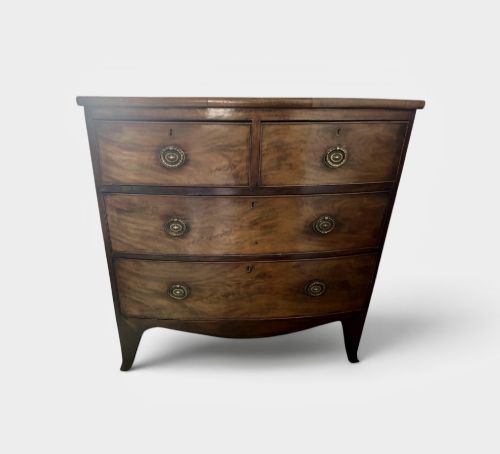
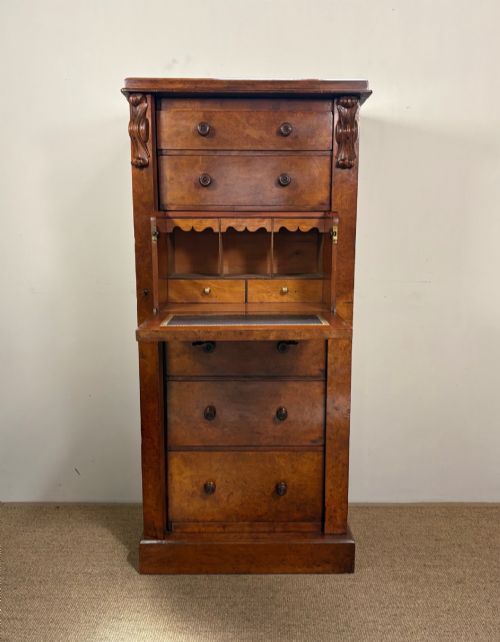
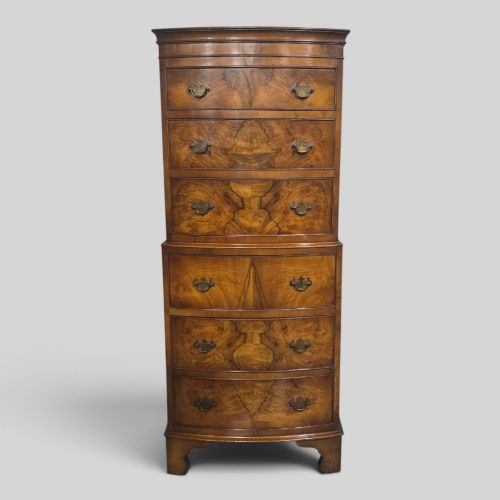
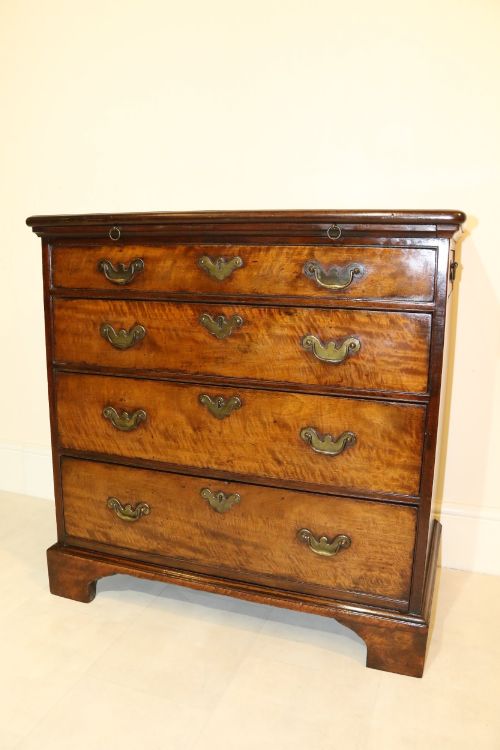
An antique compact chest groups together smaller storage furniture designed to maximise capacity in limited domestic spaces. The pieces range from Georgian bachelor chests and Wellington chests to Edwardian dressing chests and Art Deco tallboys.
Mahogany and walnut appear frequently across the periods, shaped into chests of drawers, tallboy cabinets, and writing chests. The selection also includes oak, rosewood, and yew wood items built with smaller proportions.
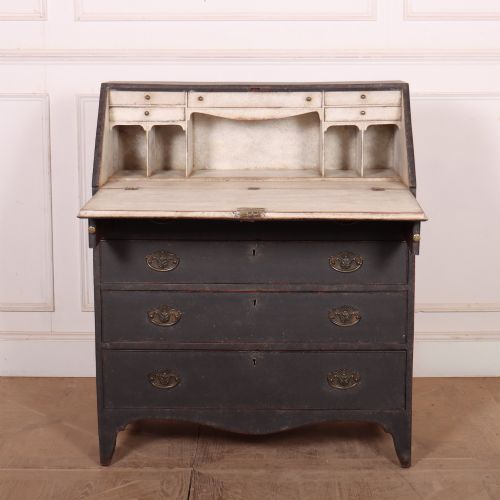
Georgian and Victorian examples share floor space with Edwardian and 1930s pieces, offering varied heights and drawer arrangements. Buyers regularly encounter bow fronts, serpentine shapes, and fitted secretaire compartments within this group.
Materials and construction
Cabinetmakers utilised solid timbers and figured veneers, choosing mahogany, walnut, and oak for their structural strength and grain patterns. Drawer linings often employ secondary softwoods, joined with traditional techniques suited to smaller dimensions.
Surface treatments rely on French polish, natural wax, and occasional specialised finishes like scumble paint to protect the wood. Brass hardware, including drop handles and escutcheons, secures the functional joints and drawers.
Antique Compact Chest Retail Price Guide 2026
Typical asking prices for compact chest among the pieces listed under this phrase on Sellingantiques today, from the lower quarter to the upper quarter. They describe what is for sale here now, not the wider market.
Mahogany and walnut dominate the listed items, spanning 18th century pieces to 1930s Art Deco designs.
Judging the standard
The degree of figuring in veneers and the crispness of carved details set individual pieces apart. Matching timber grains across drawer fronts indicate greater care during assembly.
Original hardware, sound drawer construction, and stable timber movement distinguish superior examples from heavily altered pieces. Proportion and balance define the visual success of smaller scaled chests.
The Antique Compact Chest Glossary
- Bachelor's chest
- A small chest of drawers featuring a fold-over top or sliding shelf used for writing. These versatile pieces date predominantly from the Georgian period.
- Wellington chest
- A tall, narrow chest of drawers secured by a locking side flap that bars access to all drawers simultaneously. The design originated in the nineteenth century.
- Tallboy
- A tall chest formed by stacking one chest of drawers upon another, or built as a single tall cabinet. This form maximises vertical storage.
- Serpentine
- A curved cabinet front featuring a convex centre flanked by concave ends. This shaping requires advanced woodworking skill.
- Secretaire
- A desk disguised as a chest of drawers, containing a drop-down writing surface and small internal compartments. It combines workspace with standard drawer storage.
Antique Compact Chest: Frequently Asked Questions
What defines a compact chest?
These pieces provide storage through reduced dimensions, designed to fit smaller rooms without sacrificing drawer capacity. They encompass various forms from different eras.
Examples include shallow Georgian chests, narrow Wellington cabinets, and tall Art Deco designs built for restricted spaces.
How do I date an old chest?
Dating relies on observing timber choices, construction methods, and hardware styles across periods. Georgian pieces often display bracket feet, while Victorian items feature bolder proportions.
Secondary woods inside drawers and the presence of hand-cut joints offer further clues to the manufacturing era.
Where should I place one?
Their modest footprint allows these chests to function effectively in hallways, bedrooms, and studies where floor space is limited. They serve well for linen, paperwork, or general storage.
Placing them away from direct heat sources protects the timber and historic polishes from drying out.
Are these pieces suitable for daily use?
Solid construction and sturdy drawers make most examples practical for modern storage needs. Routine dusting and occasional waxing keep the surfaces maintained.
Smooth drawer runners and secure locking mechanisms ensure they operate reliably in everyday settings.