




Antique Commode Stool
An antique commode stool is a functional seat concealing a sanitary chamber, prized by collectors for its clever dual-purpose craftsmanship.
Antique Commode Stool
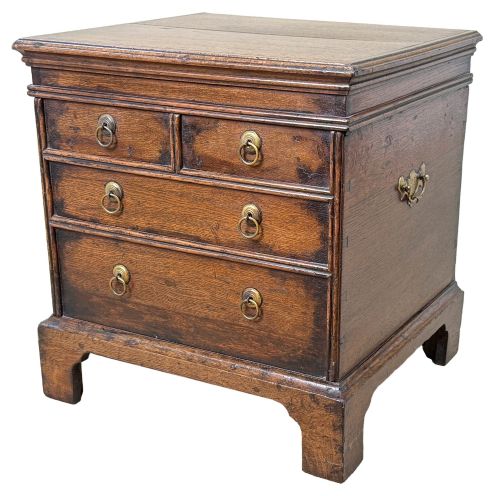
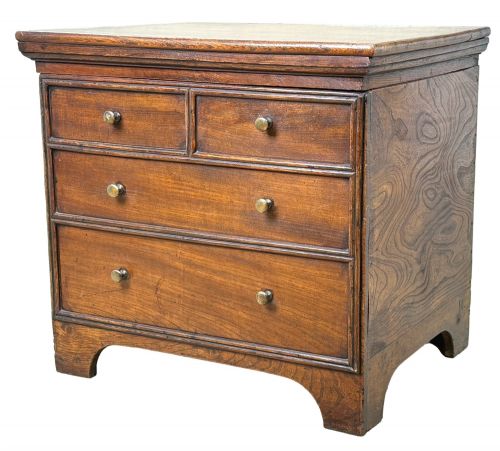
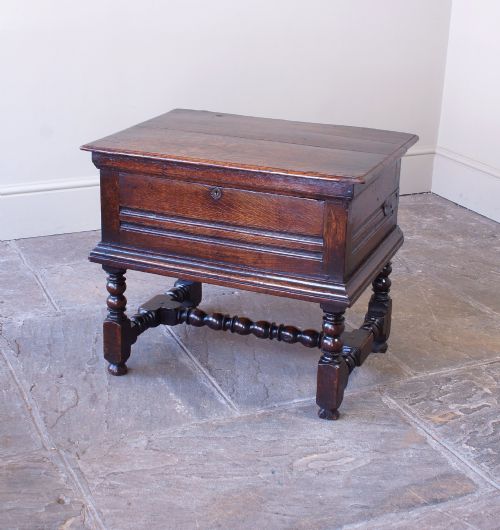
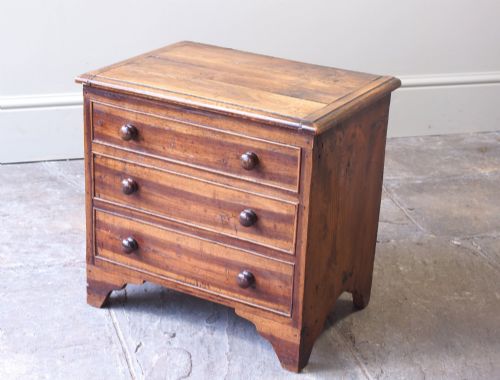
An antique commode stool provides a discreet sanitary solution disguised as standard domestic seating or a small cabinet. The selection encompasses forms ranging from early seventeenth-century oak box stools to refined Georgian bedside chests and Regency mahogany step commodes.
Makers designed these items to blend seamlessly into period bedchambers before modern plumbing existed. Buyers encounter primitive vernacular pieces alongside sophisticated mahogany and satinwood examples from the eighteenth and nineteenth centuries.
Materials and construction
Cabinetmakers utilised robust native timbers such as oak, elm, walnut and mahogany to construct the structural frames and concealed housings. Joinery methods varied from early pegged framing to refined dovetailing found in later bedside cabinets and step commodes.
Hardware details typically included brass handles and hinges for lifting lids and cabinet doors. Secondary linings incorporated leather or iron where necessary to support the functional interior elements.
Object variations include armchairs, bedside cabinets, box stools, and functional bed steps concealing interior compartments.
Grading quality and execution
Quality rests upon the integrity of the timber selection and the sophistication of the cabinetmaker's carpentry. Early rustic pieces display simple peg construction, whereas Georgian and Regency iterations reveal precise joinery and superior veneer work.
The degree of ingenuity in concealing the internal compartment separates standard items from exceptional examples. Pieces that successfully integrate steps, armchairs, or bedside chest facades demonstrate higher design ambition.
The Antique Commode Stool Glossary
- Close stool
- A portable seat containing a concealed chamber pot or pan. This term frequently describes early oak and elm box forms from the seventeenth and eighteenth centuries.
- Commode chair
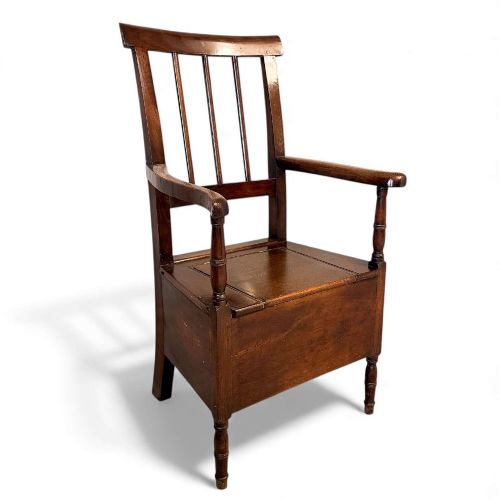
- An armchair adapted with a perforated seat above a concealed receptacle. These items often mimic standard seating to maintain privacy in period rooms.
- Bed steps
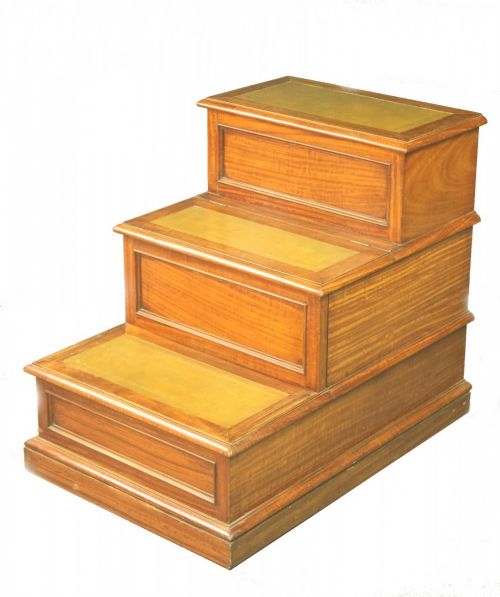
- A set of portable steps used to reach high nineteenth-century beds, frequently incorporating a commode compartment within the lower step. Regency examples often showcase fine mahogany construction.
- Box stool
- A rigid wooden seat with a lifting lid enclosing a storage or sanitary cavity. Seventeenth-century versions display robust vernacular framing.
- Satinwood
- A lustrous timber utilised for fine decorative furniture during the eighteenth and nineteenth centuries. It provides a pale, golden contrasting grain on high-status pieces.
Antique Commode Stool: Frequently Asked Questions
What is an antique commode stool?
An antique commode stool is a piece of period furniture designed to house a chamber pot beneath a lidded seat or cabinet door. They served domestic sanitation needs before indoor plumbing became common.
Craftsmen built them to resemble ordinary armchairs, bedside chests, or sets of bed steps to maintain discretion in bedrooms.
How were commode stools used historically?
Users sat upon the disguised seat to utilise the concealed sanitary receptacle within the wooden frame. Servants emptied and cleaned the interior chambers daily.
In polite company, the closed furniture doubled as standard seating, bedside tables, or library steps.
How do I date an antique commode stool?
Dating relies upon timber choice, construction techniques, and prevailing stylistic periods visible in the framework. Seventeenth-century examples typically utilise heavy pegged oak, whilst eighteenth and nineteenth-century pieces feature mahogany, walnut, or satinwood.
Secondary characteristics like brass hardware and dovetailing also indicate the likely decade of manufacture.
Where should I place a commode stool in a modern home?
These items function effectively as bedside tables, hallway seating, or decorative accent furniture in a traditional interior. The lifting lids provide practical hidden storage for household items today.
Their compact footprints allow them to fit easily into smaller rooms as historic conversation pieces.