



Antique Column Capital
An antique column capital brings classical architecture indoors, offering sculptural presence and historical weight that anchors a room.
Antique Column Capital
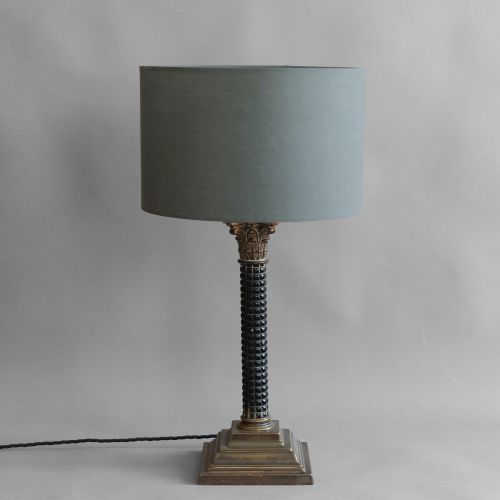
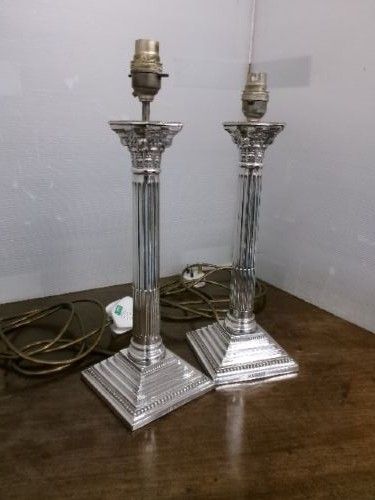
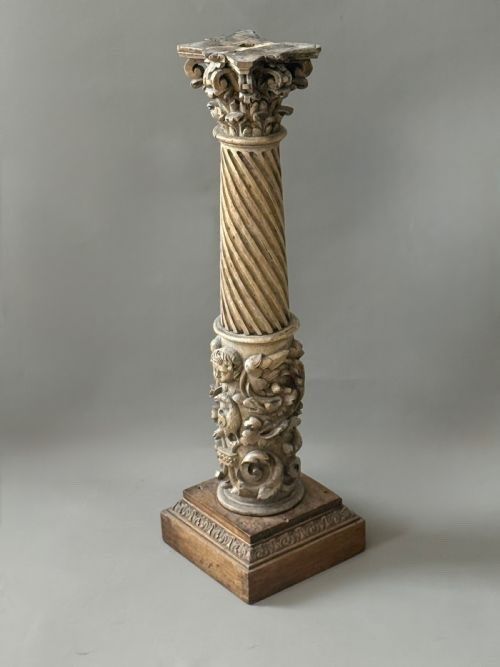
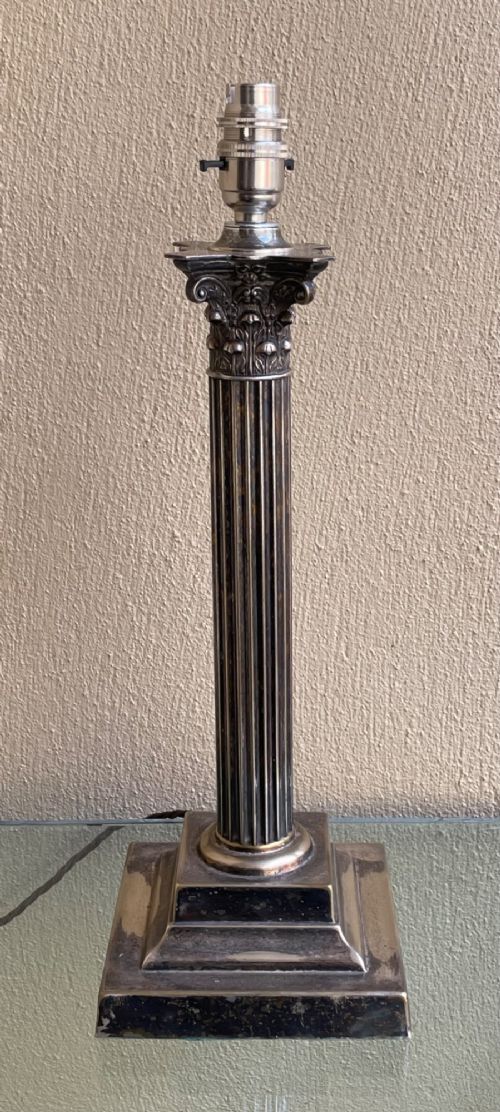
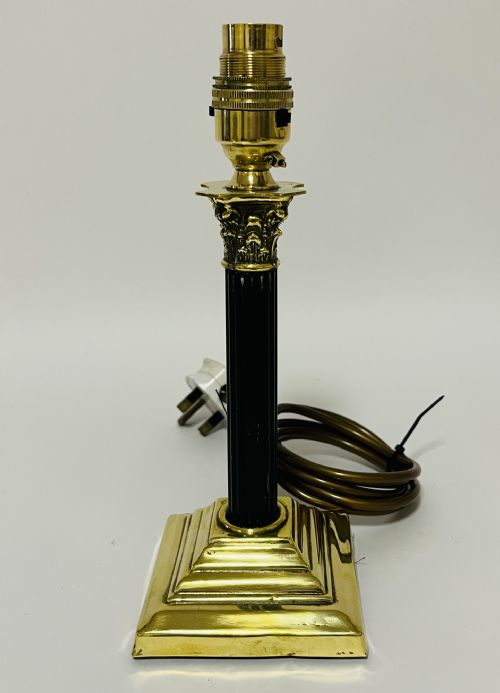
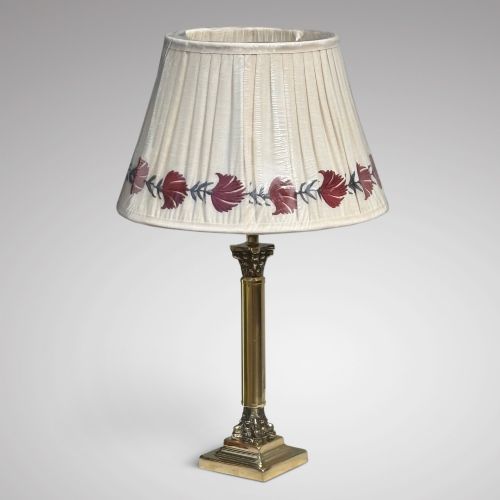
When you search for an antique column capital, you encounter architectural elements, pedestals, candlesticks, and table lamps adapted from classical buildings. The listings show forms ranging from salvaged stone and carved wooden capitals to brass and silver plated Corinthian table lamps.
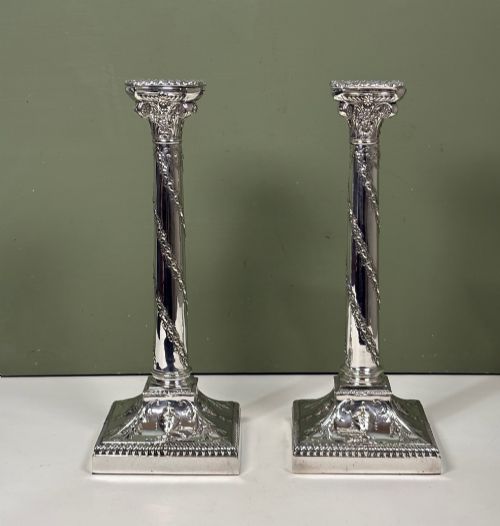
The version you are most likely to meet on this page is the Corinthian column table lamp in brass or silver plate, alongside carved wooden or stone capitals and pedestals dating from the nineteenth century. These pieces draw on Neoclassical, Victorian, and Edwardian revivals of ancient Greek and Roman designs.
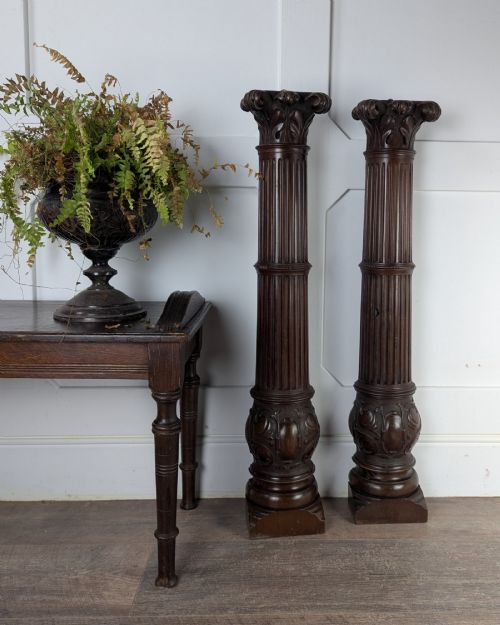
The selection also includes seventeenth-century carved wooden pillars, eighteenth-century Italian capitals, and nineteenth-century limestone pieces designed to support structures or display objects. Table lamps dominate the current offerings, converting architectural shafts and capitals into functional lighting.
Materials and construction methods
Metal items rely on brass, silver plate, or patinated bronze, often cast in sections and combined with glass reservoirs or ormolu mounts. Makers utilised electroplating on base metals for silver-plated candlesticks and table lamps during the Victorian and Edwardian periods.
Wood pieces feature carved mahogany, oak, pine, and hardwood, showing hand-carved acanthus leaves and fluting on capitals and columns. Stone and masonry items comprise carved limestone, marble, and painted plaster, reflecting architectural salvage and classical masonry techniques.
Some nineteenth-century makers cleverly hollowed out ancient architectural orders just to hold an oil wick and light a Victorian parlor.
Factors of quality and execution
Quality rests upon the crispness and depth of the carving in wood and stone, or the precision of casting in brass and ormolu. Finer examples display deeply undercut acanthus foliage and balanced proportions that reflect classical architectural rules rather than hurried factory production.
The choice of material and finish dictates the character of the piece, from heavy cast brass and solid hardwoods to thinner silver plating over base metal. Integrity of form, original patination, and the skillful conversion of architectural fragments into lamps separate standard items from superior specimens.
The Antique Column Capital Glossary
- Capital
- The uppermost member of a column, serving as a decorative transition between the shaft and the load. Corinthian and Ionic capitals appear frequently in these listings.
- Corinthian
- A classical order of architecture identified by ornate capitals decorated with carved acanthus leaves and small scrolls.
- Ormolu
- Gilded bronze applied as a decorative mount to stone or wood objects, popular in neoclassical and Victorian decorative arts.
- Pedestal
- An upright architectural support or base used to elevate a statue, urn, or lamp, often styled as a classical column.
Antique Column Capital: Frequently Asked Questions
What is a column capital?
A column capital sits at the very top of a column, acting as the decorative head that supports the weight above it. In antique pieces, these are often carved from stone or wood, or cast in metal as part of table lamps and pedestals.
Many surviving pieces isolate the capital itself as an architectural fragment, while others incorporate the capital into the design of candlesticks and lighting.
How do I date a brass column lamp?
Dating relies on manufacturing techniques, weight, and stylistic clues within the cast brass or silver-plated components. Victorian and Edwardian examples often feature weighted bases, cut glass reservoirs, and specific wiring methods.
Examining the patination and the assembly screws provides further evidence of whether a piece originates from the nineteenth century or later.
Where were these capitals used?
Original stone and wooden capitals served structural or decorative roles on the facades and interiors of classical buildings. Salvaged pieces and grand architectural elements originate from European townhouses, civic buildings, and estate interiors.
Later adaptations converted these architectural forms into domestic items like table lamps, torchieres, and mantelpiece candlesticks.
Are these pieces solid brass?
Many table lamps and candlesticks use cast brass, while others consist of silver plating over a base metal foundation. Silver-plated items from the Victorian and Edwardian eras typically employ a durable base metal beneath the electroplated silver layer.
Weights vary depending on whether the column is hollow for electrical wiring or cast with a solid core.
What is the Neoclassical style?
The Neoclassical style draws direct inspiration from the classical art and architecture of ancient Greece and Rome. This aesthetic revival produced symmetrical designs, clean lines, and architectural motifs such as columns, capitals, and pilasters.
Pieces from the nineteenth and early twentieth centuries frequently utilised this vocabulary in furnishings, pedestals, and lighting.