




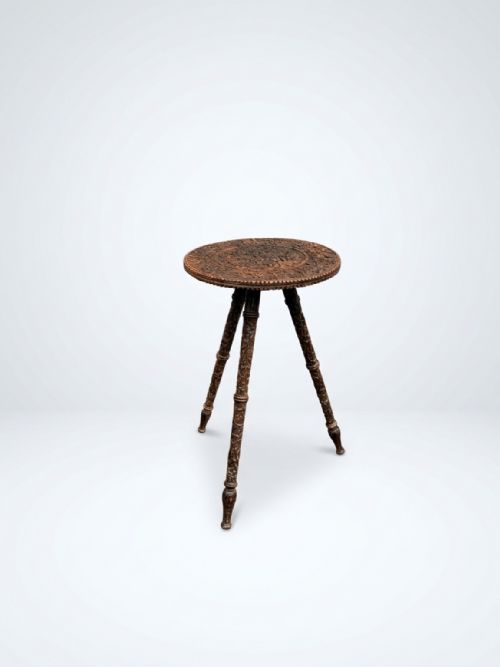
Antique Colonial Table
An antique colonial table brings dense tropical hardwoods and intricate regional carving into domestic interiors with distinct historical presence.
Antique Colonial Table
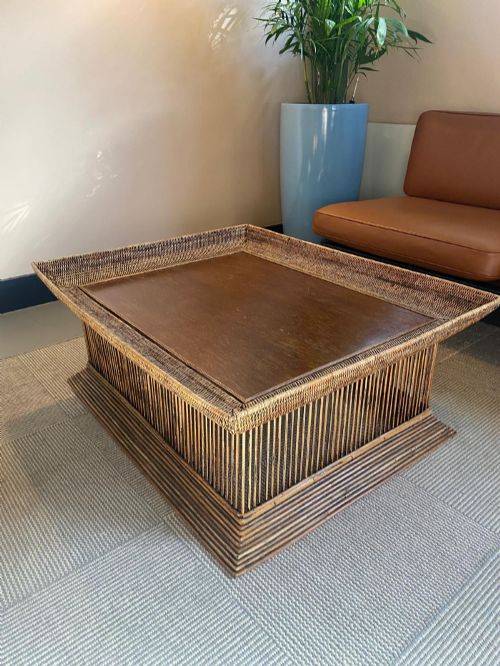
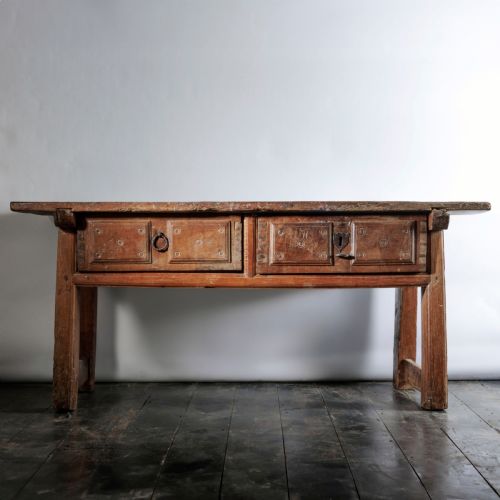
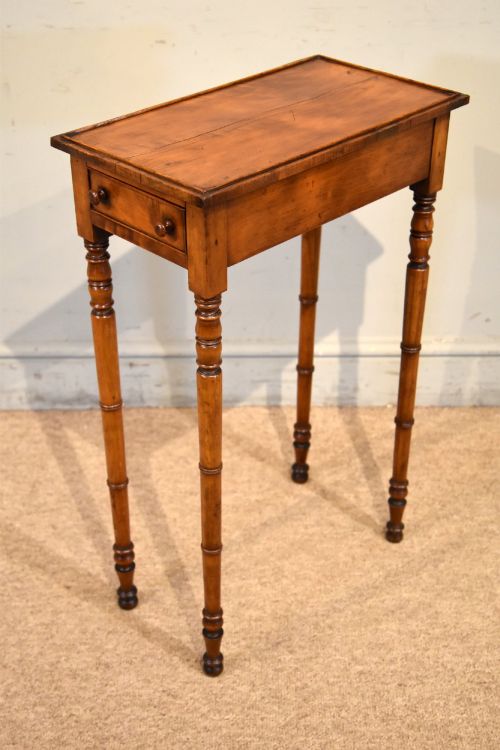
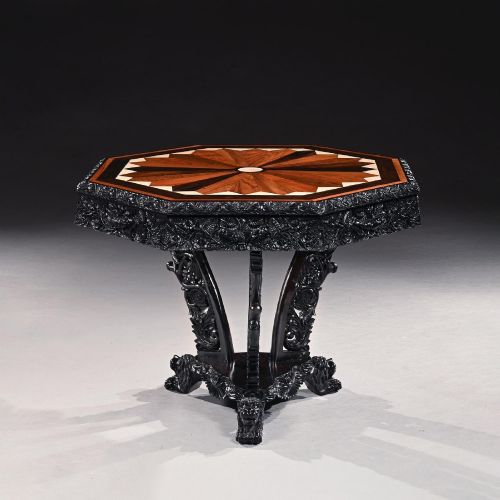
When searching for an antique colonial table, buyers encounter forms that span side tables, occasional tables, coffee tables, and dining tables produced across global trade routes. The pieces recorded on this page range from the 17th century through the Victorian era to the 1920s.
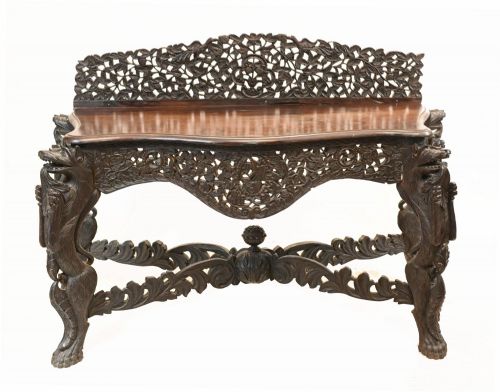
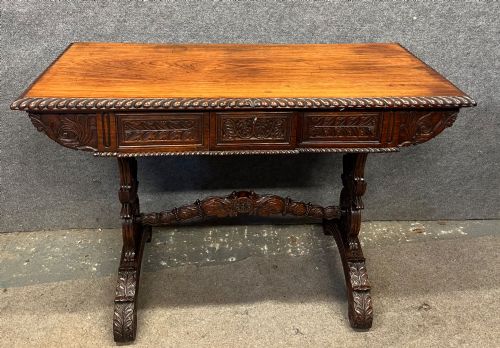
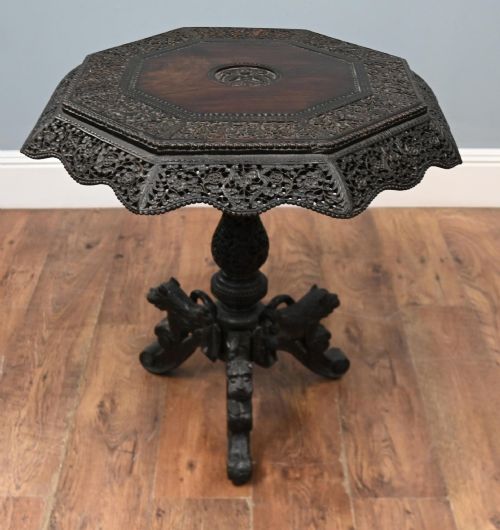
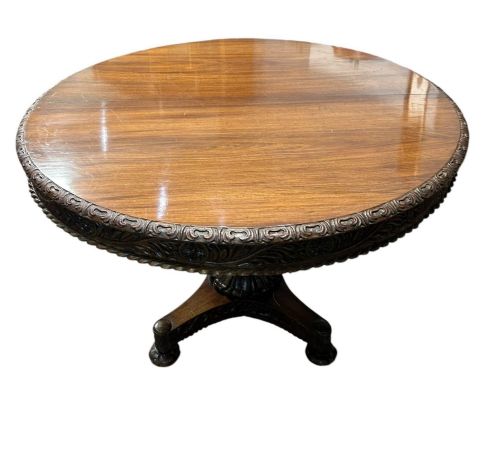
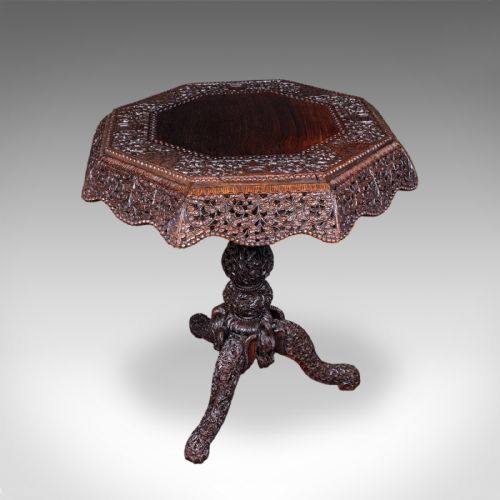
The most common examples on this page are Anglo-Indian and Burmese pieces executed in solid rosewood, teak, or padauk. These incorporate traditional regional styles such as Hoshiarpur inlay, Spanish Baroque, and Ceylonese ebony work.
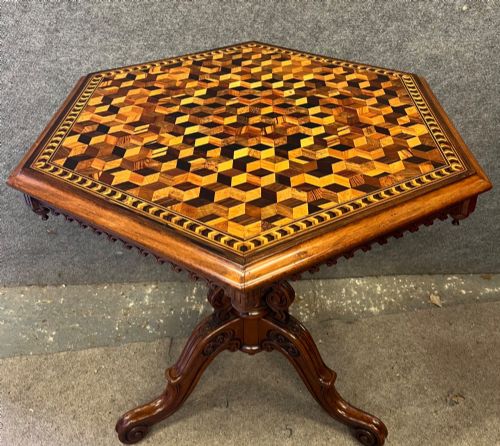
Forms also include Spanish walnut refectory tables, Portuguese rosewood desks, and specimen wood tables from New Zealand and the West Indies. Each object reflects the furniture-making traditions of specific colonial intersections.
Materials and construction
Makers utilised dense exotic timbers including teak, ebony, rosewood, padauk, and walnut to withstand tropical climates and heavy daily use. These woods often display rich natural grain and deep colourations developed over centuries.
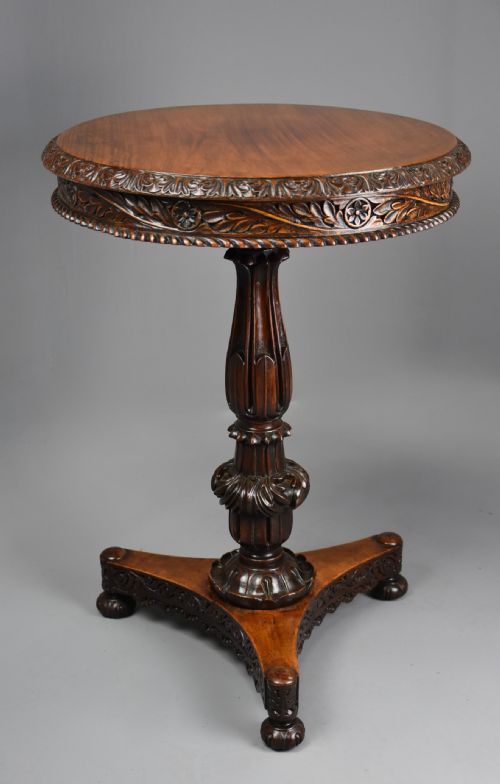
Surface decoration relies on deep relief carving, marquetry, turned elements, and inset brass or copper work. Construction methods range from campaign dismantling designs to pegged solid wood joinery.
Antique Colonial Table Retail Price Guide 2026
Typical asking prices for colonial table among the pieces listed under this phrase on Sellingantiques today, from the lower quarter to the upper quarter. They describe what is for sale here now, not the wider market.
Distinctions in quality
Quality rests in the precision of the hand-carved relief work and the stability of the timber joints. Pieces featuring intricate Hoshiarpur geometric inlay or dense specimen wood marquetry require exceptional skill from the artisan.
The choice of primary material also dictates grade, with solid ebony, heavy padauk, and figured rosewood commanding greater visual depth than secondary utility hardwoods.
Anton Seuffert
The Antique Colonial Table Glossary
- Hoshiarpur
- A style of woodwork originating from Punjab, known for dense geometric marquetry using materials like brass and lighter woods.
- Tilt top
- A tabletop mechanism that allows the surface to pivot vertically for storage or transport when not in use.
- Specimen wood
- Furniture constructed from a variety of distinct timber species arranged to display contrasting natural colours and grain patterns.
- Refectory table
- A long, narrow dining table originally used in monastic refectories, constructed with sturdy legs and central stretchers.
- Campaign table
- Portable furniture designed for military officers, typically featuring folding stands, removable tops, and brass corner reinforcement.
Antique Colonial Table: Frequently Asked Questions
What defines an antique colonial table?
These tables are identified by their mix of European furniture forms and non-European decorative techniques, produced in regions under colonial rule during the 18th and 19th centuries.
They utilise native tropical hardwoods and incorporate local carving styles such as Anglo-Indian relief work or Spanish Baroque influences.
How were these tables used originally?
Many served as tea tables, centre tables, or desks in colonial households, while others functioned as portable campaign pieces for officials on the move.
Their varied forms accommodated everything from formal dining to casual daily writing and entertaining.
How do I care for tropical hardwood?
Keep the wood away from direct heat sources and sudden temperature shifts to prevent the solid timber from splitting.
Apply natural beeswax occasionally to nourish the grain and maintain the deep sheen of the surface.
How are different regional styles told apart?
Regional differences appear in the choice of wood and the style of ornamentation, such as ebony from Ceylon versus teak from Burma.
Inlay types, structural turning, and motifs like carved elephants or geometric patterns point directly to the workshop's geographic origin.