

Antique Coat Rack Stand
When choosing an antique coat rack stand, buyers seek sturdy hallway furniture combining hanging hooks with umbrella holders from the Victorian and Edwardian periods.
Antique Coat Rack Stand
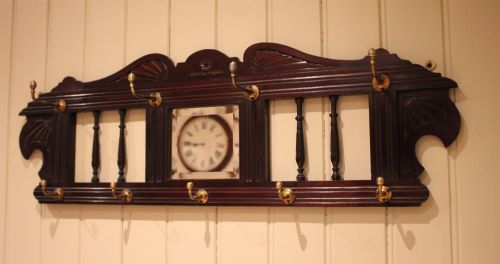
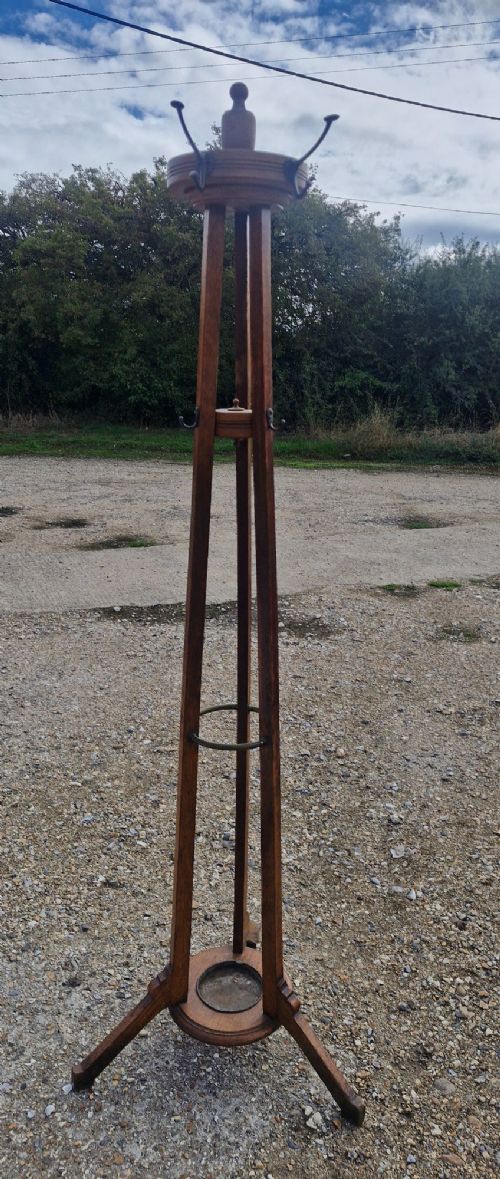
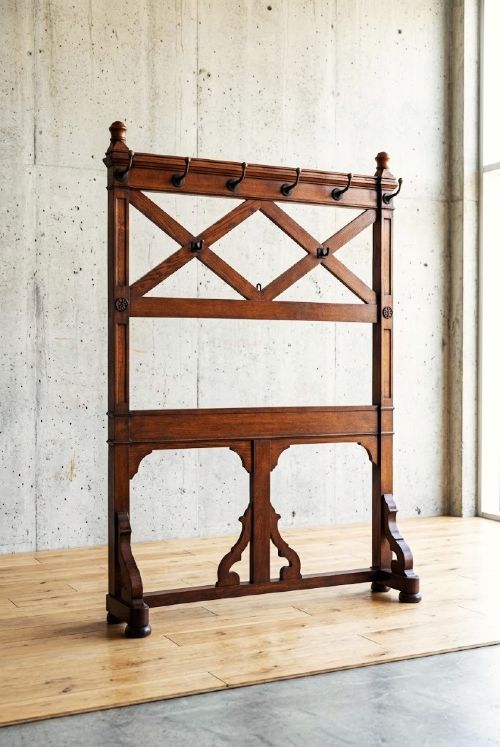
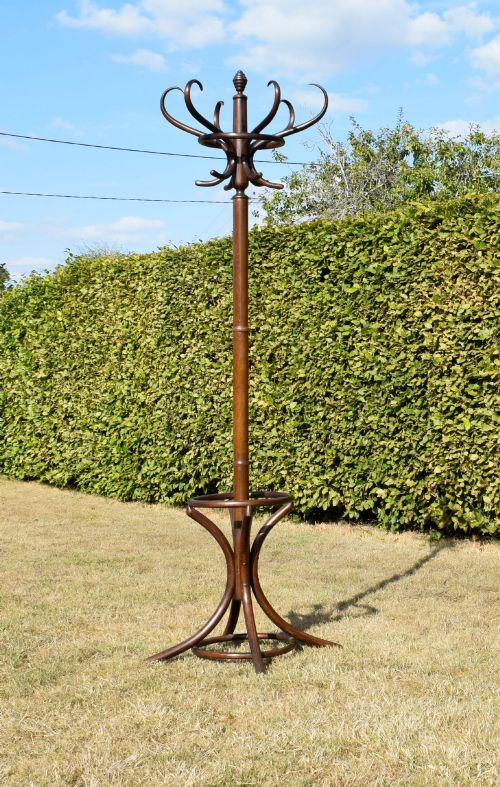
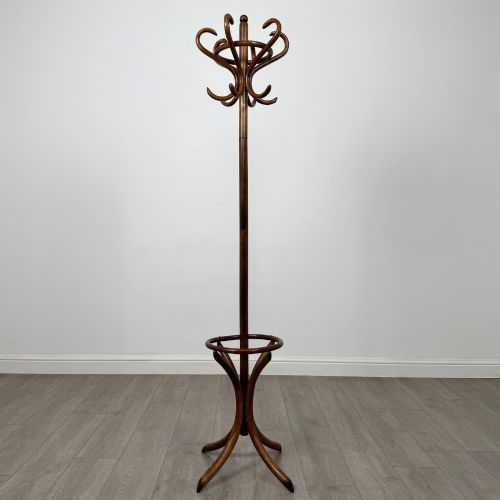
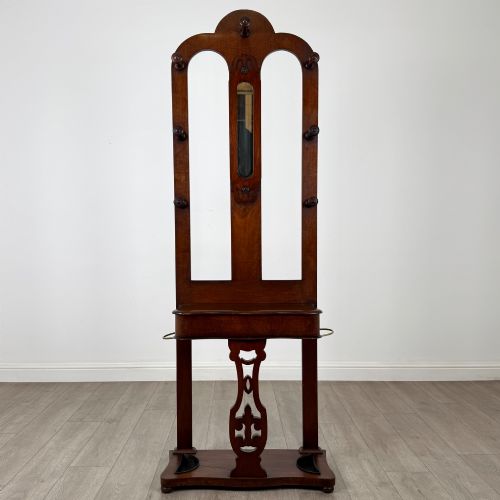
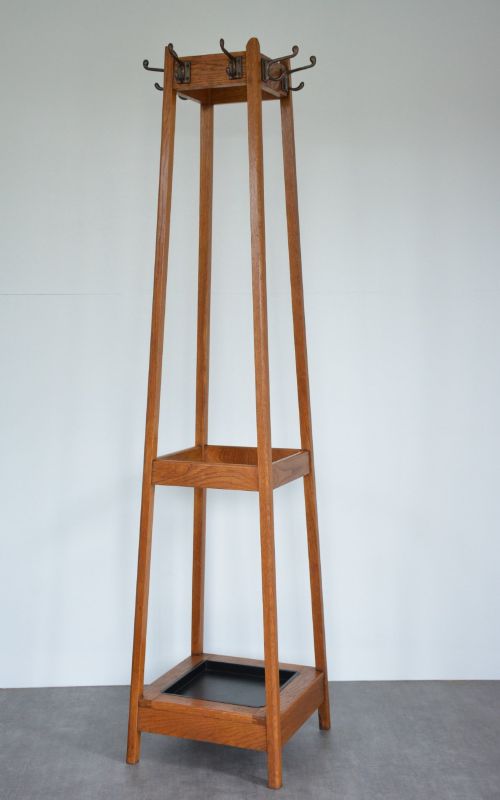
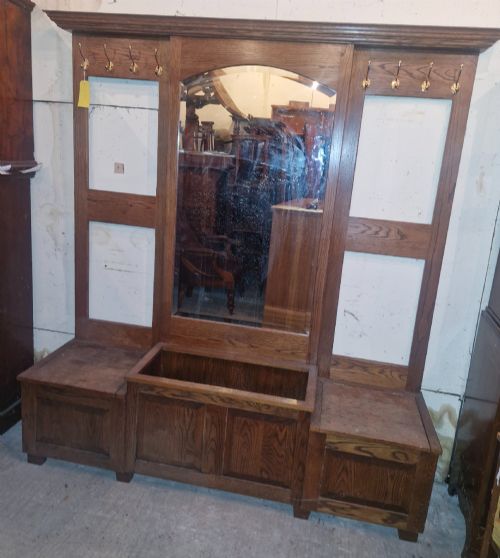
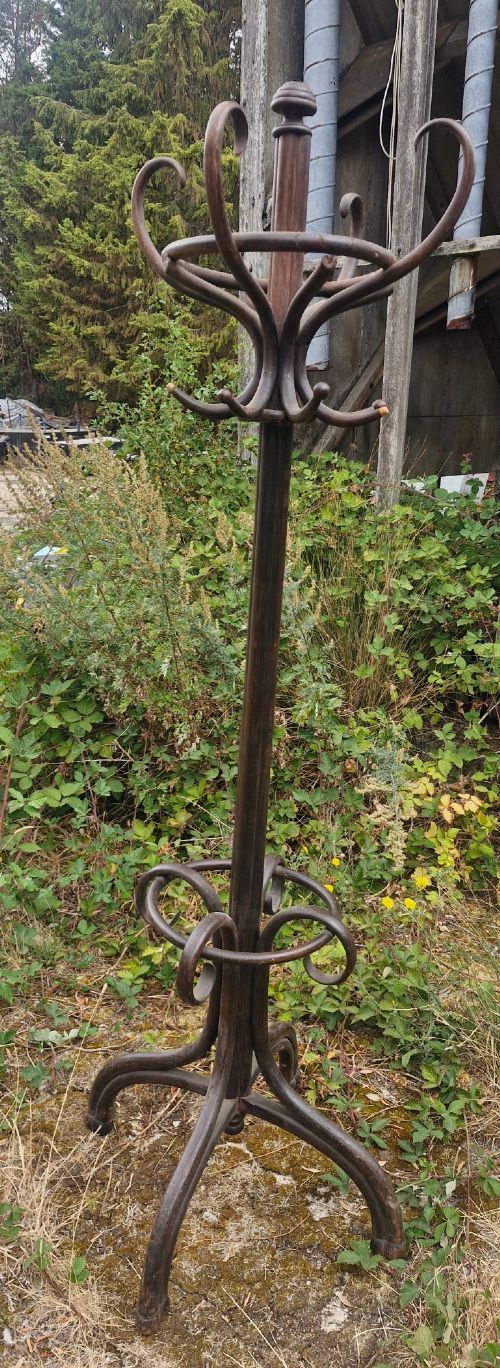
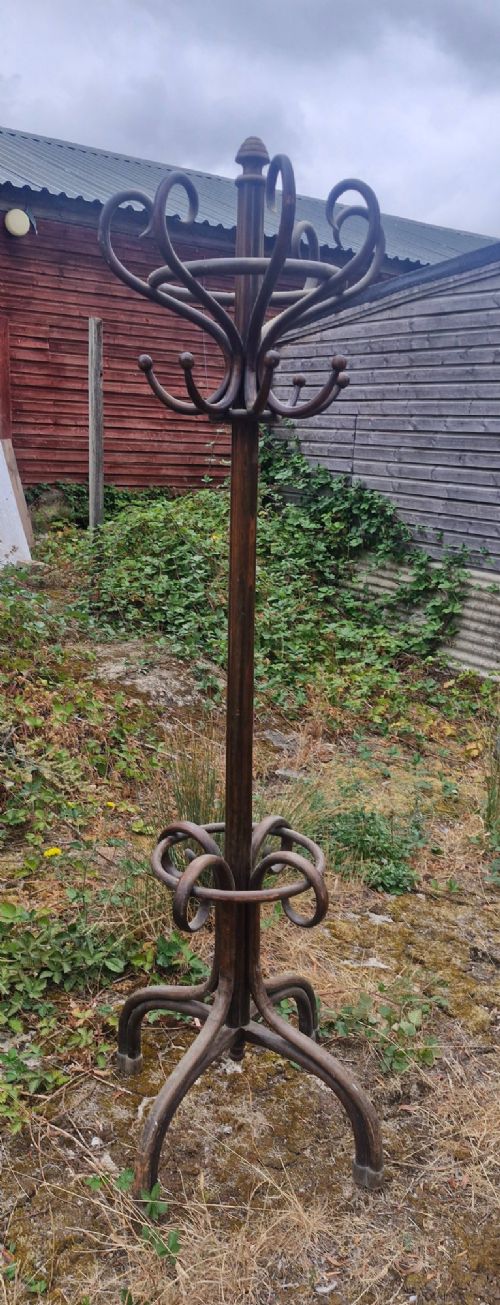
An antique coat rack stand serves as a functional piece of hallway furniture designed to organise outerwear, hats, and walking sticks. These items appear primarily as freestanding hall stands, wall-mounted coat racks, and revolving hat stands originating from the nineteenth and early twentieth centuries.
Timber manipulation and metal fittings
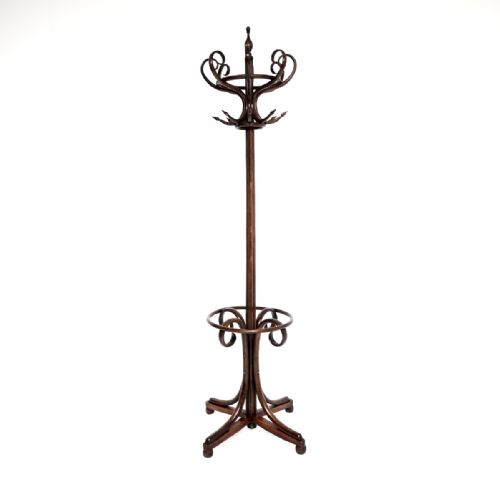
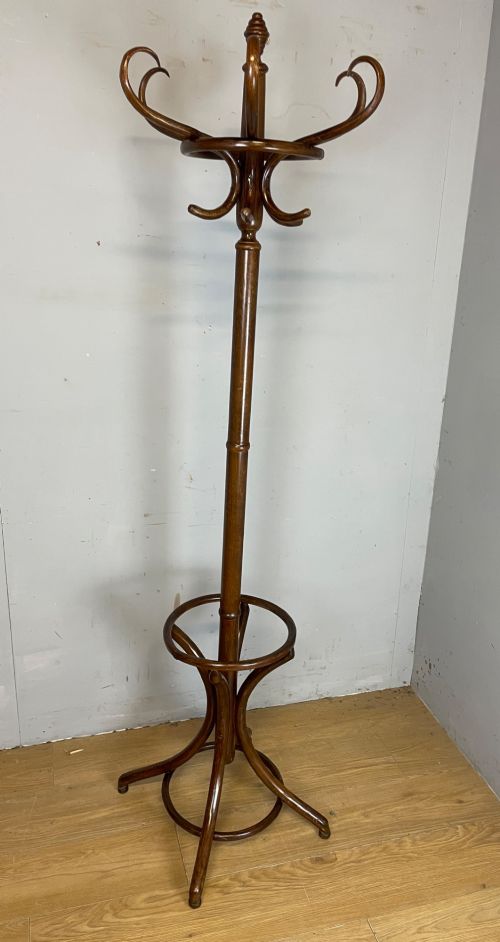
Makers utilised steam-bent beechwood to create lightweight yet resilient frames for bentwood coat stands, a technique popularised by manufacturers such as Thonet. For larger hall stands, dense timbers like oak and mahogany provided a solid structural core capable of supporting heavy winter garments.
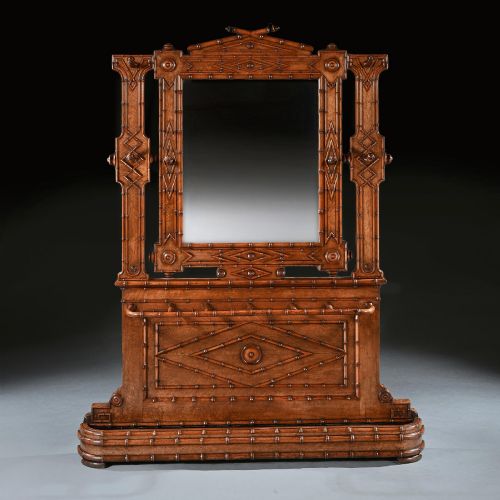
Cast iron and brass frequently formed the structural framework, hooks, and umbrella drip trays found on industrial and Gothic Revival pieces. Faux bamboo mouldings carved into wood or cast in iron introduced decorative botanical details during the Aesthetic Movement.
Stags' horn hall stands bring an unexpected touch of country house taxidermy directly into the domestic hallway.
Structural integrity and material selection
Superior examples demonstrate robust joinery and high-grade timber selection, such as figured mahogany or quarter-sawn oak, whereas lesser pieces utilise thin secondary woods that warp under sustained loads. The presence of original, matching brass or cast iron hardware distinguishes finely preserved specimens from those altered with replacement hooks.
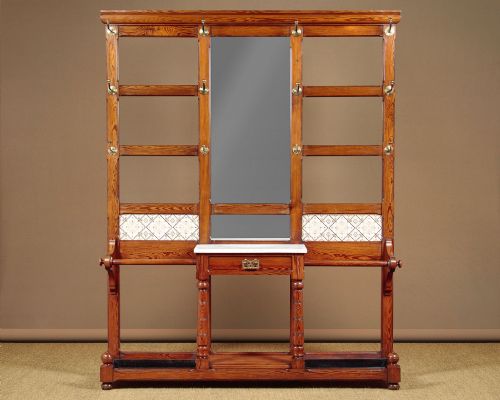
The complexity of the form dictates standard variations, ranging from simple utility bentwood poles to elaborate hall stands incorporating bevelled mirrors, tiled panels, and carved stags' horn elements.
Thonet
The Antique Coat Rack Stand Glossary
- Bentwood
- Wood that has been rendered pliable via steam heating and then shaped into curved profiles. This technique defined the production of lightweight café coat stands in the nineteenth century.
- Hallstand
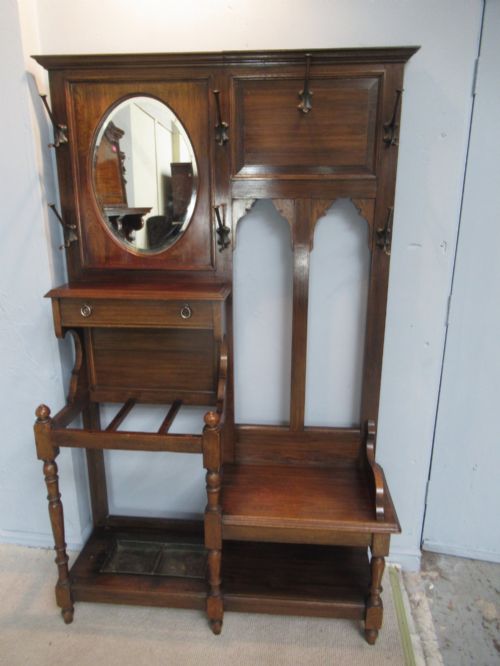
- A substantial hallway item combining coat hooks, a mirror, and often umbrella storage with a drip tray. These pieces greeted visitors in period entrance halls.
- Japonisme
- The influence of Japanese art on European design during the late nineteenth century. It appears in exotic wood choices and bamboo-imitation finishes.
- Drip tray
- A metal or ceramic basin positioned at the base of a stand to catch water from wet umbrellas and walking sticks. They prevent moisture damage to the surrounding timber floor.
Antique Coat Rack Stand: Frequently Asked Questions
How were antique coat racks used in period homes?
These items stood in entrance halls and vestibules to receive outer garments, hats, and walking umbrellas from guests and residents alike. Integrated umbrella stands and drip trays kept wet walking gear contained.
Larger hall stands often incorporated a central mirror for last-minute grooming adjustments and occasionally a small bench or glove box for convenient storage.
What materials are common in antique coat stands?
Solid hardwoods like oak and mahogany dominate larger Victorian and Edwardian hall stands, often paired with brass hooks and ceramic or metal drip trays.
Bentwood examples rely specifically on beech or beechwood heated with steam to achieve their distinctive curving silhouettes without heavy joinery.
How do I date an antique coat rack stand?
Stylistic clues such as carved Gothic Revival motifs point toward mid-nineteenth-century production, whereas clean lines and lighter oak often indicate an Edwardian or Arts and Crafts origin.
Bentwood production spans from the late nineteenth century well into the twentieth century, with manufacturing stamps occasionally visible on the underside of the base.
Can I place a hall stand in a modern hallway?
Freestanding coat stands and hall stands fit easily into contemporary entrance spaces, providing vertical storage that requires minimal floor area.
Care should be taken to anchor particularly tall or heavy pieces to the wall if they carry substantial everyday loads of coats and heavy winter gear.