

Antique Coat and Umbrella Stand
An antique coat and umbrella stand welcomes guests in a hallway while keeping outer garments and walking sticks organised with period charm.
Antique Coat and Umbrella Stand
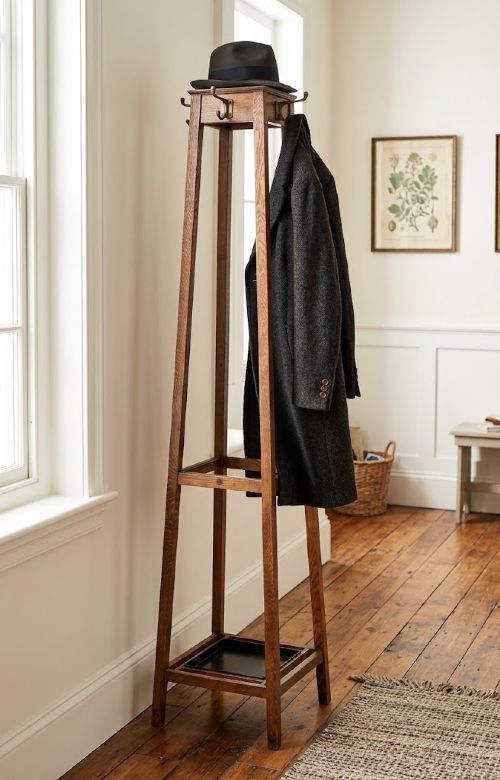
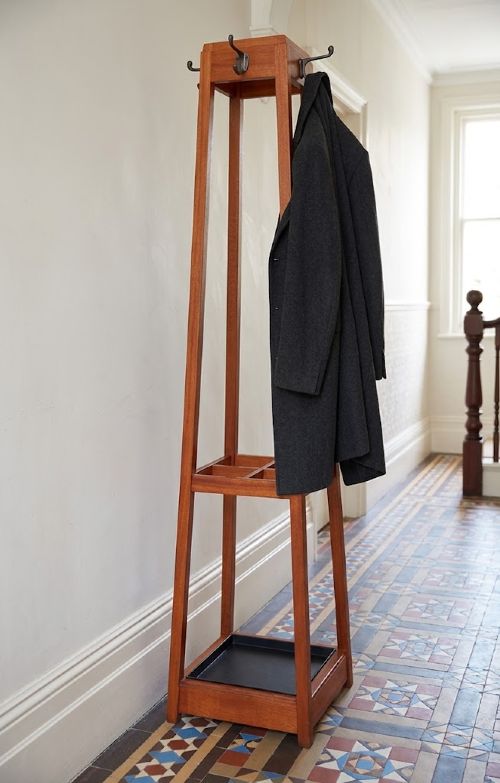
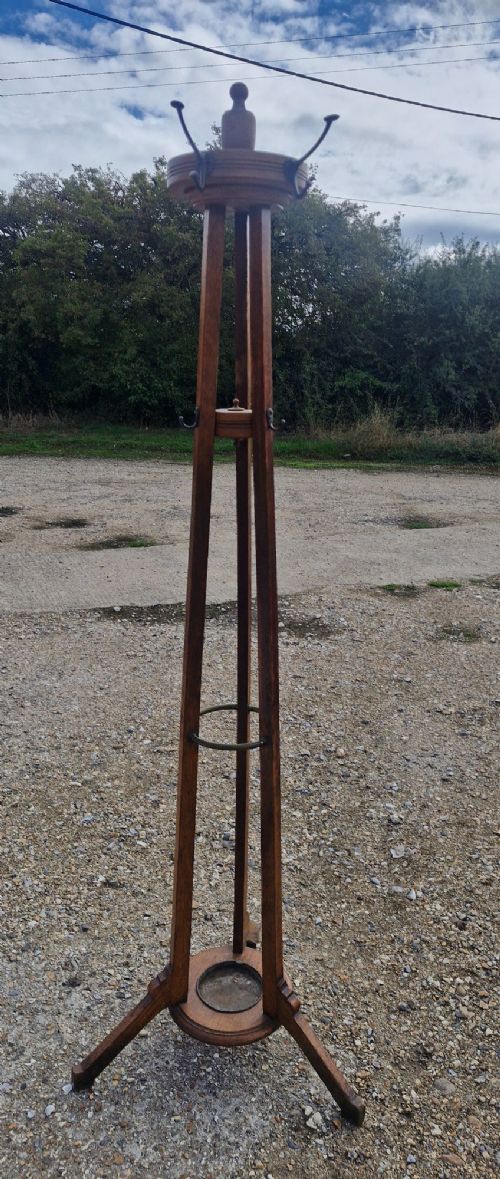
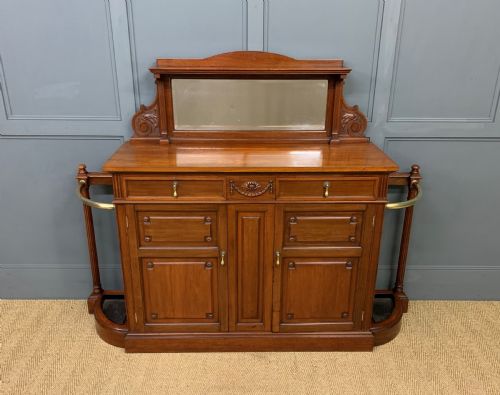
An antique coat and umbrella stand functions as hallway furniture designed to hold outerwear, hats, and sticks in domestic interiors. These pieces appear in forms such as hall stands, coat stands, hall seats, and coat trees.
The pieces on this page span the Victorian and Edwardian eras, stretching through the Arts and Crafts and Aesthetic Movement periods up to the early twentieth century. Common materials include oak, mahogany, bentwood, cast iron, and bamboo.
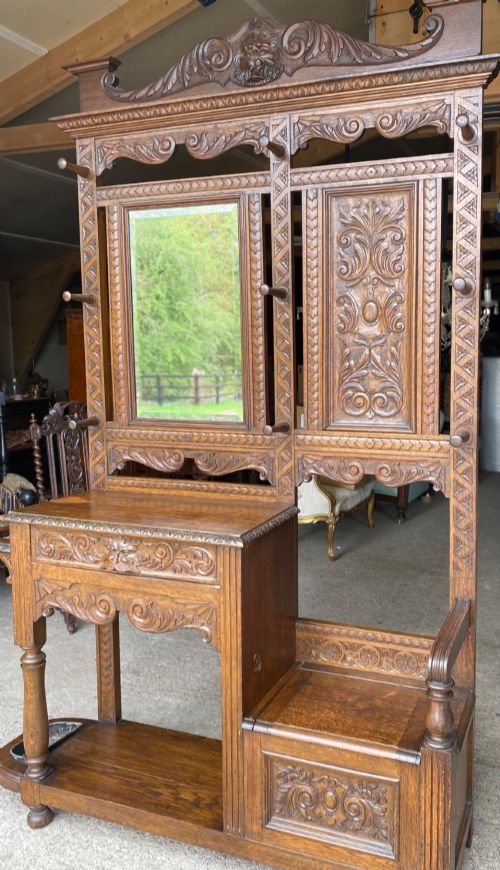
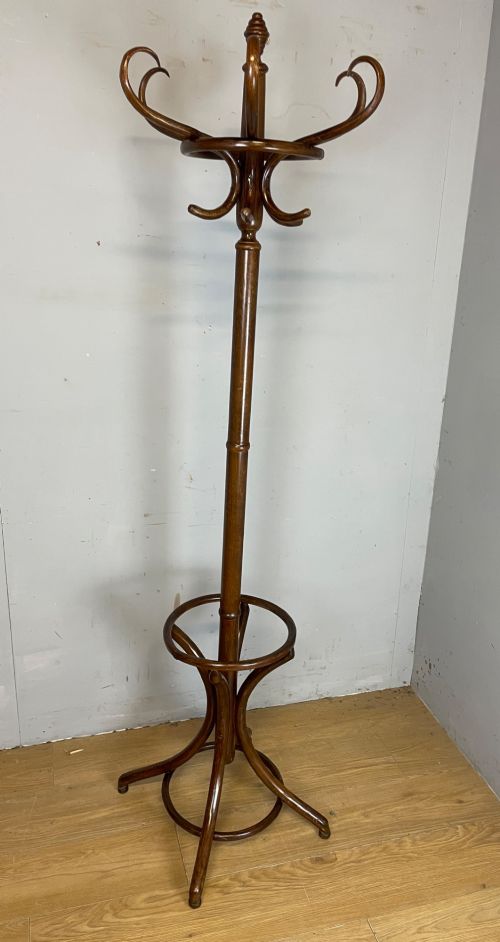
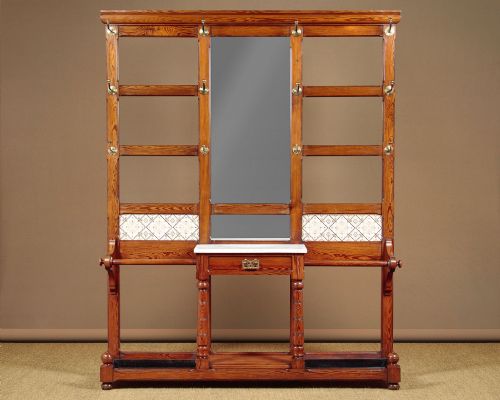
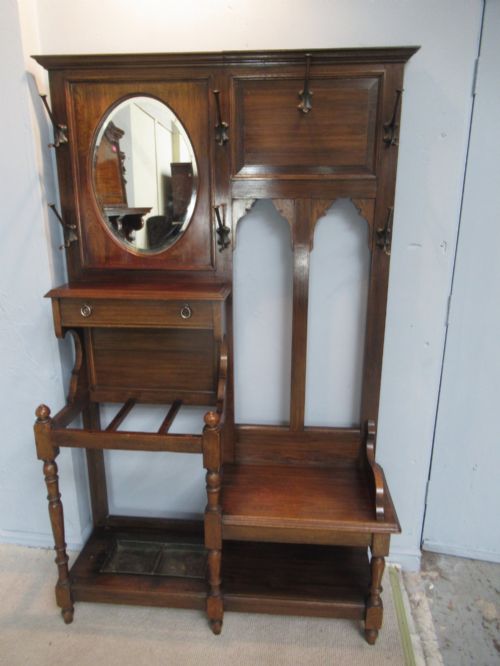
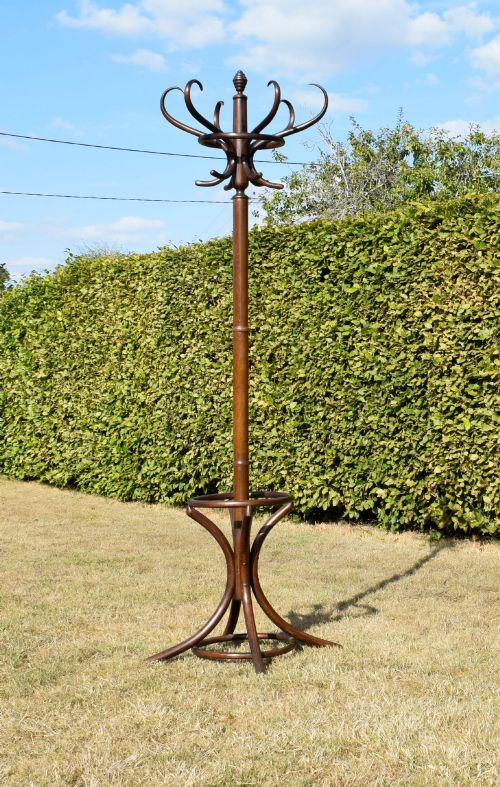
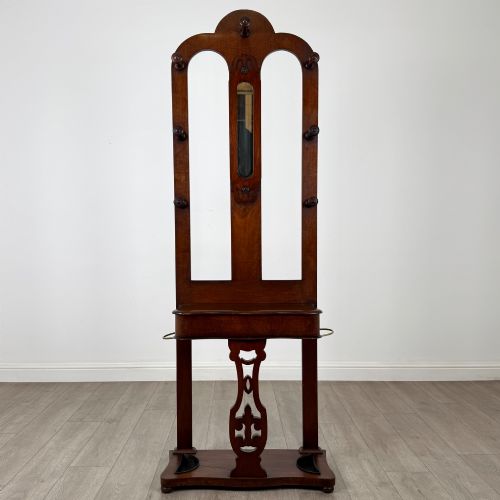
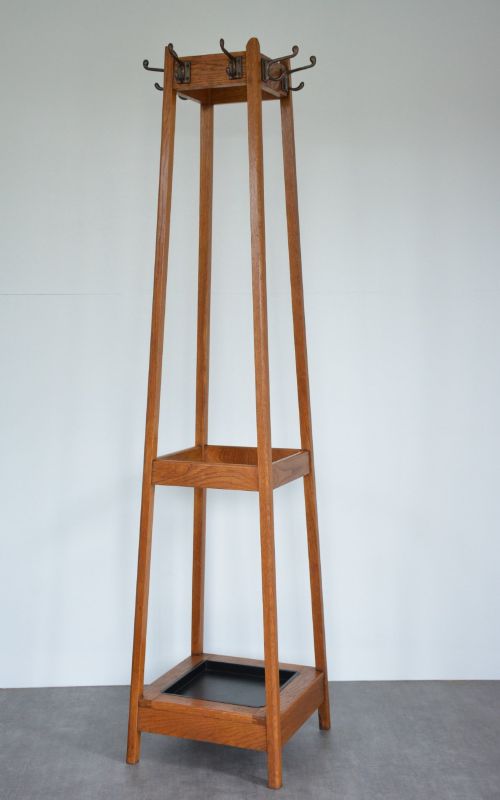
Buyers meet various configurations, from simple bentwood designs to large multi-functional hall seat stands featuring integrated umbrella holders and drip trays.
How they were made
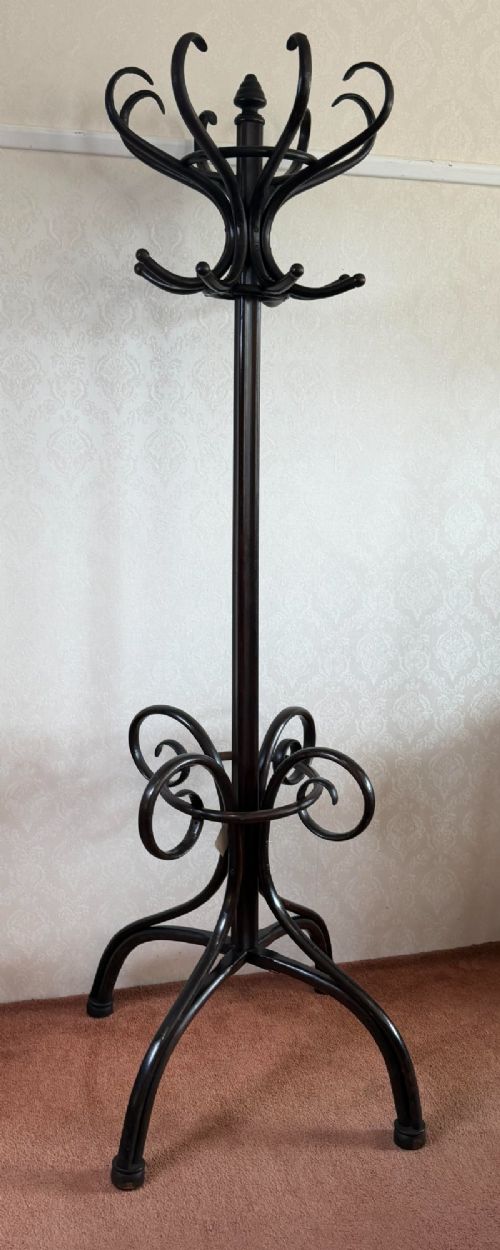
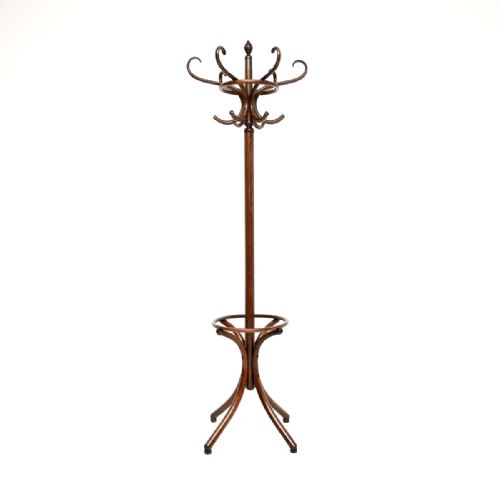
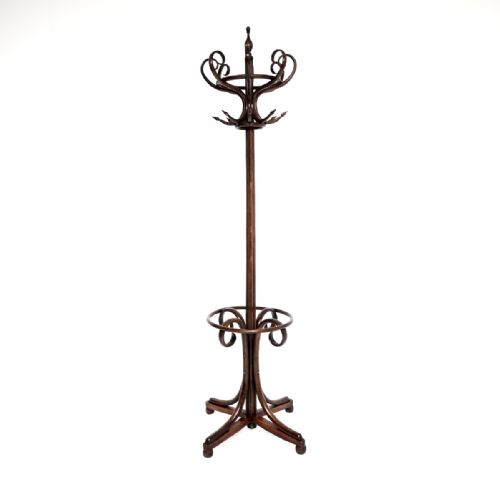
Timbers like oak, mahogany, walnut, and beech form the structural backbone of these hall pieces, often shaped through steam-bentwood techniques to create graceful, curved frames. Carpenters and cabinet makers utilised solid woods alongside veneers, incorporating carved details and turned elements.
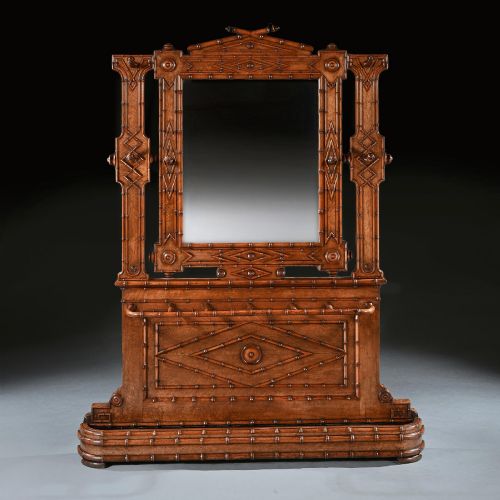
Metal components such as cast iron and brass appear in structural frames, coat hooks, and drip trays to manage wet umbrellas. Glass mirrors and bamboo accents further diversify the construction methods found across different stylistic periods.
Listings feature oak, mahogany, bentwood, and cast iron across Victorian, Edwardian, and Arts and Crafts periods.
What varies in quality
The refinement of the timber carving and the complexity of the frame construction determine the standing of an individual piece. Elaborate joinery, such as integrated seating and multi-functional compartments, separates ambitious furniture from utilitarian designs.
Makers' marks and specific design attribution elevate certain items, particularly pieces produced by established workshops. The integrity of original components, including drip trays, mirrors, and brass hooks, influences the overall standard.
Shoolbred & Co.·Thonet
The Antique Coat and Umbrella Stand Glossary
- Bentwood
- Wood softened by steam and bent into curved shapes. This technique defines lightweight hall stands produced in large quantities during the late nineteenth and early twentieth centuries.
- Hall Stand
- A piece of furniture placed near an entrance for hanging coats and hats. Many examples include integrated umbrella holders, glove drawers, and small mirrors.
- Drip Tray
- A metal pan placed at the base of a stand to catch water from wet umbrellas. These trays protect wooden flooring from moisture damage.
- Aesthetic Movement
- A late nineteenth-century design style focusing on visual beauty over narrative meaning. Pieces from this movement often incorporate bamboo and Japonisme motifs.
Antique Coat and Umbrella Stand: Frequently Asked Questions
Where should a coat and umbrella stand go?
These pieces belong in a hallway or entrance lobby where guests arrive and depart.
They provide immediate access for hanging outdoor garments and storing wet walking sticks upon entering a home.
How do I care for wooden hall furniture?
Maintain the wood using appropriate waxes and polishes to preserve the finish against dry air and temperature shifts.
Check metal drip trays regularly to ensure accumulated water is emptied and dried to prevent rust.
What is the difference between bentwood and carved stands?
Bentwood stands utilise steam-formed curved wooden rods to create lightweight and open frameworks.
Carved stands rely on solid timbers like oak and mahogany with decorative woodwork and heavy architectural presence.
Did all hall stands include seats?
Many larger hall stands incorporated built-in benches to assist people when putting on or removing shoes.
Smaller versions focused purely on vertical storage with hooks and umbrella rings rather than seating.