





Antique Coal Helmet
An antique coal helmet brings functional hearthside metalwork into the modern living space with distinct flared profiles.
Antique Coal Helmet
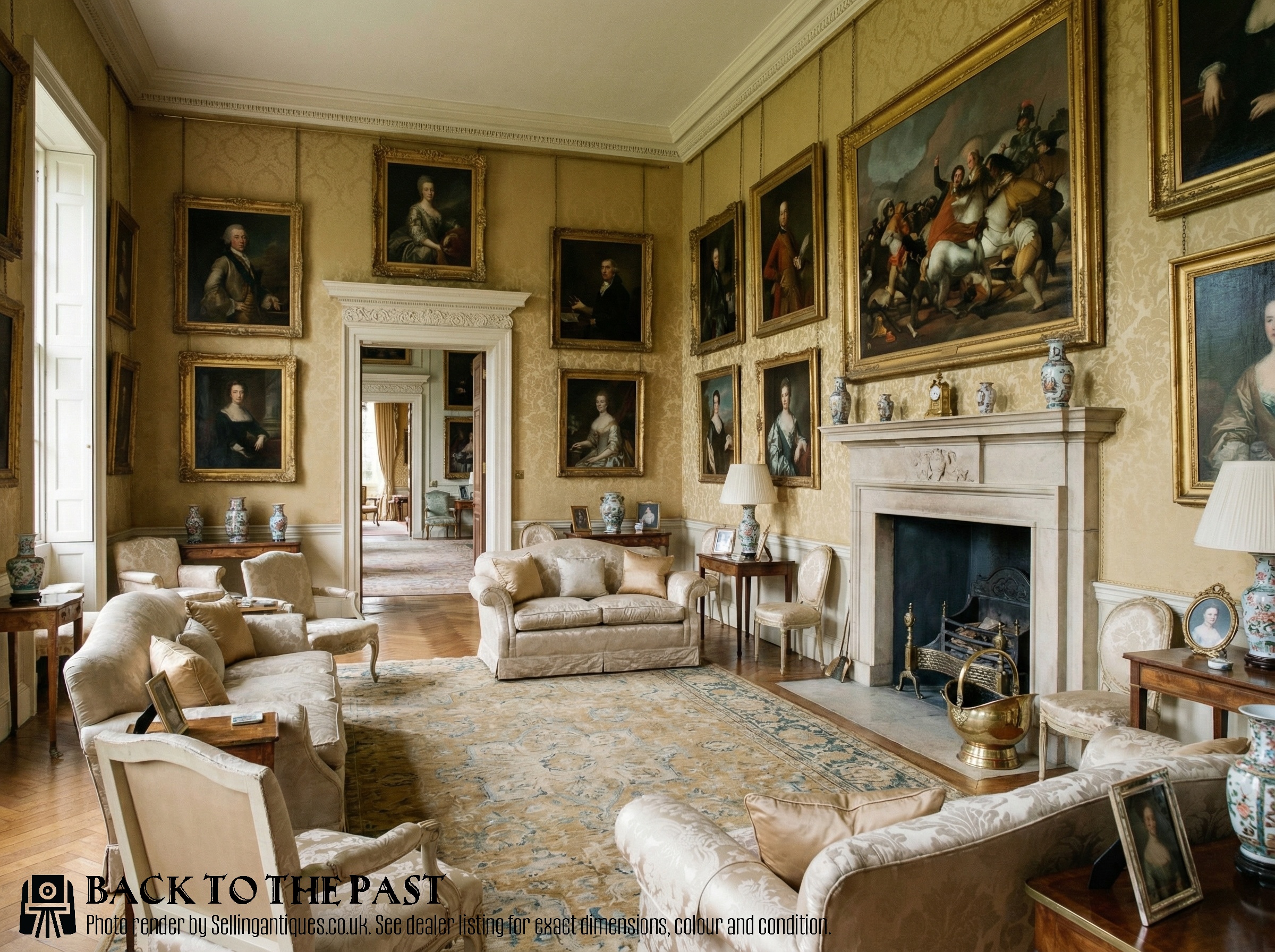
When searching for an antique coal helmet, a buyer explores heavy metal receptacles designed to hold and transport fireplace fuel. These vessels combine practical domestic utility with period decorative styling suited to Victorian and Georgian interiors.
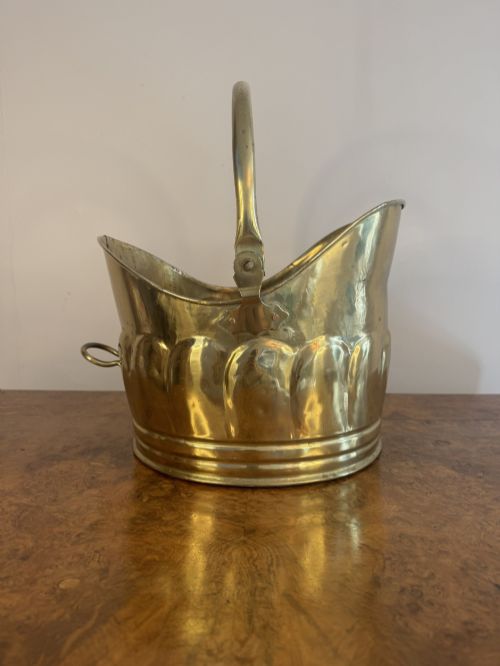
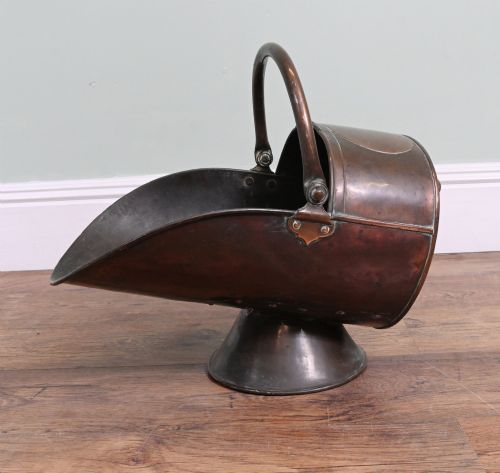
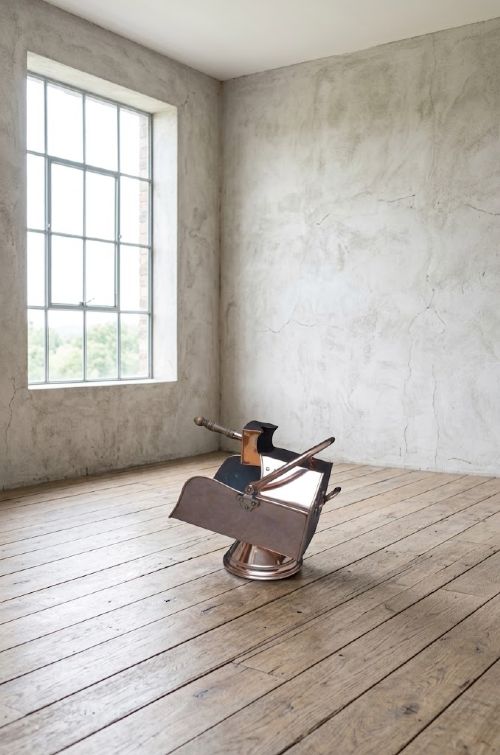
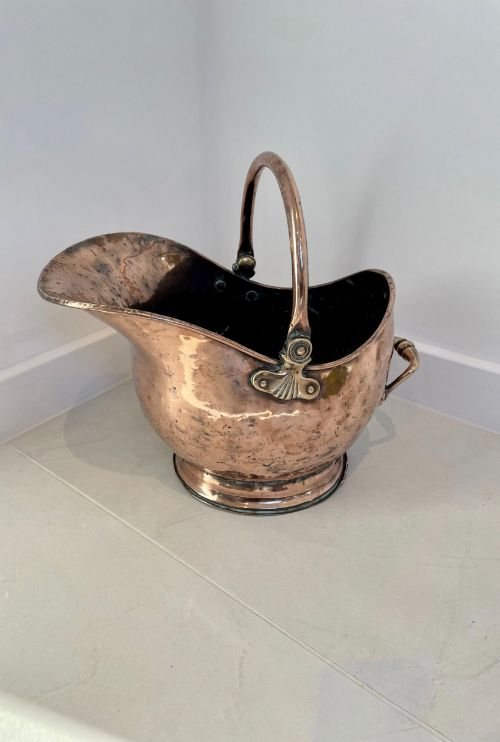
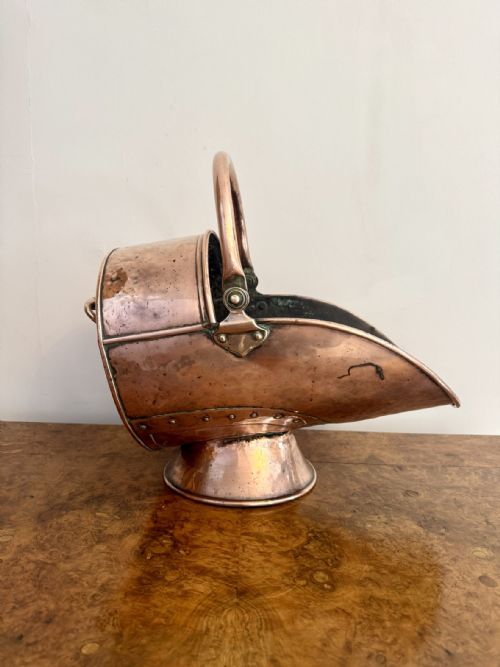
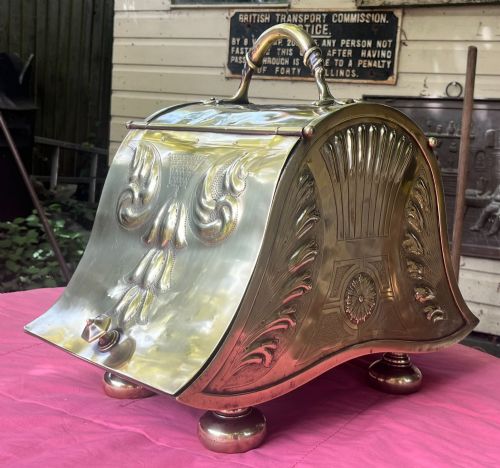
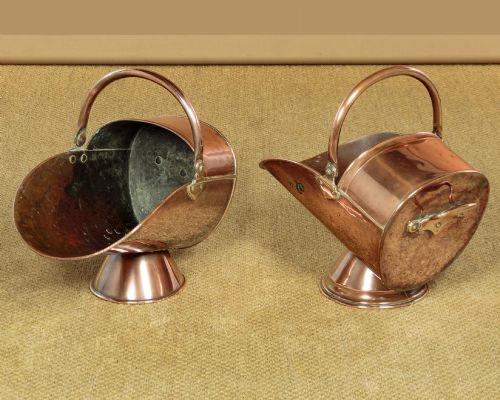
The most common version met on this page is the copper helmet shaped coal scuttle, typically supported by a flared base and fitted with a swinging handle alongside a smaller rear grip. These pieces frequently date from the Victorian era and the turn of the twentieth century.
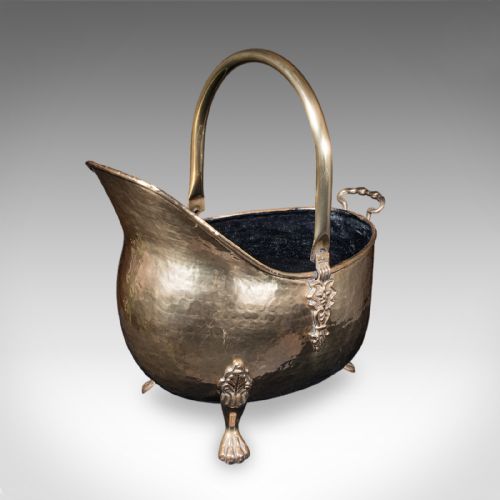
Alongside traditional helmet profiles, the selection encompasses related fireside accessories including log bins, coal buckets and embossed baskets. Each variant serves the same hearthside function while exhibiting distinct regional craftsmanship from the nineteenth and early twentieth centuries.
Materials and Construction
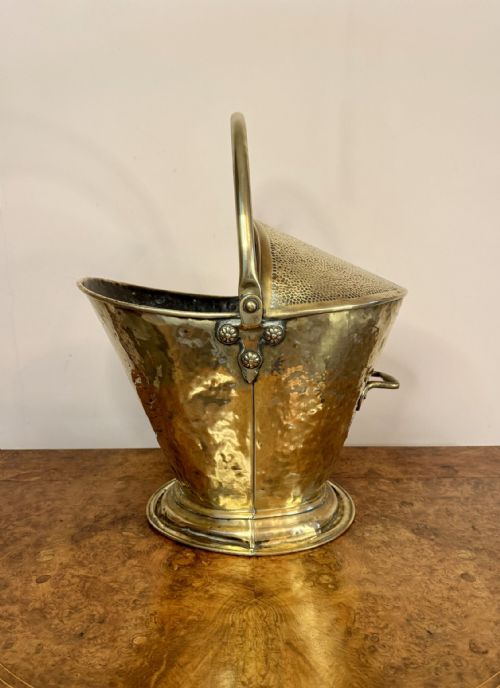
The construction of these vessels relies primarily upon heavy gauge copper and brass sheet metal, shaped to withstand daily domestic service by the hearth. Metalworkers formed the distinctive helmet silhouettes through hammering, seaming and rolling techniques.
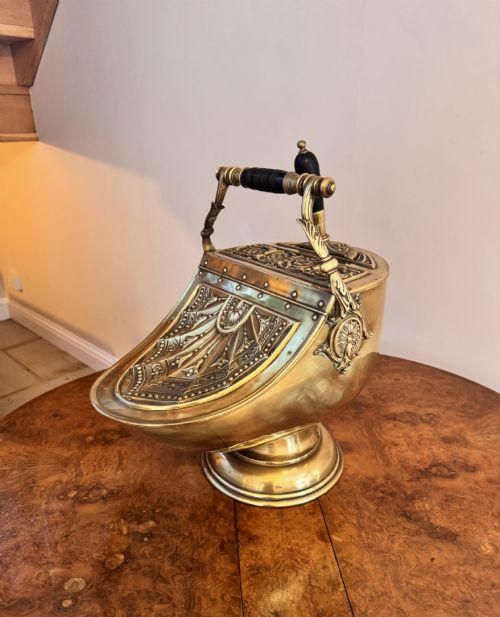
Surface treatment varied between highly polished bright brass, smooth planished copper and hand beaten finishes characteristic of the Arts and Crafts movement. Details such as cast brass feet, ceramic handle grips and riveted seams complete the fabrication.
Antique Coal Helmet Retail Price Guide 2026
Typical asking prices for coal helmet among the pieces listed under this phrase on Sellingantiques today, from the lower quarter to the upper quarter. They describe what is for sale here now, not the wider market.
Several examples retain their original matching metal shovels, neatly tucked into side clips for centuries of hearthside service.
Evaluating Craftsmanship
Quality in these fireside pieces is determined by the weight of the metal and the integrity of the construction rather than surface wear alone. Substantial gauge copper or brass prevents warping from heat and heavy loads of fuel.
Superior examples demonstrate careful hand finishing, including neatly turned rims, robustly riveted handles and crisply embossed ornamentation. The inclusion of an original matching shovel further distinguishes higher grade survivals.
Benham and Froud·Henry Loveridge·William Souter and Sons
The Antique Coal Helmet Glossary
- Helmet scuttle
- A fireside vessel featuring a sloped rim and flared opening resembling a classic headpiece, designed for pouring coal cleanly onto a fire.
- Planishing
- A metalworking technique involving light hammer blows with a polished tool to smooth and harden the surface of copper or brass.
- Art Nouveau
- A decorative style prevalent around nineteen hundred, characterised by sinuous organic lines and stylized floral embossing on metal bodies.
- Arts and Crafts
- A design movement emphasising honest construction and visible hand craftsmanship, often displayed through hammer beaten copper surfaces.
- Ebonised wood
- Timber treated with a dark stain or finish to imitate ebony, frequently utilised for insulated handle grips on metal coal carriers.
Antique Coal Helmet: Frequently Asked Questions
How were antique coal helmets used?
These vessels transported coal from an outdoor store or cellar directly to the fireplace hearth in a parlour or drawing room. The flared rim allowed the contents to be tipped smoothly into the grate without spilling fuel onto the carpet.
Servants filled the scuttles daily as part of routine house maintenance. Their robust construction handled the heavy weight of solid fuel while doubling as decorative fireside furniture.
What metals are these scuttles made from?
The majority of pieces utilise heavy sheet copper or polished brass, often paired with wrought iron or cast iron internal components. Handles frequently incorporate turned wood, ebonised timber or ceramic grips to prevent heat transfer.
Combinations of copper bodies with brass mounts appear regularly across Victorian examples. This dual metal approach provided visual contrast by the fireplace.
How do I date a brass coal helmet?
Georgian iterations from around eighteen hundred tend to feature heavier hand beaten construction and distinct proportioning compared to later examples. Victorian and Edwardian pieces frequently display machine rolling, maker stamps and standardised handle fixings.
Stylistic cues also indicate age, such as the sinuous plant motifs typical of the Art Nouveau period around nineteen hundred. Plain polished brass variants often point towards late nineteenth century domestic production.
Can I still use an antique coal helmet?
Many of these vessels remain structurally sound enough to hold logs, kindling or coal beside a working fireplace. Their durable metal construction withstands the physical demands of storing solid fuel indoors.
Collectors often repurpose them as umbrella stands or decorative plant holders in modern hallways. Care should be taken to protect interior surfaces if storing damp firewood or wet umbrellas.