


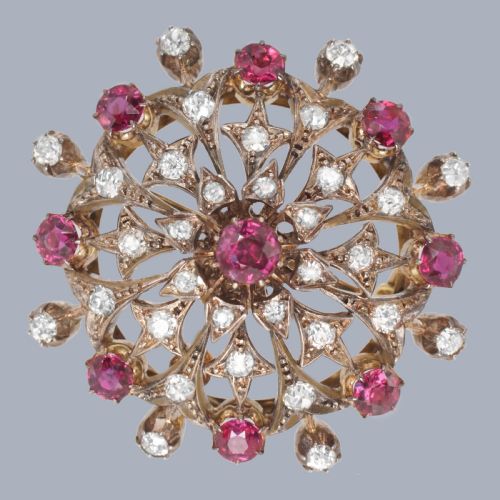


Antique Cluster Pendant
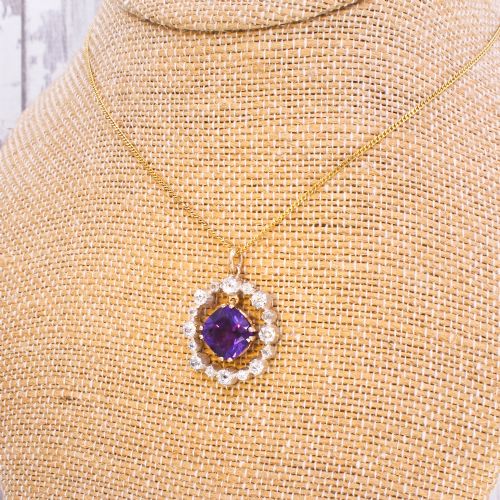
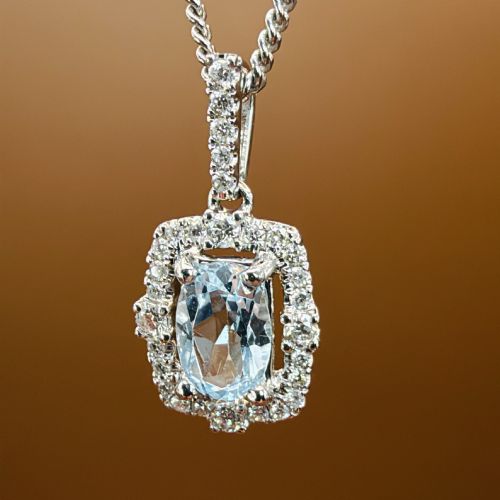
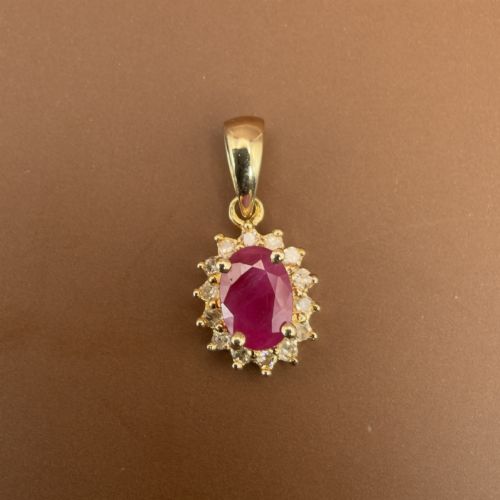
An antique cluster pendant brings together central gems and surrounding stones in a compact face that sits close to the collarbone.
Antique Cluster Pendant
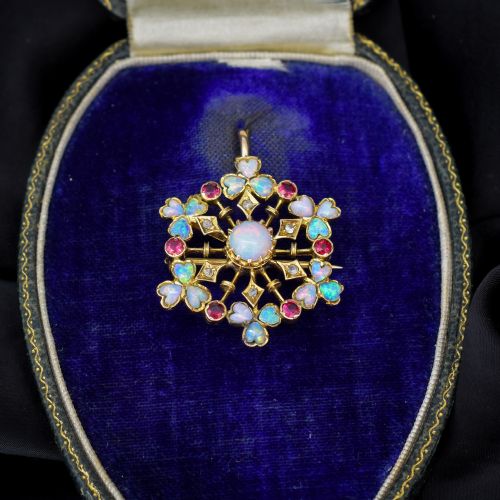
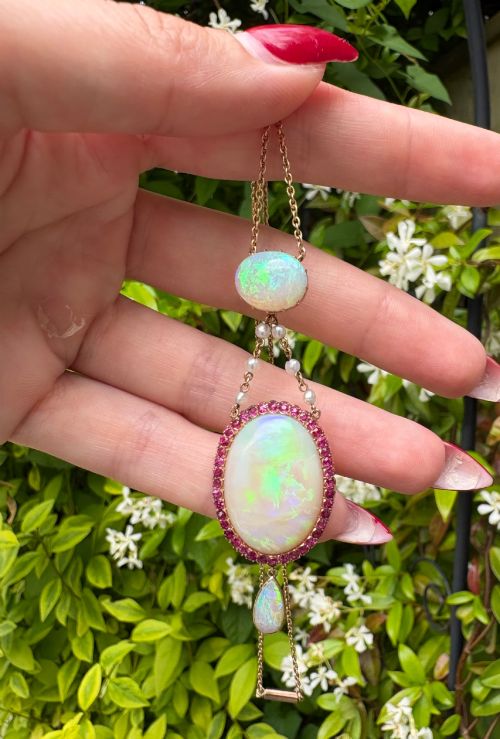
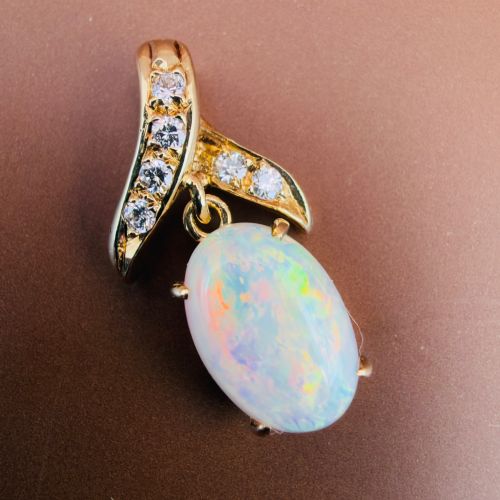
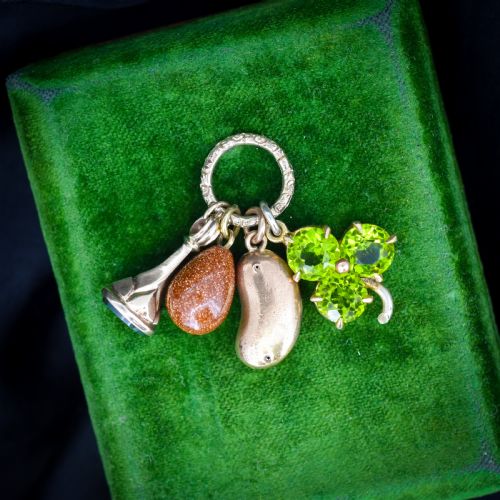
Victorian and Edwardian examples dominate the selection, spanning periods from the nineteenth century into the early decades of the twentieth. Makers frequently combined yellow gold, rose gold, silver, and platinum to set diamonds, rubies, sapphires, emeralds, garnets, amethysts, opals, and seed pearls.
Many surviving pieces were originally designed as detachable brooches or convertible brooch pendants, offering dual wearability with integrated loops or hidden Bails. Buyers will encounter both modest nine-carat gold daily wear and substantial multi-carat diamond centrepieces supported by platinum.
How they were made
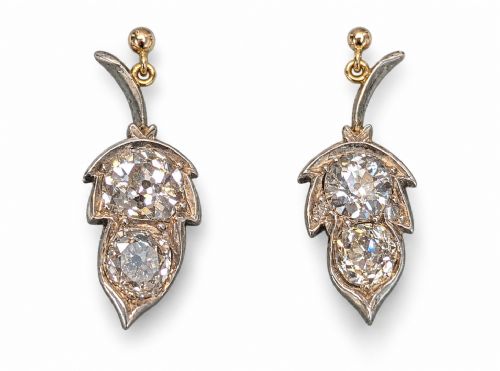
Metalsmiths relied on combinations of gold, silver, and platinum to fabricate the settings, often using silver over gold during the nineteenth century to enhance the brilliance of white stones. Stones were hand-cut in older styles such as old mine and old European cuts, secured in closed-back or open-backed collet settings.
Gems like diamonds, rubies, and sapphires were arranged meticulously around a central stone, sometimes complemented by seed pearl borders or delicate wirework and fringe drop elements. Construction methods shifted over time from heavy yellow gold and silver-topped gold to lighter platinum and fourteen-carat or nine-carat gold as twentieth-century manufacturing evolved.
Listings feature periods from the Georgian era through the Victorian, Edwardian, and Art Deco periods up to the mid-century.
What varies in quality
Quality rests primarily on the calibre of the central gemstone, the match and grade of the surrounding cluster stones, and the integrity of the metalwork. Master jewellers ensured even spacing, secure claw or collet settings, and harmonious proportions between the central motif and the framing border.
The sophistication of the design and the presence of original conversions or maker signatures elevate certain examples above standard workshop production. Pieces retaining their original split rings, chains, or convertible brooch mechanisms display superior preservation of their historical utility.
Dorrie Nossiter·Hirsch & Oppenheimer
The Antique Cluster Pendant Glossary
- Cluster pendant
- A pendant featuring a central gemstone encircled by a border of smaller stones. This arrangement maximises visual impact and light reflection.
- Old cut diamond
- A hand-faceted diamond cut before the standardisation of modern brilliants. These stones display smaller tables, higher crowns, and distinctive open culets.
- Paste
- Hand-cut and polished lead glass used to imitate gemstones in historical jewellery. Fine antique paste is valued for its craftsmanship and historical charm.
- Seed pearl
- A very small, naturally occurring pearl often used in tight clusters or border rows. They are typical of Victorian and Edwardian decorative work.
- Collet setting
- A metal collar that encircles the edge of a gemstone to hold it in place. It represents a traditional stone-setting technique common in older jewellery.
Antique Cluster Pendant: Frequently Asked Questions
How do I wear a convertible brooch pendant?
Many historical cluster pendants double as brooches through a fold-down bail or detachable pin mechanism on the reverse. You can thread a chain through the integrated loop for neckwear or secure the piece directly to a lapel.
Ensure the pin clasp functions securely before wearing it as a brooch to prevent loss during movement.
What periods do these pendants come from?
The pieces span from the Georgian era through the Victorian, Edwardian, and Art Deco periods, extending into mid-century designs. Each era brings distinct metal choices, such as silver-topped gold in the nineteenth century and platinum in the early twentieth.
Examining the back construction, pin findings, and gemstone cuts helps confirm the specific era of manufacture.
How do I care for antique cluster jewellery?
Clean these delicate pieces gently with a soft cloth, avoiding harsh ultrasonic cleaners that can dislodge seed pearls or softer gems like opals. Store them individually in lined boxes to prevent stones from scratching one another.
Professional inspection of the settings every few years ensures that claws holding the cluster stones remain tight.
Are antique chains original to the pendants?
Chains are frequently later replacements matched to the pendant by subsequent owners or dealers over the decades. Finding a pendant paired with its original period chain or split ring is an uncommon bonus.
Evaluate the colour and wear of the metal on both the pendant and the chain to assess how well they complement each other.