
Antique Club Armchair Wood
These antique club armchair wood pieces offer deep, supportive seating built from solid timber and upholstered for comfort.
Antique Club Armchair Wood
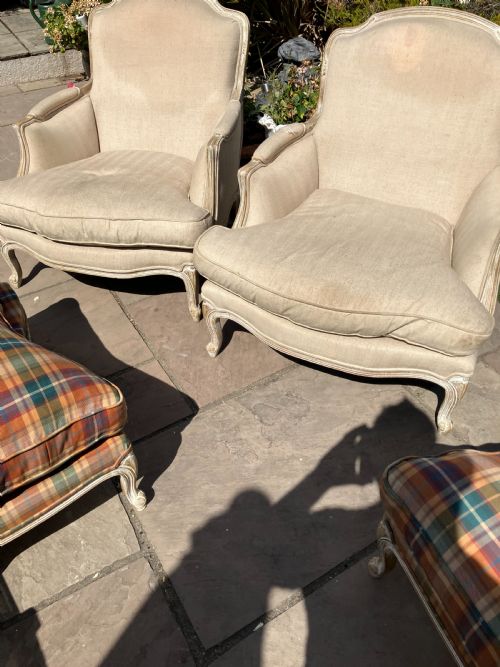
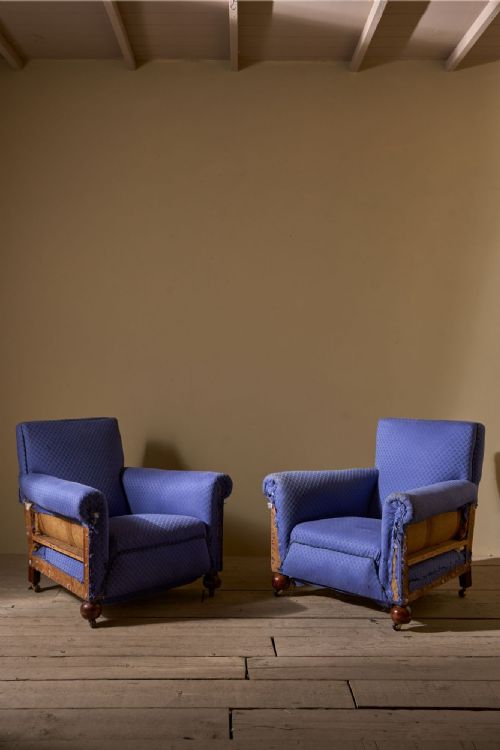
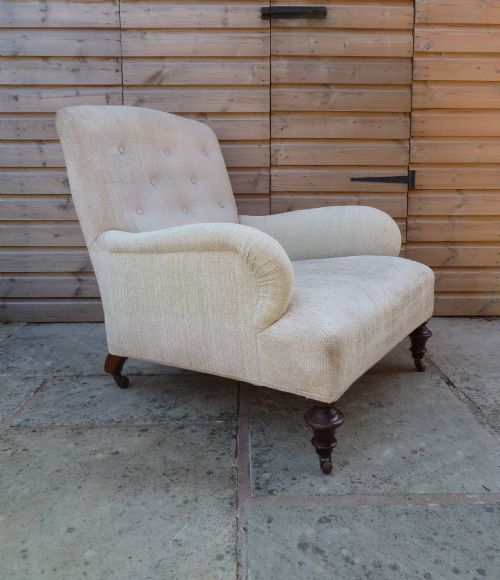
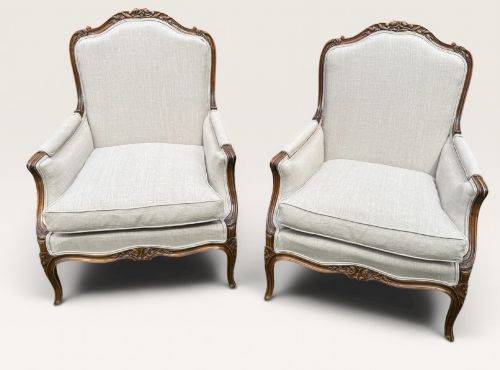
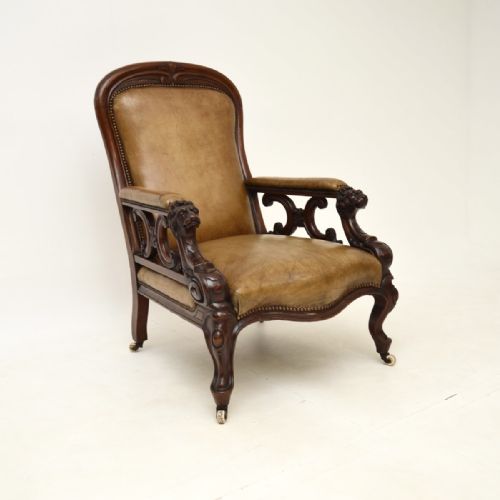
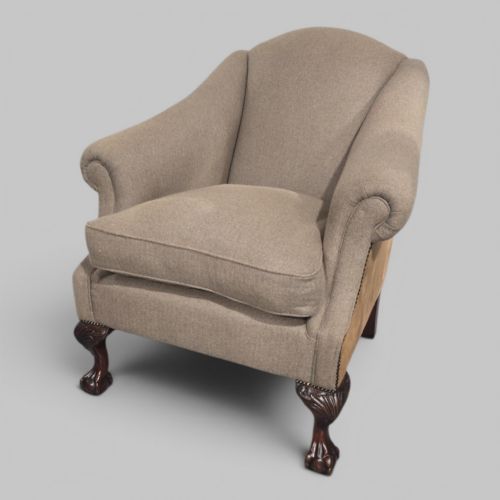
An antique club armchair wood selection brings together heavy seating designs from the nineteenth and twentieth centuries, spanning Victorian, Edwardian, and Art Deco periods. Buyers looking for an antique club armchair wood option will find sturdy lounge forms, tub backs, and low-slung seating designed for relaxed daily use.
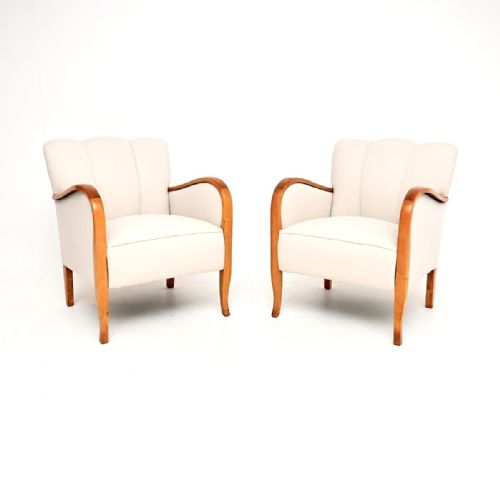
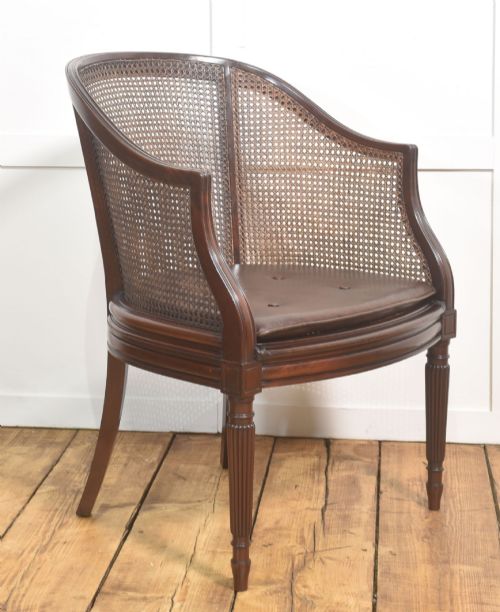
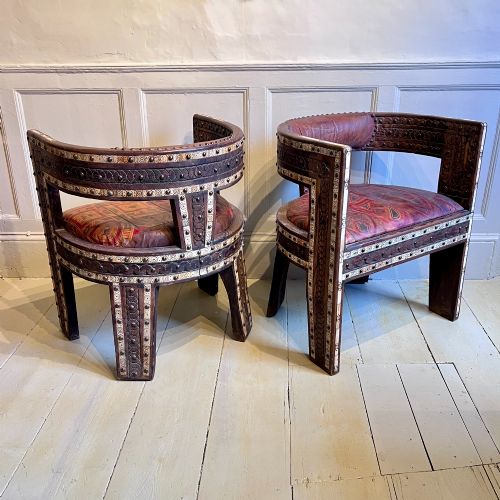
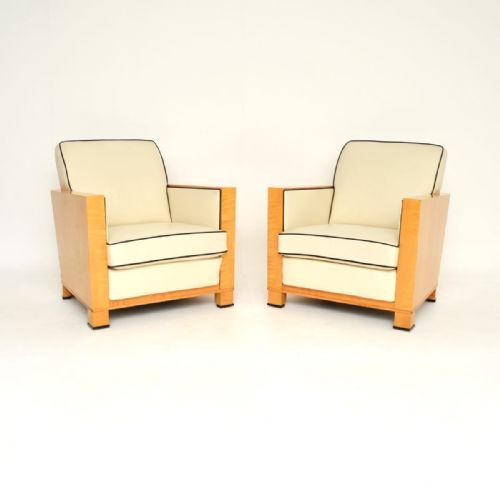
The assortment on this page draws heavily on English and French workshops, encompassing styles from plain smoker's bows to carved library chairs and sleek satin birch armchairs. Many examples combine exposed timber frames with supportive upholstered cushions, leather hides, or woven cane panels.
Makers ranged from large commercial cabinet makers to specific London houses and continental workshops, producing seating intended for studies, smoking rooms, and drawing rooms. The enduring appeal of an antique club armchair wood piece lies in its combination of robust structural framing and deep, enveloping proportions.
Materials and construction
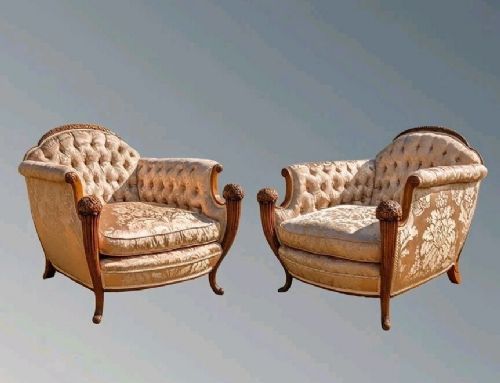
Carpenters utilised dense hardwoods like mahogany, walnut, rosewood, ash, beech, and elm to construct sturdy inner frames capable of withstanding decades of heavy daily use. Turned legs, carved arm supports, and exposed wooden rails were shaped by hand before being polished or ebonised.
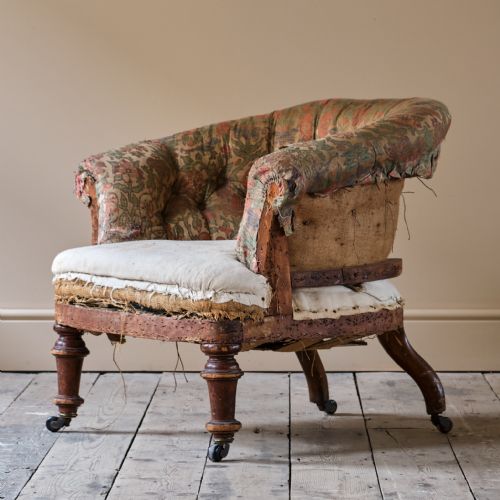
Upholstery methods relied on traditional coil springs, horsehair stuffing, and webbing to build supportive seats and buttoned backs that retained their shape. Outer coverings varied from supple leather and pure silk to woven cane and heavy fabric, secured with brass tacking or cord trim.
Certain Victorian library chairs still bear their original workshop numbering stamped directly into the wooden frame beneath the seat.
Distinguishing quality
The highest tier of these chairs is distinguished by the integrity of the timber frame, careful hand-carving, and the retention of original upholstery methods using traditional fillings. Superior examples display precise joinery in the underframe and timber selected for rich grain patterns, such as figured mahogany or satin birch.
Finer pieces often show the distinct hand of a recognised maker or adhere closely to renowned English and continental design traditions, whereas lower tiers rely on simpler construction or later alterations. The depth of the timber carving and the balance of the proportions separate master-built seating from standard commercial production.
Mellier and Co·Hary and Lou Epstein
The Antique Club Armchair Wood Glossary
- Bergere
- An enclosed armchair with cane or upholstered sides and back. This French style originated in the eighteenth century and remained popular through the Victorian and Art Deco eras.
- Smoker's bow
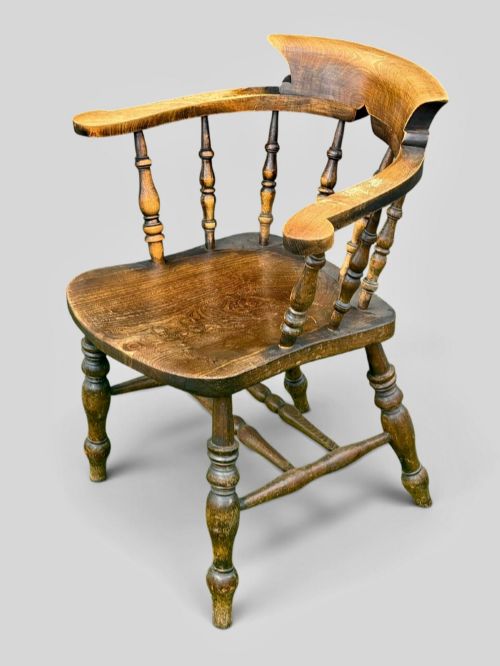
- A sturdy wooden armchair with a rounded back rail supported by turned spindles. These chairs typically feature a shaped elm seat for comfortable everyday sitting.
- Tub armchair
- A comfortable seat with a curved, continuous back and armrest structure resembling a half-barrel. Victorian and Edwardian examples often incorporated mahogany or cane.
- Ebonised
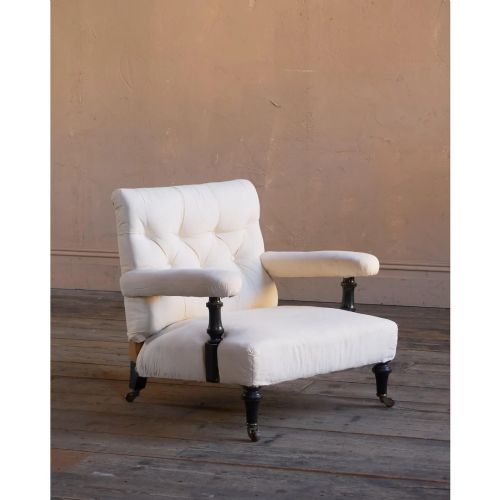
- Timber treated with a chemical stain or black finish to imitate ebony. This dark treatment was common on nineteenth-century library and salon seating.
- Satin birch
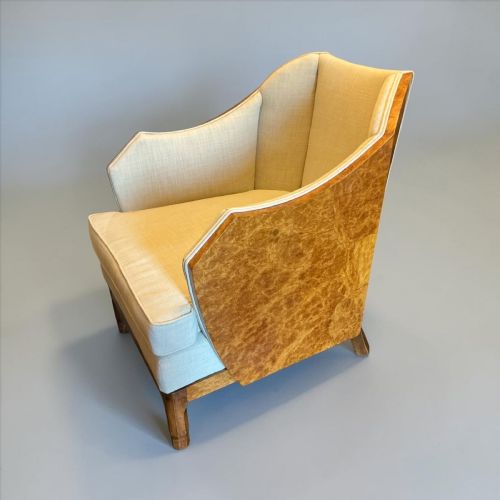
- A pale, figured hardwood utilised extensively by Scandinavian and Art Deco cabinet makers. The wood displays a characteristic shimmering grain pattern when polished.
Antique Club Armchair Wood: Frequently Asked Questions
What defines a club armchair?
A club armchair is a deep, comfortable seat traditionally upholstered in leather or heavy fabric, designed for relaxing in a study or library. The form prioritises supportive cushioning and sturdy timber frames.
Over the decades, makers adapted the basic shape into various styles, ranging from Victorian buttoned leather models to streamlined Art Deco versions.
How do I identify a Victorian chair?
Victorian chairs typically feature dense hardwoods like mahogany, walnut, or beech, often adorned with hand-carving or turned wooden legs. Upholstery methods from this era relied on coil springs and horsehair stuffing.
Looking beneath the seat often reveals construction details, maker marks, or numbering that helps confirm the nineteenth-century origin.
Where were cane armchairs used?
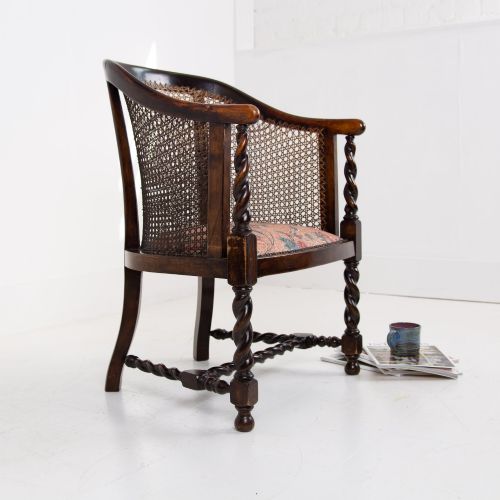
Cane armchairs were popular in Edwardian and earlier drawing rooms, conservatories, and bedrooms where lighter, breathable seating was preferred. The woven cane panels reduced the visual weight of the timber frame.
Many surviving examples feature mahogany or birch frames alongside newly woven cane replacement seats.
How should I care for leather upholstery?
Antique leather requires gentle cleaning and occasional conditioning to maintain its suppleness and prevent cracking over time. Avoid placing the chair near direct heat sources or strong sunlight.
Allowing the natural patina to show is generally preferred by collectors over aggressive restoration or modern recolouring.