


Beech Turned Spindle Chair
A beech turned spindle chair brings honest vernacular craftsmanship and timber grain directly into a room.
Beech Turned Spindle Chair
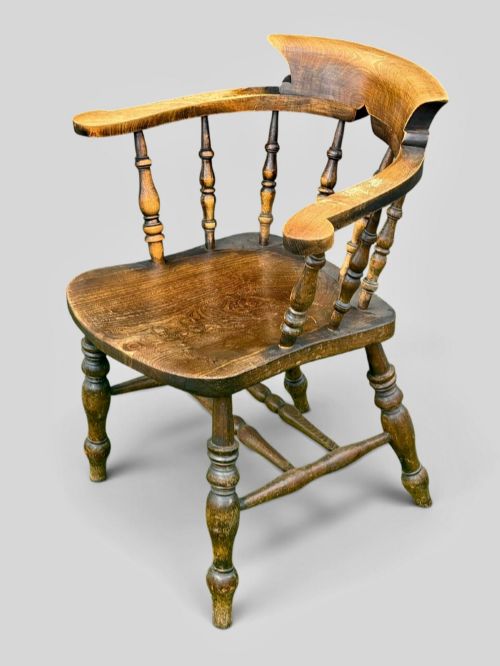
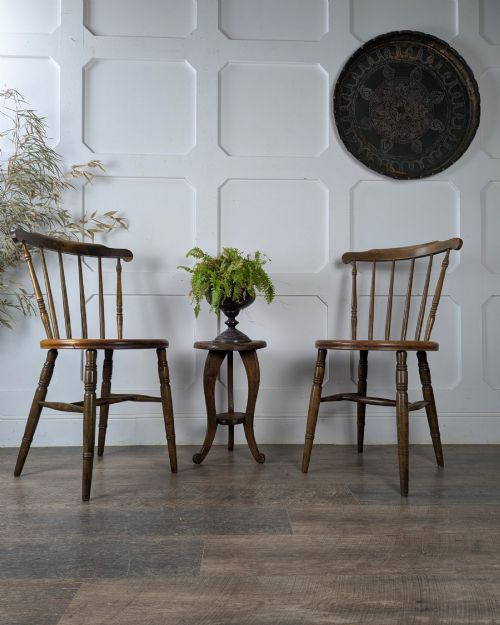
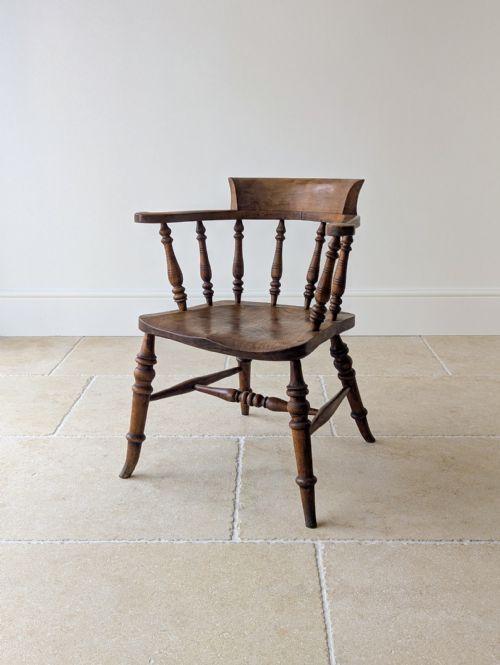
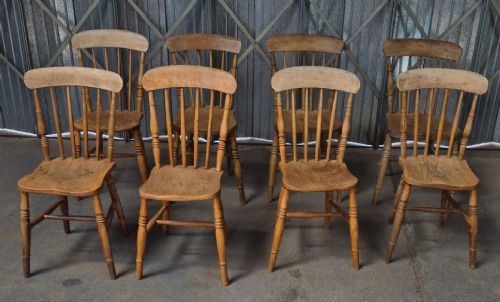
A beech turned spindle chair is a sturdy piece of vernacular seating built primarily from solid beech, often paired with elm, ash or oak for seats and frames. When you search for a beech turned spindle chair, you encounter forms ranging from Victorian smoker's bows and captain's desks chairs to Arts and Crafts Sussex models and Edwardian dining seats.
The most common versions on this page are nineteenth-century Victorian country armchairs, smoker's bows and spindle-backed fireside chairs with turned uprights. These functional seats served in farmhouses, offices and parlours, relying on straightforward joinery rather than heavy upholstery to achieve durability.
Assessing Quality and Character
The distinction between ordinary utility seating and superior examples rests on the crispness of the lathe turning, the balance of the proportions and the visual depth of the timber grain. Chairs featuring dense elm seats combined with richly figured beech turnings display a higher grade of regional joinery.
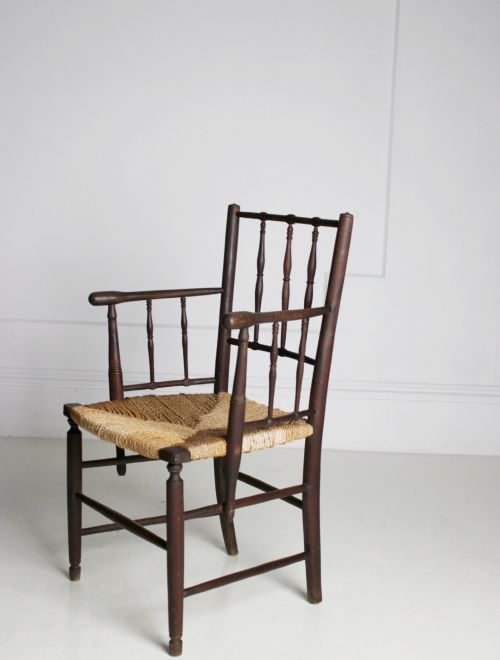
Quality also shows in the retention of original surfaces, such as aged polish, patinated stain or intact rush seating, rather than heavy over-restoration. Well-preserved maker attribution, as seen in documented Arts and Crafts pieces, elevates the standing of an individual chair.
Codina·Morris and Co·Philip Webb
The Beech Turned Spindle Chair Glossary
- Smoker's Bow
- A low-backed Windsor-style armchair with a continuous curved arm rail and turned spindles, commonly built with a beech frame and an elm seat. This form was widely used in Victorian smoking rooms and offices.
- Spindle Back
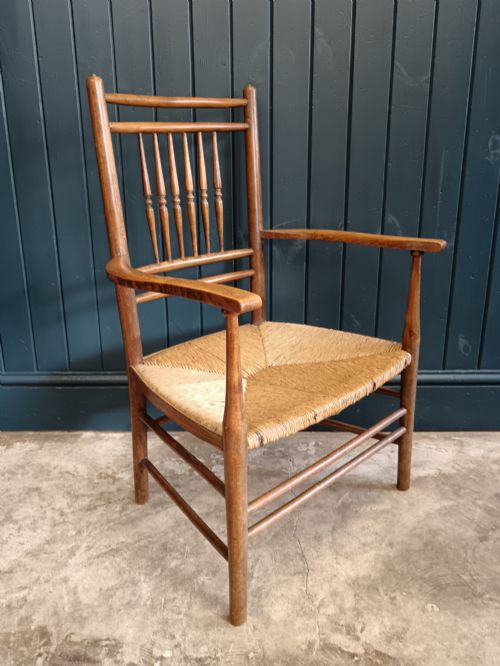
- A chair back constructed from multiple vertical turned wooden rods fitted between a top rail and the seat. These slender elements provide flexible support while keeping the frame lightweight.
- Rush Seat
- A traditional seating surface woven from dried marsh rushes or sedge over a wooden frame. It yields a textured, resilient pad found frequently on Arts and Crafts chairs.
- Bentwood
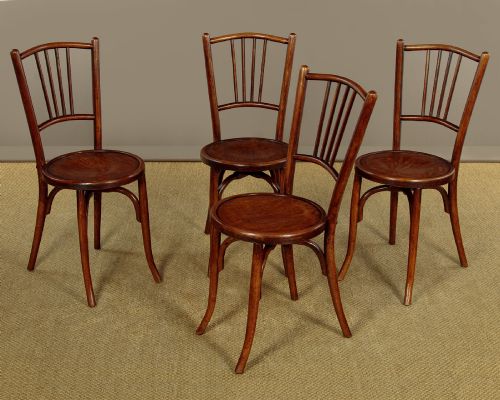
- Wood softened by steam and bent under pressure into curved structural components. This technique produced the flowing frames seen on nineteenth-century bistro and cafe seating.
- Turned
- Wood shaped on a lathe by rotating the stock against cutting tools to create cylindrical, ball-and-reel or tapered profiles. Spindles and legs are formed in this manner.
Beech Turned Spindle Chair: Frequently Asked Questions
What is a smoker's bow chair?
A smoker's bow is a robust low-backed Windsor armchair featuring a continuous curved arm bow supported by turned wooden spindles. They typically combine a solid elm saddle seat with a beech frame.
Originally designed for comfort in studies, rural homes and smoking rooms, these chairs offer a generous seating area and sturdy low armrests.
How do I identify an Arts and Crafts chair?
Arts and Crafts chairs, such as the Sussex models, emphasise simple construction, visible joinery and honest materials like stained beech and woven rush. They eschew ornate carved decoration in favour of clean structural lines.
Look for light, functional frames with slender turned spindles and unadorned timber surfaces that highlight the natural grain.
Where were spindle back chairs used?
Spindle back chairs served a multitude of domestic and commercial roles across the nineteenth and early twentieth centuries, appearing in farmhouses, offices, libraries and dining rooms. Their versatile construction suited both formal settings and heavy daily use.
Armchairs often worked as desk or fireside seats, while lighter side chairs functioned around dining tables and in reception rooms.
How do I care for antique beech furniture?
Maintain antique beech by keeping pieces away from direct heat sources and sudden humidity changes, which can dry out the timber and loosen turned joints. Regular dusting with a soft cloth preserves the surface.
Apply a microcrystalline wax sparingly when the wood appears dry, rubbing it in gently to protect the aged patina without building up heavy residues.