
Antique Clothing Cupboard
An antique clothing cupboard holds the linen, wool and coats of generations past, bringing architectural timber and fitted storage into a modern bedroom.
Antique Clothing Cupboard
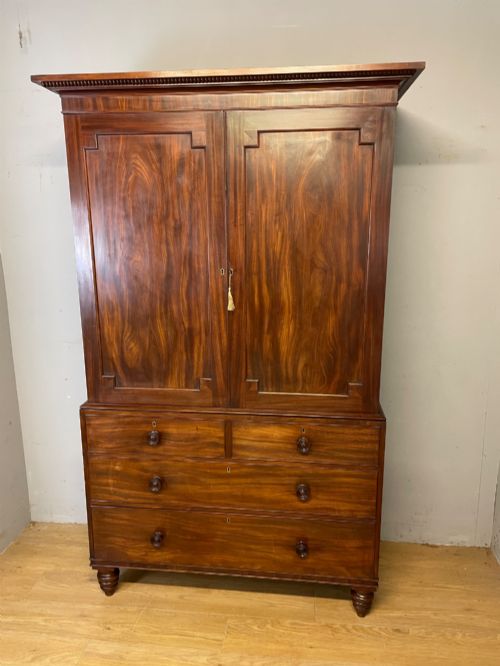
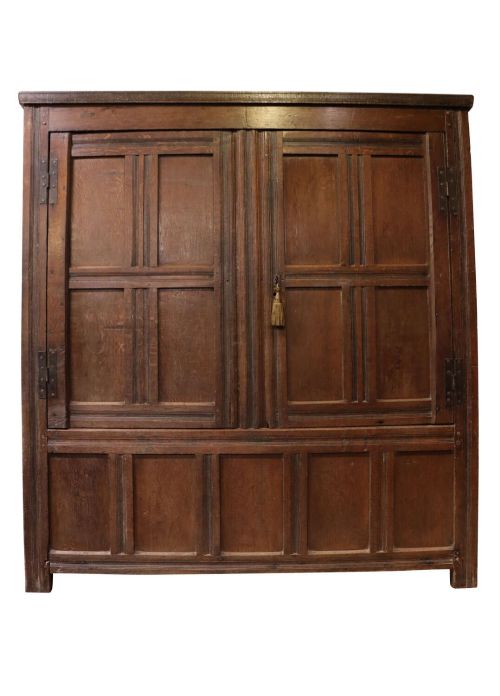
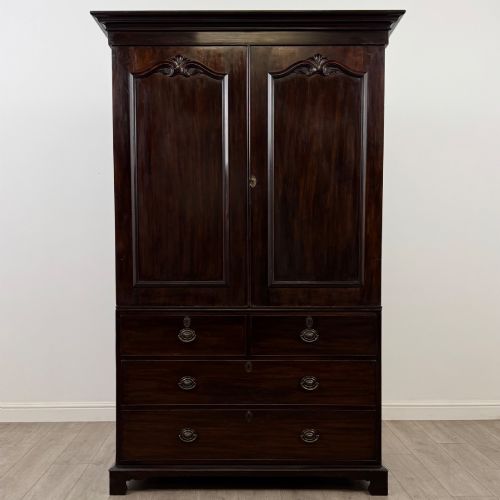
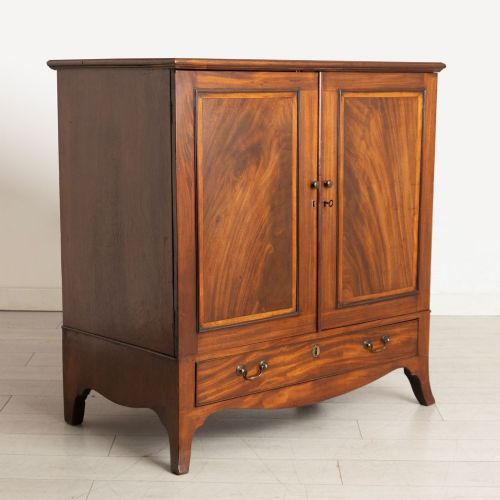
An antique clothing cupboard encompasses tall wardrobes, linen presses and housekeepers' cupboards spanning from the seventeenth century through the art deco period. These pieces originate across British country houses and town residences, constructed to house textiles before fitted bedroom furniture became standard.
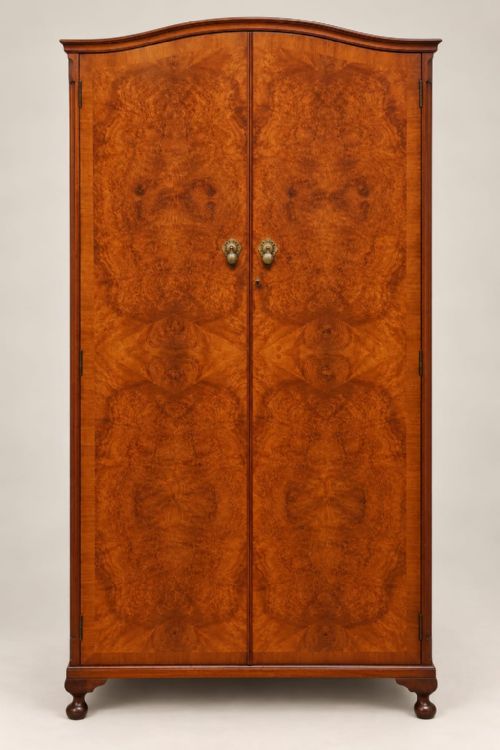
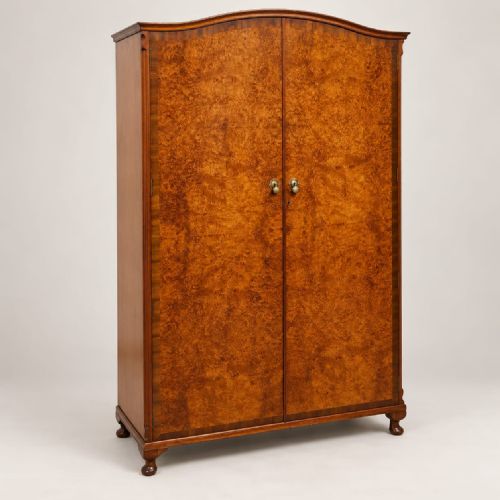
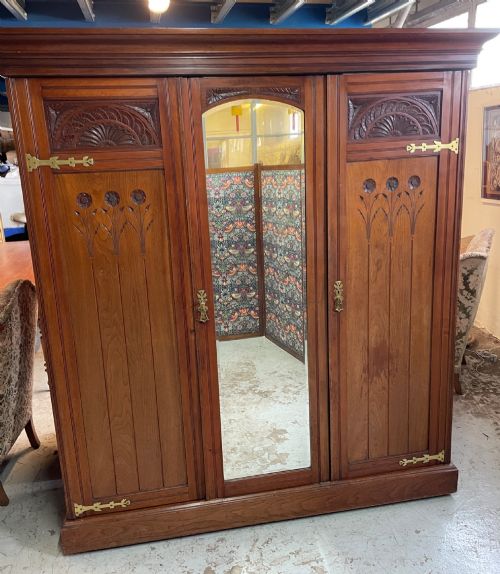
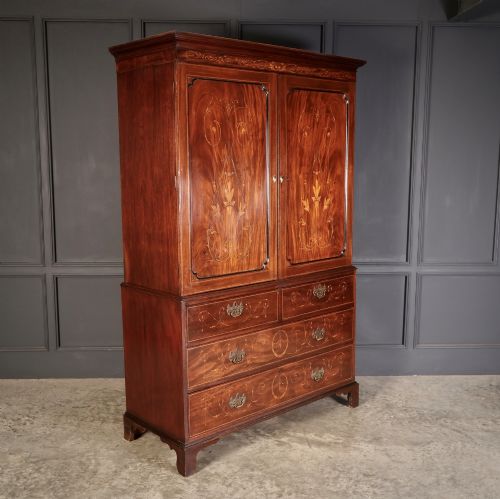
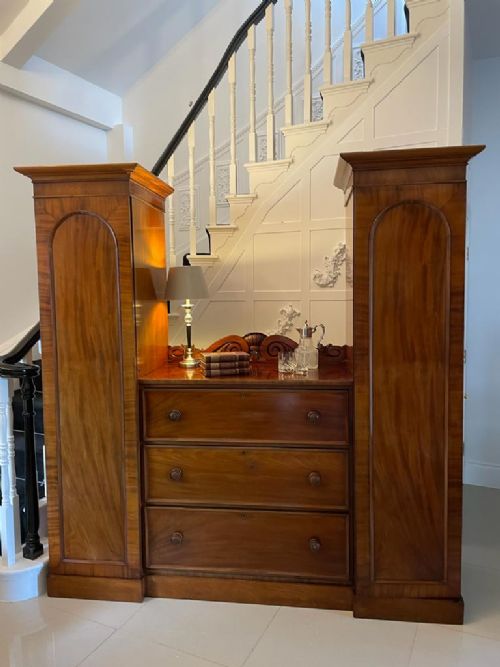
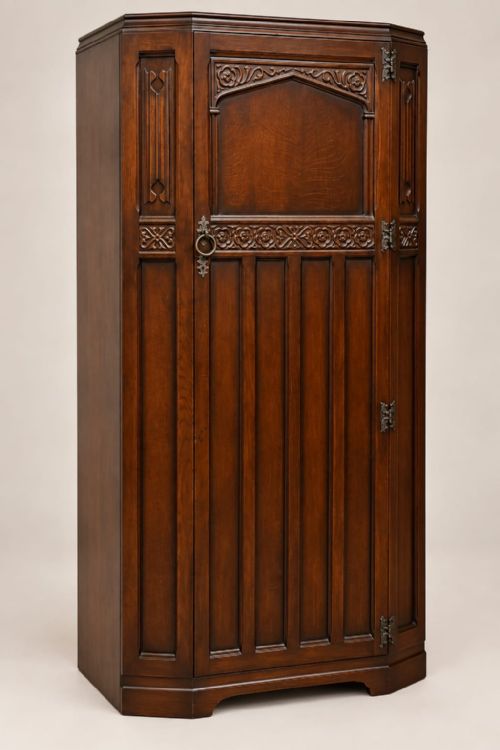
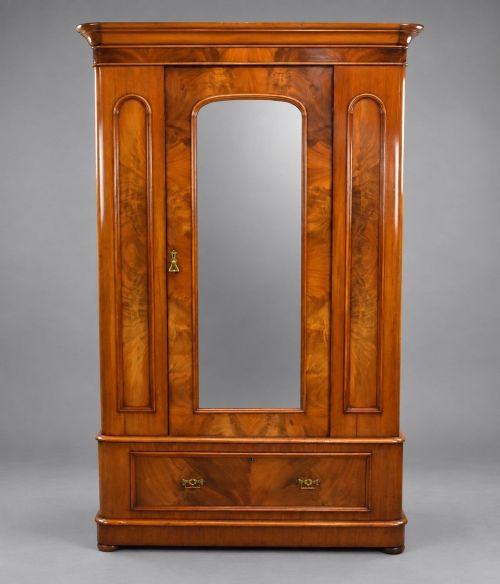
The most common examples on this page are generous Victorian and Edwardian mahogany or oak wardrobes alongside earlier Georgian linen presses. Buyers find everything from single-door oak cupboards to large triple wardrobes and compactum configurations in burr walnut or pine.
Materials and Construction
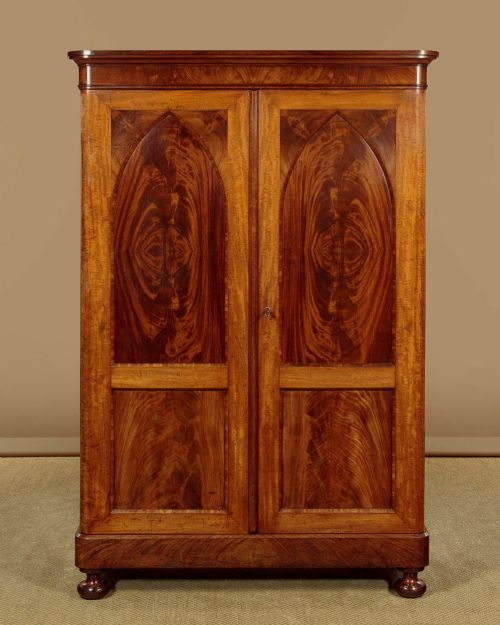
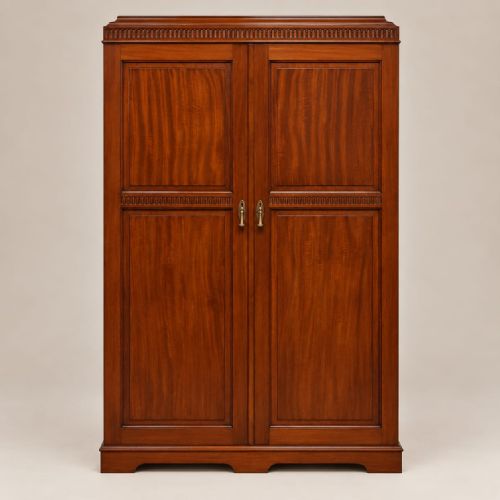
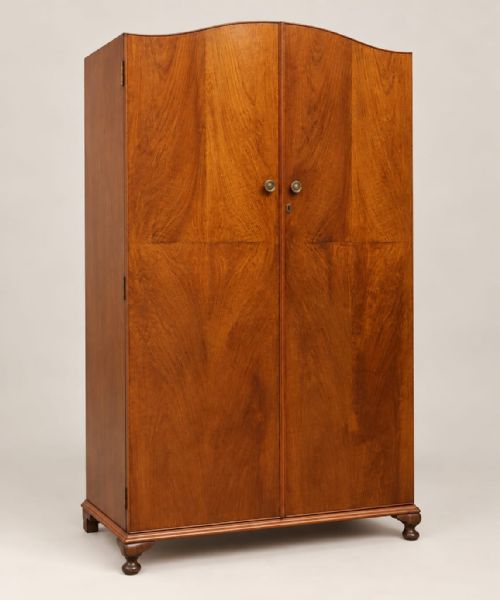
Cabinet makers relied heavily on timber such as mahogany, oak, walnut and pine, often selecting figured grains like burr walnut or flame mahogany for primary display surfaces. Solid panels, dovetail joints and brass hardware form the structural core of these pieces, ensuring enduring strength.
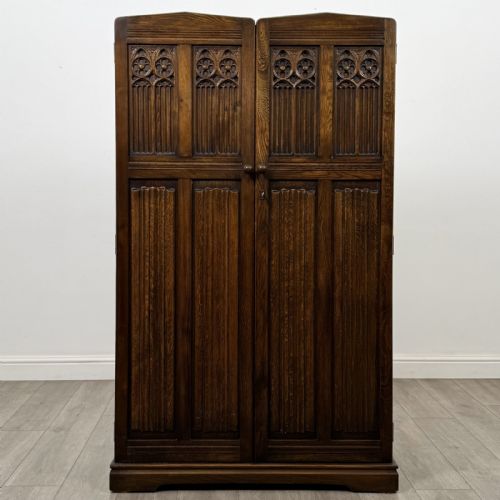
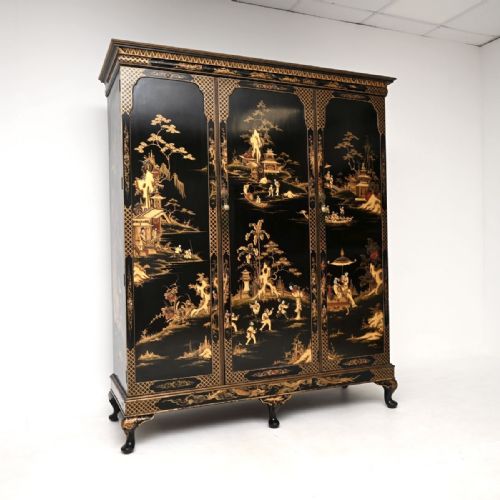
Decorative techniques include carved detailing, dentil cornices, satinwood inlay and lacquered Chinoiserie finishes. Many larger cupboards break down into sections for transport, utilising pegged joints and internal screw bolts.
Several cupboards still retain faint traces of historical dried lavender tucked inside deep mahogany drawers to keep woolens fragrant.
Judging Quality
The distinction between ordinary and exceptional pieces rests upon timber selection, proportion and the crispness of secondary details like inlay or carving. A top-tier cupboard exhibits book-matched veneers, harmonious architectural proportions and original brass handles that sit correctly within the design.
Interior configuration also dictates distinction, separating simple hanging spaces from sophisticated fitted compartments with sliding trays, linen slides and graduated drawers. The integrity of the timber movement and the depth of the polish reflect the original workshop standards.
Hille for Harrods·Maple and Co
The Antique Clothing Cupboard Glossary
- Linen press
- A two-part cabinet with sliding trays or shelves enclosed by upper doors, set above a chest of base drawers. These units were historically used for storing household linen flat.
- Compactum
- A fitted wardrobe divided internally to accommodate hanging space, drawers and shoe racks within a single footprint. This efficient design gained popularity during the late nineteenth and early twentieth centuries.
- Dentil cornice
- A classical architectural moulding featuring a row of small, rectangular blocks resembling teeth beneath the top edge of the cupboard. This detail frequently appears on Georgian pieces.
- Linenfold
- A carved wooden panel motif that imitates folded fabric or linen cloth. It is a traditional decorative feature often seen on oak pieces and revival styles.
- Flame mahogany
- A veneer cut from the fork of the mahogany tree, producing a distinctive flickering flame pattern. Cabinet makers used this timber on prominent doors to create visual movement.
Antique Clothing Cupboard: Frequently Asked Questions
Will an antique clothing cupboard fit modern clothes hangers?
Many older wardrobes possess shallower internal depths than modern counterparts because historical garments were slimmer or stored folded. Buyers should measure the internal hanging depth before planning daily use.
Some pieces utilise sliding pull-out rails running front-to-back rather than traditional side-to-side hanging poles to accommodate standard coat hangers within narrower frames.
How do I dismantle a large wardrobe for moving?
Most large Victorian and Georgian cupboards break down into modular components including the cornice, base, two sides and doors. This modular construction allowed historical craftsmen to transport heavy timber furniture up narrow staircases.
Screws, wooden pegs and interior bolts hold the primary sections together. Labeling each component during disassembly ensures straightforward reassembly in a new room.
How do I care for antique wood finishes?
Timber surfaces require protection from direct sunlight, central heating and excessive humidity to prevent the wood from splitting or warping. Maintaining a stable indoor climate preserves the stability of large panels.
Applying a traditional beeswax polish periodically nourishes the grain and maintains the lustre. Avoid modern silicone sprays that build up and damage historical shellac or wax finishes.