
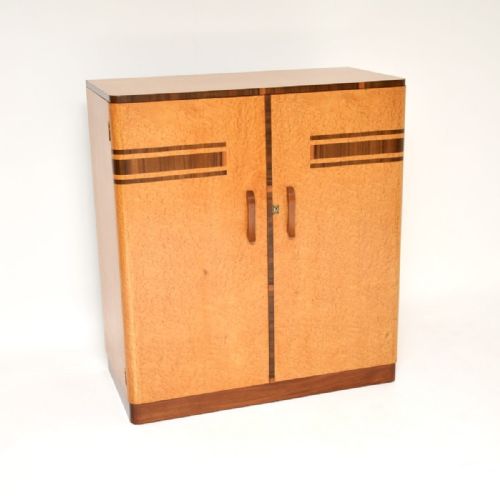
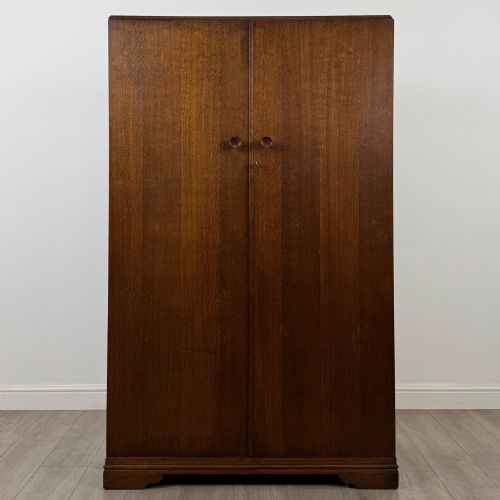
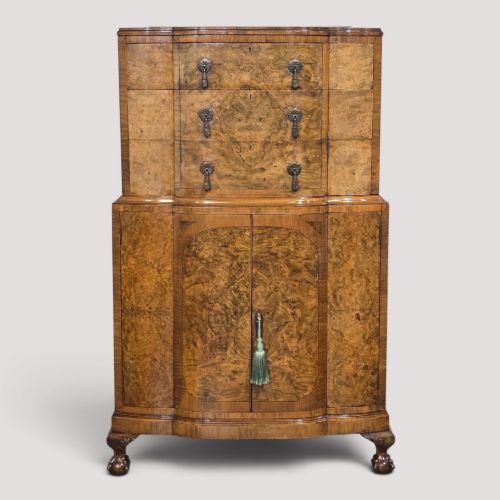
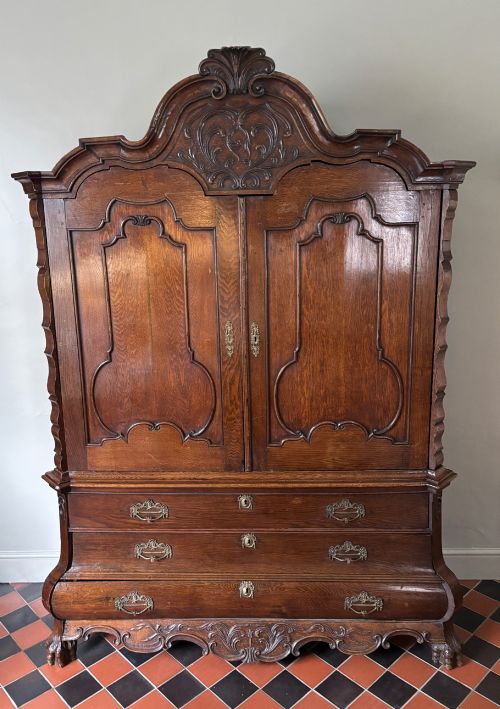
Antique Clothing Cabinet
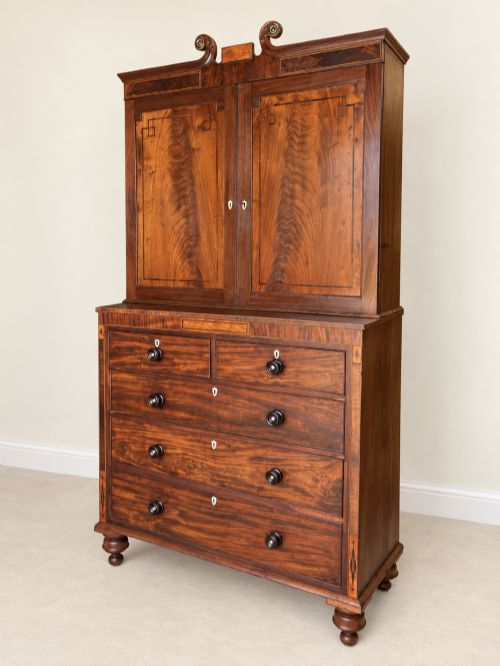
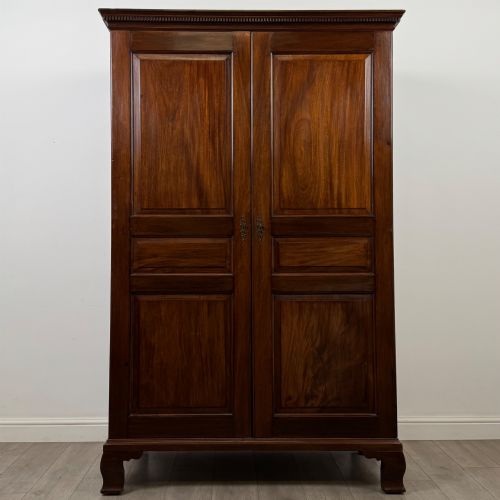
An antique clothing cabinet is a substantial domestic storage piece, offering hanging space and drawer capacity in timber from mahogany to pine.

Antique Clothing Cabinet
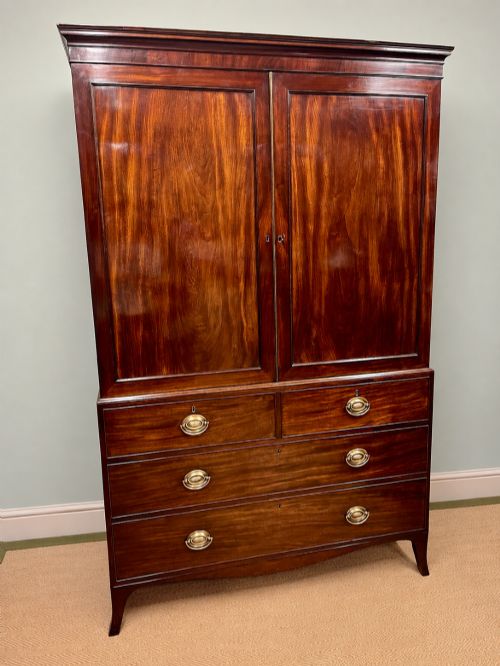
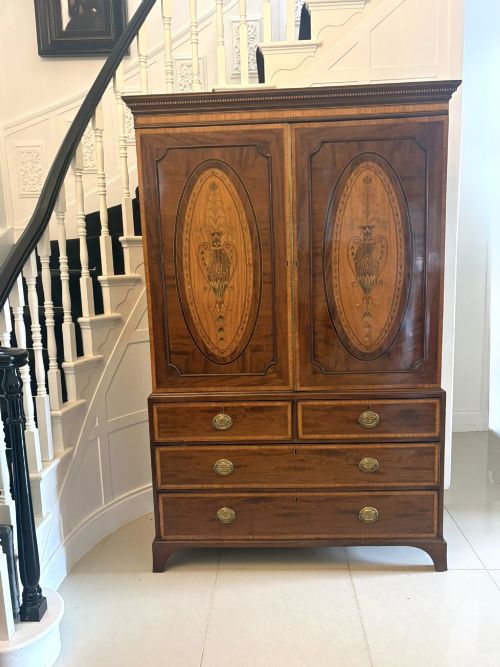
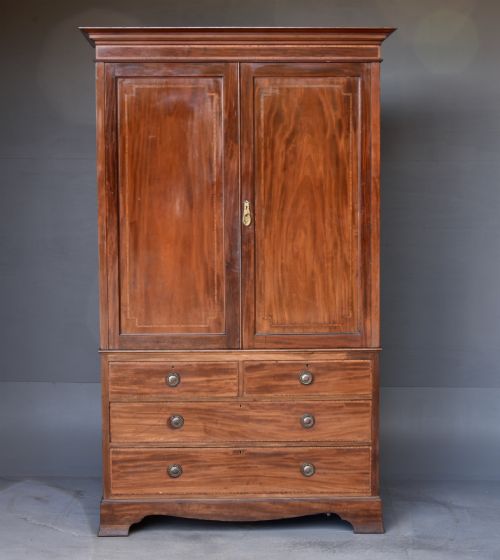
An antique clothing cabinet encompasses wardrobes, linen presses, armoires, and press cupboards spanning the eighteenth, nineteenth, and early twentieth centuries. Buyers search for these pieces to obtain deep storage solutions that combine traditional joinery with period timber character.
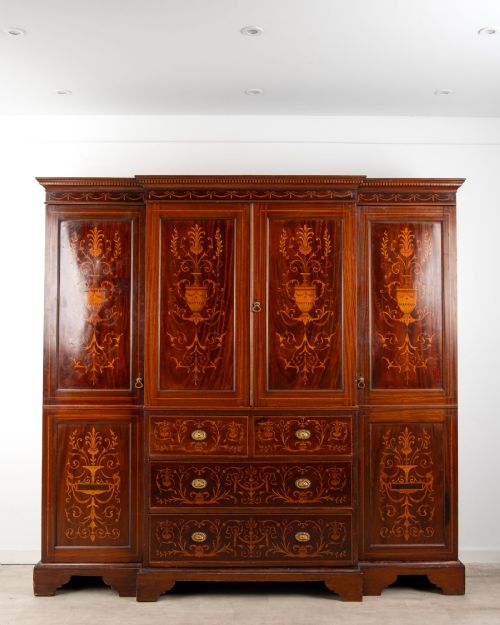
The selection on this page relies heavily on nineteenth-century and Edwardian examples, alongside Georgian, Victorian, and later pieces from the nineteen-twenties and nineteen-thirties. Forms range from compact single and double wardrobes to massive breakfront linen presses and fitted triple wardrobes.
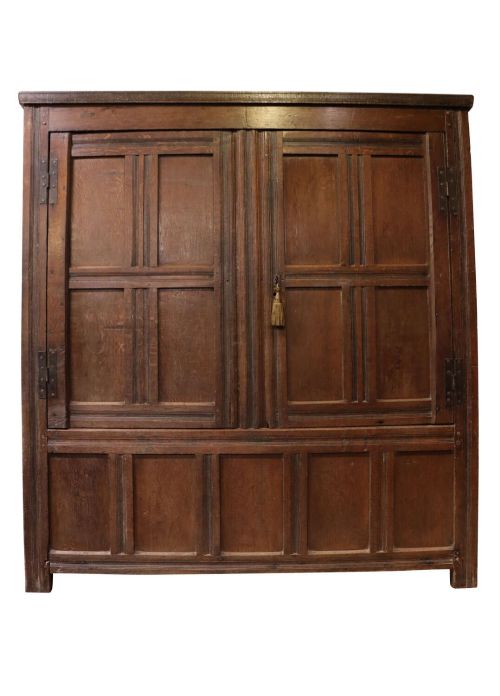
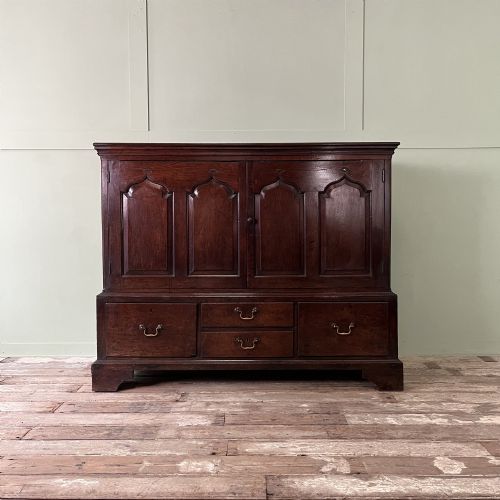
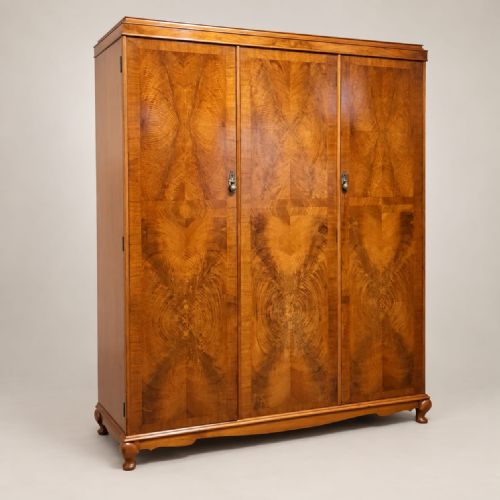
Regional variations appear across the inventory, including French cherry and pine armoires, Scottish Arts and Crafts pine pieces, Welsh oak cupboards, and English mahogany or burr walnut designs. Buyers encounter everything from tall gentleman's wardrobes with internal drawer banks to low cottage cupboards.
How they were made
Cabinet makers utilised dense hardwoods such as mahogany, walnut, burr walnut, oak, and satinwood, alongside softer timbers like pine and ash for carcass construction and internal shelving. Timber selection determined whether the piece received a fine polished finish or a waxed surface.
Decoration relied on skilled craft techniques including satinwood inlay, marquetry, blind fretwork cornices, and carved detailing specific to styles like Arts and Crafts, Art Nouveau, and Art Deco. Structural hardware incorporated heavy brass handles, hinges, and escutcheons to support large panelled doors.
Common functional forms include gentleman's wardrobes, linen presses, compactums, and corner robes.
What varies in quality
Quality differentiates through timber selection and the complexity of internal fitting, where burr walnut veneers, satinwood stringing, and fully fitted sliding drawer banks elevate a piece above standard hanging compartments. The precision of marquetry and carved ornamentation also separates standard utility furniture from high-status commissions.
Construction methods dictate longevity, distinguishing knockdown carcasses designed for transport from rigid pegged or dovetailed frames. Original brass hardware, sound panel movement, and intact cornices preserve the integrity of the piece.
maples & co
The Antique Clothing Cabinet Glossary
- Linen press
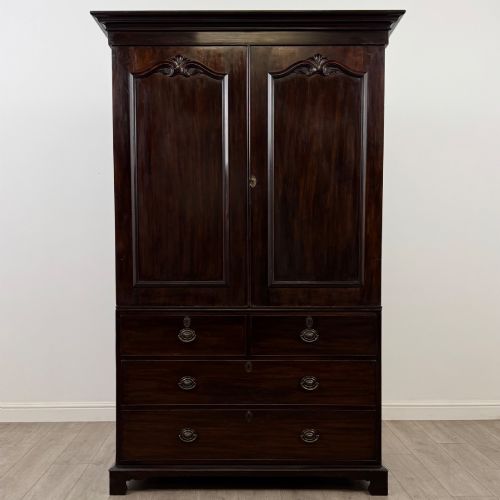
- A dual-purpose storage piece featuring sliding trays or drawers in the upper section enclosed by doors, positioned above a chest of base drawers. This form evolved to keep linens flat and protected from dust.
- Compactum
- A fitted wardrobe designed to maximise internal storage by combining hanging space, linen slides, and shoe drawers within a single carcass. These pieces often date from the Edwardian period onwards.
- Blind fretwork
- Carved ornamentation applied to solid timber cornices or friezes in low relief, creating a patterned band without piercing the wood completely. This decorative technique appears frequently on eighteenth-century and Georgian pieces.
- Breakfront
- A cabinet facade where the central section projects forward from the flanking wings. This architectural arrangement creates depth and visual balance on large wardrobes and linen presses.
- Knockdown wardrobe
- A large storage cabinet constructed with pegged or bolted joints allowing the main sections to separate for transport into rooms. This design facilitated movement in large nineteenth-century houses.
Antique Clothing Cabinet: Frequently Asked Questions
What is a linen press?
A linen press is a tall storage cabinet that combines sliding trays or shelves behind upper doors with a bank of drawers in the lower base section. Originally built to store household linens flat, these pieces offer deep internal capacity.
Today, buyers frequently utilise the upper section for folded garments or entertainment equipment while keeping the lower drawers for smaller items.
How do I identify a compactum wardrobe?
A compactum is a multi-functional wardrobe designed to house various types of clothing within a single integrated footprint. You will typically find hanging space on one side alongside fitted drawers and linen slides on the other.
These pieces emerged strongly during the Edwardian era to provide comprehensive bedroom storage without requiring multiple separate furniture items.
Are antique wardrobes easy to move?
Many large nineteenth-century wardrobes and linen presses were constructed as knockdown pieces, meaning the cornices, base units, and side panels bolt or peg apart for transport. This modular design allowed historical makers to deliver massive furniture up narrow staircases.
Solid, non-dismantling wardrobes require careful measurement of room entryways and ceiling heights before purchase.
What is the difference between an armoire and a wardrobe?
An armoire is a traditional continental European cupboard, often originating from France, featuring deep proportions and decorative panelled doors. Wardrobes developed primarily within British cabinet making as dedicated structures for hanging garments.
In modern terminology, the terms often overlap, though continental pieces frequently retain shallower hanging depths requiring clothes to face forward.