

Antique Closet
An antique closet is a substantial place for storage, and these pieces bring period character and timber grain to a bedroom.
Antique Closet
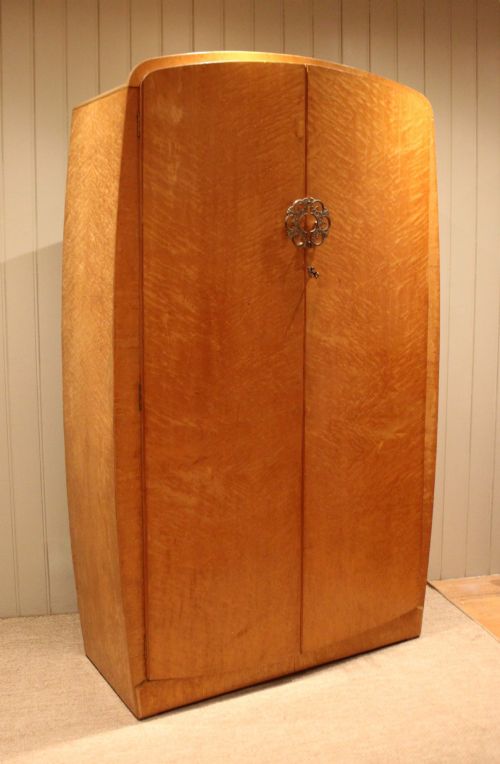
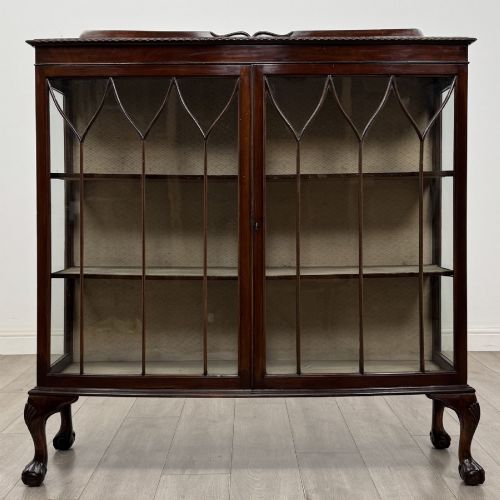
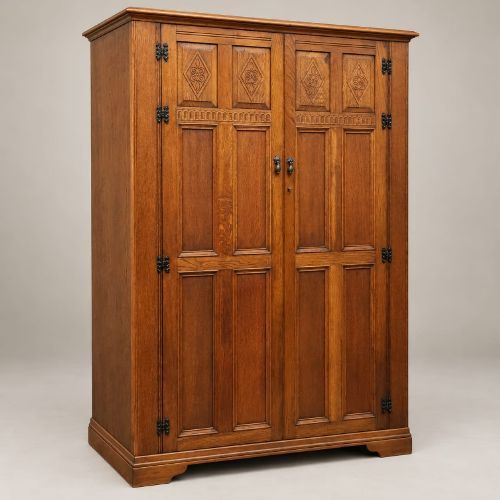
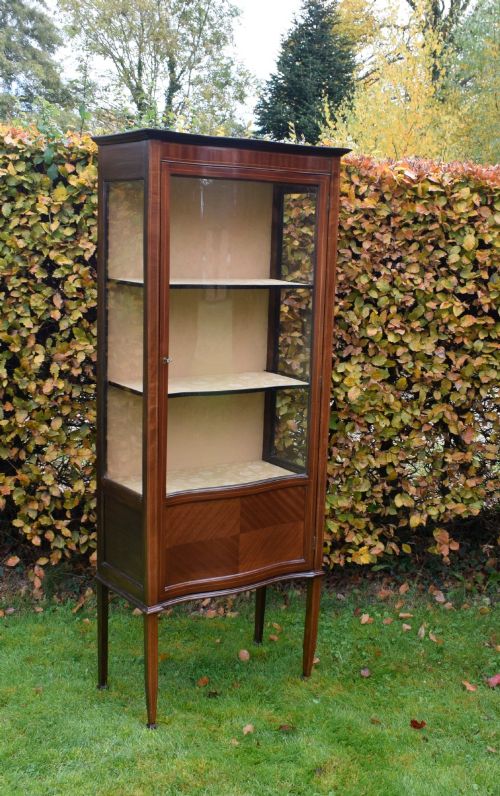
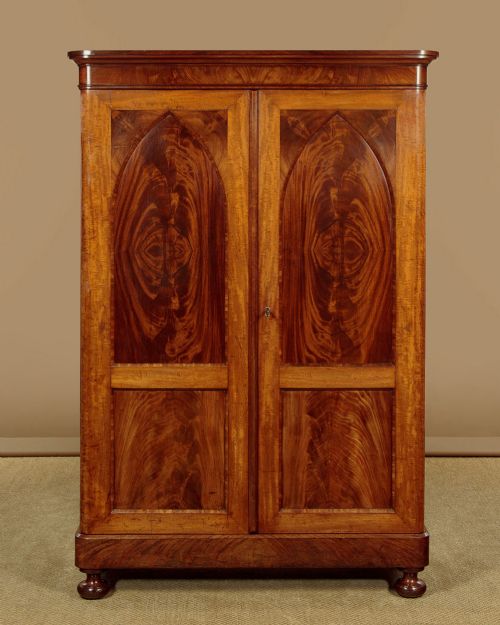
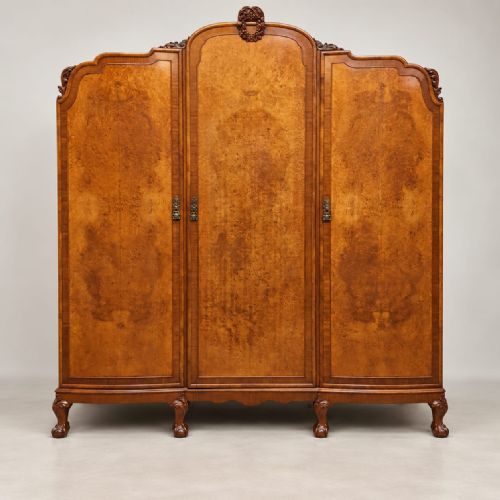
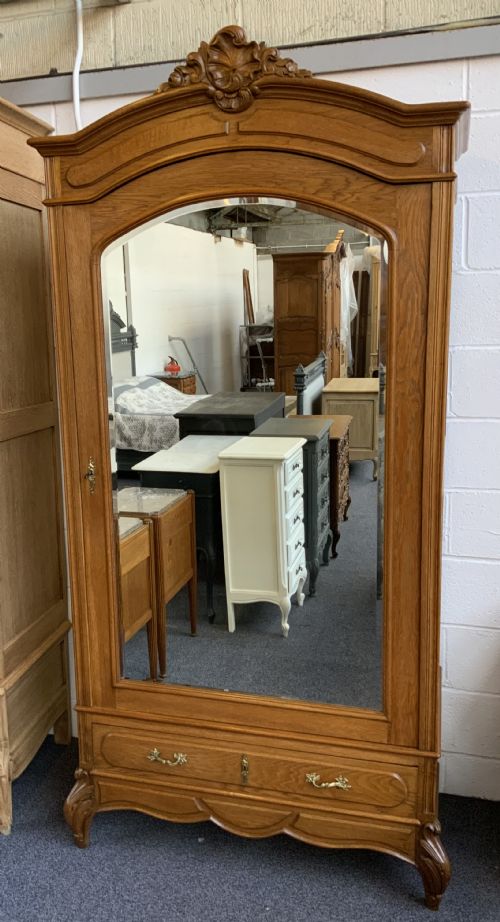
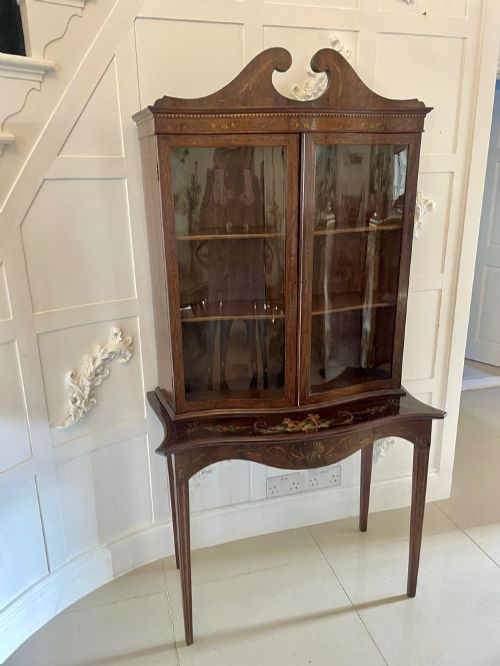
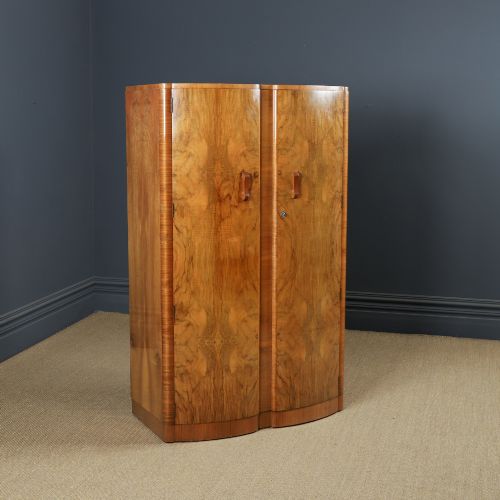
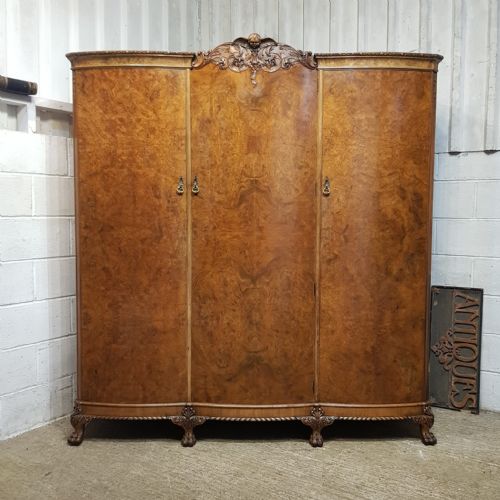
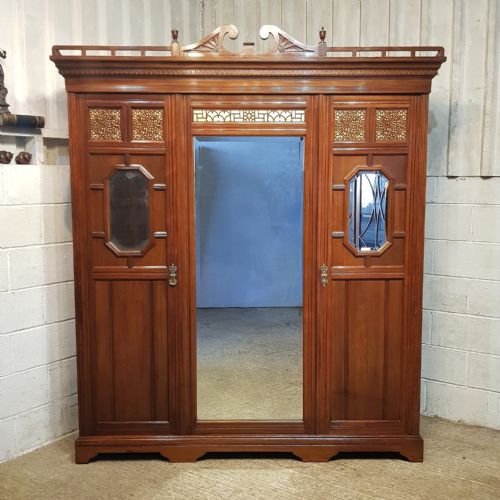
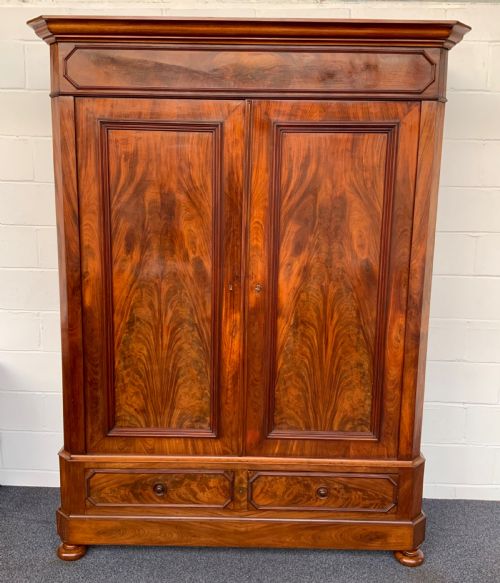
When you search for an antique closet, you encounter large storage pieces that span several centuries and styles. The selections on this page lean heavily towards wardrobes, armoires, and display cabinets from the Victorian, Edwardian, and Art Deco eras.
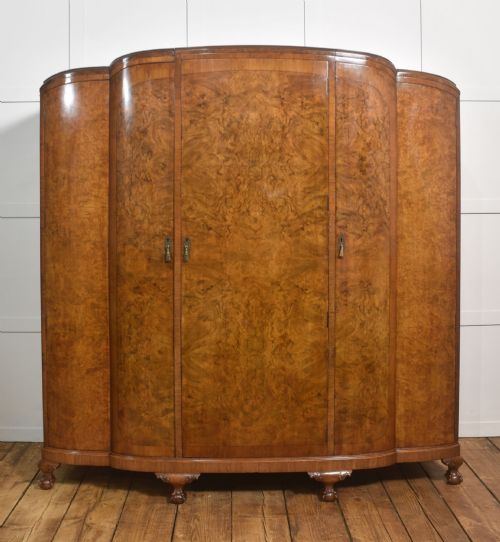
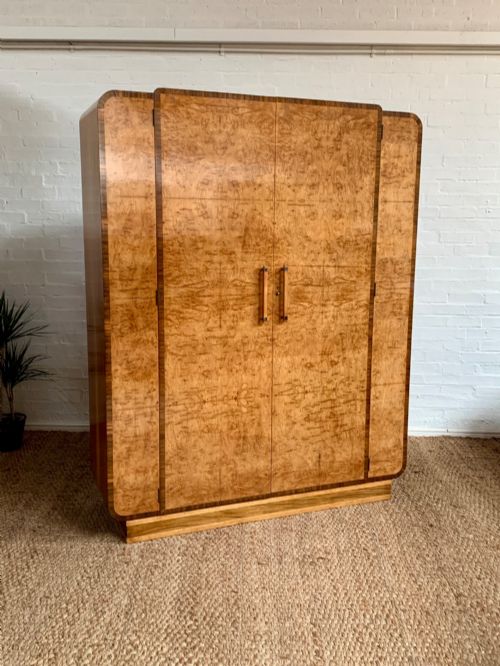
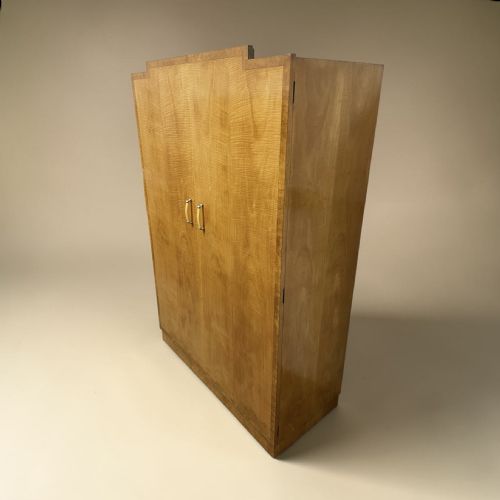
You meet various forms ranging from compact single door models to grand triple wardrobes and serpentine front designs. Materials shift from traditional oak and mahogany to burr walnut and satinwood, reflecting the changing tastes of domestic interiors.
Materials and construction
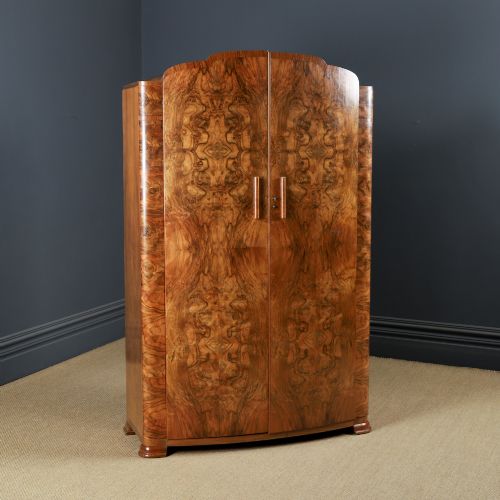
Cabinet makers relied on solid hardwoods like oak, mahogany, and walnut, often applying decorative veneers such as burr walnut and flame mahogany to large panel surfaces. Hand carving appears on French armoires and Dutch marquetry pieces, showing meticulous attention to detail.
Brass hardware provides structural and visual accents on doors and fittings. Interiors frequently incorporate fitted shelving, hanging space, and drawers constructed with traditional joinery methods.
Antique Closet Retail Price Guide 2026
Typical asking prices for closet among the pieces listed under this phrase on Sellingantiques today, from the lower quarter to the upper quarter. They describe what is for sale here now, not the wider market.
One unexpected toilet with a seat sits among the grand wardrobes and display cabinets.
Judgments of quality
The standard of timber selection and veneer matching defines the upper tier of these pieces. Grain alignment across multiple doors and curved fronts requires exceptional skill from the maker.
Original painted decoration, hand-carved elements, and documented maker attribution elevate individual pieces above standard production models of the same period.
Waring and Gillow·Harry and Lou Epstein·Jean Faure
The Antique Closet Glossary
- Armoire
- A tall cupboard or wardrobe, typically of French origin, with hinged doors enclosing shelves or hanging space. These large pieces often feature deep cornices and panelled doors.
- Burr walnut
- A prized timber veneer taken from the wart-like growths on walnut trees. It yields complex, swirling grain patterns highly valued in Art Deco cabinet making.
- Marquetry
- The art of applying pieces of veneer to a structure to form decorative patterns and pictures. Dutch examples frequently display floral and scroll motifs.
- Vitrine
- A glass-fronted display cabinet used for showcasing porcelain and small collectibles. Edwardian and Victorian versions often incorporate satinwood inlay.
- Serpentine front
- A curved furniture front with a convex centre flanked by concave ends. This shaping demands advanced woodworking precision.
Antique Closet: Frequently Asked Questions
What is the difference between a wardrobe and an armoire?
An armoire is traditionally a French standing cupboard with doors, while a wardrobe is the broader British term for a tall piece designed to hold clothes.
In practice, antique dealers often use both terms interchangeably for large timber storage furniture.
How do I date an antique closet?
Dating relies on identifying timber choices, construction techniques, and stylistic markers such as Art Deco geometry or Victorian carving.
Cabinet hardware and interior fittings also offer reliable clues to the decade of manufacture.
Are these closets easy to dismantle for transport?
Many large wardrobes and armoires from the nineteenth and twentieth centuries were built to be taken apart.
Bolt-together construction allows the cornice, base, and sides to separate for moving through doorways.