





Antique Cloches
These antique cloches unite glass covers and metal food covers from the Georgian and Victorian eras, protecting precious displays or keeping roasts warm at the dining table.
Antique Cloches
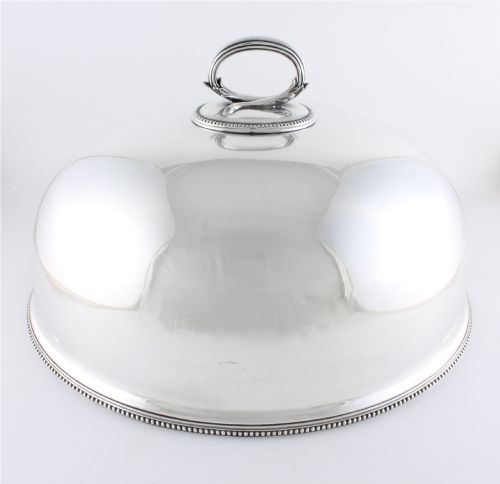
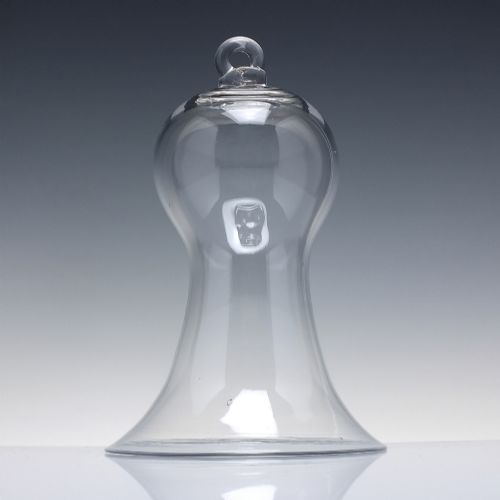
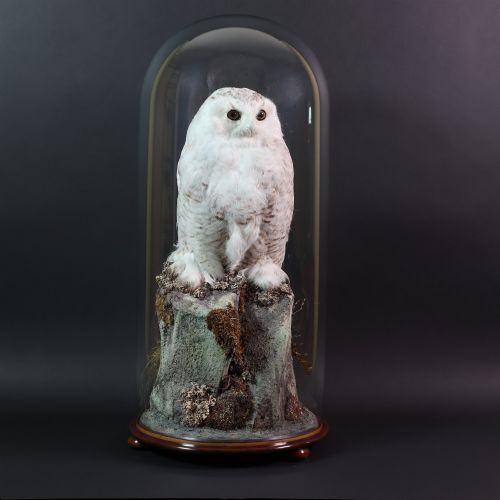
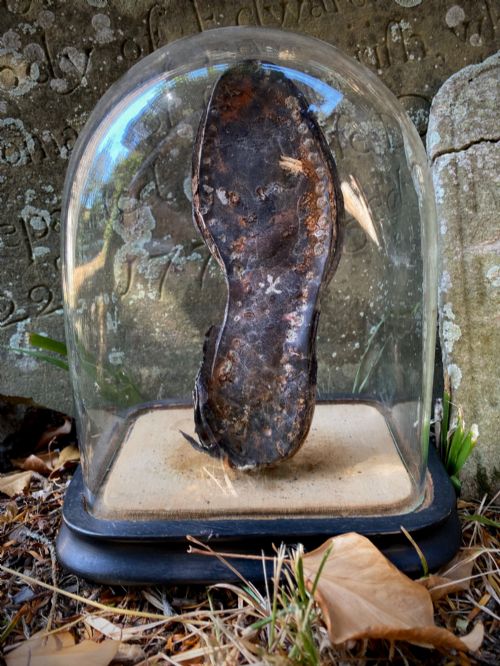
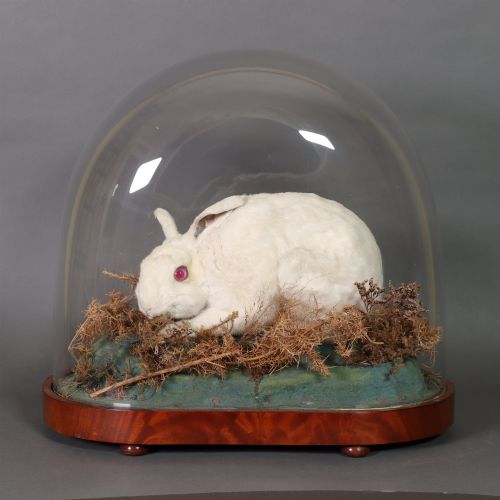
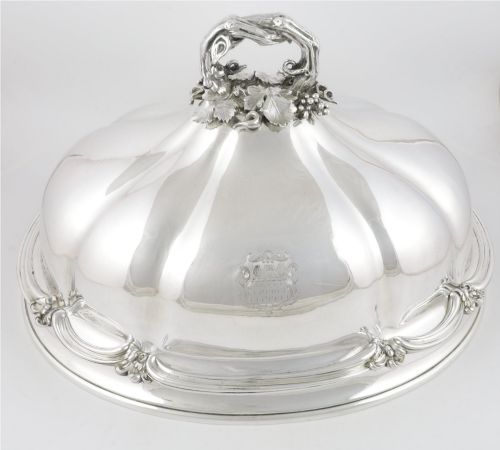
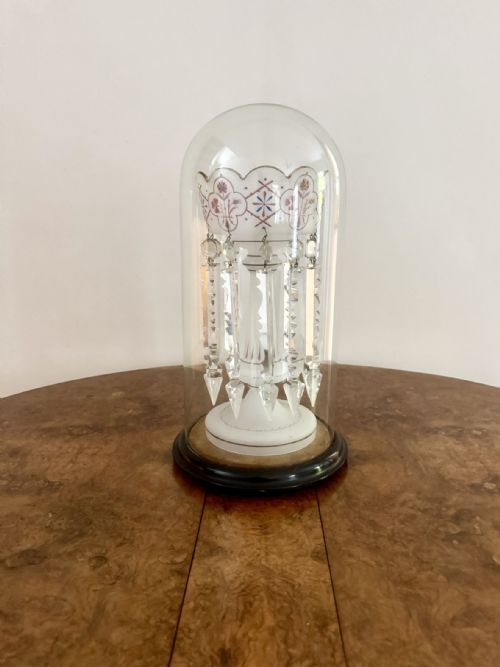
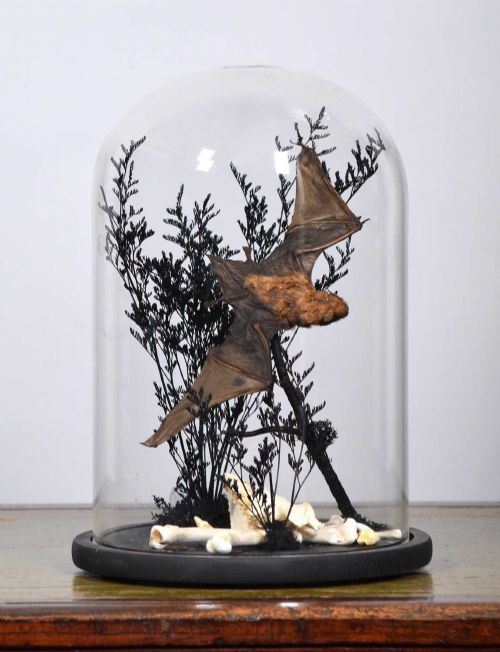
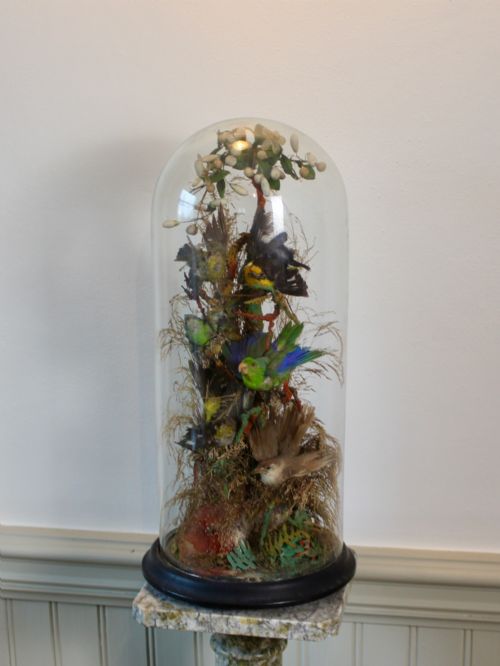
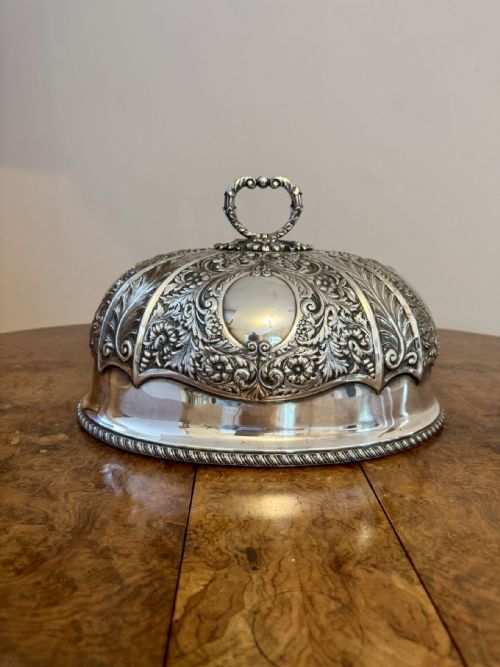
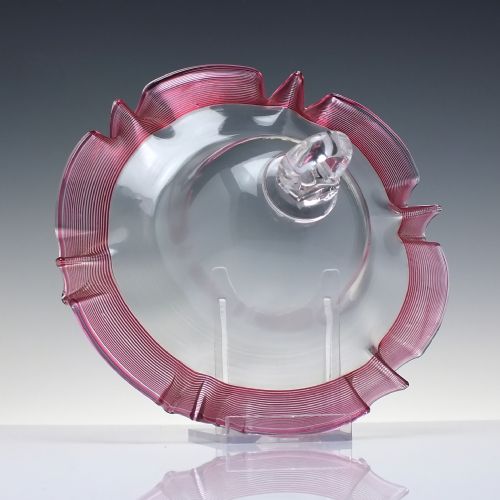
When buyers search for antique cloches, they encounter two distinct forms: tall glass display domes created to house taxidermy, clocks and botanical arrangements, and heavy metal meat covers designed for the dining table. The pieces available span the Georgian, Victorian and Edwardian periods, reflecting domestic preoccupations with presentation and preservation. You will frequently meet glass domes mounted on wooden bases alongside Old Sheffield Plate and silver plated food covers.
Display varieties range from flat-sided cases to grand parlour domes enclosing birds, beadwork bouquets and skeleton clock movements. Meat domes and game covers showcase sturdy metal construction, sometimes bearing the marks of notable makers from the nineteenth century. These objects served utilitarian and decorative functions in period homes, functioning as table service items or parlour showcases.
What varies in quality
The distinction between ordinary and exceptional pieces rests upon the clarity and weight of the glass, the precision of the turned wooden base, and the crispness of applied metal ornamentation. Superior meat domes demonstrate heavier plating, balanced proportions and substantial handles, while finer glass domes display minimal distortion and heavy, well-seasoned timber platforms.
Maker attribution elevates certain pieces above standard anonymous production. Items carrying the punch marks of recognised silversmiths or taxidermists command greater attention from collectors due to documented provenance and superior workshop standards.
Antique Cloches Retail Price Guide 2026
Typical asking prices for cloches among the pieces listed under this phrase on Sellingantiques today, from the lower quarter to the upper quarter. They describe what is for sale here now, not the wider market.
James Gardner·Roberts Cadman·Henry Wilkinson·Boulton·Henry Ward·A Pollard
The Antique Cloches Glossary
- Old Sheffield Plate
- A composite material formed by fusing a sheet of silver to a copper ingot before rolling them together into plates. This technique was widely utilised before modern electroplating became standard.
- Meat dome
- A heavy metal cover shaped to fit over platters of roast meat or game at the dining table. They maintained food temperature and cleanliness during grand meals.
- Clock dome
- A tall glass cover specifically manufactured to shield delicate skeleton clock movements and dial mechanisms. They preserve mechanical parts from atmospheric dust.
Antique Cloches: Frequently Asked Questions
How do I clean an antique glass dome?
Wash the glass gently with lukewarm water and a mild detergent, avoiding harsh abrasives that could scratch the historic surface. Take care when handling large blown glass covers, as older glass can be fragile.
Lift the dome straight up from its base rather than tilting it to prevent chipping the lower rim against the wooden groove. Dry the glass thoroughly with a soft cloth before returning it to the display.
What were glass domes used for?
Victorian households utilised glass domes to display delicate taxidermy specimens, botanical arrangements, and intricate beadwork bouquets while protecting them from dust. They also covered skeleton clocks to keep the intricate gear trains clean.
These showcases allowed owners to display prized possessions in parlours and drawing rooms. The transparent cover elevated ordinary keepsakes into protected focal points of interior decoration.
How do I date an antique meat dome?
Examine the metal composition and manufacturing marks stamped on the interior or rim of the cover. Old Sheffield Plate items from the Georgian era typically display copper showing through worn edges where the fused silver layer is thin.
Victorian silver plated pieces often utilise electroplating techniques introduced later in the nineteenth century. Maker stamps and crests also provide key clues to the decade of production.
Can I display items without the original base?
Matching a dome to an unrelated base requires careful measurement of the inner rim diameter and the groove width. Antique glass domes were individually fitted to turned wooden bases during manufacture.
Using an incorrect base risks instability or cracking if the glass rests unevenly against the timber. Whenever possible, keep the dome and its original ebonised or oak platform together.