
Antique Clear Wine Glass
An antique clear wine glass holds the history of centuries past, offering a tangible connection to the drinking habits of Georgian and Victorian collectors.
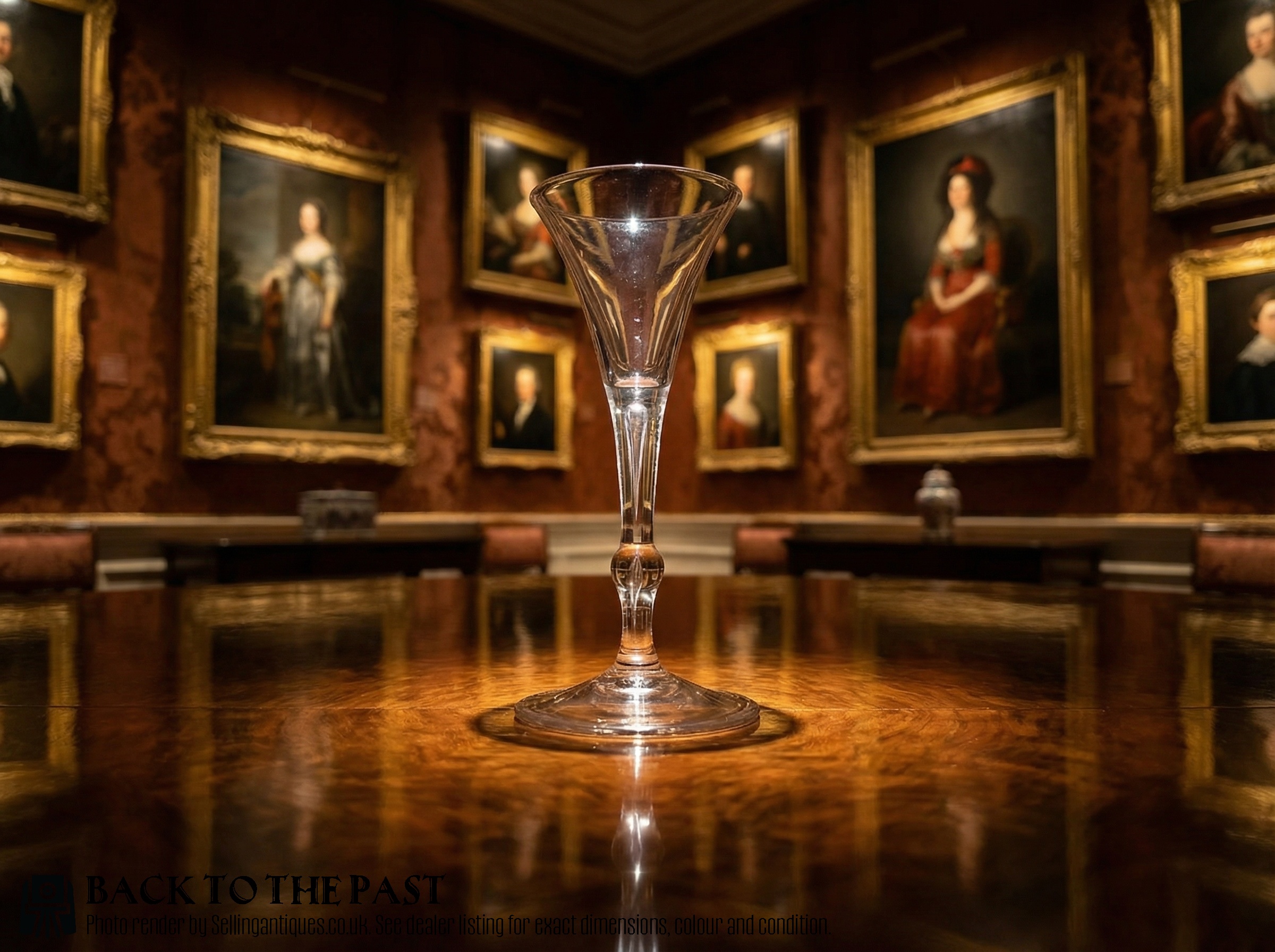
Antique Clear Wine Glass
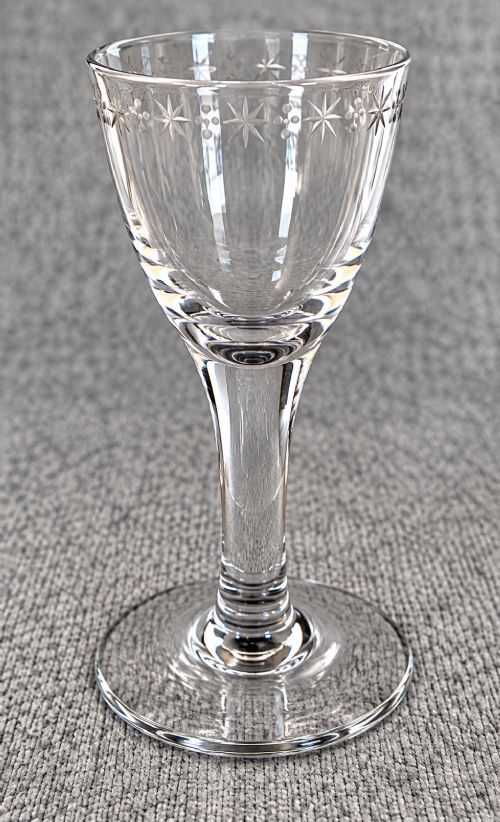
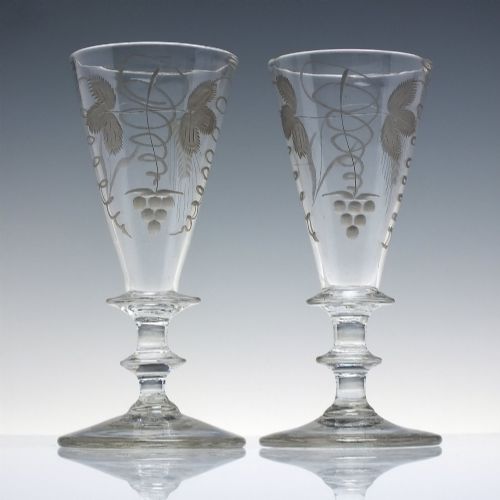
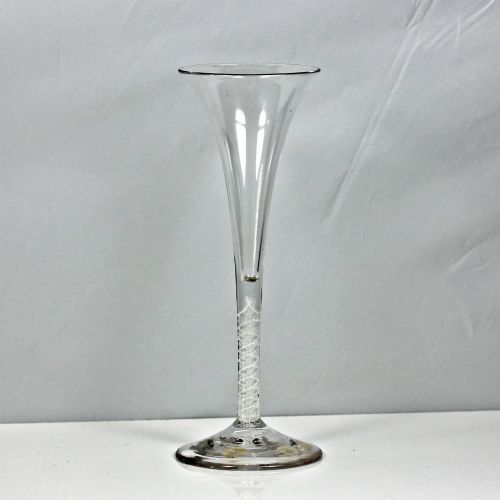
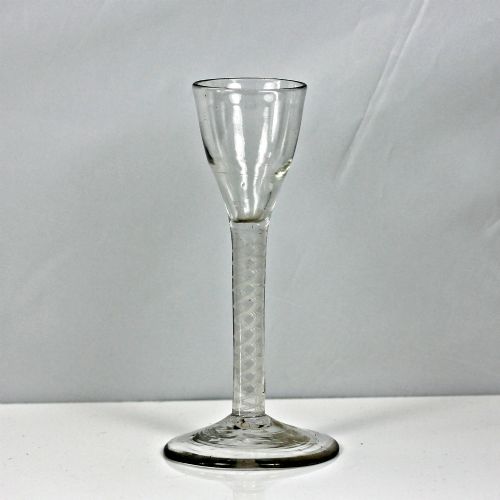
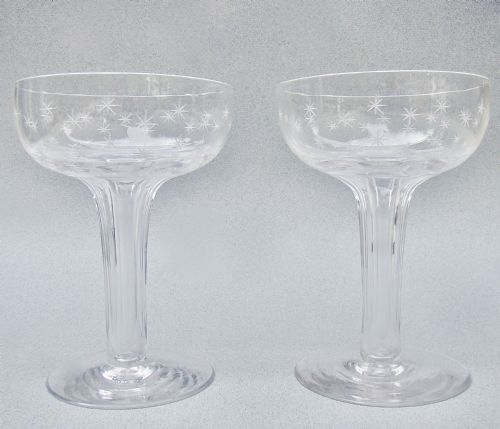
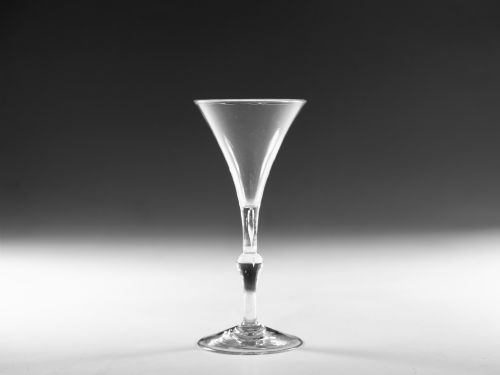
When you search for an antique clear wine glass, you encounter drinking vessels spanning the Georgian, Victorian, and Edwardian periods. These pieces include delicate trumpet-bowl stems, opaque twists, and faceted styles designed for the table.
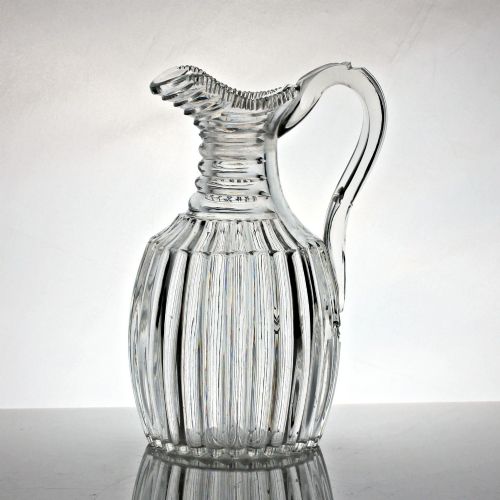
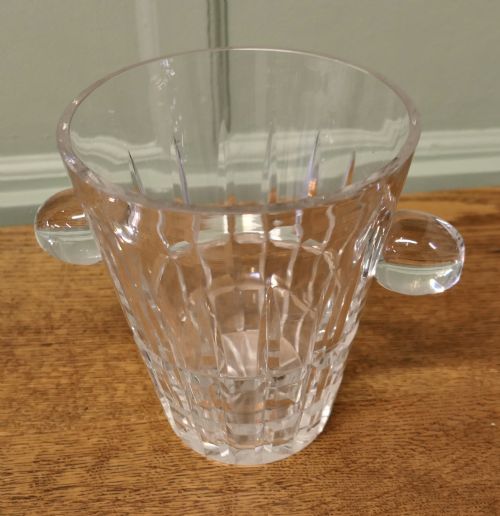
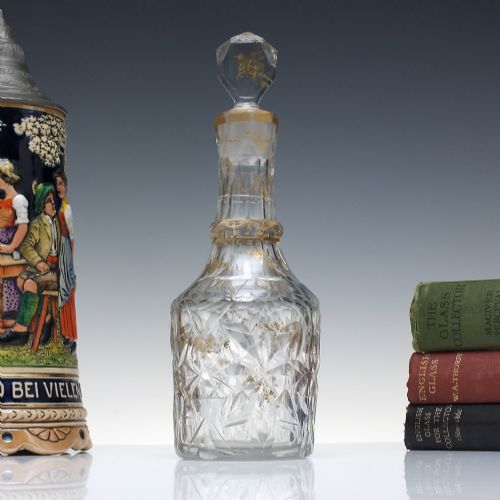
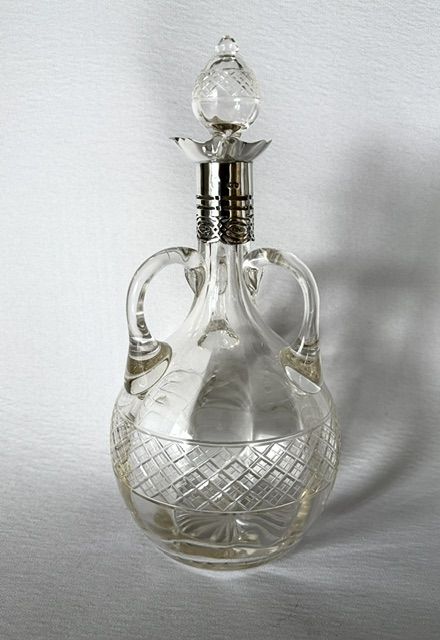
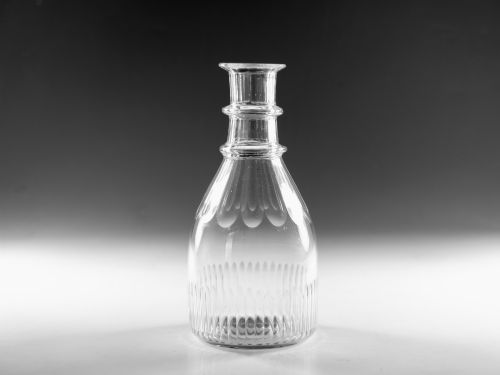
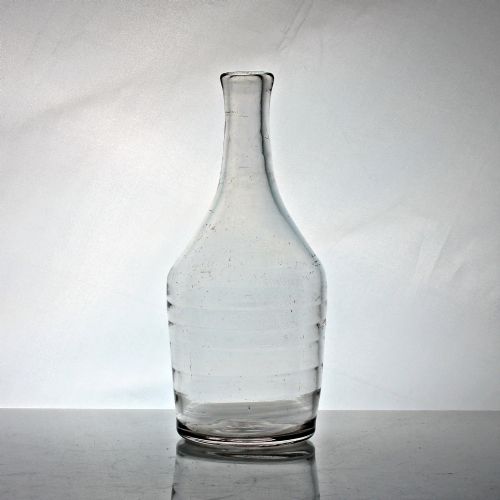
The assortment extends beyond individual glasses to incorporate larger rummers, carafes, and decanters. Such objects reflect the changing dining customs and glassware production methods across the eighteenth and nineteenth centuries.
Originating predominantly from English and continental workshops, these items demonstrate a continuity of form combined with evolving decorative techniques. Collectors find everything from simple tavern glasses to elaborately engraved ceremonial goblets.
Assessing craftsmanship
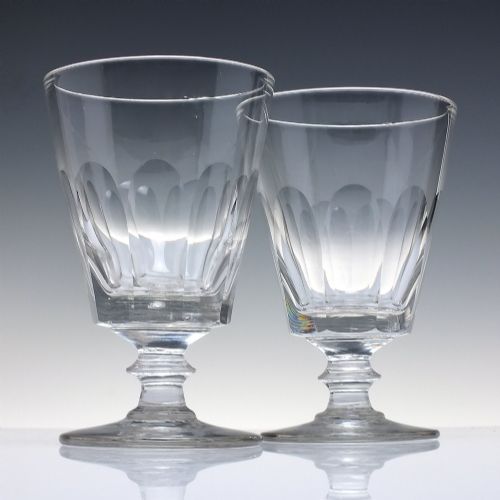
Quality rests in the crispness of the wheel-cut facets and the symmetry of the bowl and foot. Superior examples show careful attention to proportions, particularly in the balance between stem thickness and bowl capacity.
The clarity of the metal itself distinguishes finer items from utilitarian wares. Subtle details, such as the precision of engraved pan tops or the regularity of twist canes inside a stem, separate standard production from masterwork output.
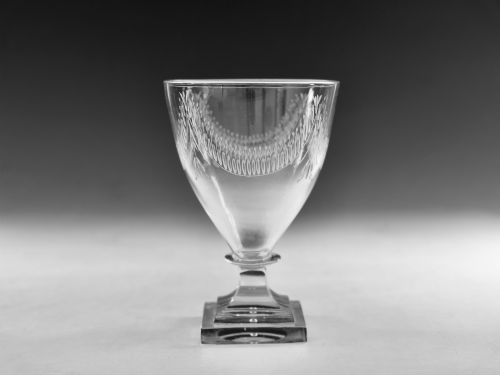
One cheerful rummer bears the convivial engraved toast 'Women & Wine', celebrating eighteenth-century social life in clear glass.
James Giles·Moser·PH Vogel
The Antique Clear Wine Glass Glossary
- Lead glass
- Glass containing lead oxide that increases density, brilliance, and working time for cutting. This material became standard for British tablewares from the late seventeenth century onwards.
- Baluster stem
- A thick, swelling stem form reminiscent of architectural balusters, common on Georgian drinking vessels. It adds physical weight and stability to the piece.
- Opaque twist
- A decorative inclusion inside a glass stem created by drawing out white or coloured enamel glass rods within clear metal. These formations appear in single or double series configurations.
- Rummer
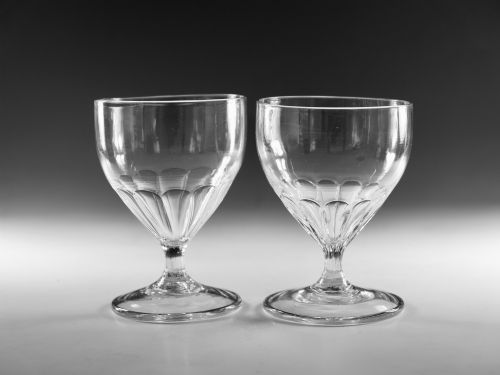
- A large, heavy-bowled drinking glass popular during the late eighteenth and nineteenth centuries for wine, ale, or punch. They usually feature short, sturdy stems and wide foot bases.
Antique Clear Wine Glass: Frequently Asked Questions
How do I identify a Georgian wine glass?
Georgian wine glasses typically display characteristic stem formations such as air twists, opaque twists, or heavy baluster knops. The metal often exhibits a characteristic greyish tone and minor surface wear appropriate to its age.
Examination of the foot reveals a snapped pontil mark underneath where the glass was detached from the blowpipe. Bowl shapes range from round funnels to pan tops, frequently adorned with simple wheel-engraved motifs.
Can I use antique glassware for dining?
Many collectors choose to utilise robust nineteenth-century rummers and heavy stemware for special occasions. Hand washing in tepid water without abrasive detergents preserves the delicate surfaces and old metal.
Sudden temperature changes should be avoided to prevent thermal shock in old lead glass. Storing pieces safely away from vibrations protects thin rims and fragile stems from accidental damage.
What is an opaque twist stem?
An opaque twist stem contains fine white enamel threads encased within the clear glass of the stem. Makers produced these by twisting canes of opaque white glass inside molten metal before drawing and shaping the stem.
These optical effects appear in single or double series patterns, highly prized by collectors of mid-eighteenth-century drinking vessels. The technique requires considerable skill to maintain uniform thickness throughout the spiral.
How do Victorian glasses differ from Georgian ones?
Victorian glasses generally feature heavier proportions, machine or deeper mould-blown facets, and broader decorative repertoires including star-etching. Technological advancements during the nineteenth century allowed for more consistent production methods and larger vessel forms.
While Georgian pieces often emphasise tactile stem construction and understated engraving, Victorian examples lean towards brilliant cut crystal and ornate decorative pairings with silver plate.