


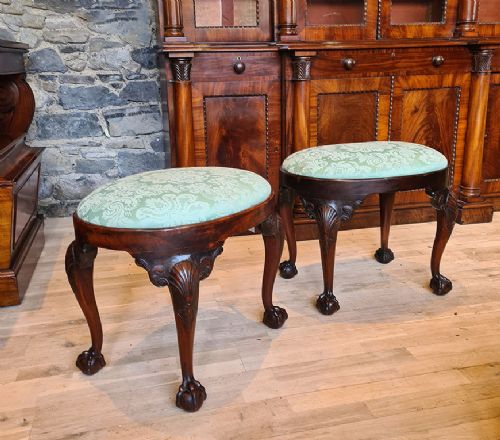
Antique Claw Footstool
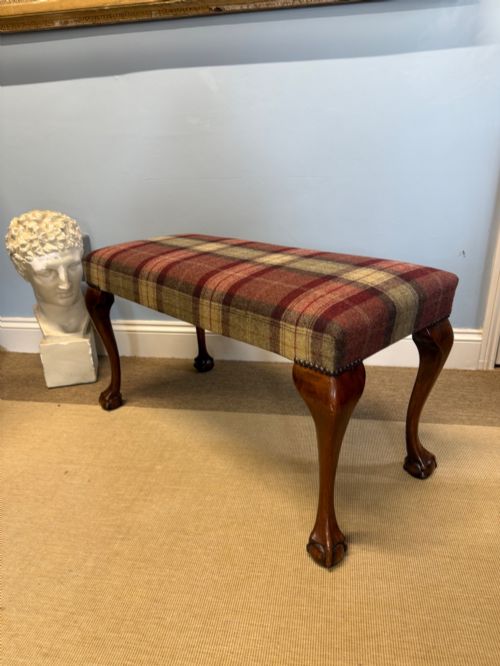
An antique claw footstool grounds a room with traditional timber and carved detail, offering sturdy support and historic character.
Antique Claw Footstool
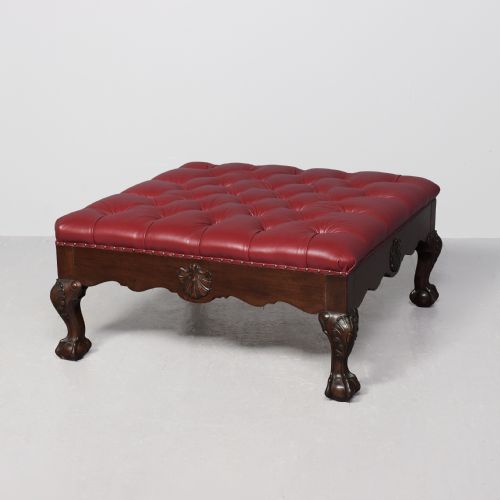
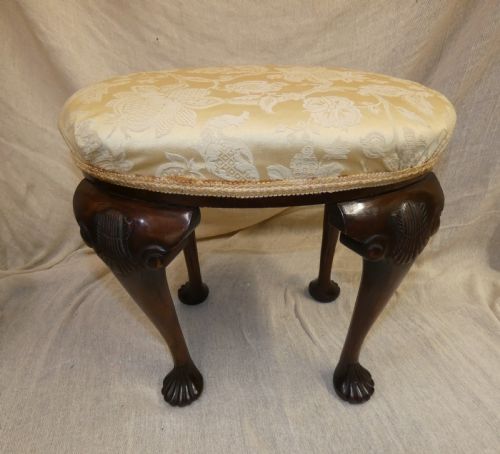
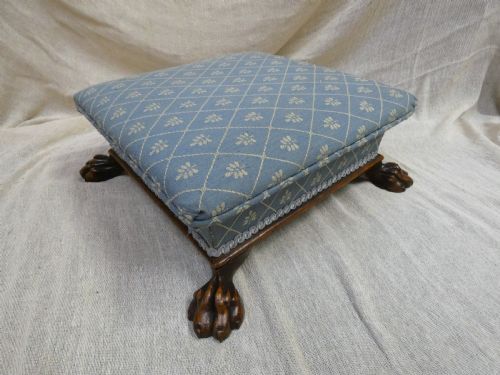
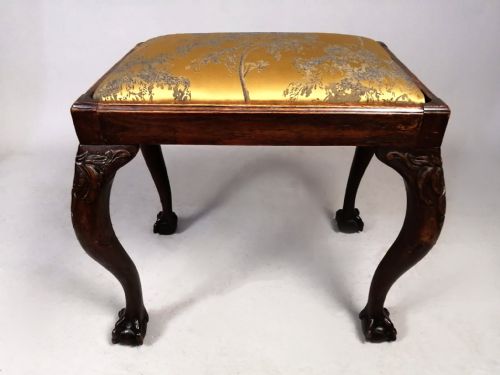
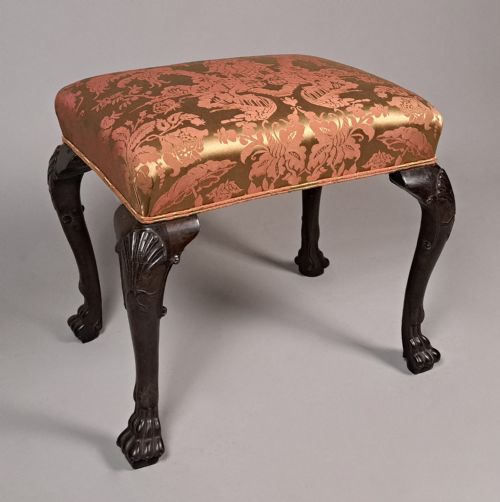
An antique claw footstool brings centuries of seating tradition into modern spaces, spanning forms from dressing stools to large window seats. Buyers searching for an antique claw footstool encounter pieces originating from the eighteenth century onward, encompassing Georgian designs and later revivals.
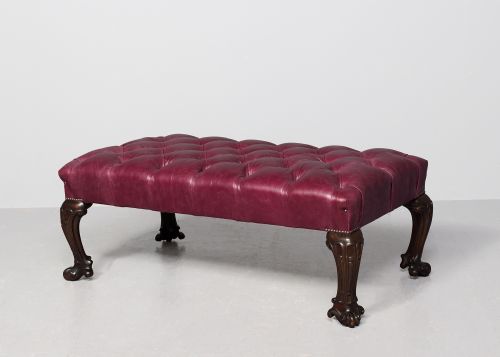
Footstools and benches appear in various formats, including oval shapes, rectangular proportions, and long ottoman styles. These utilitarian furnishings served domestic interiors for resting feet or providing low seating before dressing tables.
Materials and construction methods
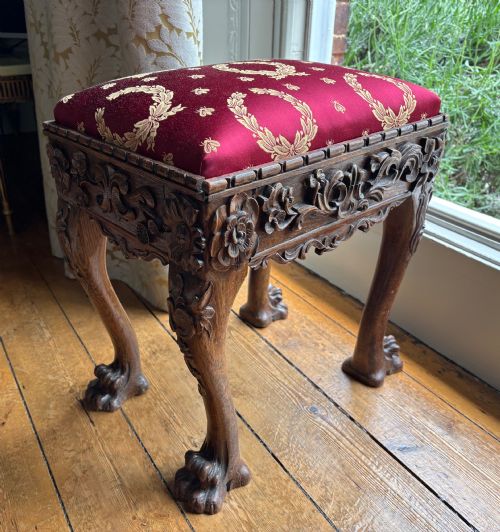
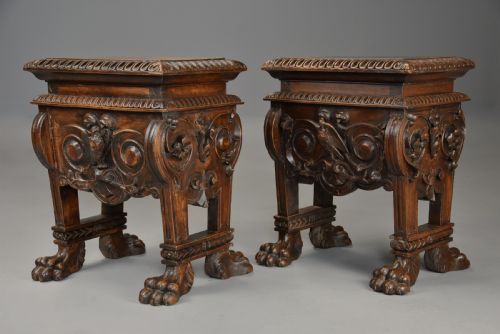
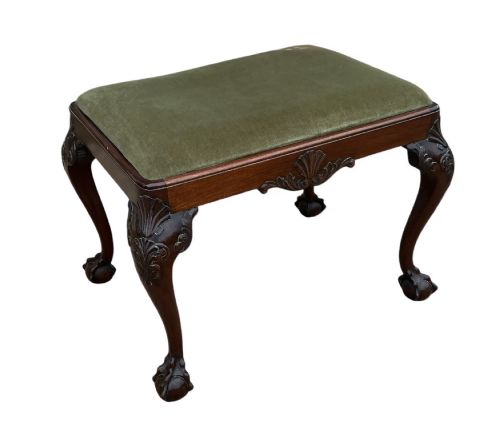
Cabinetmakers utilised dense hardwoods such as mahogany and walnut to carve structural frames capable of bearing weight while displaying intricate detail. Timber selection determined the crispness of the carving, particularly on cabriole legs and scrolled supports.
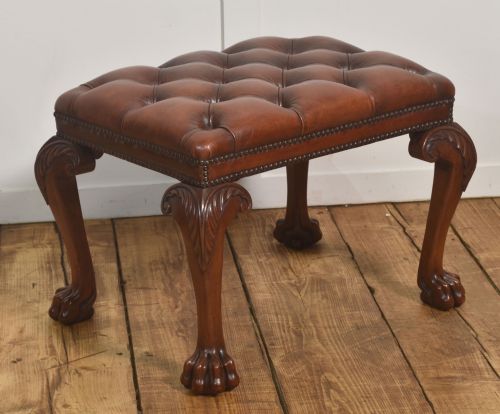
Upholstery techniques combined traditional webbing and stuffing with diverse surface coverings including hide, leather, velvet, wool, textile, and needlework. Skilled craftspeople secured these materials using brass tacks or decorative piping along the seat rails.
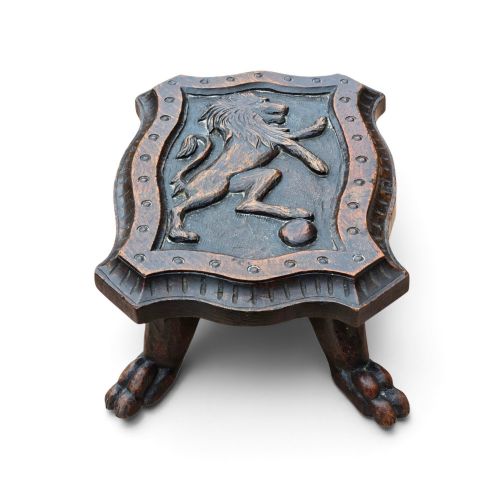
Carved wooden claws tightly gripping wooden spheres ensure these steadfast beasts hold their ground without ever scratching the parquet.
Distinctions in craftsmanship
The distinction between standard domestic seating and superior examples lies in the depth and precision of the timber carving. Fine pieces exhibit sharply defined claws, naturalistic proportions, and harmonious integration between the frame and the upholstery.
Proportion and timber figure dictate the desirability of a piece, with well-figured mahogany or walnut enhancing the visual weight of the frame. Original upholstery schemes or sympathetic restorations maintain the historic integrity of the item.
Morris and Co.·Whytock and Reid
The Antique Claw Footstool Glossary
- Cabriole leg
- A furniture leg that curves outward at the knee and tapers inward toward the ankle, mimicking animal limbs. This form frequently terminates in a claw and ball foot.
- Claw and ball foot
- A carved furniture foot depicting an animal talon gripping a spherical object. Originating from Chinese motifs, this detail became popular in eighteenth-century British cabinetmaking.
- Chippendale style
- A decorative design vocabulary inspired by the mid-eighteenth-century maker Thomas Chippendale. Pieces in this style often incorporate carved mahogany frames and ornate leg terminals.
- Window seat
- An elongated stool or bench designed to fit within a window recess. These forms often feature upholstered seats and carved wooden frames matching contemporary interior decorative schemes.
Antique Claw Footstool: Frequently Asked Questions
How do I identify a Georgian style footstool?
Georgian style footstools typically feature mahogany or walnut frames with cabriole legs ending in carved foot details. The proportions remain sturdy yet elegant, reflecting eighteenth-century design principles.
Later revival pieces produced in the nineteenth and twentieth centuries often replicate these characteristics using similar hardwoods and traditional joinery methods.
What textiles were used for upholstery?
Historic seating utilised durable coverings suited to frequent domestic use, including leather, hide, velvet, and woven wool textiles. Needlework panels also appeared frequently on traditional footstools.
Many surviving pieces have undergone reupholstery over time to maintain their functional condition within contemporary interiors.
Where should I place a long footstool?
Long footstools and window seats suit placement beneath large windows, at the foot of a bed, or alongside principal seating arrangements in a living room. Their elongated proportions provide both a resting place and supplementary low seating.
Care should be taken to balance the wood tone of the frame with existing furniture in the room.
How do I care for antique timber frames?
Maintain wooden frames by dusting regularly with a soft, dry cloth and avoiding placement near direct heat sources or strong sunlight. These precautions prevent the timber from drying out or splitting.
Periodical application of suitable furniture wax preserves the finish and nourishes the historic grain of mahogany and walnut surfaces.