
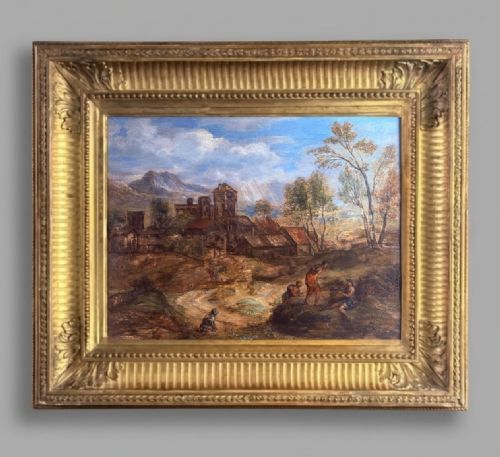
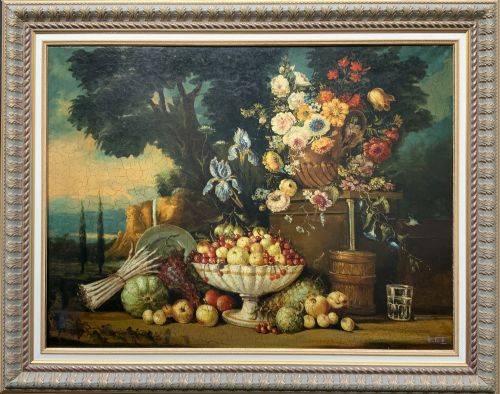
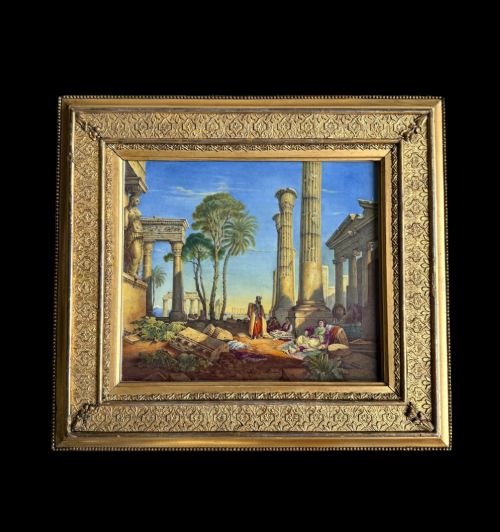
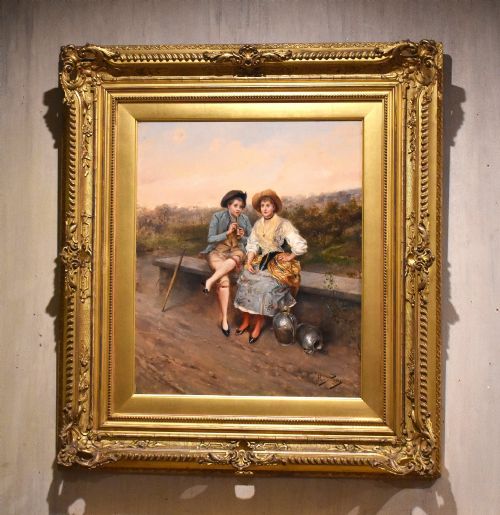

Antique Classical Wall Art
Exploring antique classical wall art reveals oil paintings, engravings and mezzotints drawn from centuries of European tradition, offering historic character for any room.
Antique Classical Wall Art
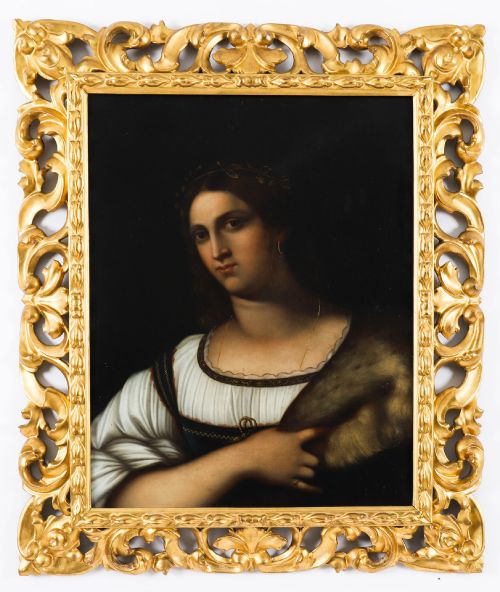
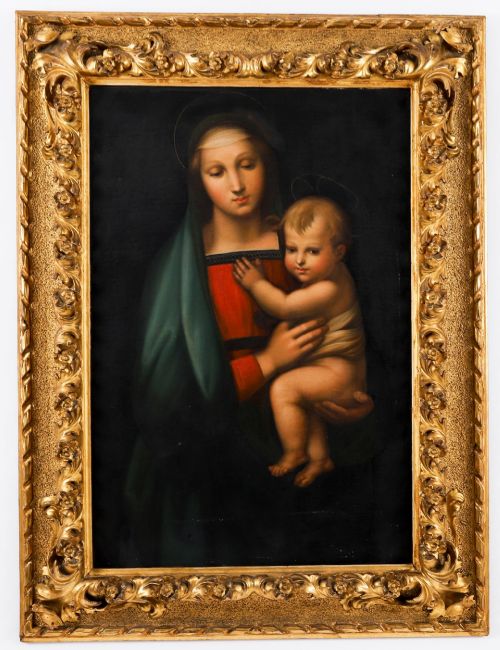
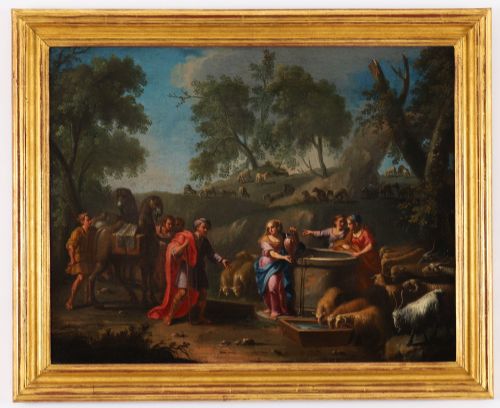
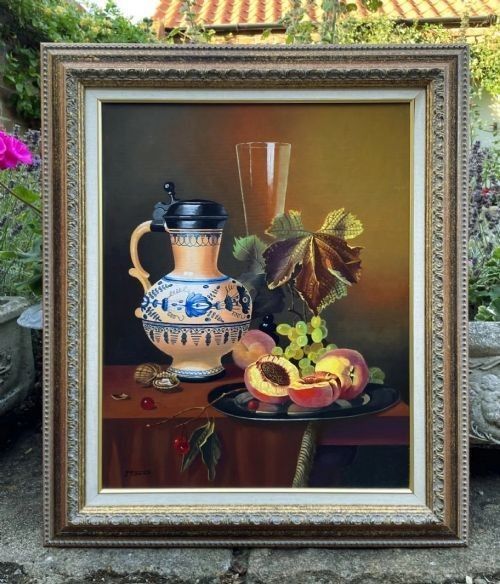
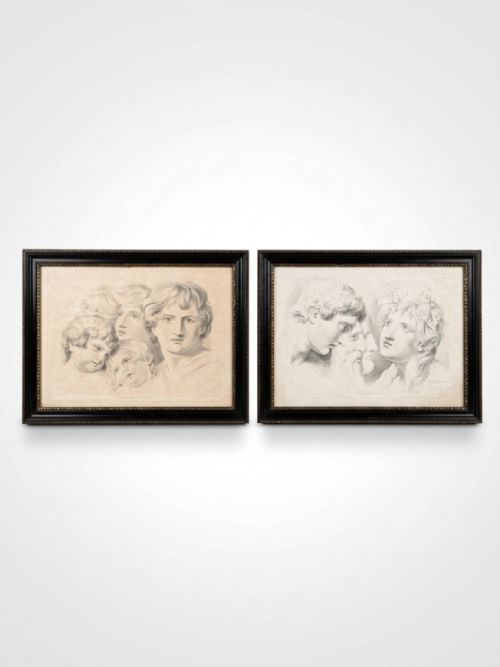
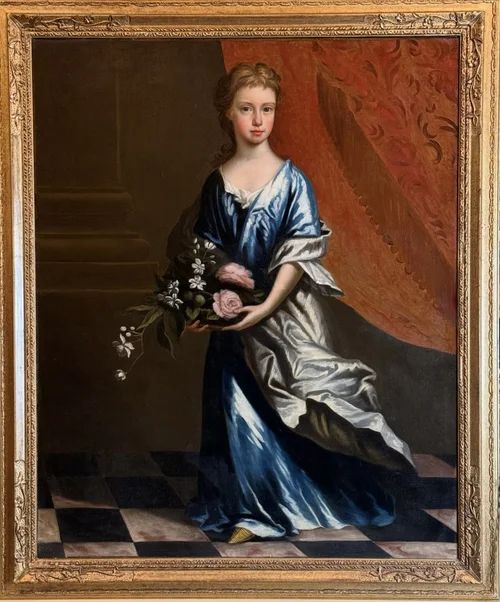
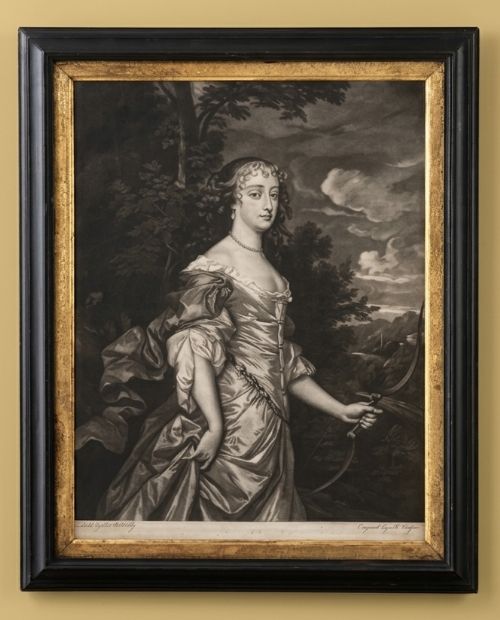
When searching for antique classical wall art, buyers encounter a diverse selection of oil paintings, portraiture, mezzotints, and engravings spanning multiple centuries. These pieces reflect enduring academic and mythological themes derived from European traditions.
The most common examples on this page are eighteenth-century mezzotint portraits after painters such as Sir Joshua Reynolds, alongside oil on canvas works and framed prints referencing classical antiquity.
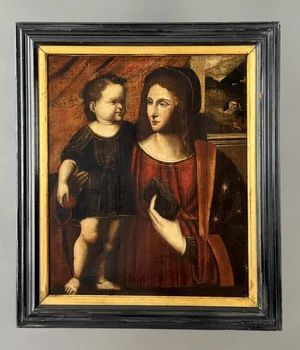
Objects range from seventeenth-century Dutch school panels and Italian Renaissance revival compositions to later Grand Tour souvenirs and twentieth-century interpretations.
Materials and construction methods
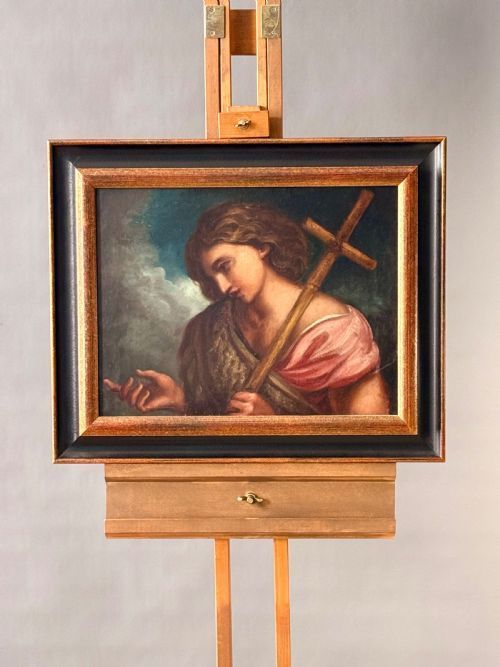
Works in this category rely primarily on oil paints applied to canvas or wood panels, alongside paper used for engravings, mezzotints, drawings, and pastel pieces.
Frames play a crucial role in presentation, frequently utilising wood, glass, gold leaf, giltwood, and gilt gesso to house the artwork securely.
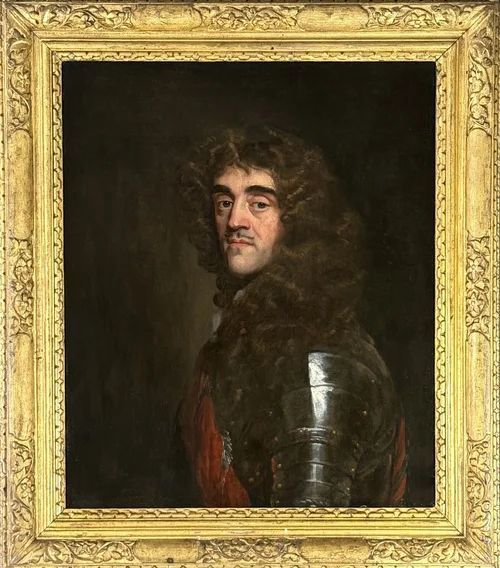
Several portraits quietly record former nobility gazing out from beneath layers of historic varnish and gilt gesso.
Distinctions in quality and execution
Quality separates through the precision of the draftsman or painter, visible in the handling of facial expressions, drapery folds, and anatomical proportions within the imagery.
The integrity of the surrounding frame, whether carved giltwood or period gesso, contributes significantly to the overall presence and preservation of the piece.
Charles Antoine Coypel·John Boydell·Edward Fisher·Sir Joshua Reynolds·Jean Mariette·Georges de La Tour·Sir Peter Lely·James Watson·Pieter Borsseler·Francisco Goya·Jean Baptiste Greuze·Benedetto Luti·Valentine Green·W Dickinson·James Heath·Biaggio Rebecca·Pietro Fachetti·Bartholomeus van der Helst
The Antique Classical Wall Art Glossary
- Mezzotint
- A printmaking process of the intaglio family where the plate is roughened uniformly to allow dark tones, producing rich graduations of light and shade.
- Neoclassical
- A Western cultural movement drawing inspiration from the art and culture of classical antiquity, prevalent during the eighteenth and nineteenth centuries.
- Grand Tour
- A traditional trip through Europe undertaken by upper-class European young men of sufficient status to accumulate cultural artefacts and classical knowledge.
- Intaglio
- A design carved into the material surface, or a printmaking technique where the ink is held within incisions below the surface of the plate.
- Giltwood
- Wood that has been treated with a thin layer of gold leaf or gold paint to give a metallic, decorative finish.
Antique Classical Wall Art: Frequently Asked Questions
What subjects appear in classical wall art?
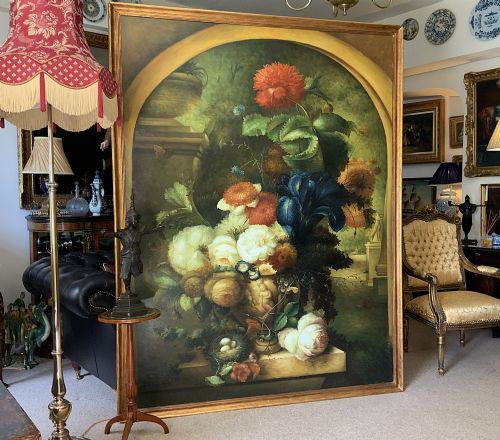
These pieces frequently display mythological scenes, portraits of historical figures, equestrian studies, and still life compositions. They draw directly from European artistic traditions spanning the seventeenth to the twentieth century.
Subjects also include allegorical depictions, botanical displays, and copies after prominent masters like Sir Joshua Reynolds or Leonardo da Vinci.
How do I care for antique paintings?
Protect oil paintings and works on paper from direct sunlight to prevent fading of pigments and canvas degradation. Maintain stable indoor humidity levels to safeguard both the artwork and its wooden frame.
Avoid hanging pieces near active heat sources or in damp environments. Dust frames gently with a soft, dry cloth without applying chemical cleaning agents.
Are these works original or copies?
The selection contains both original period works and historic reproductive prints, such as mezzotints and engravings created after well-known paintings. Many listings specify whether an artwork is an original composition or executed after a master.
Examining the medium helps determine its nature, distinguishing between hand-painted oils on canvas and printed works on paper.
How are different periods identified?
Periods are identified through stylistic markers, framing techniques, and material analysis. Seventeenth and eighteenth-century works often reflect Baroque or Neoclassical sensibilities through their composition and palette.
Later nineteenth-century and twentieth-century pieces frequently utilise revival styles or employ twentieth-century framing materials while referencing earlier aesthetic standards.