
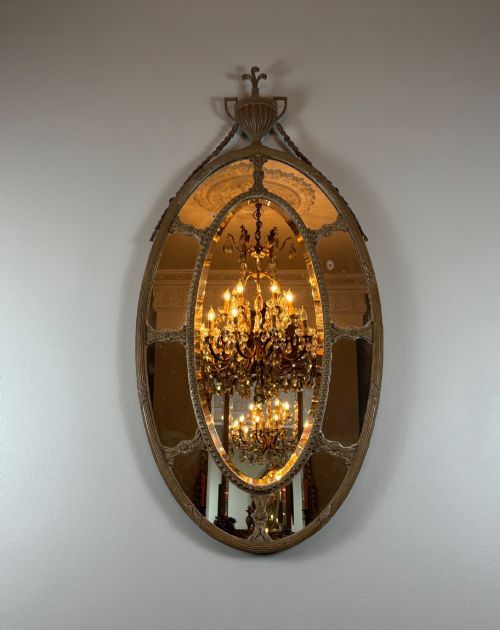


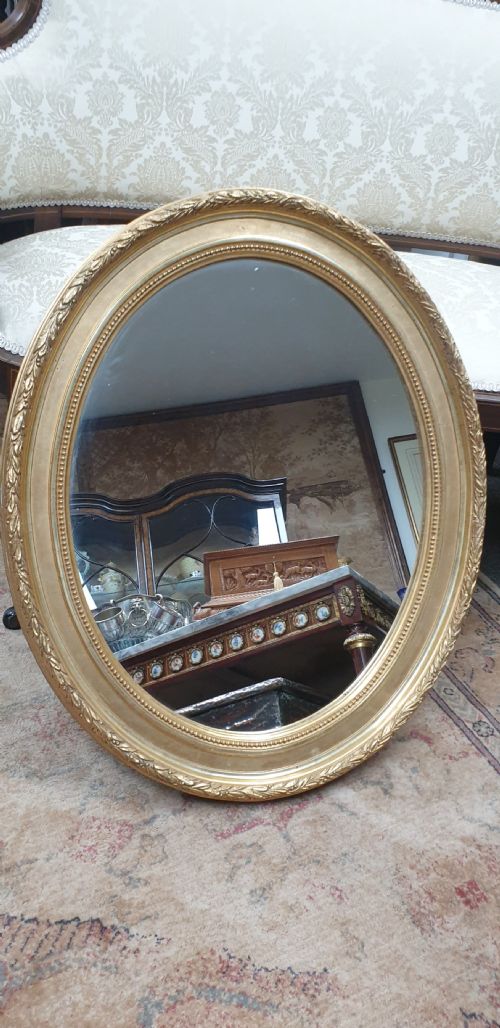


Antique Classical Oval Mirror
An antique classical oval mirror brings elegance and vertical balance to a room, framed in gilded wood, carved gesso, or rich mahogany.
Antique Classical Oval Mirror
An antique classical oval mirror represents a refined choice for wall placement, combining graceful curved perimeters with classical motifs. When exploring these selections, buyers frequently encounter wall mirrors and overmantel mirrors spanning multiple centuries.
The objects present diverse stylistic roots, incorporating Georgian, Regency, and Victorian periods alongside Adam Revival designs. These pieces function primarily as functional wall decor that enlarges visual space while anchoring a room's decorative scheme.
Makers and designers from past eras employed oval formats to soften rigid architectural lines in reception rooms and hallways. The surviving examples demonstrate enduring durability across centuries of domestic use.
How these mirrors were constructed
Craftsmen utilised seasoned timber foundations such as mahogany and general wood, often applying layers of gesso to build up intricate relief ornaments. Giltwood surfaces required meticulous application of gold leaf over prepared grounds to achieve a brilliant reflective finish.
Mirrored glass plates were set within rebated frames, sometimes accompanied by applied decorative elements like urns, swags, and cast iron structures for larger overmantel formats.
Some oversized classical mirrors reach heights exceeding two and a half metres, demanding proper ceiling clearance.
What distinguishes finer examples
The distinction between standard examples and superior pieces lies in the crispness of the carved detail and the depth of the gilding. Hand-carved wooden ornaments and well-preserved gilt gesso demonstrate superior workshop standards compared to simpler cast alternatives.
The integrity of the original mirrored glass and the structural stability of the underlying wooden frame govern the long-term merit of the piece.
The Antique Classical Oval Mirror Glossary
- Giltwood
- Wood that has been coated with gold leaf or gold paint. This finish creates a luminous metallic surface that defines many classical frames.
- Gesso
- A plaster mix applied to a wooden base to form a smooth surface for carving or gilding. It allows artisans to shape intricate relief ornamentation.
- Overmantel mirror
- A large mirror designed to hang above a fireplace mantelpiece. These pieces often feature horizontal or grand vertical proportions to command the wall space.
- Girandole
- A decorative wall mirror fitted with candle sconces attached to the frame. The polished glass reflects the candlelight to brighten dark interiors.
Antique Classical Oval Mirror: Frequently Asked Questions
How do I hang a heavy antique mirror safely?
Heavy mirrors require secure fastening into structural wall studs or the use of appropriate masonry fixings depending on the property construction. Professional mirror hangers utilise heavy-duty D-rings and wire rated well above the weight of the object.
Ensuring the weight distributes evenly across the frame prevents stress on ancient wooden joints and original gesso ornaments.
Can I place an oval mirror above a fireplace?
Many of these pieces are specifically categorised as overmantel mirrors intended for placement above fireplaces. The vertical or horizontal proportions suit the architectural width of a mantel shelf.
Consider the heat output of the fireplace, as excessive warmth can affect ancient wooden frames and delicate gilding over time.
What is the difference between Georgian and Regency styles?
Georgian mirrors often display ornate carving, heavy gilding, and complex classical motifs reflecting 18th-century Palladian tastes. Regency designs tend toward leaner, bolder interpretations influenced by ancient Roman and Greek archaeology.
Both periods utilise high-quality wood and gilt finishes but differ in the restraint and scale of their decorative elements.
How should I clean the antique glass and frame?
Dust the frame gently with a soft, dry brush to protect fragile giltwood and gesso surfaces from moisture damage. Avoid chemical polishes or water on the gilded areas.
Use a minimal amount of glass cleaner applied to a cloth rather than directly onto the mirror plate to prevent seepage behind the antique silvering.