





Antique Circular Pendant
These antique circular pendant choices bring together gold, glass and pearl across Victorian, Edwardian and Art Deco designs to wear every day.
Antique Circular Pendant
An antique circular pendant encompasses round lockets, jewelled drops and decorative charms spanning the nineteenth and twentieth centuries. When searching for an antique circular pendant, buyers generally encounter small gold lockets and gem-set pieces designed to hold personal mementoes or catch the light.
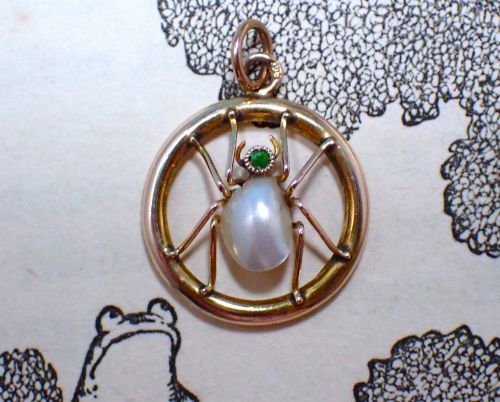
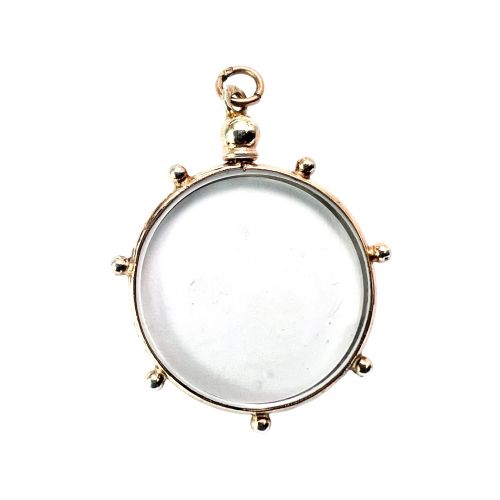
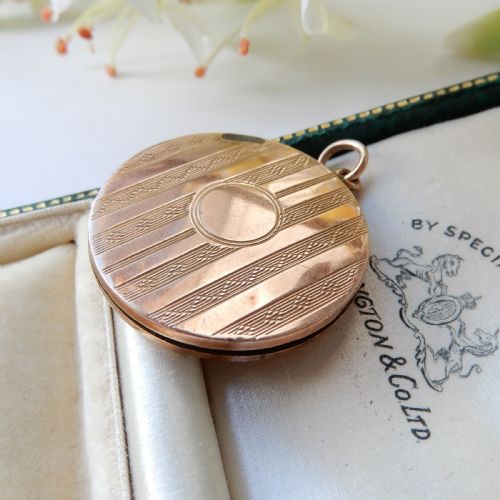
The selection here includes items originating from Victorian and Edwardian workshops alongside later French and British examples. Round locket pendants and round charm designs predominate, featuring engraved surfaces, glass tops and precious stones.
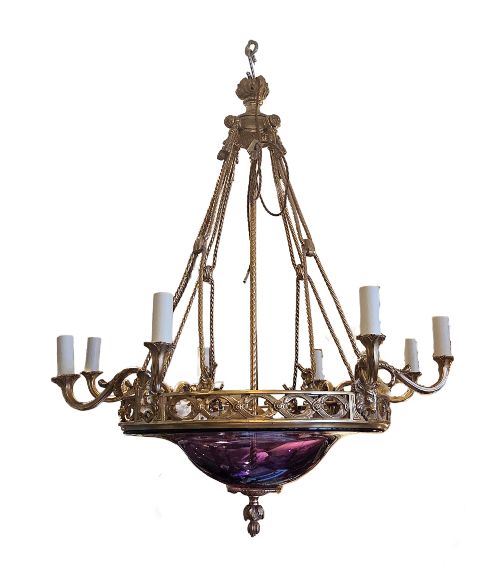
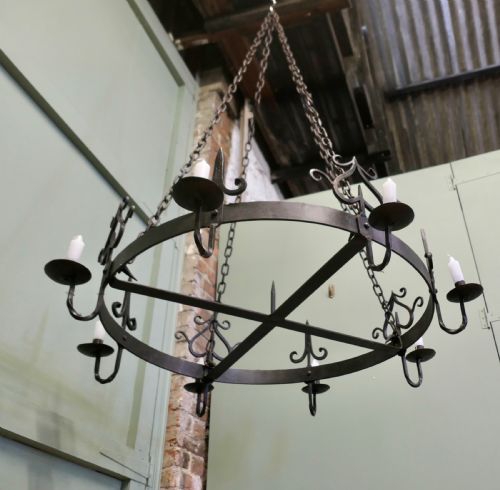
Beyond jewellery, the broader category occasionally touches upon domestic lighting forms such as hanging lamps and chandeliers. However, the core of what collectors seek remains wearable circular gold and silver work from the 19th and early 20th centuries.
What varies in quality
The crispness of hand-engraving and the precision of engine-turned detail distinguish finer work from standard commercial output. Superior pieces display deep, sharp motifs such as swallows, flower baskets or foliage that retain their definition over generations.
Material selection also drives distinction, moving from gold-plated brass backs and fronts to solid nine-carat and eighteen-carat gold or platinum housings. Better examples feature securely mounted natural pearls, well-matched emeralds or intact glass covers rather than replacement pastes.
Antique Circular Pendant Retail Price Guide 2026
Typical asking prices for circular pendant among the pieces listed under this phrase on Sellingantiques today, from the lower quarter to the upper quarter. They describe what is for sale here now, not the wider market.
The listings show periods ranging from the Georgian era through Victorian, Edwardian and Art Deco up to French mid-century pieces.
GALLIA
The Antique Circular Pendant Glossary
- Engine-Turned
- A mechanical decoration technique that cuts intricate, geometric linear patterns into metal surfaces using a lathe. It creates a shimmering texture popular on nineteenth-century watch cases and round lockets.
- Belle Epoque
- A stylistic period spanning the late nineteenth century up to the First World War, characterised by light, garland-style jewellery incorporating platinum, diamonds and pearls.
- Locket Pendant
- A hinged or screw-top hollow ornament designed to open and reveal a small cavity for portraits, locks of hair or miniature tokens.
- Screw Locket
- A locket variety that fastens via a threaded bezel or threaded glass retaining ring rather than a traditional snap hinge and catch.
Antique Circular Pendant: Frequently Asked Questions
What fits inside an antique circular pendant?
These round lockets and charm pendants were traditionally made to hold small paper photographs, painted miniatures or braided locks of human hair. The interior space is usually shallow, requiring flat keepsakes that fit securely beneath glass or metal retaining plates.
Many pieces feature inner rims or bezels designed to hold the memento in place without the need for modern adhesives. Care must be taken when opening older hinges to avoid straining the gold or silver mount.
How do I date an antique circular pendant?
Dating relies on a combination of materials, hallmarks, opening mechanisms and prevailing artistic styles such as Victorian revivalism, Edwardian garland work or Art Deco geometry. Engine-turned engraving often points to nineteenth-century manufacture, whilst platinum settings suggest the early twentieth century.
Examining the shape of the bail, the style of the hinge and any stamped gold standards helps narrow the decade of production. Comparative study of period hallmarks remains the most reliable method for precise attribution.
Are these pendants suitable for daily wear?
Solid gold and platinum pieces from the Victorian and Edwardian eras handle regular wear well provided the hinges and clasps remain secure. Items featuring glass tops or delicate pearl settings require greater care to avoid impact damage or moisture ingress.
Checking the security of the jump rings and suspension loops ensures the pendant stays attached to the chain. Removing jewellery before swimming or heavy physical work preserves the integrity of older mountings.
What is the difference between a charm and a pendant?
Pendants generally hang as the central focal point of a necklace, whereas charms are typically smaller and intended to be suspended alongside others from a charm bracelet or a heavy link chain. Some circular items bridge this distinction by functioning as both.
Scale and suspension loops often indicate the original intended use of the piece. Conversion from charm to pendant is common in older jewellery as owners repurposed items for modern neck chains.