



Edwardian Tourmaline Jewellery
Edwardian tourmaline jewellery brings together delicate gold work and vibrant coloured stones, offering a distinctly vibrant charm that collectors prize.
Edwardian Tourmaline Jewellery
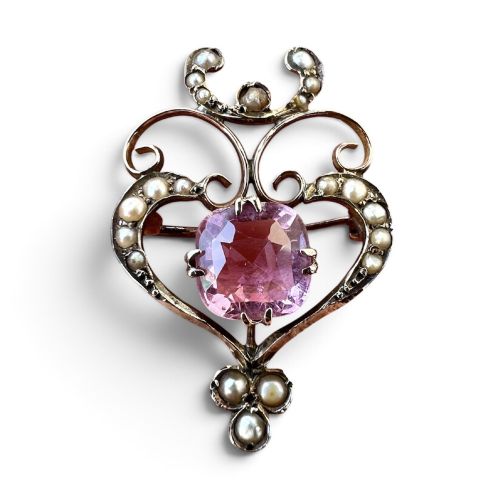
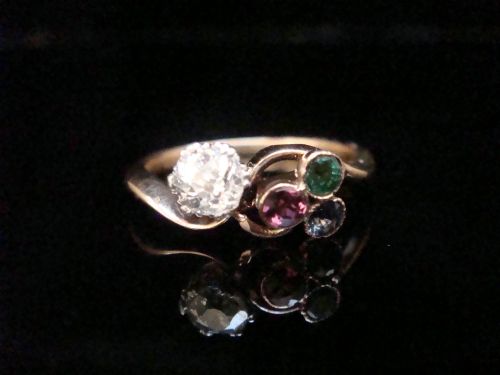
These pieces encompass rings, brooches, pendants, necklaces, and earrings spanning the Edwardian and Victorian periods, alongside specific styles like Art Nouveau and Arts & Crafts. A buyer searching for edwardian tourmaline jewellery encounters delicate pendants and cluster rings that pair tourmalines with diamonds and pearls.
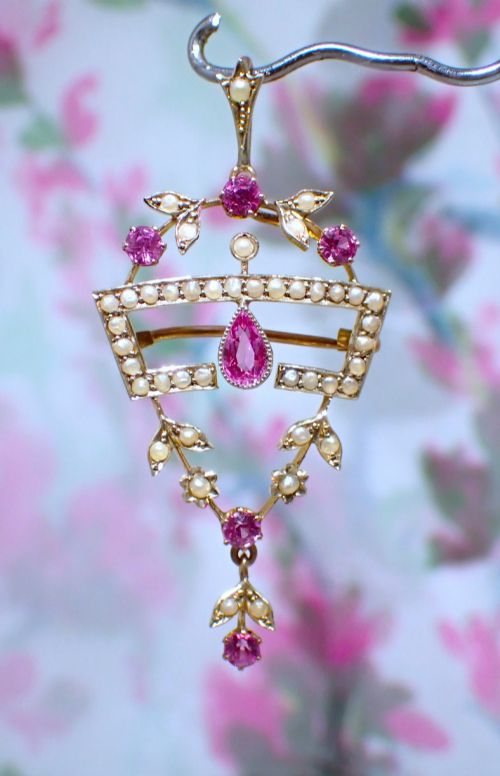
The selections feature yellow gold, 15ct gold, 18ct gold, and white gold settings alongside natural pink tourmalines and mixed gemstone arrangements. Formats range from convertible pendant-brooches to intricate drop pendants and screwback earrings.
Materials and construction
Goldsmiths utilised 9ct, 15ct, and 18ct gold alongside white gold to mount pink tourmalines, diamonds, pearls, and seed pearls. Settings often incorporated delicate openwork frames, claw-set stones, and fine pin or bail attachments.
Makers combined tourmalines with supporting gems such as sapphires, emeralds, peridots, and aquamarines, securing them within handcrafted cluster, lavalier, and clover configurations typical of the period.
Edwardian Tourmaline Jewellery Retail Price Guide 2026
Typical asking prices for edwardian tourmaline jewellery among the pieces listed under this phrase on Sellingantiques today, from the lower quarter to the upper quarter. They describe what is for sale here now, not the wider market.
Even the back of a brooch often received meticulous engraving, proving Edwardian jewellers cared for hidden details.
Gradations of quality
The standard of execution depends on the precision of the gold wirework and the integration of supporting stones like old-cut diamonds and natural pearls. Finer items demonstrate crisp granulation and balanced stone proportions that elevate the overall composition.
Purity marks on the gold and the clarity or colour saturation of the tourmalines themselves determine the upper tier of these pieces. Lesser examples rely on heavier, simpler mounts with less refined gemstone sorting.
Liberty & Co
The Edwardian Tourmaline Jewellery Glossary
- Tourmaline
- A complex boron silicate mineral displaying a wide spectrum of colours, frequently found in pink within period settings. It has long been valued for its vivid hues.
- Seed pearl
- A very small natural or saltwater pearl, often drilled and strung or set en masse to accent gold framework. These tiny pearls define much of the period's textured detail.
- Lavalier
- A pendant featuring a gemstone drop suspended from a delicate chain or necklet, popular during the early twentieth century. This design accentuates the central stone's movement.
- Cluster ring
- A ring design featuring a central gemstone surrounded by a tight grouping of smaller stones, typically diamonds or pearls. This arrangement maximises visual impact and sparkle.
Edwardian Tourmaline Jewellery: Frequently Asked Questions
How do I wear an antique pendant-brooch?
Many early pieces feature a concealed hinge pin and a fold-down bail, allowing them to function interchangeably as a brooch or a pendant necklace. This versatility was common in period design to suit different garments.
When wearing the piece as a brooch, ensure the safety catch is secure on thicker fabrics. As a pendant, pair it with a fine gold chain that matches the carat of the original setting.
What defines Edwardian jewellery style?
Edwardian design is characterised by light, airy motifs, extensive use of platinum or white gold alongside yellow gold, and intricate filigree work. Gemstones are frequently paired with seed pearls and diamonds to create lace-like effects.
The aesthetic moves away from heavy Victorian ornamentation towards refined elegance, favouring garlands, bows, and naturalistic colour combinations.
Are these tourmalines natural?
The tourmalines found in these antique pieces are natural stones mined and cut during the period, exhibiting the characteristic dichroism and inclusions typical of untreated gems. Their pink and multi-coloured varieties reflect the raw material available to period jewellers.
Examining the stones under magnification reveals natural growth patterns rather than modern synthetic markers.
How should I care for my gold jewellery?
Maintain these pieces by storing them individually in soft pouches to prevent delicate gold wirework and softer gems like pearls from scratching. Avoid ultrasonic cleaners, as pearls and certain inclusions in tourmalines react poorly to vibration and heat.
Clean gently with a soft, dry cloth after wearing to remove natural skin oils, and check gemstone settings periodically by a professional.