



Gold Foliage Pendant
These gold foliage pendant pieces combine delicate natural motifs with precious metal, offering buyers a wearable piece of botanical craftsmanship.
Gold Foliage Pendant
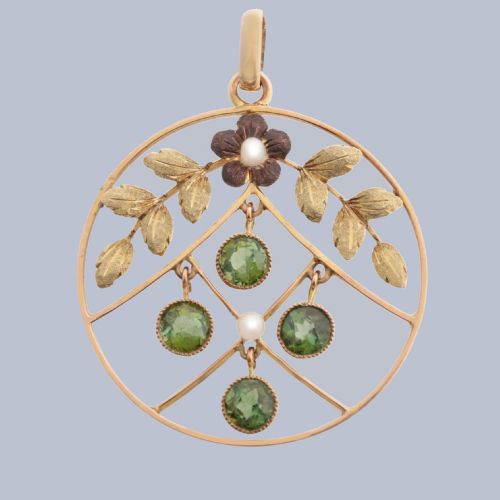
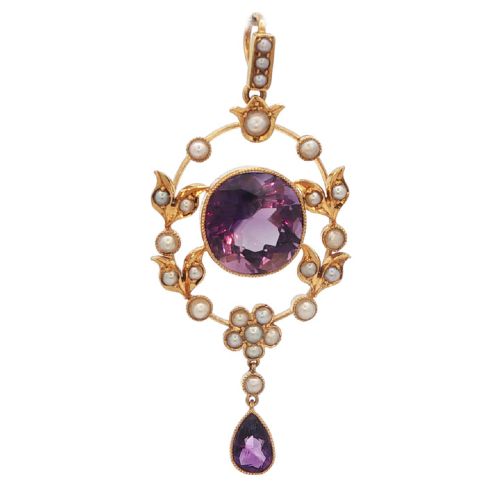
A gold foliage pendant captures the delicate forms of leaves and vines in precious metal, often set with pearls, diamonds, or turquoise stones. Buyers browsing this selection encounter pieces from the Victorian era up to the nineteen-thirties, reflecting diverse historical design movements.
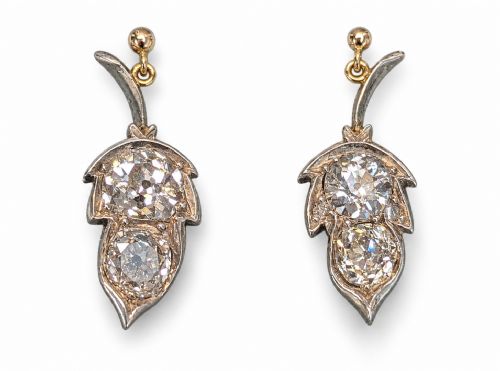
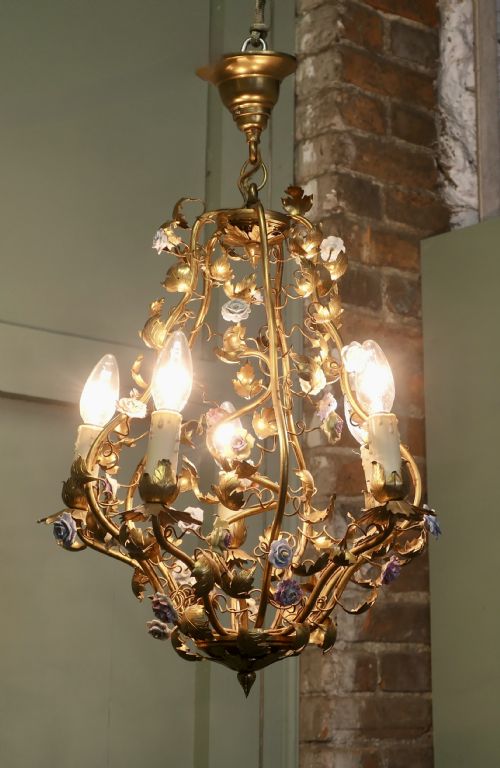
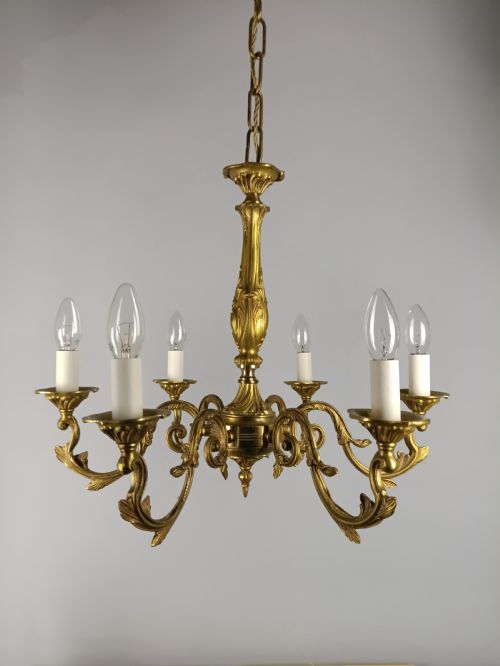
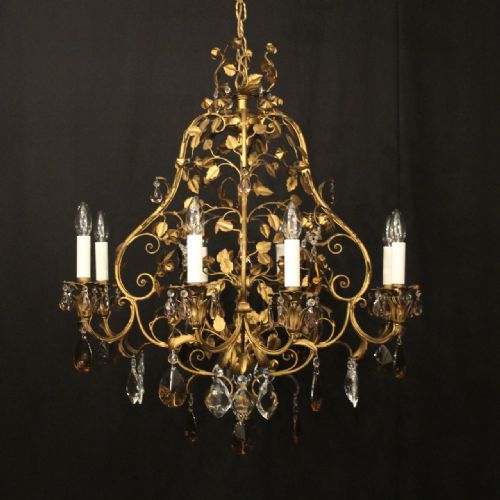
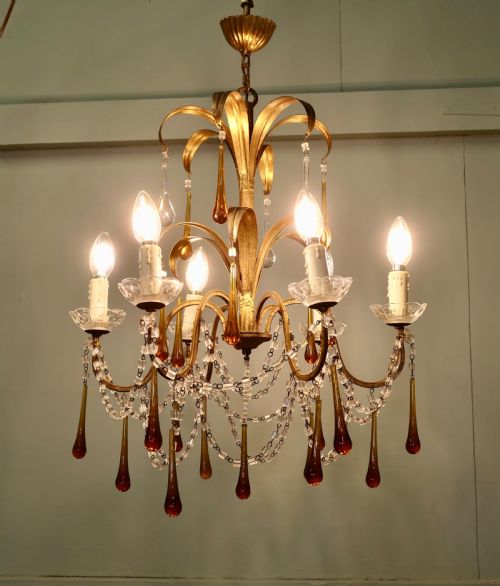
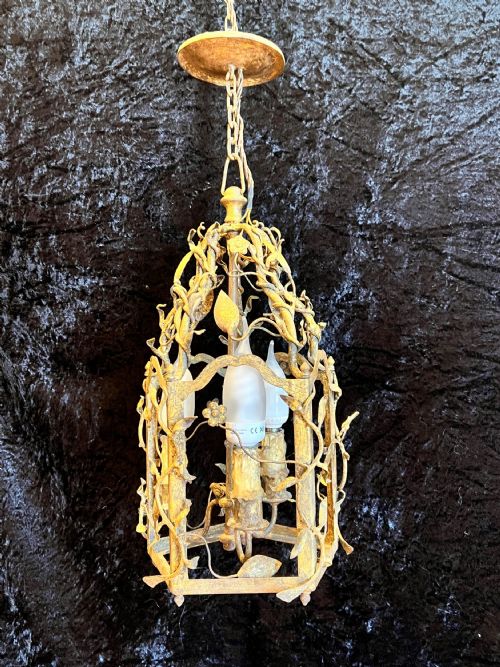
The evidence shows these items appearing alongside related jewellery forms such as necklaces and drop earrings, alongside broader decorative items like chandeliers. Pieces from the Victorian period frequently incorporate leafed foliage alongside gemstones, while later twentieth-century examples lean towards simpler metallic interpretations.
Materials and construction
Construction relies primarily on worked gold and gilt metals, shaping the material into realistic or stylized leaf patterns. Artisans frequently combined these metal leaves with gemstones including pearls, diamonds, tourmaline, and turquoise to add colour and texture.
Techniques range from early Victorian rolled gold work to the distinctive aesthetic of the Arts and Crafts movement. Makers shaped, chased, and soldered the metal components to create convincing botanical arrangements that sit flat against the wearer.
Gold Foliage Pendant Retail Price Guide 2026
Typical asking prices for gold foliage pendant among the pieces listed under this phrase on Sellingantiques today, from the lower quarter to the upper quarter. They describe what is for sale here now, not the wider market.
Listings in this category span the Victorian era, nineteen hundred, nineteen-twenties, and nineteen-thirties, using gold, gilt metal, pearls, and diamonds.
Judging quality in foliage jewellery
Quality reveals itself in the naturalism and depth of the metal foliage, where finer pieces display hand-chased veining and delicate overlapping leaves. Heavier construction and secure settings for pearls or diamonds distinguish superior examples from mass-produced items.
The choice and matching of set stones also separate tiers of production, as well-matched turquoise cabochons or clean old-cut diamonds indicate careful selection by the maker. The integrity of the original gilt or solid gold surface remains an important factor in preserving the piece's intended appearance.
Liberty & Co
The Gold Foliage Pendant Glossary
- Foliage
- Ornamental representation of leaves, flowers, and branches. This decorative motif appears frequently in nineteenth and early twentieth-century jewellery design.
- Rolled gold
- A manufacturing technique where a thin layer of gold is mechanically bonded to a base metal core. This method provided the appearance of solid gold at a lower production cost.
- Cabochon
- A gemstone shaped and polished with a smooth, rounded top rather than faceted edges. This cut is commonly seen on turquoise stones found in Victorian pieces.
- Old cut
- An early style of diamond cutting featuring a small table and deep pavilion designed to catch candlelight. These stones appear frequently in period jewellery from the Victorian and Edwardian eras.
Gold Foliage Pendant: Frequently Asked Questions
What periods do these pendants come from?
The available pieces span from the Victorian era through the nineteen-twenties and nineteen-thirties. You will also encounter Arts and Crafts movement designs from around nineteen hundred.
Each period brings distinct manufacturing techniques and gemstone choices, reflecting changing tastes in botanical ornamentation.
What materials are used in these pieces?
Construction utilises gold, rolled gold, and gilt metal, often combined with natural elements like pearls, turquoise, tourmaline, and diamonds. These materials create the characteristic shimmer and earthy tones of botanical jewellery.
Makers selected metals that could be easily chased and formed into realistic leaf and vine patterns.
How should I wear a foliage pendant?
These pendants work well suspended from a fine gold chain that complements the metal tone of the piece. They pair naturally with simple necklines that allow the detailed leaf and stone work to remain the focal point.
Consider the weight of the pendant when selecting a chain to ensure secure daily wear.
How do I care for antique gold jewellery?
Clean these pieces gently with a soft dry cloth to remove natural oils without damaging set pearls or softer stones like turquoise. Avoid harsh chemical dips, particularly on rolled gold and gemstone-set items.
Store each pendant separately in a lined box to prevent scratching against other jewellery.