



Antique Cider Tankard
These antique cider tankard pieces bring historic drinking vessels into your home, fashioned from porcelain, pewter, copper, and stoneware across multiple centuries.
Antique Cider Tankard
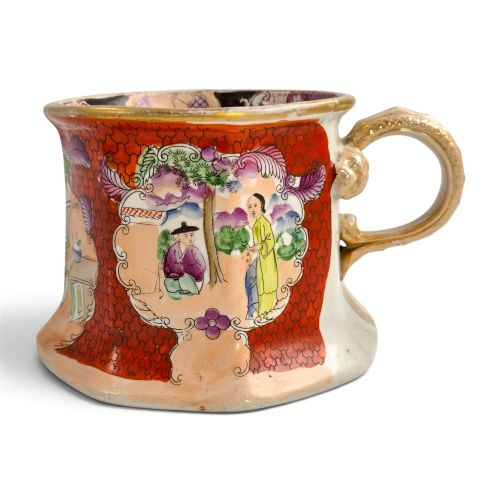
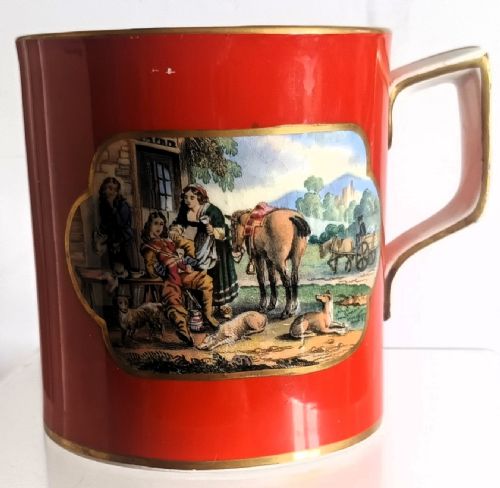
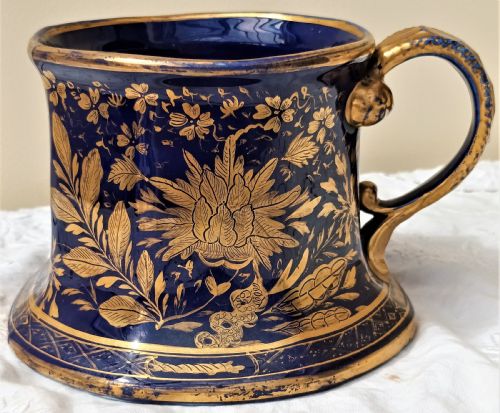
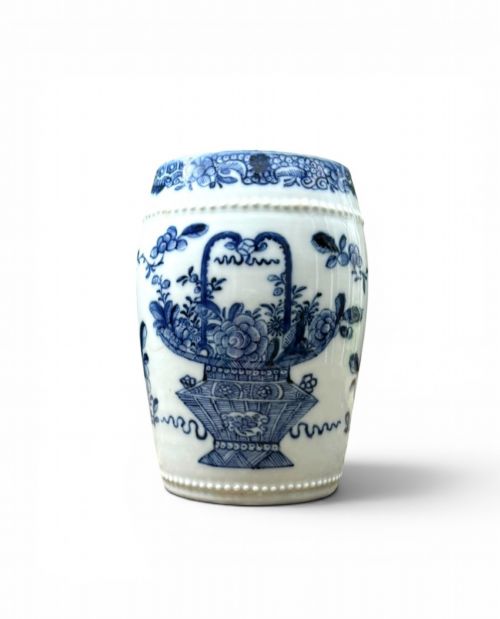
An antique cider tankard spans utilitarian drinkware and decorative serving pieces from the eighteenth and nineteenth centuries. You will encounter forms ranging from half-pint pottery mugs to large pewter flagons and porcelain barrel-shaped vessels.
The pieces on this page originate from English potteries, Channel Islands measures, and Chinese export workshops. They reflect periods such as the Georgian, Regency, and Victorian eras.
Most examples function as mugs, jugs, or lidded flagons designed for serving fermented drinks. They combine practical capacities with period aesthetic traits like polychrome painting or harvest reliefs.
Materials and construction
Pottery and porcelain pieces utilise earthenware, ironstone, creamware, and stoneware bodies finished with coloured glazes or hand-painted enamel details. Metal examples employ pewter, copper, and Old Sheffield Plate fused with early marks.
Manufacturing techniques combine thrown ceramic bodies with applied handles, moulded stoneware reliefs, and fitted silver-plated or silver rims. Pewter versions utilise traditional casting methods to meet precise historical capacity standards.
Antique Cider Tankard Retail Price Guide 2026
Typical asking prices for cider tankard among the pieces listed under this phrase on Sellingantiques today, from the lower quarter to the upper quarter. They describe what is for sale here now, not the wider market.
Ensure your cider tankard does not accidentally judge your drinking speed from across the room.
Assessing quality
Quality rests upon the crispness of moulded relief work, the preservation of hand-painted polychrome enamels, and the structural integrity of metal lids and applied handles. Superior examples maintain their original surface finishes without intrusive restoration.
The distinction between standard utility items and finer pieces lies in decorative ambition, such as detailed Chinese Famille Rose motifs or crisp Doulton Lambeth harvest scenes paired with silver rims.
Mason's Ironstone·Doulton Lambeth·John De St Croix·Derby Porcelain·Lowestoft Porcelain
The Antique Cider Tankard Glossary
- Creamware
- A refined earthenware developed in the eighteenth century with a pale yellow or cream-coloured glaze. It replaced heavier earthenwares for domestic table use.
- Ironstone
- A durable type of earthenware patented in the nineteenth century designed to resist chipping. It provided a strong surface for transfer-printed and hand-painted decoration.
- Old Sheffield Plate
- A composite material made by fusing a thin sheet of silver to a thicker copper base. It produced luxury metalware before modern electroplating techniques.
- Famille Rose
- A palette of opaque rose-pink enamel colours introduced to Chinese porcelain decoration during the eighteenth century. It allowed for delicate pictorial scenes.
Antique Cider Tankard: Frequently Asked Questions
How do I date a pewter flagon?
Dating relies upon capacity stamps, maker touchmarks, and stylistic evolution of the handle and lid proportions. Eighteenth-century pieces frequently display specific regional capacity measures.
Examining the wear patterns and metal composition helps confirm the manufacturing era alongside any engraved initials or ownership marks.
Can I use these vessels for serving drinks?
While many historic vessels remain physically robust, antique ceramics and old metalware require careful handling due to age-related glaze crazing or historical repairs. Modern use might risk damaging delicate enamels or fragile antique surfaces.
Most collectors choose to display these pieces as decorative historical objects rather than everyday tableware.
Why do some mugs have lids?
Lidded drinking vessels helped keep insects out of fermented drinks like cider and ale during outdoor or communal dining. Hinged metal lids made from pewter or silver plate also helped retain temperature and carbonation.
Fitted lids indicate higher-status pieces designed for wealthier households or tavern use where hygiene and presentation mattered.