




Antique Church Sculpture
These antique church sculpture pieces bring centuries of devotional craft into modern interiors, offering tangible connections to medieval and baroque workshops.
Antique Church Sculpture
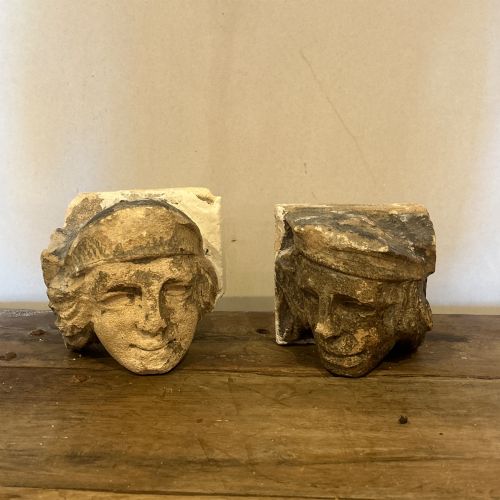
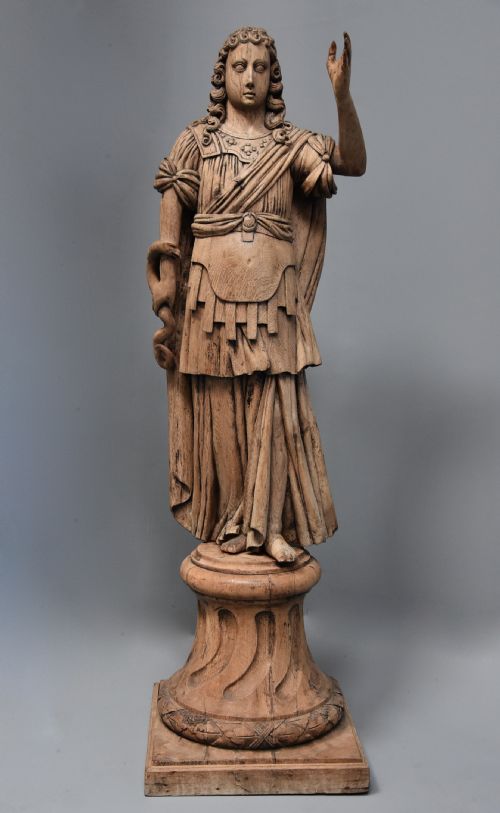
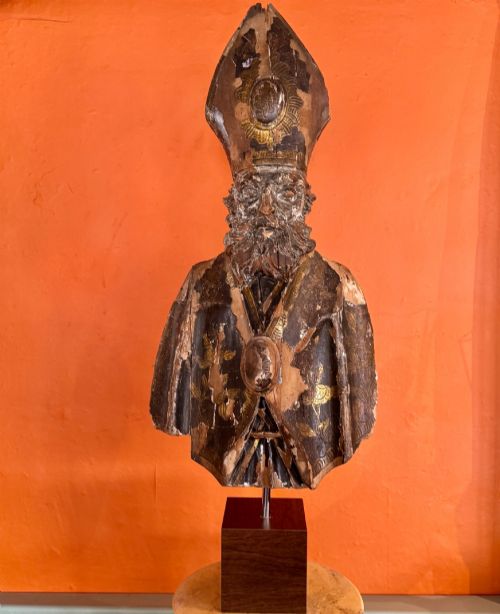
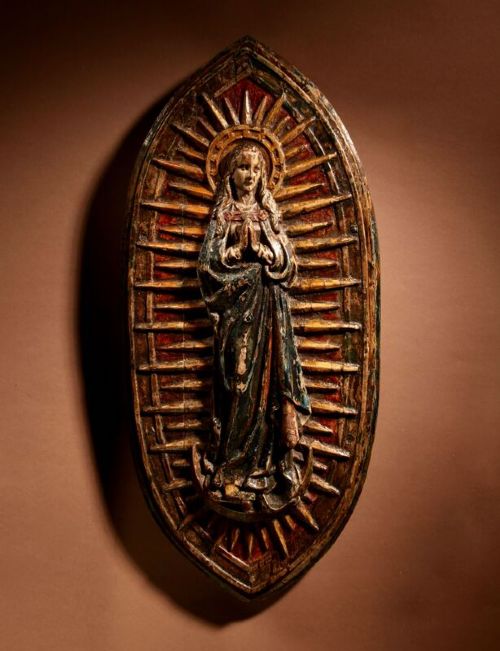
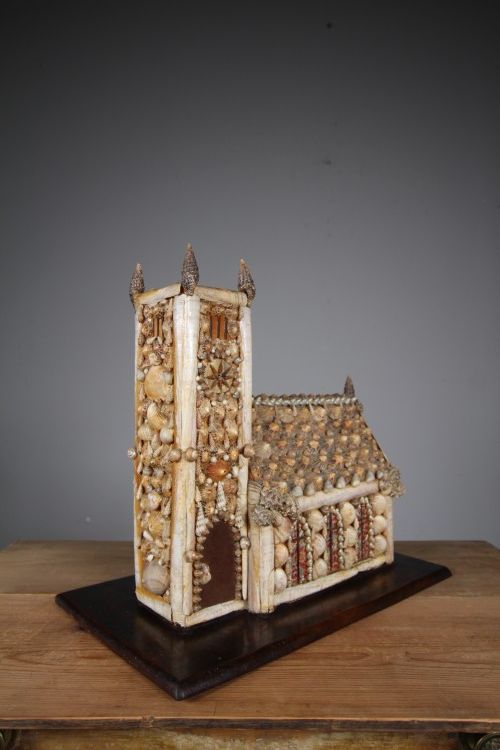
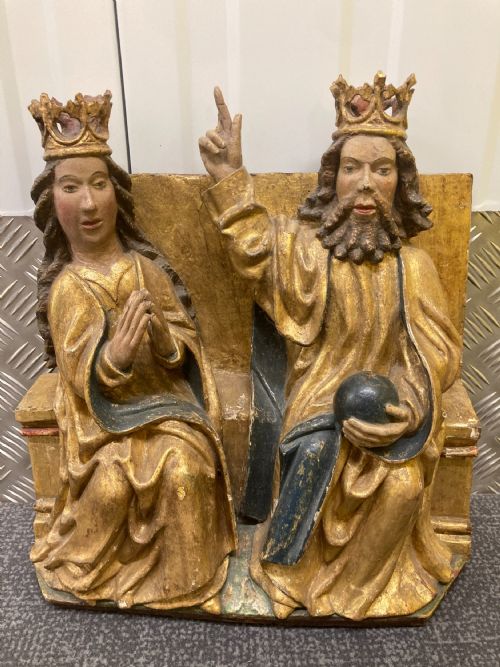
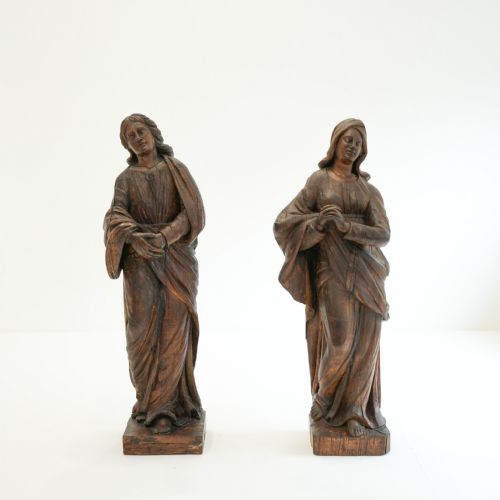
When you search for antique church sculpture, you encounter carved wooden saints, angels, and architectural fragments originating from ecclesiastical settings across Europe. The selection spans pre-sixteenth-century gothic fragments up to nineteenth-century revival pieces, encompassing figures of bishops, Madonnas, and processional statues.
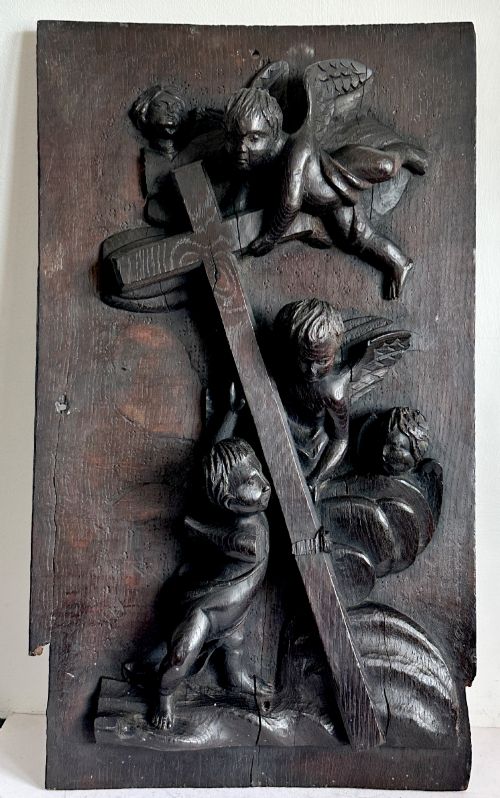
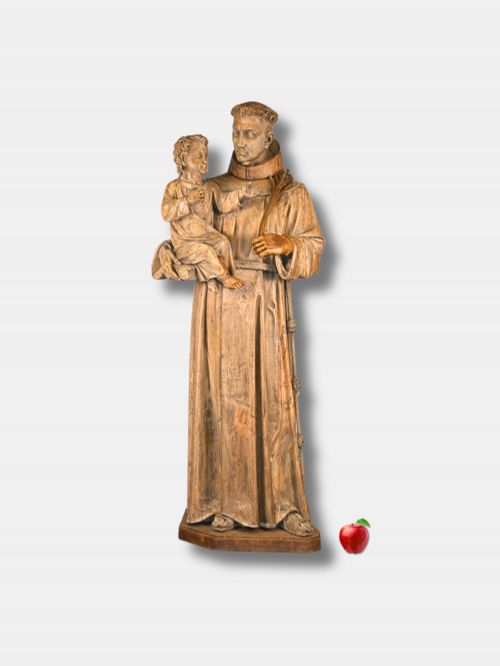
The most common items you meet on this page are eighteenth-century continental carved oak figures and nineteenth-century Italian and French devotional statues. These range from life-sized representations to smaller panel reliefs and architectural elements such as corbels and lecterns.
Originating primarily from English, French, Italian, Spanish, and German workshops, these sculptures reflect the shifting liturgical styles of the periods they represent. Collectors find everything from late medieval donor figures to baroque acolyte figures and gilt-wood ecclesiastical busts.
Materials and construction
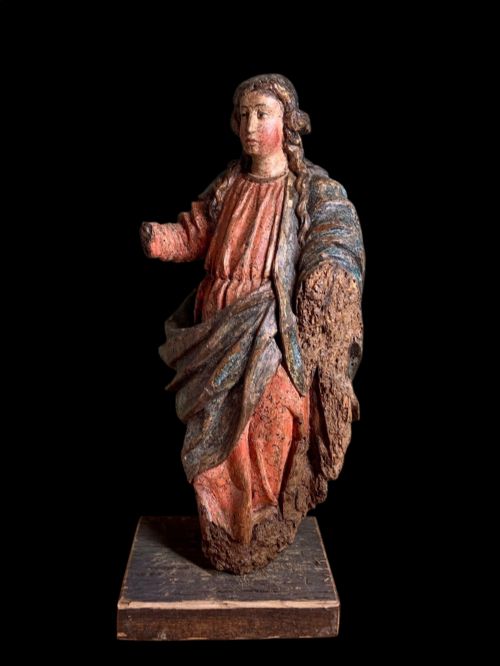
Surfaces were frequently finished with gesso, gold leaf, and polychrome paint to enhance visual drama in dim sacred spaces. Over centuries, these layers have developed natural craquelure and patina, revealing the underlying wood and preparation grounds.
Antique Church Sculpture Retail Price Guide 2026
Typical asking prices for church sculpture among the pieces listed under this phrase on Sellingantiques today, from the lower quarter to the upper quarter. They describe what is for sale here now, not the wider market.
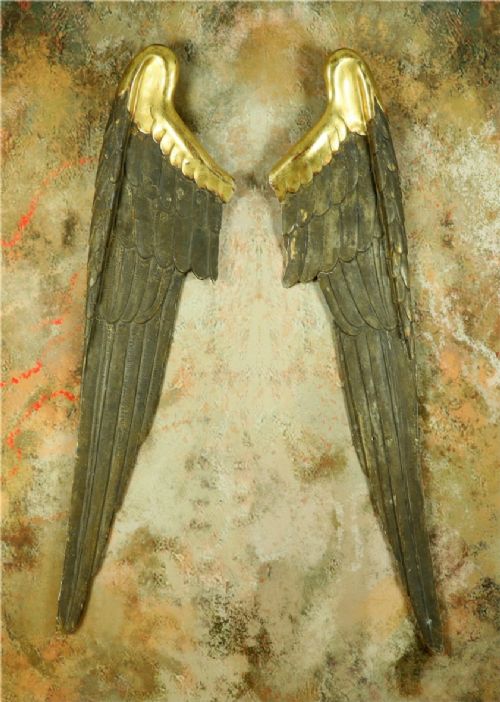
Several angels on display retain their original carved wooden wings, seemingly poised to take flight straight out of the chapel and into the hallway.
Evaluating sculptural quality
The distinction between average commercial work and exceptional carving lies in the anatomical fluidity of the drapery and the psychological depth of the face. Master carvers managed to convey movement and emotion through stiff timber, whereas lesser pieces remain static and formulaic.
The preservation of original surface treatments - such as early polychrome paint and genuine gilt-wood - heavily influences the character of a piece. Stripped surfaces or heavy overpainting obscure the original hand of the maker and alter the historical integrity of the sculpture.
The Antique Church Sculpture Glossary
- Polychrome
- Painted in several colours. This surface treatment was applied over gesso to give devotional statues lifelike appearance in churches.
- Gesso
- A plaster mixture used as a base for paint or gold leaf. It provided a smooth surface on wooden sculptures.
- Corbel
- A structural piece of stone or wood projecting from a wall to support a weight. Medieval examples often feature carved human or animal forms.
- Ecclesiastical
- Relating to the Christian Church or its clergy. Items described thus were made specifically for use within religious buildings.
- Altarpiece
- A structure set behind an altar. Panels and figures were frequently carved as central components of these larger devotional structures.
- Santos
- A carved figure of a saint. These devotional statues are particularly associated with Hispanic and Italian traditions.
Antique Church Sculpture: Frequently Asked Questions
What periods do these sculptures date from?
The available selection spans from pre-sixteenth-century gothic pieces up to the nineteenth century. Most examples originate in the sixteenth, seventeenth, and eighteenth centuries.
Earlier items often display late medieval or Renaissance characteristics, while later pieces reflect Baroque influences or nineteenth-century Gothic revivals.
How were these statues used originally?
These pieces served devotional and architectural roles within churches, chapels, and monastic buildings. Figures of saints and angels stood in shrines, adorned altars, or formed parts of larger altarpieces.
Processional figures were carried during religious festivals, while elements like corbels and panels formed the structural and decorative fabric of ecclesiastical architecture.
How do I distinguish oak from limewood pieces?
Oak typically displays a pronounced, open grain and greater weight, making it common in robust structural carvings and panels. Limewood possesses a tight, fine grain that allowed carvers to execute intricate details without splintering.
Continental workshops frequently favoured limewood for expressive figure carving during the Renaissance and Baroque periods.
How should I display antique church sculptures at home?
These sculptures require stable indoor environments away from direct sunlight and sudden temperature fluctuations. Heavy wooden figures need secure wall fixings or sturdy surfaces to support their weight.
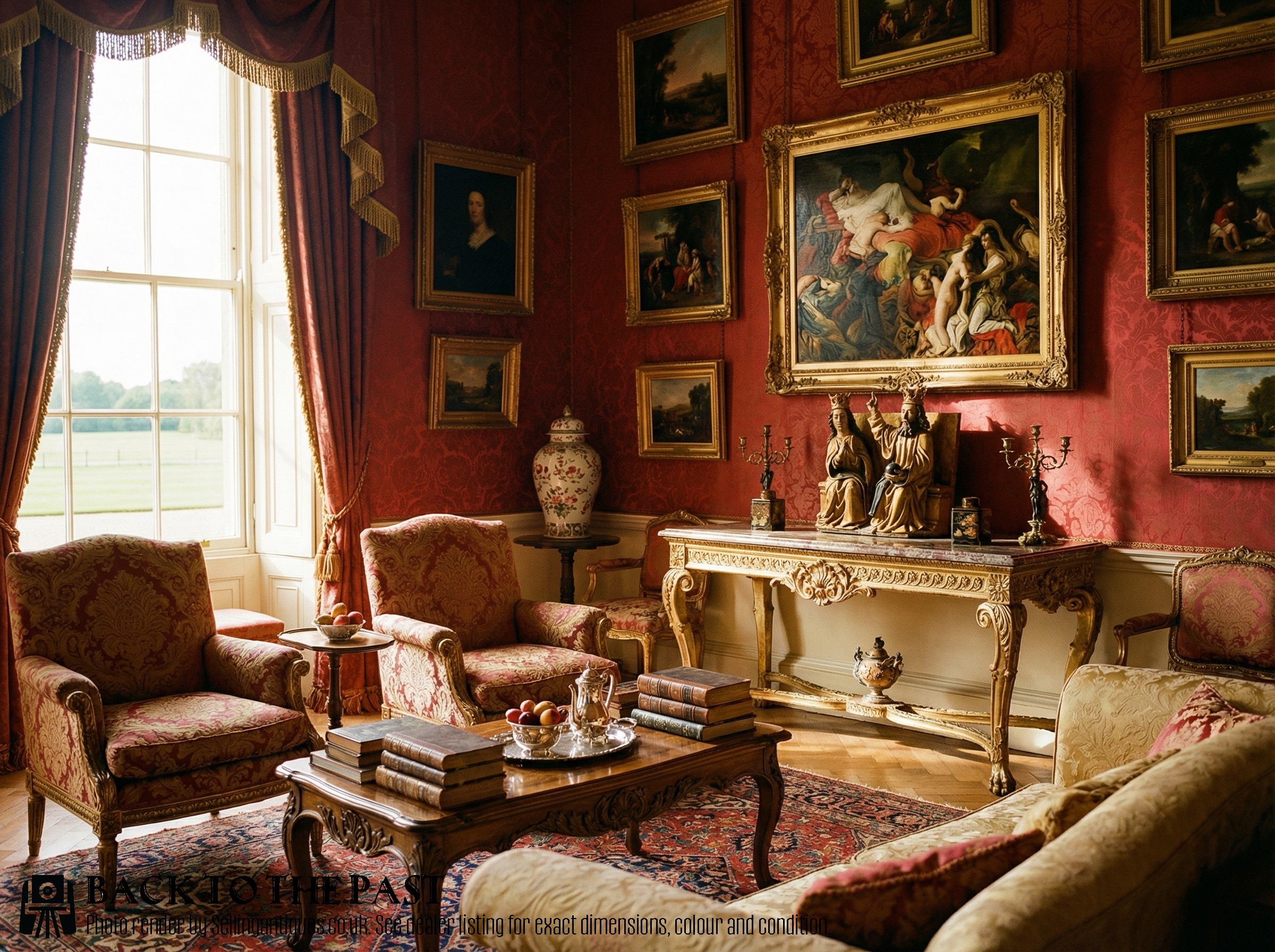
Allowing adequate space around each piece lets the carving and surviving polychrome surface remain the focal point of the room.