



Antique Christian Icon
These antique christian icon pieces are sacred devotional panels and paintings, offering centuries of spiritual heritage and intricate artistry for your wall.
Antique Christian Icon
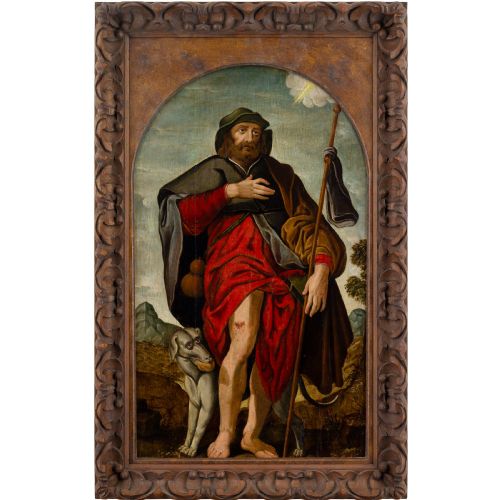
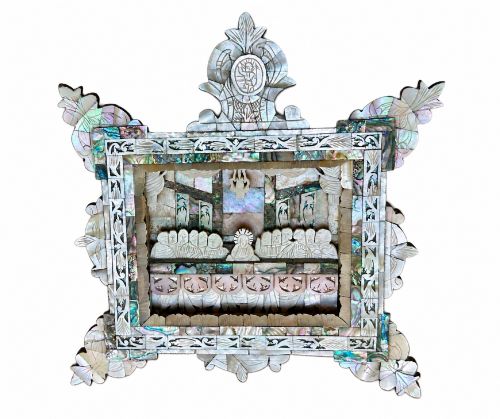
When you search for antique christian icon, you encounter a diverse range of sacred devotional works spanning multiple centuries and European traditions. These pieces include painted wooden panels, framed saints, oil paintings, and intricate needlepoint works designed for spiritual contemplation.
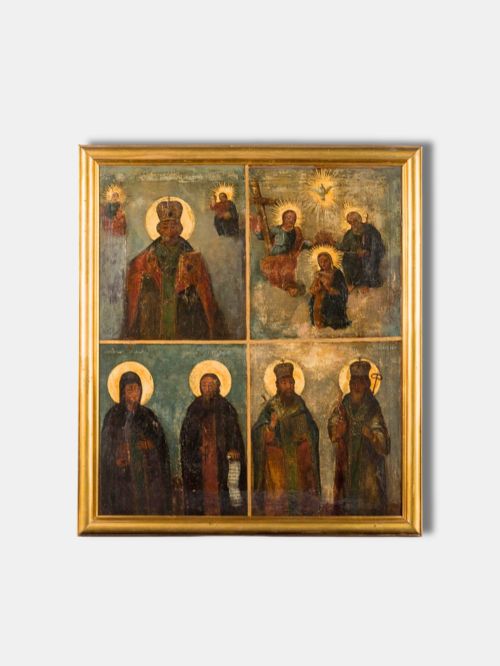
The versions you are most likely to meet on this page hail from the nineteenth century, often reflecting Russian Orthodox traditions alongside French Baroque, Spanish Colonial, and Victorian expressions. Creators utilised various formats, ranging from arched panels and shadowboxes to canvas paintings and carved wood depictions.
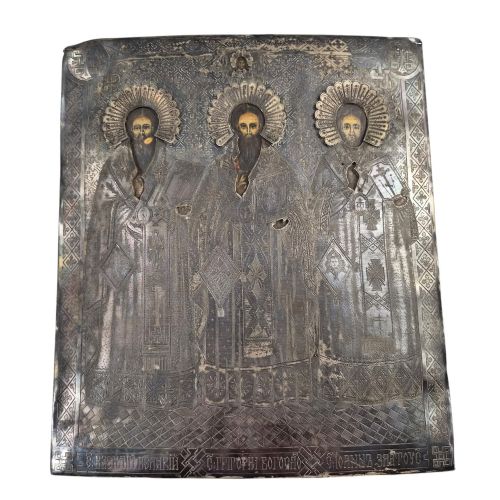
Many of these works present hagiographical narratives and holy figures, such as the Three Holy Hierarchs, Mary, and Jesus Christ. The selection brings together diverse regional workshops, encompassing both refined Imperial Russian metalwork and humble religious folk art.
Materials and construction methods
Makers constructed these devotional pieces using wood panels, canvas, and glass, often applying tempera, oil paint, or gold leaf to build rich, luminous surfaces. Artisans incorporated precious metals like silver for protective covers, known as riza, while others employed needlepoint textiles and enamel plaques.
Traditional techniques relied on carefully prepared wooden supports, sometimes mounted or carved, upon which painters layered pigments and precious leaf. Workshops also produced framed prints, oil portraits, and detailed wood carvings to serve domestic and ecclesiastical spaces.
Antique Christian Icon Retail Price Guide 2026
Typical asking prices for christian icon among the pieces listed under this phrase on Sellingantiques today, from the lower quarter to the upper quarter. They describe what is for sale here now, not the wider market.
Listings feature works spanning the 17th, 18th, 19th, and early 20th centuries, including Victorian and 1930s examples.
Distinctions in craftsmanship and preservation
Pieces also differ in the complexity of their composition, with multi-figured narrative scenes and specialised silverwork sitting apart from simpler printed or folk interpretations. The preservation of the original surface, whether tempera on wood or oil on canvas, largely defines the enduring character of each piece.
Heinrich Grünbaum
The Antique Christian Icon Glossary
- Tempera
- A permanent, fast-drying painting medium consisting of coloured pigments mixed with a water-binder, frequently egg yolk. This technique underpins many traditional panel paintings.
- Riza
- A protective metal cover or revetment placed over an icon, typically leaving only the faces and hands of the figures visible. These covers are often fashioned from silver or other metals.
- Needlepoint
- A type of canvas work embroidery created with yarn using various stitches to form pictorial or geometric designs. This method appears in devotional textile art.
- Limoges Enamel
- Vitrified glass fused to a metal base, originating from the French city of Limoges. These plaques provide durable, vibrant miniature religious scenes.
- Shadowbox
- A glass-fronted recessed box used to display and protect objects of devotion. This framing method safeguards delicate items from dust and damage.
Antique Christian Icon: Frequently Asked Questions
What is an icon?
An icon is a sacred work of art, typically depicting Jesus Christ, Mary, or saints, intended to inspire prayer and contemplation in the viewer.
These pieces function as windows to the divine, traditionally venerated in domestic shrines and places of worship across various Christian denominations.
How old are these pieces?
The items span from the seventeenth century through to the early twentieth century, encompassing periods such as the Victorian era and the 1930s.
Dates are determined by stylistic evidence, material composition, and documentation associated with specific regional traditions and workshops.
How do I care for an icon?
Maintain these devotional works by keeping them away from direct sunlight, high humidity, and extreme temperature fluctuations that can damage wood and paint.
Dust gently with a soft, dry cloth and avoid applying liquid cleaners to delicate surfaces like gold leaf, tempera, or exposed canvas.
Where were these pieces made?
These works originate from diverse regions, including Russia, France, Spain, and Britain, reflecting local ecclesiastical and folk art traditions.
Geographic origins are evident in the distinct stylistic choices, linguistic inscriptions, and materials favored by regional artisans and makers.