




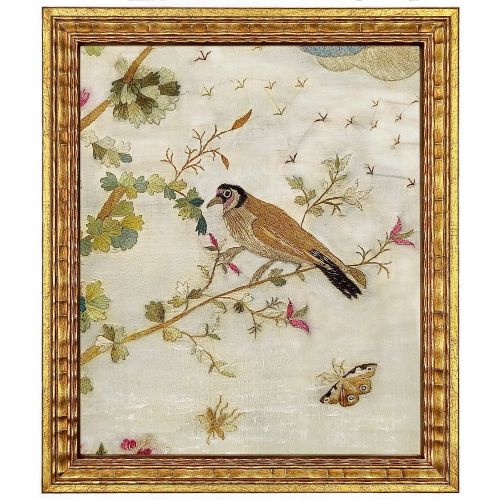
Antique Chinoiserie
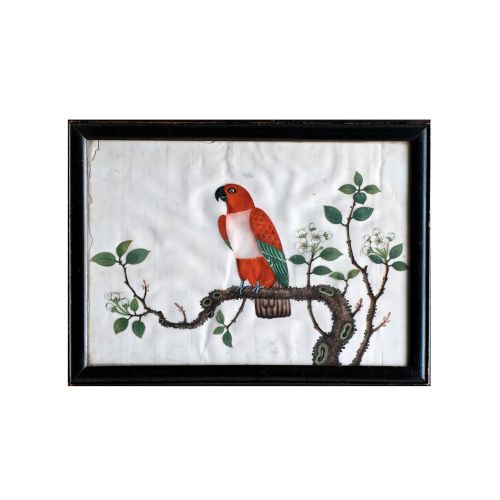
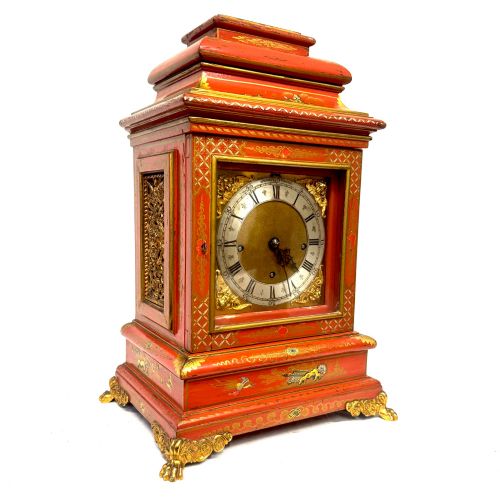
These pieces bring antique chinoiserie into a room, offering lacquered surfaces, painted motifs, and wooden forms rooted in European interpretations of East Asian design.
Antique Chinoiserie
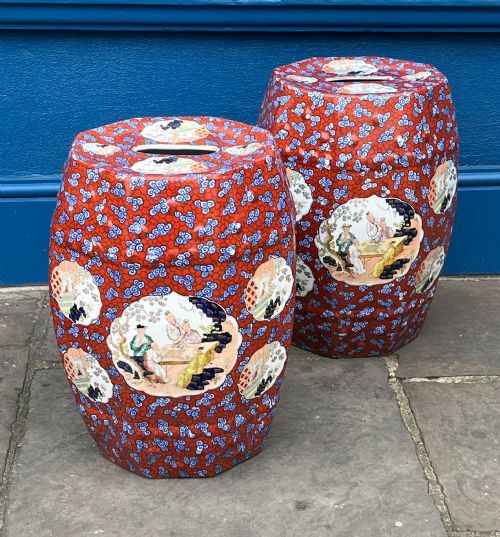
Objects arrive in various forms and regional interpretations, covering English Chinese Chippendale, Dutch Baroque, and French styles alongside Victorian and Edwardian iterations. Pieces range from large breakfront bookcases and screens down to smaller bamboo etageres and needlework boxes, all sharing decorative vocabularies drawn from European visions of Chinese and Japanese motifs.
Materials and construction
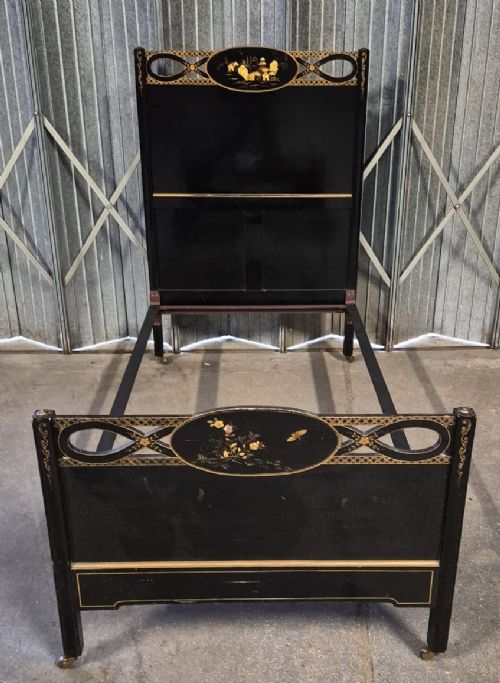
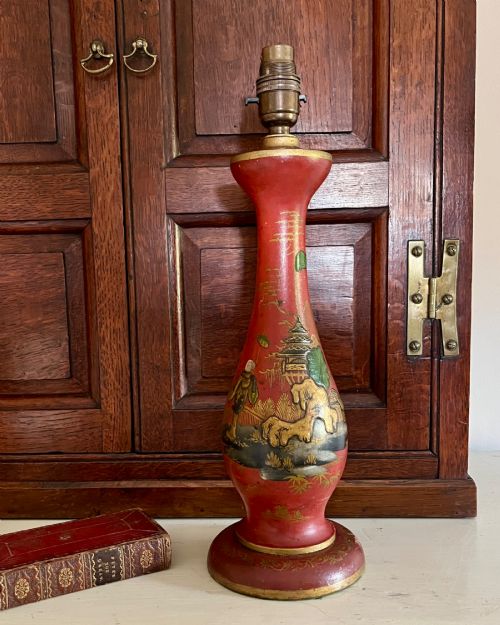
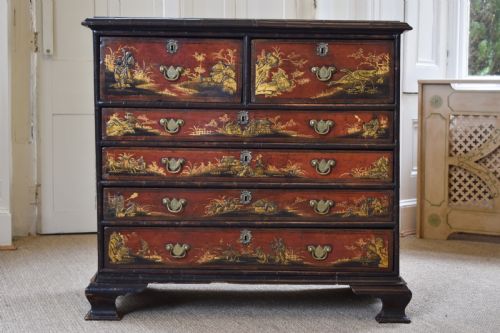
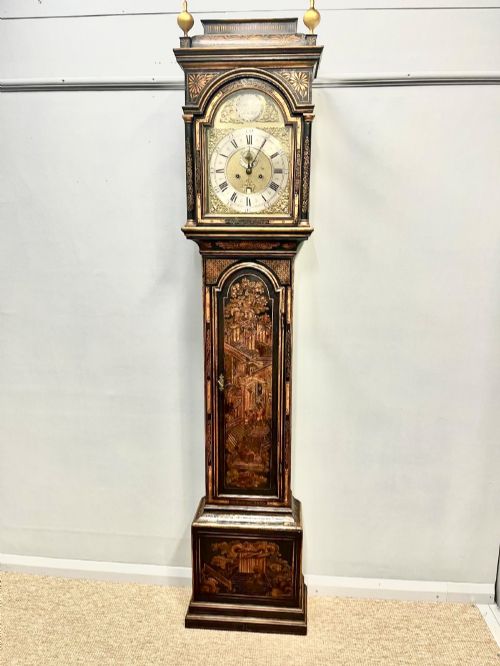
Wood provides the structural base for much of the furniture, utilising timber frames finished with layers of lacquer, black or red paint, and applied gold leaf or gilt details to create reflective, pictorial surfaces. Craftsmen built cabinets, side tables, and screens from hardwoods, pine, and bamboo, often integrating brass hardware and glass panels.
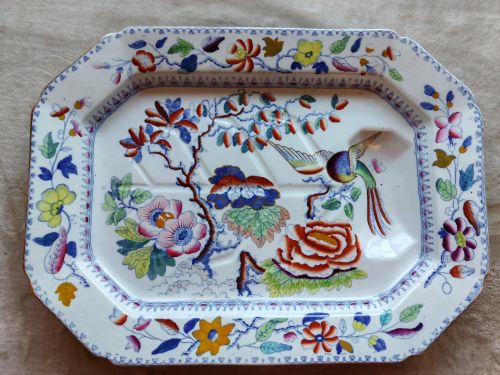
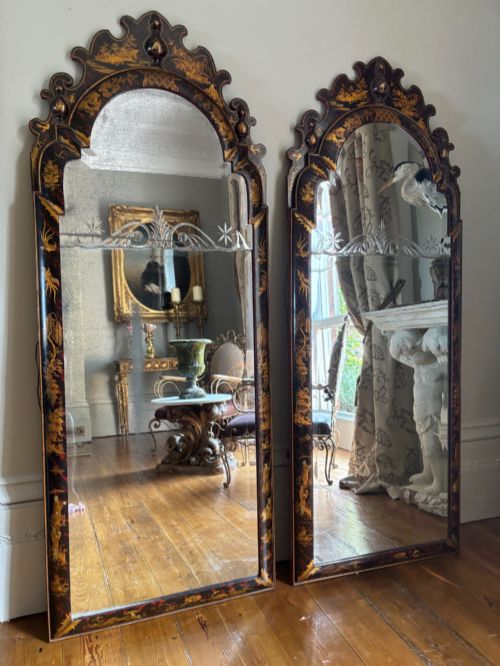
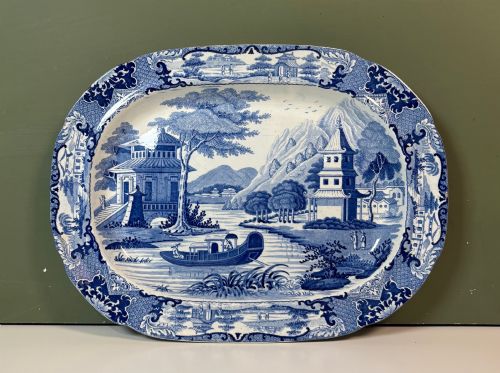
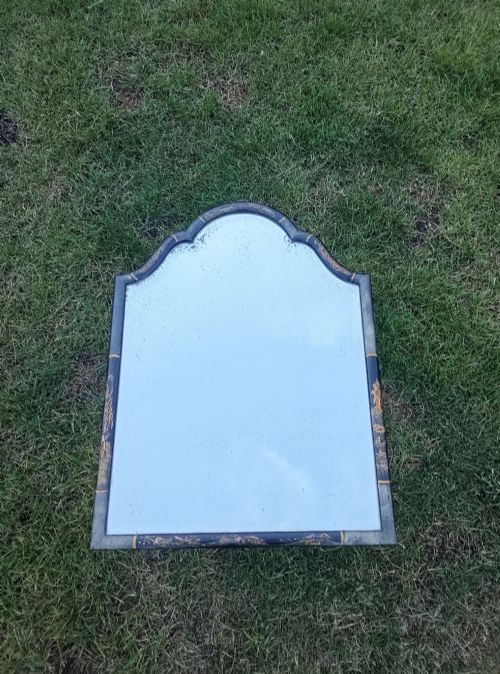
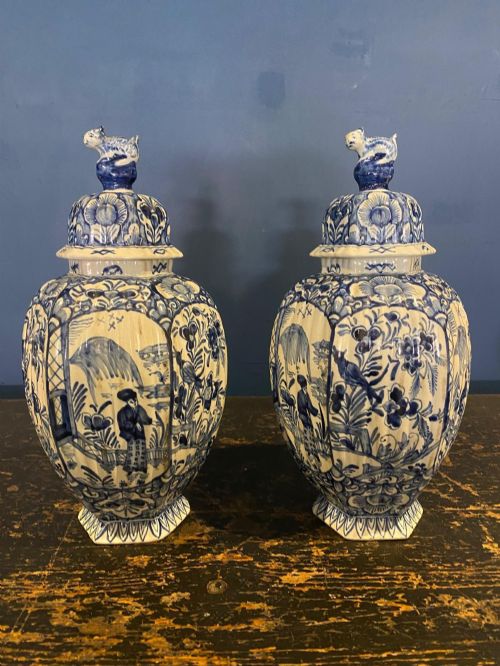
Ceramics and glass appear across earthenware, faience, porcelain, and eglomise mirrors, utilising blue and white pigments, polychrome enamels, and Majolica glazes. Makers combined these fragile media with metal mounts, ceramic lamp bases, and carved wooden supports to produce functional household items.
Antique Chinoiserie Retail Price Guide 2026
Typical asking prices for chinoiserie among the pieces listed under this phrase on Sellingantiques today, from the lower quarter to the upper quarter. They describe what is for sale here now, not the wider market.
Distinctions in quality
Quality rests in the depth and preservation of the surface decoration, distinguishing hand-applied lacquer layers and delicate gold leaf detailing from simpler painted finishes. Superior examples show crisp execution in pictorial scenes and integrated hardware that complements the timber structure without distraction.
Structural integrity and the retention of original decorative schemes separate fine workshop production from later adaptations. Pieces retaining their early patination, authentic brass mounts, and stable joinery hold greater coherence than items with heavy later repainting or mismatched components.
Hille for Harrods·Edme Samson·Waugh and Son·Mallets
The Antique Chinoiserie Glossary
- Chinoiserie
- European decorative style imitating Chinese and East Asian artistic traditions. It manifests in furniture, ceramics, and textiles through painted landscapes and motifs.
- Lacquer
- A durable finish built from multiple sap-based or resin coatings applied to wood. It creates a smooth, polished surface often decorated with gold leaf.
- Coromandel
- Chinese carved lacquer panels utilising dark grounds incised with polychrome designs. These pieces were frequently adapted into folding screens in Europe.
- Faience
- Tinned-glazed earthenware produced across Europe, notably in Delft. It frequently imitates blue and white Chinese porcelain aesthetics.
- Eglomise
- Gilding on the reverse side of glass panels. This technique produces reflective, metallic decorative borders for mirrors and furniture.
Antique Chinoiserie: Frequently Asked Questions
How do I date antique chinoiserie furniture?
Dating relies on examining construction methods, timber types, and the composition of the lacquer layers. Earlier seventeenth and eighteenth-century pieces often employ native European hardwoods beneath traditional finishes, while Victorian and Edwardian examples show industrial developments in fixings and secondary woods.
Stylistic shifts also indicate age, moving from heavy Dutch Baroque proportions to lighter Chinese Chippendale fretwork and later bamboo or ebonised surfaces. Comparing the specific painted motifs against known period patterns helps narrow the timeframe of manufacture.
What is the difference between Chinese export and European chinoiserie?
Chinese export items were manufactured in East Asia specifically for Western markets, utilising local materials, porcelain bodies, and traditional lacquer techniques adapted to European tastes. These pieces carry authentic regional craftsmanship combined with requested Western shapes or crests.
European chinoiserie consists of items made within England, France, Netherlands, and other Western nations by local craftsmen interpreting Asian design. These objects use European woods, ceramics, and furniture forms overlaid with painted or lacquered orientalist decoration.
Where were chinoiserie mirrors and cabinets placed?
Cabinets, display pieces, and etageres served as focal points in reception rooms, drawing rooms, and studies to store valuables and display collections of ceramics. Their decorative surfaces provided visual contrast against wood-paneled or wallpapered walls.
Wall mirrors and eglomise glasses hung above mantelpieces or between windows to reflect light and enhance the perceived size of domestic interiors. Smaller occasional tables and side stands sat beside seating areas for daily use.