




Antique Chinese Style Jar
These antique chinese style jar selections span porcelain, enamel and wood across the nineteenth and early twentieth centuries.
Antique Chinese Style Jar
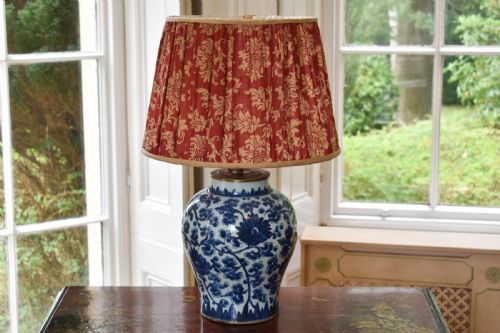
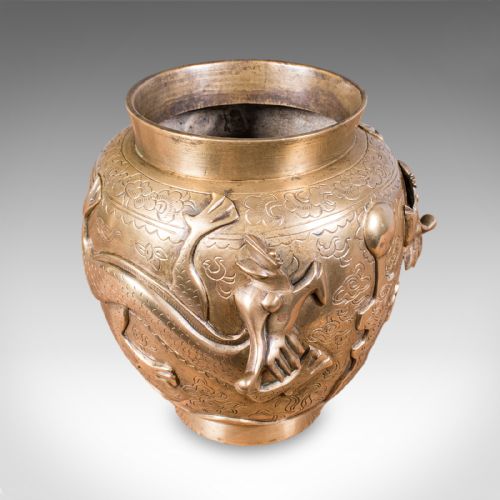
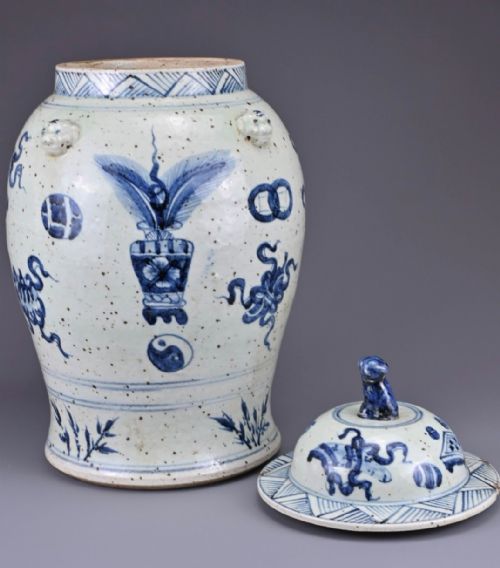
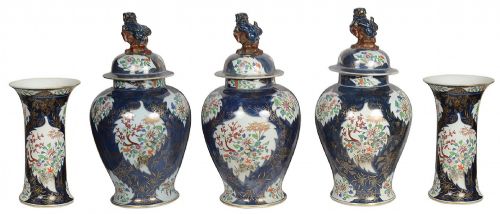
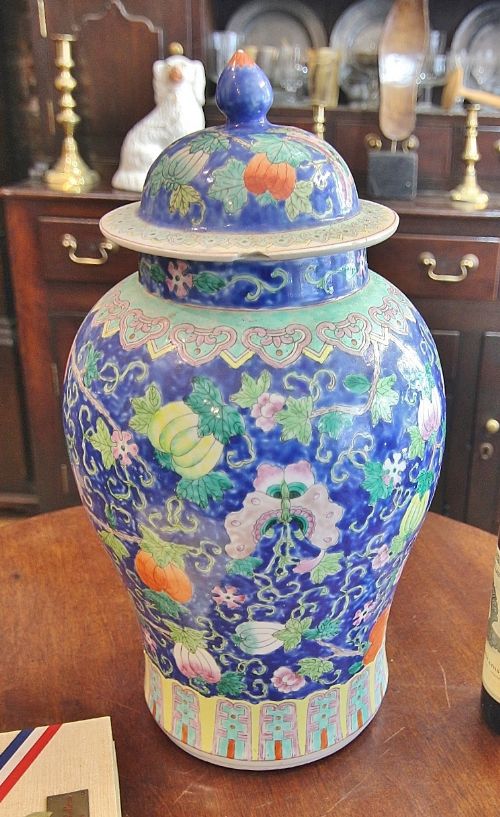
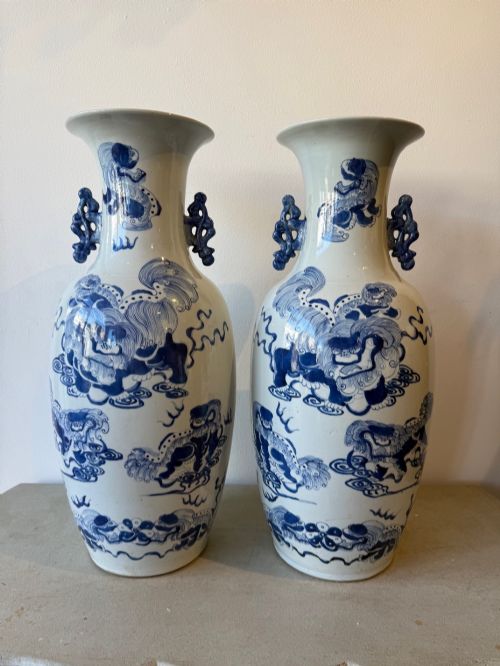
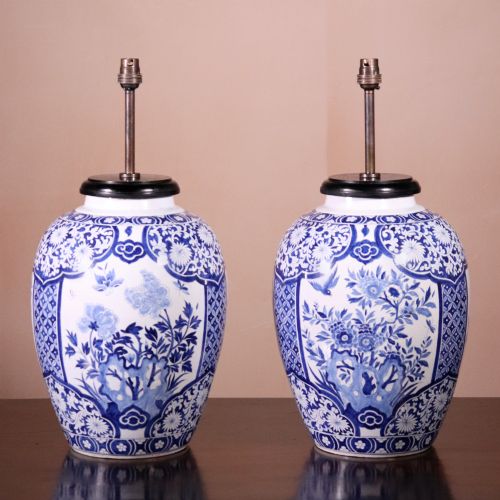
When you search for an antique chinese style jar, you are looking at vessels designed for display, lighting or storage. The most common forms on this page include lidded ginger jars, blue and white porcelain vases and converted table lamps.
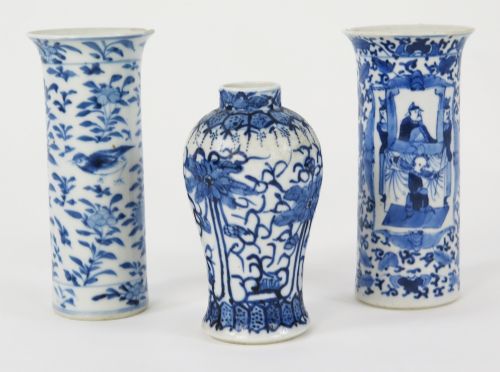
These items originate predominantly from the nineteenth century and the early twentieth century, reflecting enduring European and domestic demand for Asian aesthetic forms. Pieces range from blue and white porcelain bearing Kangxi or Qianlong marks to cloisonne, enamel and red lacquered boxes.
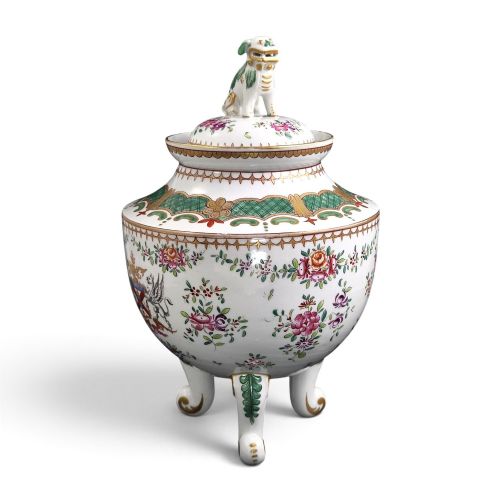
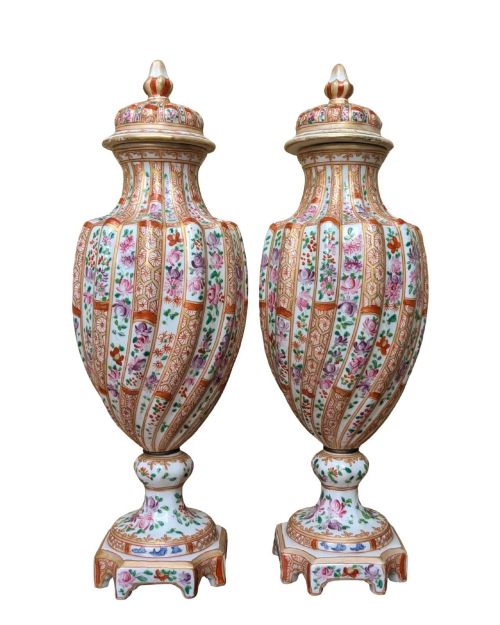
Makers such as Samson Paris also produced armorial chinoiserie porcelain wares in this tradition. Collectors will encounter diverse styles, including Famille Rose, Famille Verte, Chinoiserie and Chinese Export.
How they were made
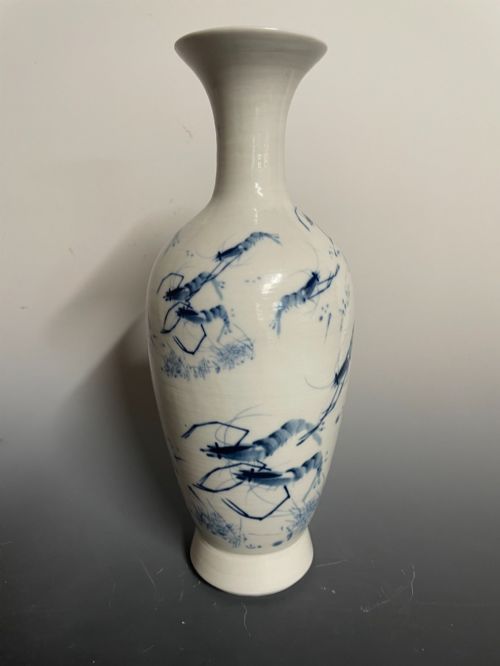
Potters and artisans utilised porcelain, ceramic, stoneware and pottery as the core structural bodies for these jars and vases. Cobalt glaze, underglaze blue, enamel and gold leaf provide the decorative surface layers across the pieces.
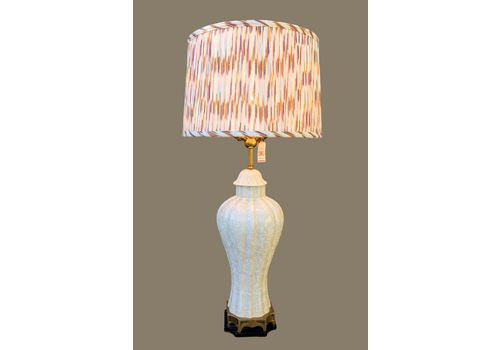
Specialised techniques include red lacquering on wooden boxes and detailed cloisonne work on lidded vessels. Many pieces combine ceramic bodies with brass fittings, particularly those adapted into table lamps during later periods.
Antique Chinese Style Jar Retail Price Guide 2026
Typical asking prices for chinese style jar among the pieces listed under this phrase on Sellingantiques today, from the lower quarter to the upper quarter. They describe what is for sale here now, not the wider market.
Listings feature items spanning porcelain, brass, enamel, wood, ceramic, gold leaf, cobalt glaze and silk across multiple centuries.
What varies in quality
The standard of painting and glaze execution determines the distinction between ordinary production and superior work. Crisp underglaze blue, detailed brushwork in Famille Rose palettes and precise application of enamel signify higher skill.
Material integrity and the preservation of original surfaces also divide the range. Intact lacquer, well-preserved gold leaf, and undamaged porcelain or cloisonne without heavy structural compromise represent the better examples.
Samson Paris·Mason
The Antique Chinese Style Jar Glossary
- Blue and white
- A style of pottery and porcelain decorated in pigment with cobalt oxide on a white body. This technique appears frequently across nineteenth-century jars and vases.
- Cloisonne
- An ancient technique for decorating metalwork objects with coloured material held in place by thin metal strips. Pieces in this method include lidded vases from the early twentieth century.
- Famille rose
- A palette of opaque enamels introduced during the Qing dynasty, dominated by pink or rose colours. This style appears on garnitures and ginger jars.
- Kamcheng
- A type of covered jar originating from Chinese export trade ceramics. These vessels are typically painted in blue and white or polychrome enamels.
- Doucai
- A technique where outlines are painted in underglaze blue and filled with overglaze enamels before firing. This method is seen on dragon jars from the Qing dynasty.
Antique Chinese Style Jar: Frequently Asked Questions
How old is an antique chinese style jar?
Most pieces found here date from the nineteenth century and the early twentieth century. Certain items reflect earlier design periods, such as eighteenth-century styles or Song dynasty forms.
Catalogues often reference periods like the Qing Dynasty or specific reign marks to indicate the design inspiration and manufacturing era of each vessel.
Were these jars used for storage?
Many lidded jars and ginger jars were originally intended for holding spices, tea or other commodities. Over time, numerous examples transitioned purely into decorative display objects.
Some surviving pieces were later converted into table lamps during the nineteenth or twentieth centuries, altering their original domestic function.
What is the difference between cloisonne and enamel?
Cloisonne involves soldering flat metal wires onto a metal base to create compartments that are then filled with enamel paste. Standard enamel decoration is applied directly to the pottery or metal surface without wire cells.
Both techniques yield colourful decorative finishes on jars and vases from the early twentieth century.
How should I clean my jar?
Dust porcelain, ceramic and cloisonne surfaces gently with a soft, dry cloth. Avoid harsh chemical cleaners or abrasive materials that could damage gold leaf, enamel or lacquer.
If the piece has been wired as a lamp, ensure it remains unplugged and keep electrical components completely dry.