

Antique Chinese Pot
When searching for an antique chinese pot, collectors discover vessels shaped for scholarly desks, ritual offerings and garden displays across centuries of craftsmanship.
Antique Chinese Pot
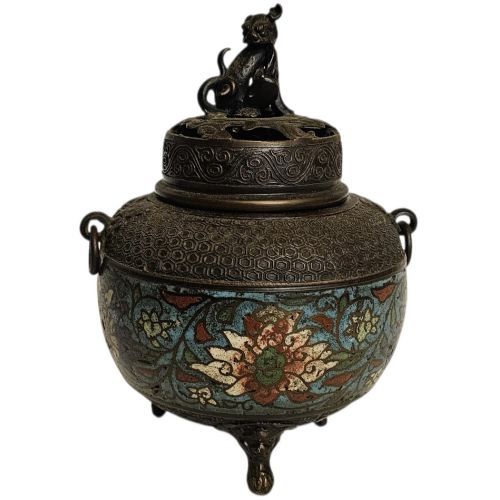
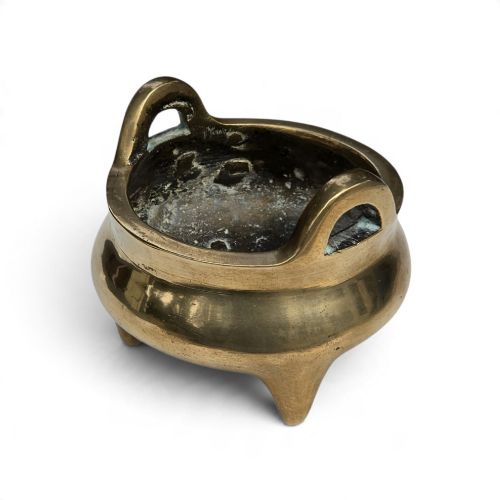
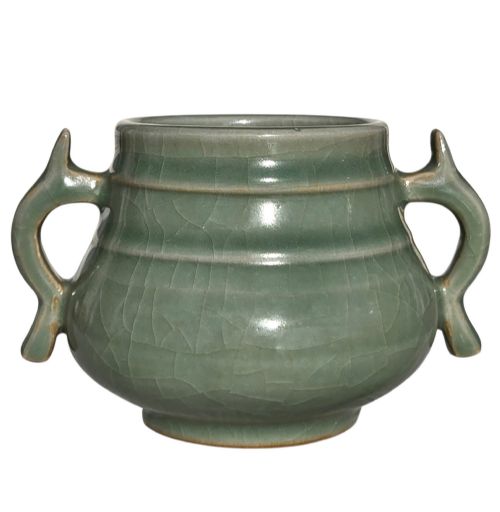
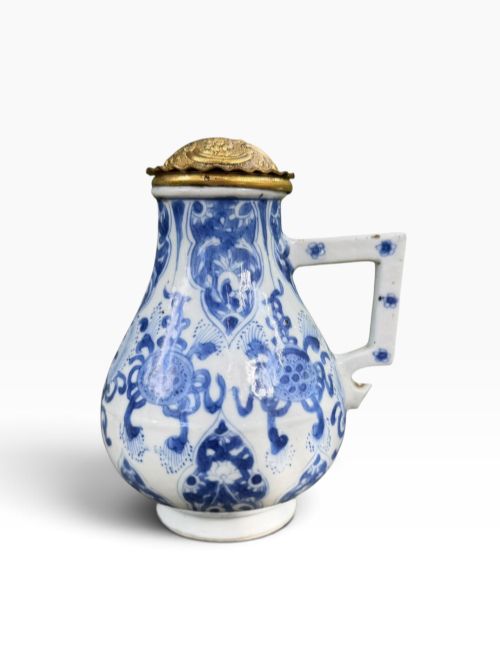
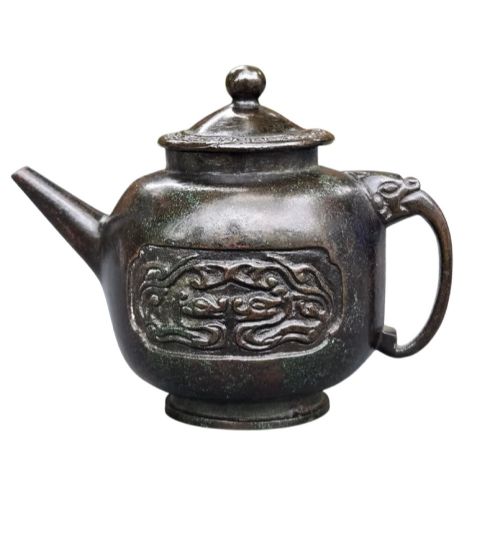
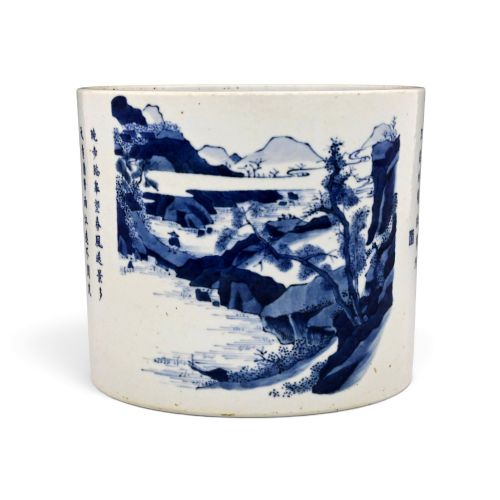
An antique chinese pot encompasses a diverse array of utilitarian and ritual vessels, ranging from blue and white porcelain brush pots to bronze tripod censers and ceramic water vessels.
The pieces encountered most frequently span the late Qing Dynasty and the early twentieth century, reflecting both domestic scholar traditions and objects made for export markets.
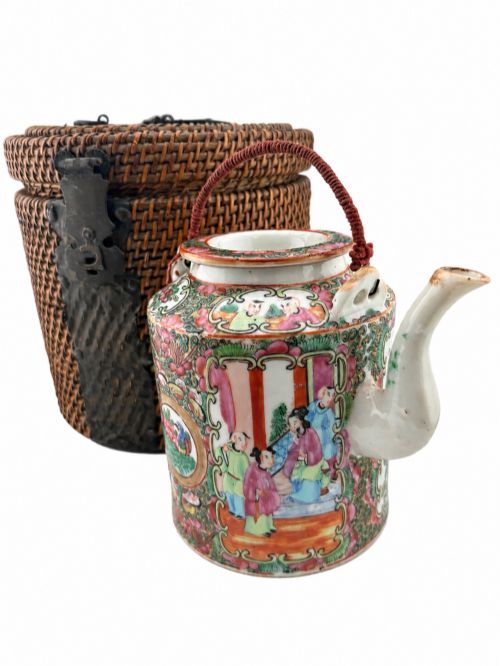
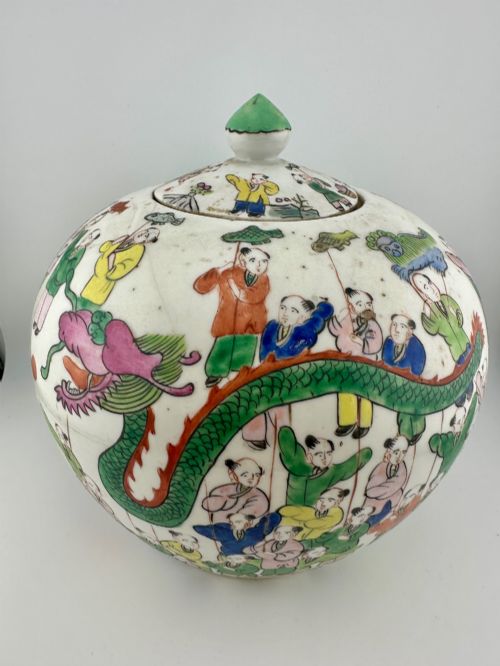
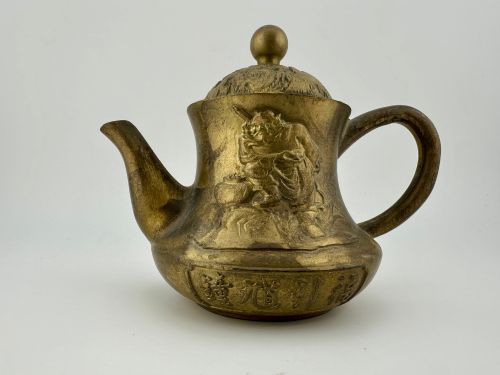
Forms include cylindrical bitong brush holders, large porcelain jardinières, small tea pots and heavy bronze vessels created for incense burning.
Materials and Technique
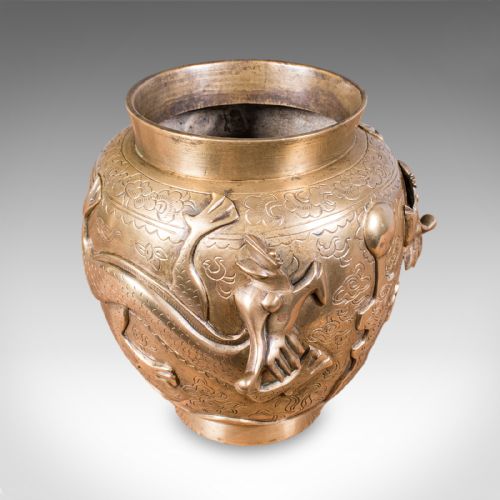
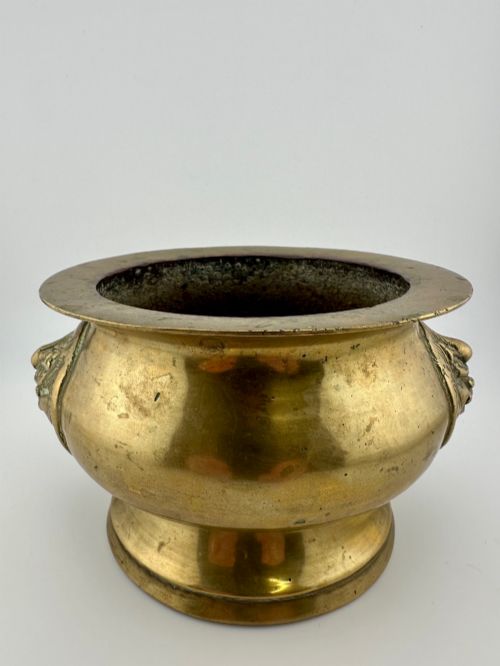
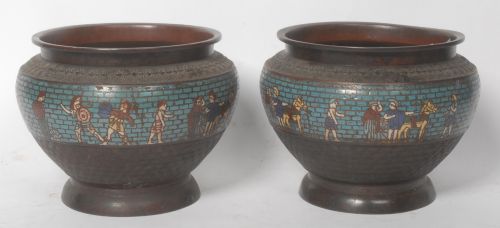
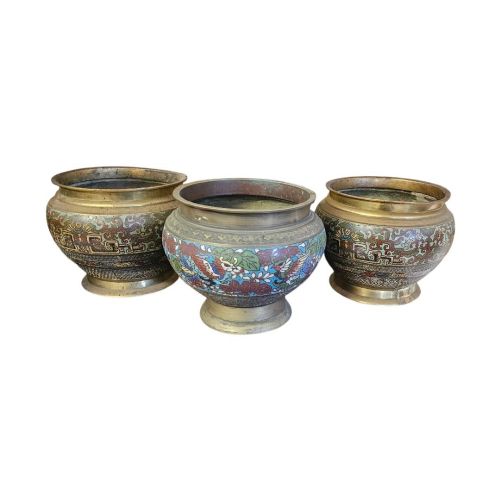
Metals such as bronze, brass and copper feature extensively, often enhanced through champlevé enamel or intricate cast motifs of dragons, phoenixes and lion mask handles.
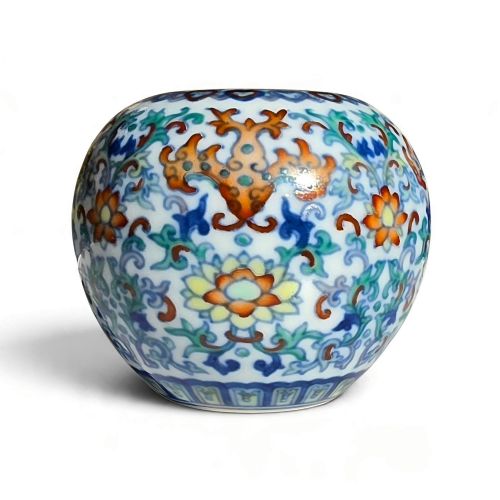
Ceramic pieces utilise porcelain, cobalt glaze, powder-blue glazes and famille rose enamels, demonstrating precise throwing, moulding and high-temperature firing techniques.
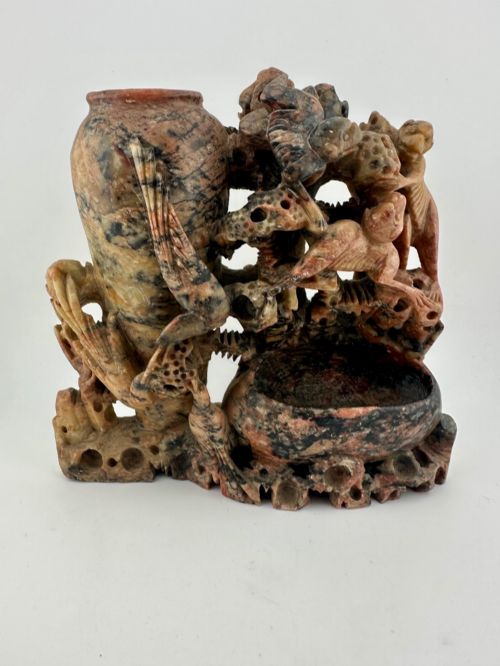
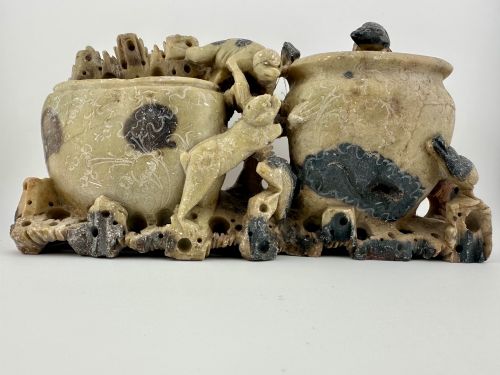
Organic materials like dense hardwoods and carved soapstone provide substantial desktop vessels and dedicated pot stands with inset marble panels.
Antique Chinese Pot Retail Price Guide 2026
Typical asking prices for chinese pot among the pieces listed under this phrase on Sellingantiques today, from the lower quarter to the upper quarter. They describe what is for sale here now, not the wider market.
Listings feature items spanning the Ming Dynasty through to the early twentieth century, utilising porcelain, bronze, enamel and hardwood.
Craftsmanship and Proportion
Quality rests upon the crispness of the casting in bronze items and the refinement of the potting and glaze control in porcelain pieces.
Superior examples display balanced proportions, deliberate mark placements such as imperial reign characters, and harmonious integration of decorative motifs like floral panels or mythical beasts.
Edmé Samson
The Antique Chinese Pot Glossary
- Bitong
- A cylindrical brush pot utilised on a scholar's desk for holding writing implements. These containers appear in porcelain, hardwood and soapstone.
- Censer
- A vessel designed for burning incense, frequently supported on three legs and fashioned from bronze. Examples often display archaic motifs or lion mask handles.
- Jardinière
- A large ornamental pot intended for holding plants or flowers. These vessels appear in ceramic, cloisonné enamel and polished brass.
- Famille Rose
- A palette of opaque enamel colours dominated by pink or rose hues, introduced during the Qing Dynasty. This decoration is common on export and domestic porcelain jars.
- Champlevé
- An enamelling technique where troughs are carved into a metal base and filled with vitreous enamel before firing. This method appears on bronze vessels and cachepots.
Antique Chinese Pot: Frequently Asked Questions
How do you date bronze censers?
Dating bronze censers involves examining the casting weight, surface patination, handling of archaic motifs and any cast reign marks.
Changes in metal composition and decorative styles across the Ming and Qing Dynasties provide reliable chronological markers.
Where were porcelain brush pots made?
Porcelain brush pots were produced in large ceramic manufacturing centres in China, most notably Jingdezhen, for domestic scholarly use and export.
Kilns operated under imperial patronage or as private enterprises depending on the period.
How should hardwood stands be cared for?
Hardwood pot stands require stable indoor humidity and temperature levels to prevent timber movement and protect inset marble panels.
Regular dusting with a soft, dry cloth preserves the natural finish without the need for heavy polishes.