



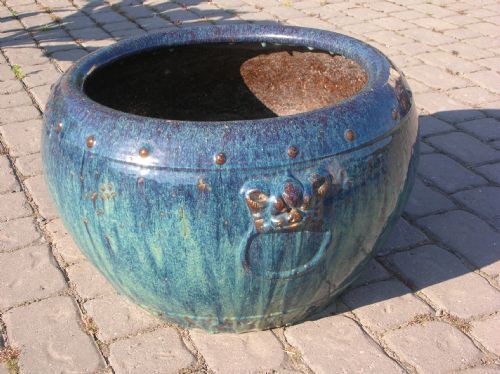


Antique Chinese Porcelain Pot
When you search for an antique chinese porcelain pot, you encounter centuries of kilns, scholars' vessels, and domestic containers shaped by dynasties and export trade.
Antique Chinese Porcelain Pot
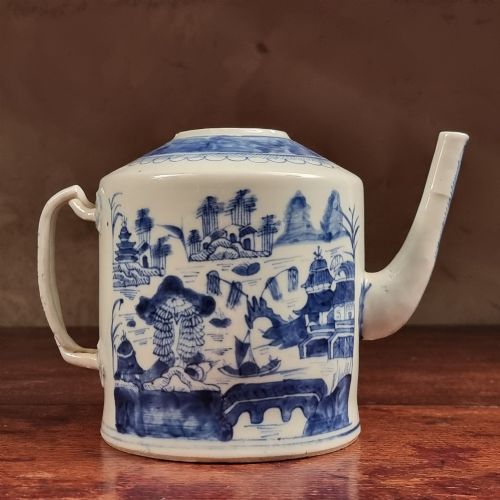
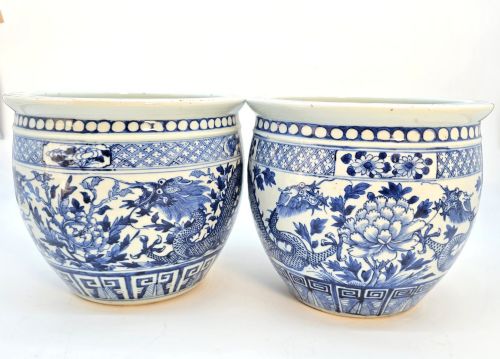
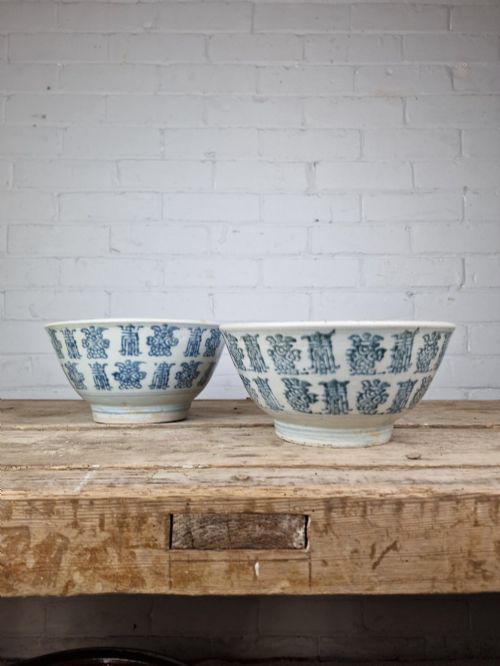
The term antique chinese porcelain pot covers a diverse group of functional and decorative vessels including brush pots, teapots, ginger jars, and jardinières spanning from the sixteenth century to the early twentieth century. You will most frequently encounter nineteenth-century blue and white export pieces alongside eighteenth-century scholar's items and larger planters.
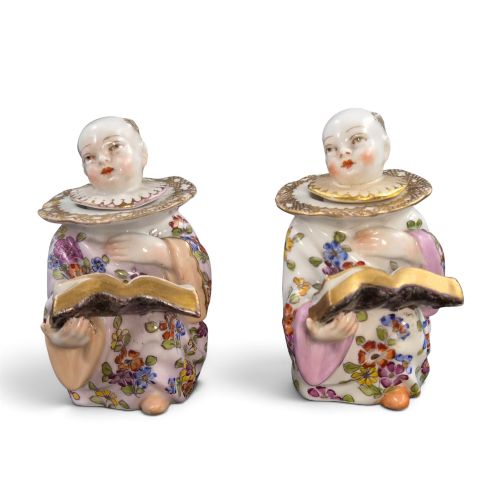
Vessels range from small inkwells and opium pots to substantial fish bowls and garden seats originating across various imperial and provincial periods. The selection here reflects both domestic Chinese forms and wares produced specifically for Western markets.
Form follows function closely in these categories, dividing scholarly desk accessories from storage jars and plant holders. Each object carries the specific aesthetic markers of its period, whether Qing Dynasty imperial marks or provincial export characteristics.
How they were made
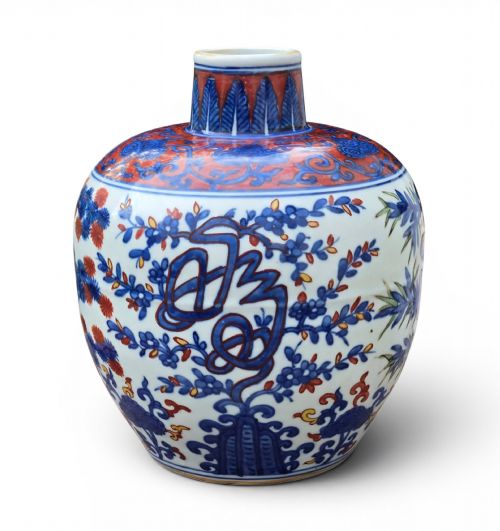
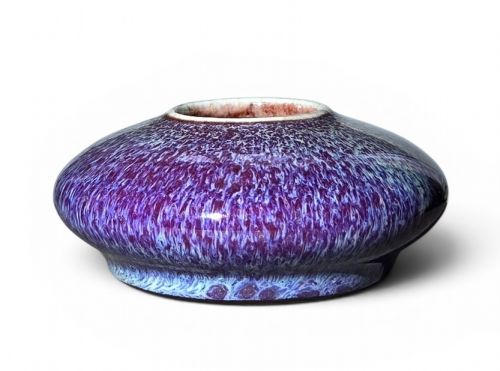
Potters utilised high-firing ceramic bodies combined with cobalt underglaze, coloured enamels, and transparent glaze layers to achieve durable and lustrous surfaces. Pieces often integrated copper reds, iron reds, and gold leaf alongside traditional cobalt blue pigments.
Techniques varied from precise imperial court production with controlled kiln atmospheres to robust provincial throwing and moulding. Artisans applied hand-painted motifs ranging from delicate scholar scenes and botanical studies to complex dragons and Buddhist lions.
Materials recorded across current items include cobalt glaze, enamel, gold leaf, and traditional ceramic bodies.
What varies in quality
Quality rests upon the crispness of the underglaze painting, the purity of the porcelain body, and the balance of the potting. Superior examples display confident, fluent brushwork and controlled glaze application without cloudiness or distortion.
Imperial mark and period pieces or those attributed to specific reigns command attention through refined potting and sophisticated enamel palettes. Provincial items demonstrate simpler execution and heavier bodies suited to everyday utility.
Edmé Samson
The Antique Chinese Porcelain Pot Glossary
- Bitong
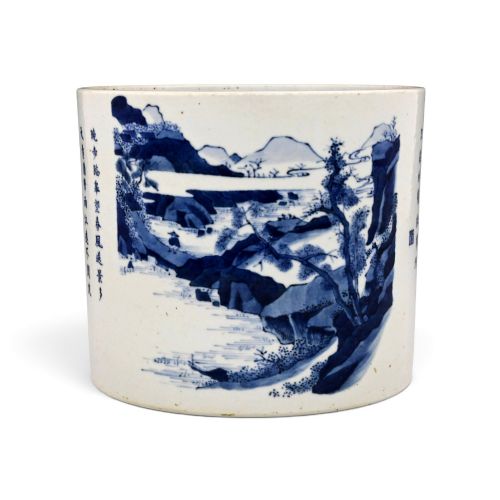
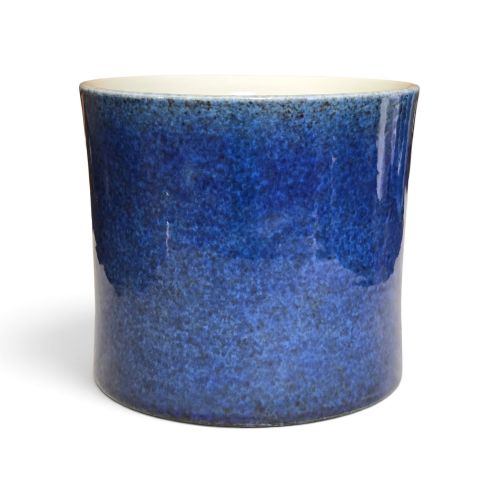
- A cylindrical scholar's brush pot used in traditional Chinese studios for holding writing brushes. These vessels often feature carved or painted scholarly scenes.
- Jardinière
- A large decorative pot or planter designed to hold growing plants or flowers. They appear in porcelain across various nineteenth-century and earlier styles.
- Famille Rose
- A palette of opaque enamel colours introduced in the eighteenth century, dominated by pink or rose tones derived from colloidal gold. It frequently decorates jars, teapots, and plates.
- Doucai
- A decorative technique combining underglaze blue outlines with overglaze coloured enamels filled in the spaces. This method requires multiple firings in the kiln.
- Kangxi Period
- The reign period from sixteen sixty-two to seventeen twenty-two noted for vibrant blue and white porcelain and refined famille verte enamels. Pieces from this era show exceptional technical mastery.
Antique Chinese Porcelain Pot: Frequently Asked Questions
How do I care for antique porcelain?
Clean antique porcelain gently using warm water and a mild detergent with a soft cloth. Avoid abrasive sponges or harsh chemicals that can damage delicate overglaze enamels and gold leaf.
Display pieces away from direct sunlight and areas subject to sudden temperature shifts to protect the glaze and ceramic body from stress.
How can I tell the period of a jar?
Dating relies on examining the potting style, the characteristics of the cobalt or enamel pigments, and any reign marks on the base. Stylistic shifts between Ming, Qing, and later periods provide clear visual clues.
Foot rims and glaze textures also offer physical evidence of the era in which the kiln fired the piece.
What is export porcelain?
Export porcelain refers to wares manufactured in China specifically for trade and sale to Western markets from the seventeenth century onward. These items often adapted traditional Chinese forms to suit European tastes and interiors.
Chinoiserie styles and specific European coat of arms or shapes frequently appear on these commercial pieces.