

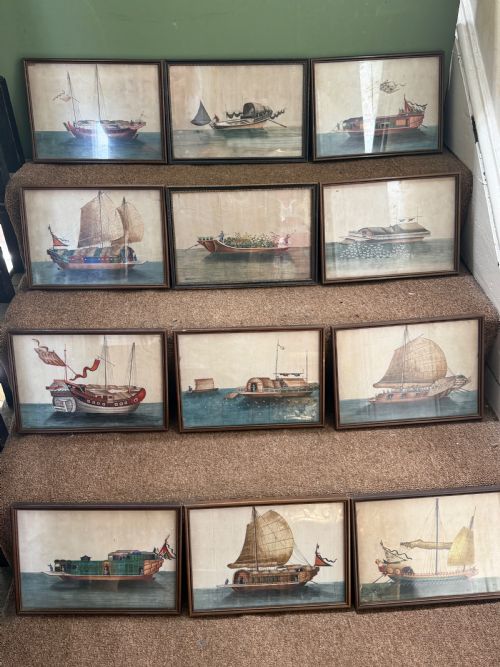
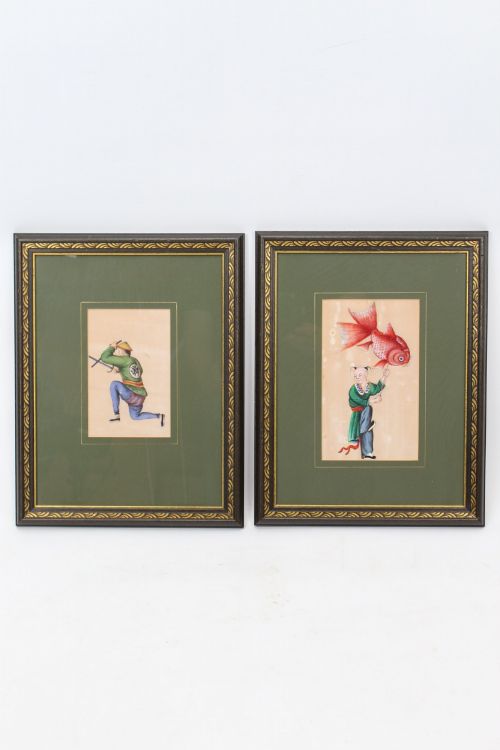


Antique Chinese Pith Paper
Antique chinese pith paper brings vibrant nineteenth-century export art into your home, capturing figures, ships and insects with remarkable delicacy.
Antique Chinese Pith Paper
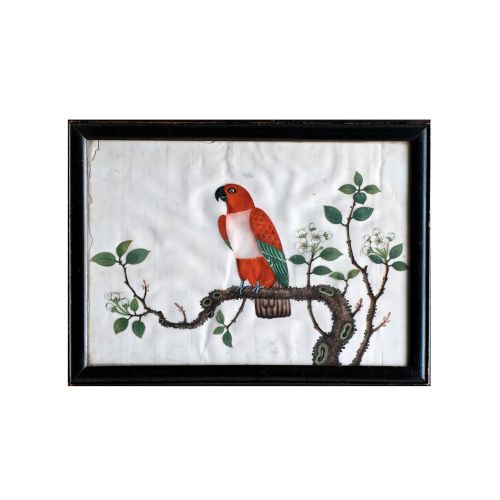
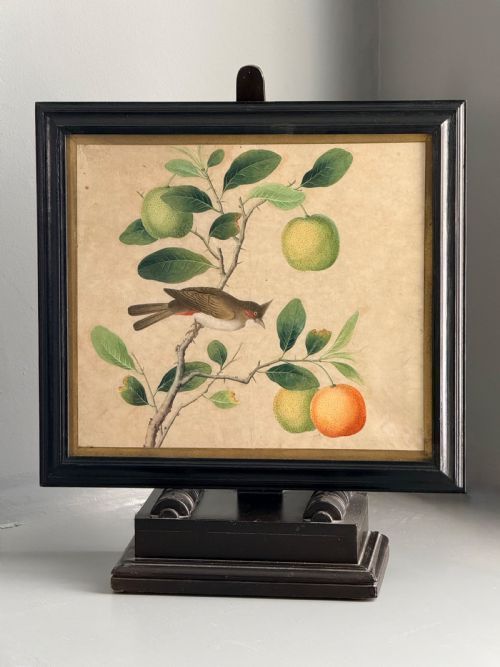
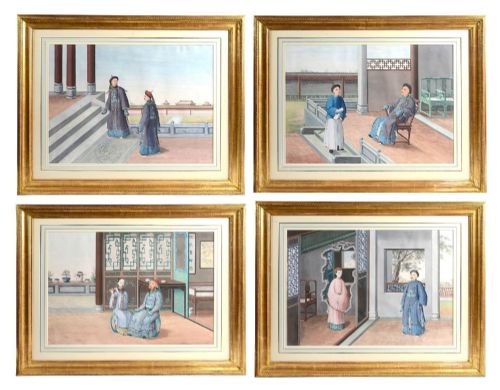
When you search for antique chinese pith paper, you encounter delicate paintings created for Western export markets during the Qing dynasty. These artworks record figures, interiors, junks, and natural history subjects like butterflies and insects.
These pieces served as souvenirs for travellers and traders returning from Canton. They provide a direct window into historical Chinese export art and daily life.
How they were made
The distinct medium is pith paper, historically misnamed rice paper, which artists sliced from the spongy interior of the Tetrapanax papyrifer plant. This unique material possesses a velvety, suede-like texture that absorbs water-based pigments with exceptional brilliance.
Painters applied gouache and watercolour directly onto the pith surface, sometimes incorporating ink for fine details. The resulting images achieve vivid colour saturation because the cellular structure of the pith holds pigment differently than standard plant-fibre paper.
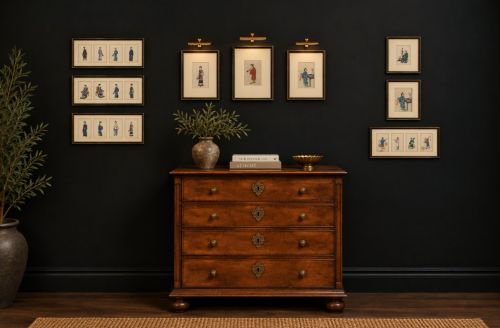
Many of these original artworks survive within period frames, occasionally protected beneath glass, with some mounted on silk, wood, or gilt wood backings.
Antique Chinese Pith Paper Retail Price Guide 2026
Typical asking prices for chinese pith paper among the pieces listed under this phrase on Sellingantiques today, from the lower quarter to the upper quarter. They describe what is for sale here now, not the wider market.
Victorian travellers frequently brought home framed albums of tiny beetles and butterflies painted on pith to startle their dinner guests.
What varies in quality
The primary distinction in quality lies in the intricacy and precision of the brushwork. Master painters rendered figures, horses, and interiors with microscopic detail and expressive vitality, whereas lesser examples display stiffer lines and simpler compositions.
The complexity of the subject matter also drives distinction, with multi-figure narrative scenes and detailed natural history studies of insects, fish, and botanicals commanding greater attention than repetitive single-figure templates.
Condition plays a vital role in assessment, as the delicate nature of pith means that surviving examples with strong, unblemished colour and minimal cracking represent the finest tier of production.
The Antique Chinese Pith Paper Glossary
- Pith paper
- A delicate natural material sliced from the pith of the Tetrapanax papyrifer shrub, wrongly termed rice paper by early European collectors. It provides a luminous, spongy surface for water-based pigments.
- Gouache
- An opaque watercolour medium used extensively in Chinese export painting to achieve rich, saturated colours. It sits on top of the pith surface rather than sinking entirely into the fibres.
- Qing dynasty
- The final imperial dynasty of China, spanning from sixteen forty-four to nineteen twelve. Most export paintings on this market originate from its nineteenth-century peak.
- Chinese export art
- Works specifically produced in China for Western buyers and foreign markets from the eighteenth century onward. These items blended traditional Eastern techniques with Western aesthetic preferences.
- Canton
- The historical southern Chinese port city where much of the nineteenth-century export trade and painting production took place. It served as the primary hub for foreign merchants.
Antique Chinese Pith Paper: Frequently Asked Questions
What is pith paper?
Pith paper is a natural spongy material sliced from the pith of the Tetrapanax plant, native to southern China. It is distinct from standard paper because of its velvety texture and ability to absorb water-based pigments with unusual vibrancy.
Early European traders mistakenly called it rice paper, a misnomer that persists today. Artists valued it for the luminous quality it imparted to gouache and watercolour paintings.
Are these paintings fragile?
Pith paper is inherently delicate and brittle when dry, requiring careful handling and stable environmental conditions. Touching the surface directly can easily crush or flake the applied gouache and watercolour pigments.
Well-framed examples remain stable for generations if kept in moderate humidity away from rapid temperature shifts. Most surviving pieces have endured centuries precisely because previous owners protected them behind glass.
How do I date these paintings?
Dating relies primarily on stylistic markers, costume details, framing styles, and historical documentation associated with the Qing dynasty. Nineteenth-century pieces often feature specific export subjects like Canton harbour scenes or uniform figure studies.
Earlier eighteenth-century works generally display distinct palettes and paper preparations compared to later Victorian or Edwardian framing formats. Comparing the mounting materials and accompanying sets helps narrow the period of production.