

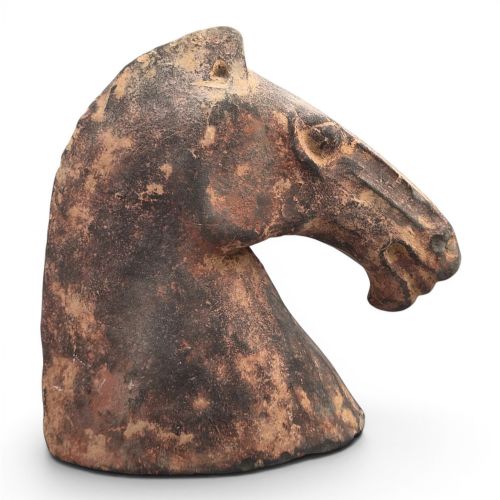


Antique Chinese Horses
These antique chinese horses range from early pottery tomb figures to carved jade and bronze sculptures, offering a tangible link to dynasties past.
Antique Chinese Horses
When you search for antique chinese horses, you encounter a diverse range of objects spanning multiple centuries and materials, from early earthenware figures to later hardstone carvings.
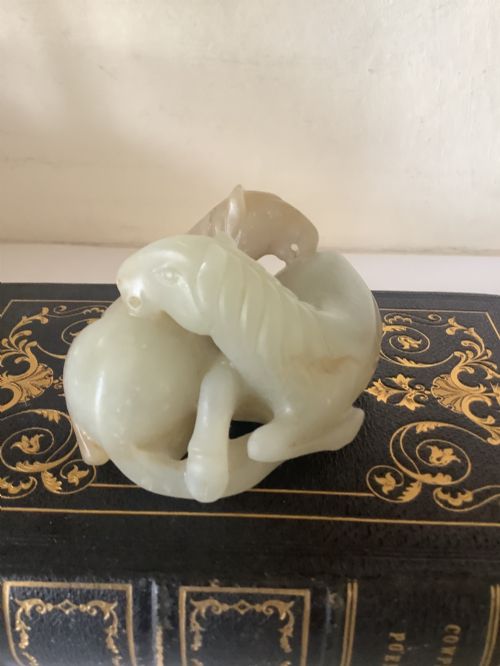
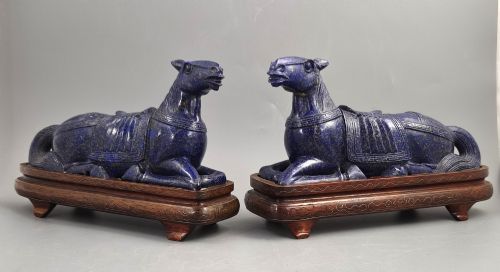
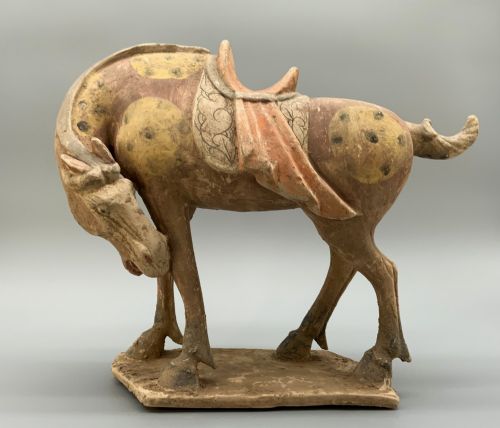
The selections on this page include sculptural representations such as Tang Dynasty style pottery horses, jade family carvings, lapis lazuli recumbent pairs, and bronze figures.
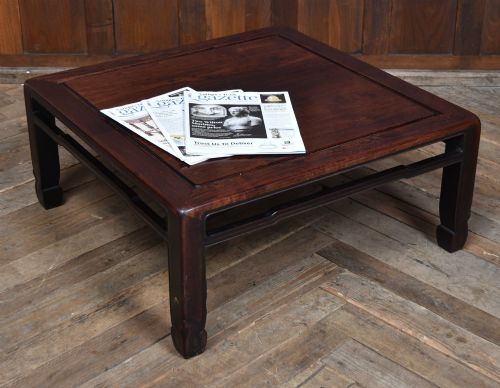
Beyond direct sculptures, the category extends to functional forms and furniture incorporating equine motifs, including horseshoe hall benches, coffee tables, and clothes racks.
How they were made
Early sculptural pieces utilise terracotta, earthenware, and pottery techniques, often featuring traditional lead-based glazes like sancai or painted pigments characteristic of tomb figures.
Carved works employ dense natural materials such as jade, hardstone, lapis lazuli, and various hardwoods including elm, padouk, and other timbers mounted on silver inlaid stands.
Antique Chinese Horses Retail Price Guide 2026
Typical asking prices for chinese horses among the pieces listed under this phrase on Sellingantiques today, from the lower quarter to the upper quarter. They describe what is for sale here now, not the wider market.
Several horses are safely recumbent on silver inlaid stands, perhaps tired from centuries of standing.
What varies in quality
Quality rests primarily in the precision and depth of the carving or modelling, where finer pieces display anatomically convincing forms and fluid lines rather than stiff, rudimentary proportions.
The intrinsic value of the material also dictates standing, distinguishing simple terracotta or lacquered wood from polished hardstones, gem-quality lapis lazuli, and precious jade formations.
The Antique Chinese Horses Glossary
- Tang Dynasty
- A historical period renowned for its dynamic ceramic horses and glazed pottery figures. These forms remain highly influential in later Chinese art.
- Han Dynasty
- An early imperial era associated with terracotta tomb figures and utilitarian sculptures. Pieces from this time often exhibit stark, monumental styling.
- Mingqi
- Spirit objects or burial goods placed in tombs to accompany the deceased. These figures frequently take the form of horses, attendants, and domestic animals.
- Sancai
- A three-colour lead glaze tradition prominent in Chinese pottery. It typically combines amber, green, and cream tones across ceramic surfaces.
- Padouk
- A heavy, durable tropical hardwood utilised in traditional furniture construction. It possesses a rich reddish-brown tone that deepens with age.
Antique Chinese Horses: Frequently Asked Questions
What are antique chinese horses made of?
The materials vary widely depending on the age and purpose of the specific piece. You will find items formed from terracotta, pottery, jade, hardstone, lapis Lazuli, bronze, and various hardwoods.
Early examples tend to utilise earthenware and pottery, while later ornamental carvings favour precious stones and metals.
How old are these sculptures?
Age spans multiple centuries, incorporating early pre-sixteenth century archaeological items alongside nineteenth-century and early twentieth-century decorative pieces.
Attributions reference specific historical eras such as the Han and Tang Dynasties, as well as the later Qing period.
Are all these items solid sculptures?
Not exclusively, as the category encompasses both freestanding sculptural models and furniture items that incorporate equine elements.
Alongside ceramic and stone figures, you may encounter horseshoe settles, coffee tables, and robe stands.
What is a Mingqi horse?
A Mingqi is a tomb figure or spirit object created specifically for burial in ancient Chinese tombs. These pottery and terracotta figures were designed to serve the deceased in the afterlife.
They provide modern collectors with direct physical evidence of early Chinese sculpting techniques and animal husbandry.