



Antique Chinese Bamboo
Antique chinese bamboo pieces range from carved brush pots to intricate nests of tables, bringing organic texture and centuries of craftsmanship into modern interiors.
Antique Chinese Bamboo
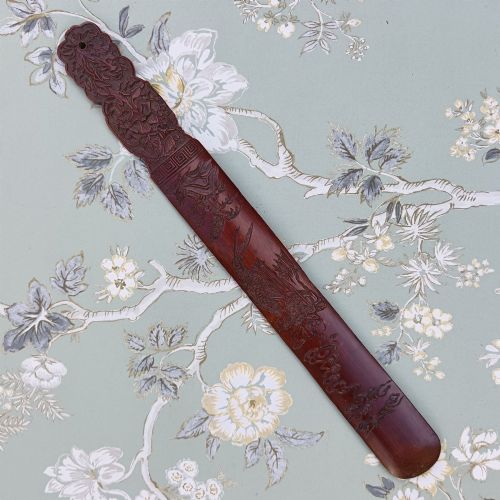
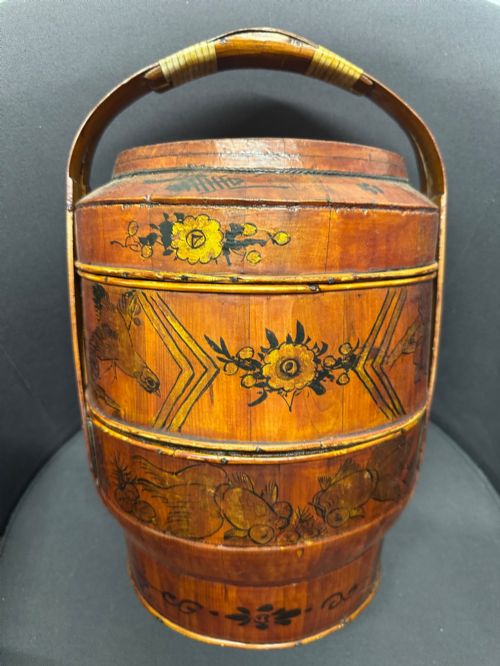
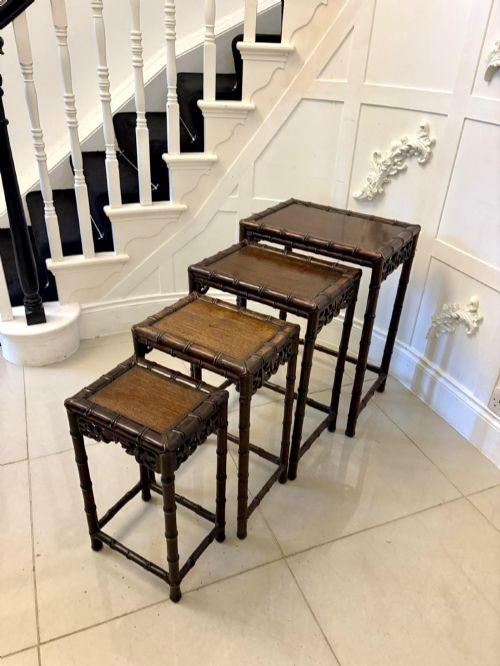
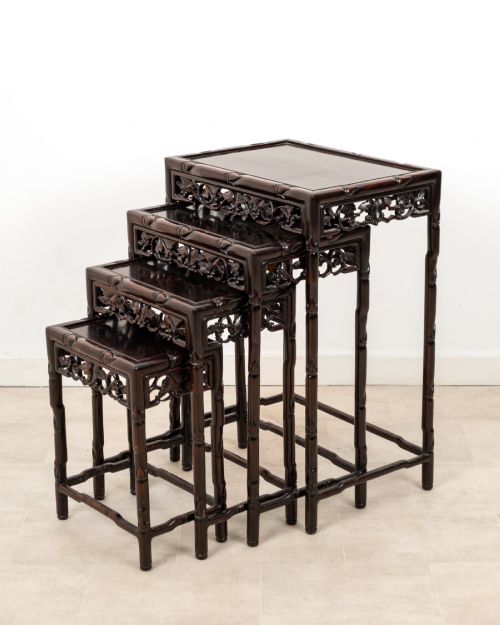
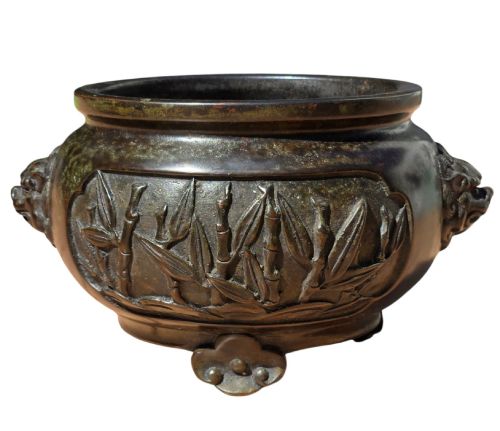
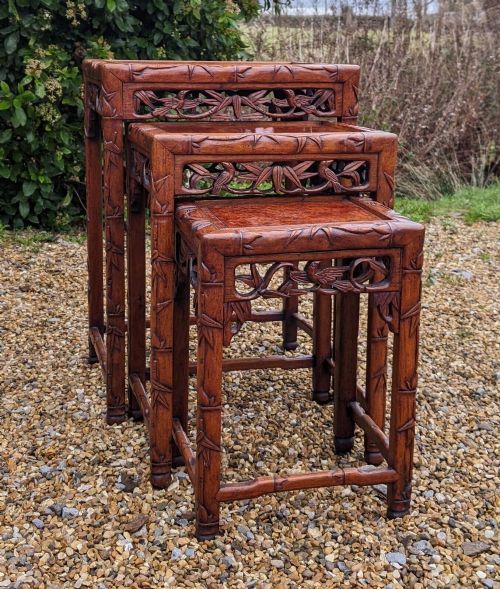
When searching for antique chinese bamboo, buyers encounter a diverse selection of utilitarian and decorative objects shaped by centuries of tradition. These items span functional furnishings such as nests of tables and plant stands alongside scholar's items like brush pots and incense burners.
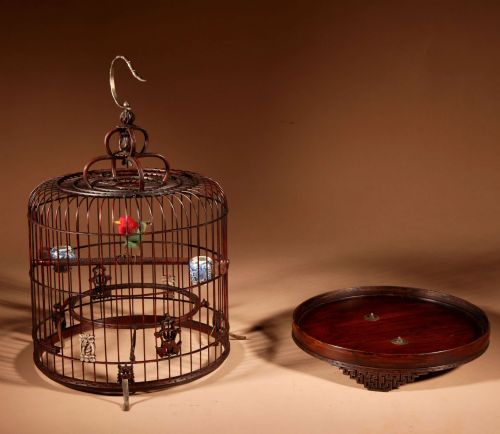
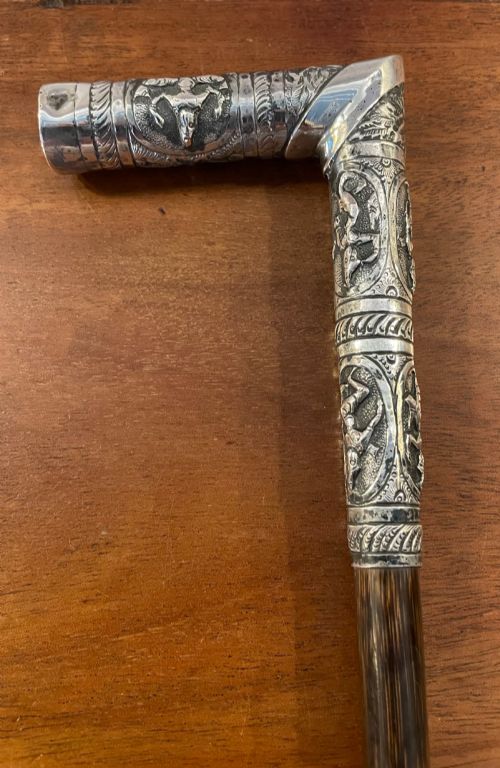
The pieces appearing on this page originate predominantly from the nineteenth century and the Qing dynasty, encompassing regional Chinese craft as well as items made for export. Forms range from practical folding headrests and walking sticks to elaborate bird cages and tea caddies.
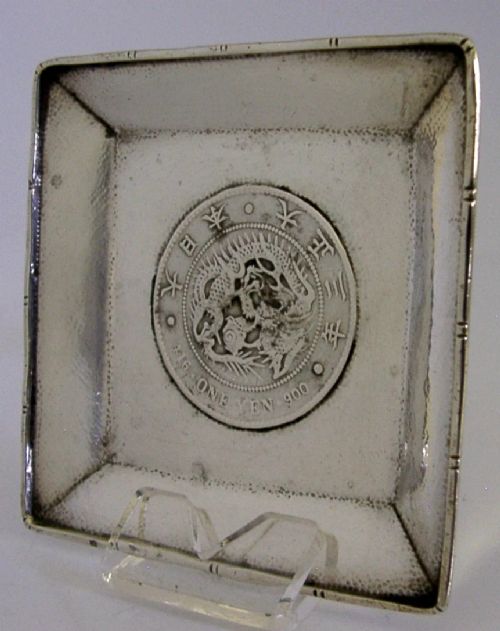
Alongside organic bamboo items, the selection includes related hardwood furniture and silver pieces incorporating bamboo motifs. Buyers will find that smaller desk accessories and vessels appear frequently alongside larger occasional tables and stands.
How they were made
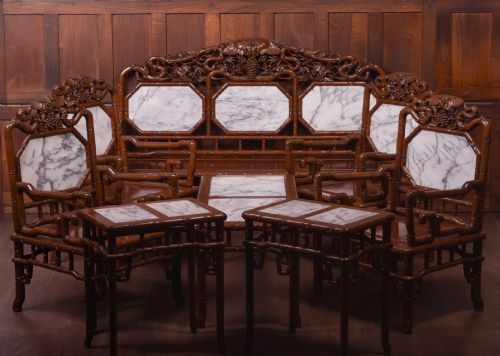
The construction relies heavily on natural bamboo, selected for its inherent flexibility and strength, often shaped with heat or joined using traditional mortise and tenon techniques. Artisans also utilised dense hardwoods such as hongmu and rosewood, carving intricate relief panels and structural supports.
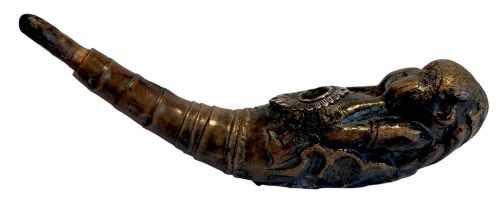
Metal components incorporate cast bronze and sterling silver, frequently detailed with chased or embossed bamboo foliage and dragon motifs. Lacquer and marble inserts appear within table surfaces and stands, adding contrasting textures to the primary wooden frames.
Antique Chinese Bamboo Retail Price Guide 2026
Typical asking prices for chinese bamboo among the pieces listed under this phrase on Sellingantiques today, from the lower quarter to the upper quarter. They describe what is for sale here now, not the wider market.
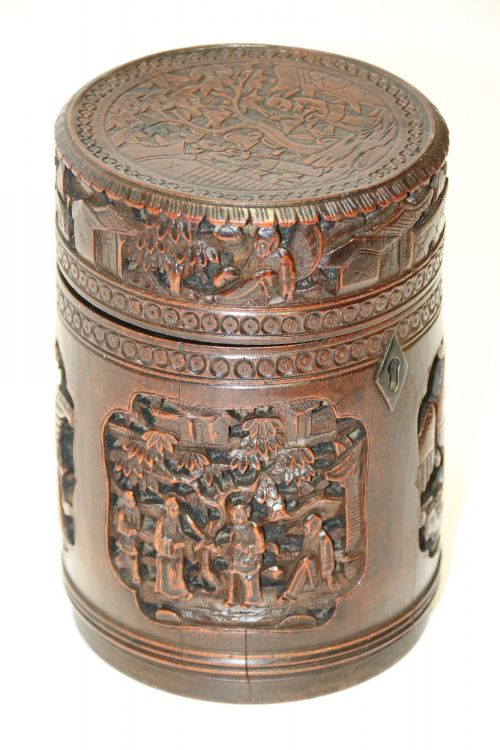
Scholar's objects such as carved bamboo brush pots and bronze censers appear alongside silver tea wares and pith paper paintings.
What varies in quality
Quality depends upon the depth and precision of the carving, where sharply defined relief work on brush pots and furniture panels distinguishes superior pieces from simpler utilitarian items. The integrity of the natural material also matters, with premium examples showing careful selection of culms that resist splitting over time.
Construction methods reveal differing standards of craftsmanship, seen in the tight joints of a nesting table set or the structural stability of a complex bird cage. Finer objects demonstrate a successful balance between decorative carving and the organic form of the bamboo itself.
Luen Hing·Ah Hee Studio
The Antique Chinese Bamboo Glossary
- Hongmu
- A dense, dark hardwood traditionally used in Chinese furniture making, prized for its heavy weight and polished finish.
- Brush pot
- A cylindrical vessel traditionally kept on a scholar's desk to hold writing brushes, often carved from bamboo or hardwood.
- Censer
- A vessel used for burning incense, frequently cast in bronze or fashioned from ceramic and porcelain during the Qing dynasty.
- Nest of tables
- A set of graduated occasional tables designed to fit neatly beneath one another when not in use.
- Torchere
- A tall stand or pedestal originally designed to hold a torch or candle, later utilised for displaying plants or ornaments.
Antique Chinese Bamboo: Frequently Asked Questions
How do I clean antique bamboo?
Dust the surfaces regularly with a soft, dry cloth to prevent dirt accumulation in the carved crevices. Avoid using liquid cleaners or oils, which can damage the dry patina of older bamboo and wood.
Keep pieces away from direct sunlight and strong temperature fluctuations to prevent the natural material from drying out and splitting over time.
Are these pieces from the Qing dynasty?
Many items originate from the nineteenth century during the later Qing period, while others reflect regional export styles made for international markets. Dating relies on the material wear, construction techniques, and stylistic motifs present in each individual object.
Examining the joinery and surface finish helps determine whether a piece belongs to the late dynastic era or the early twentieth century.
Can I use plant stands for display?
Torchere stands and plant stands provide sturdy elevated surfaces suited for showcasing ceramics, sculptures, or floral arrangements. Their traditional construction is designed to bear moderate weight while offering decorative vertical interest in a room.
Ensure the stand rests on an even floor surface, as antique timber and bamboo bases can be sensitive to wobbling on uneven ground.