


Antique China Tea Set
An antique china tea set brings the refined rituals of past centuries directly to the modern table through delicate porcelain and hand-painted motifs.
Antique China Tea Set
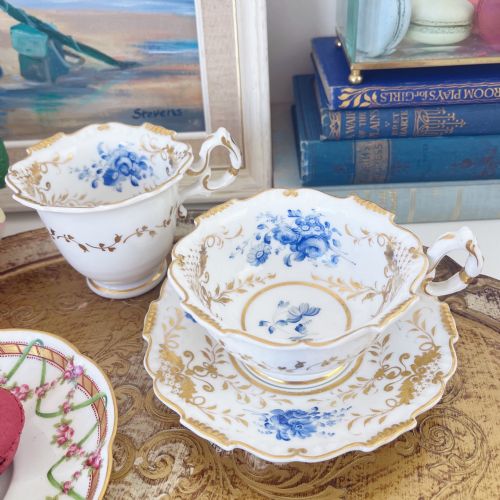
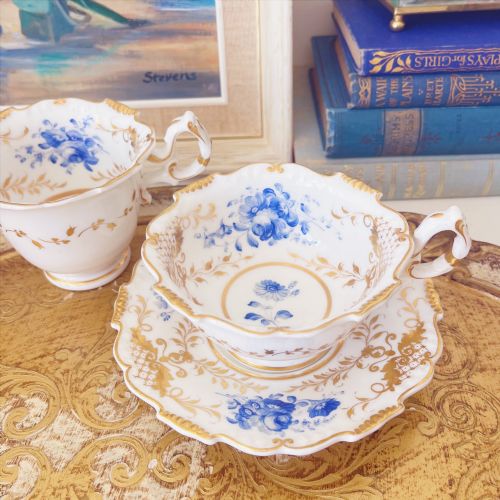
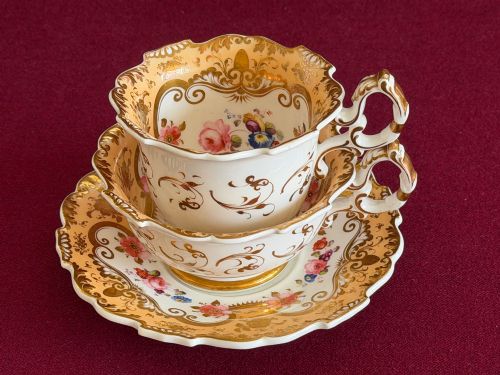
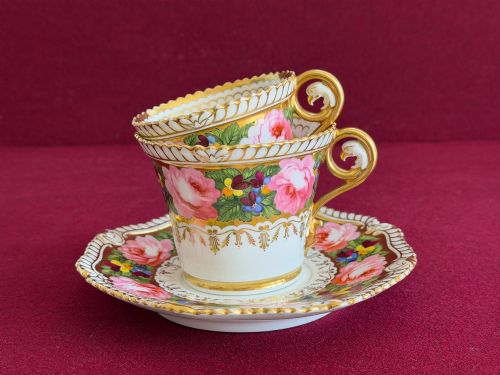
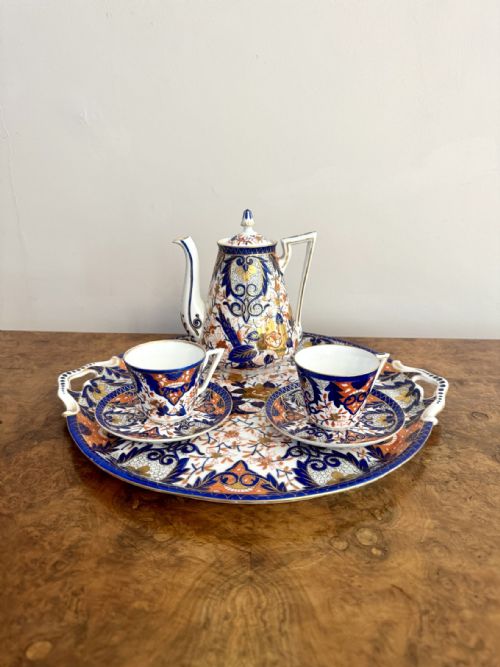
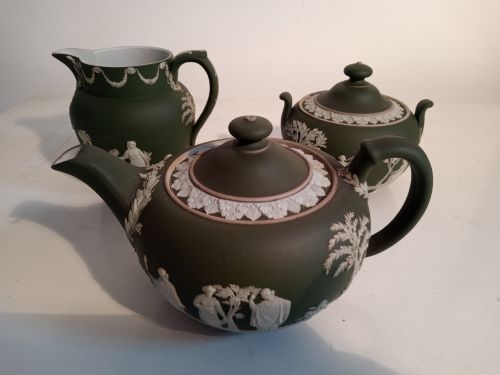
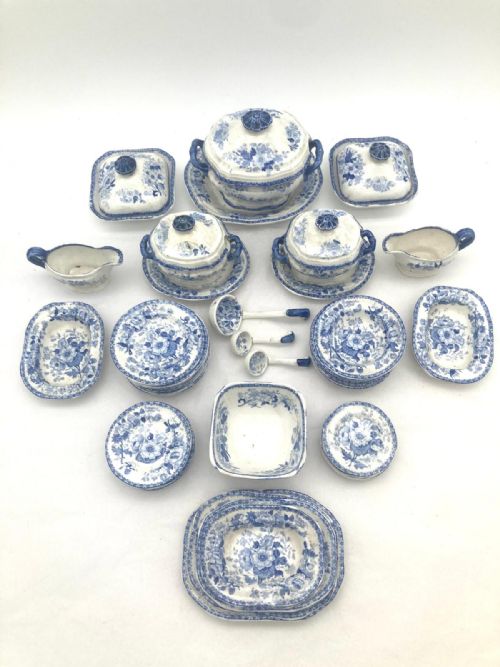
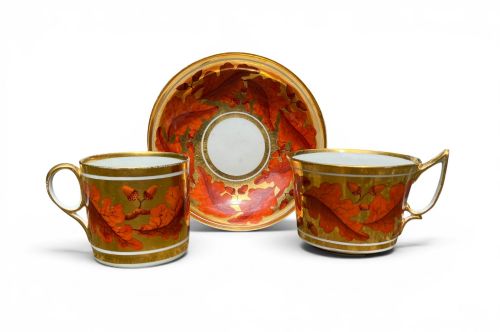
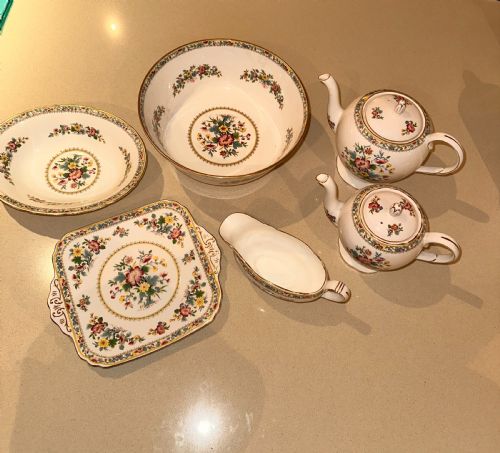
When searching for an antique china tea set, you encounter everything from single cabinet trios and breakfast services to large afternoon tea gatherings spanning the Georgian, Regency, and Victorian eras. The selections on this page predominantly feature English and Chinese export porcelain configured as cups, saucers, sugar boxes, and full service collections.
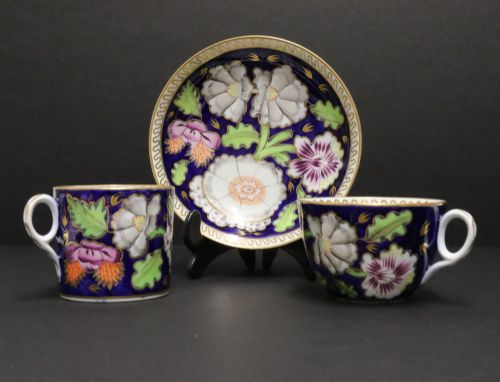
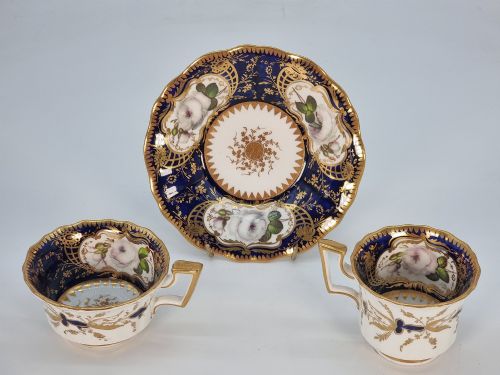
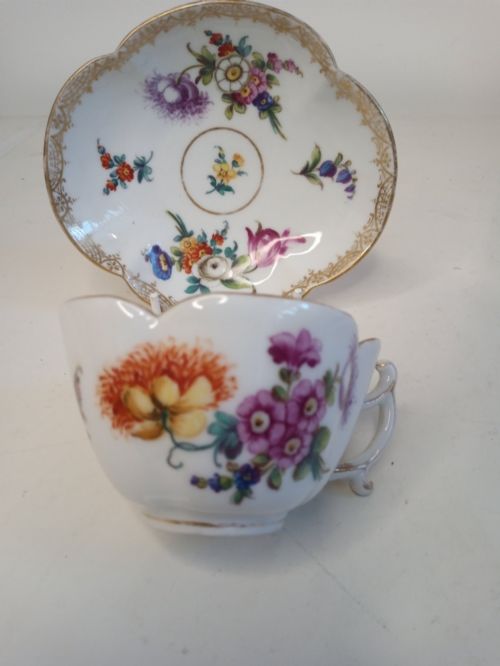
Earlier examples often take the form of individual trios or cabinet pieces originating from renowned factories like Worcester, Coalport, and Derby during the late eighteenth and early nineteenth centuries. Later Victorian and Edwardian iterations expand into larger multi-piece settings incorporating bone china and earthenware decorated with transfer printing or enamel work.
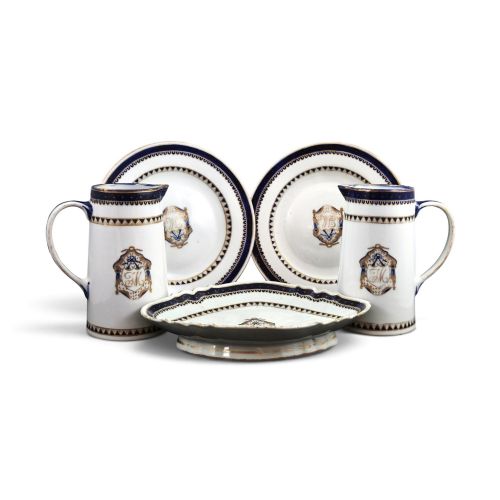
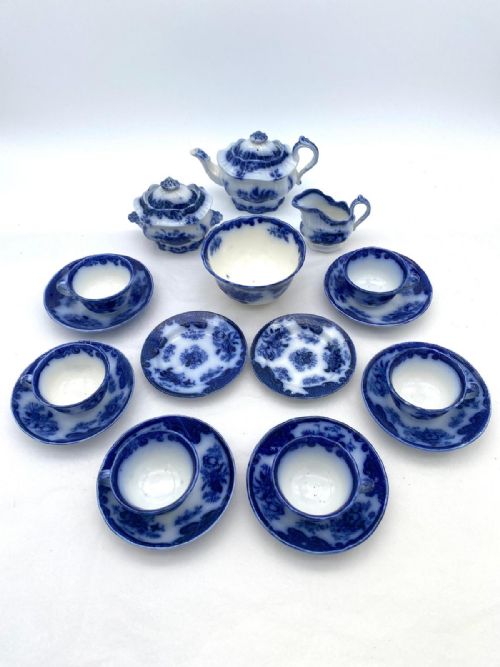
Chinese export wares from the Qing Dynasty represent an alternative stream of porcelain tablewares, offering hand-painted motifs that catered to Western tastes during the seventeen-hundreds. Whether you select a compact child's service in flow blue or a sprawling twenty-one piece setting, these groupings reflect the social drinking habits of their respective periods.
Materials and methods of manufacture
Makers shaped these wares using fine porcelain, bone china, and earthenware, applying glazes that provided a smooth canvas for subsequent decoration. Potters utilised traditional throwing and moulding techniques to form the cups, saucers, and teapots before firing them in kilns.
Surface ornamentation relied heavily on hand-painting, cobalt blue transfer printing, and gilding with gold leaf or gilt accents. Specialised styles such as flow blue allowed the cobalt to blur slightly into the wet glaze during firing, creating a soft, misty aesthetic characteristic of mid-nineteenth-century production.
Listings feature ceramics spanning the eighteenth, nineteenth, and early twentieth centuries, utilising porcelain, bone china, and earthenware.
Distinctions in craftsmanship and preservation
Quality across these services rests upon the crispness of the porcelain body, the precision of the hand-painted or transfer-printed details, and the preservation of the original gilding. Early Regency and Georgian pieces often display superior translucency in the paste and meticulous brushwork by named or attributed factory artists.
The integrity of the glaze and the completeness of matching sets also dictate standing. Wares featuring vibrant enamel palettes or intricate patterns like bat wing designs or armorial crests demand greater technical skill, setting finer cabinet pieces apart from standard domestic tablewares.
H & R Daniel·Chamberlain Worcester·Newhall·Coalport·Wedgwood·Copeland·Minton·Derby·Flight Barr & Barr·Royal Davenport·Shelley·Royal Albert Crown China·Aynsley
The Antique China Tea Set Glossary
- Bone china
- A type of soft-paste porcelain strengthened with animal bone ash, resulting in a durable, highly translucent body developed in England during the late eighteenth century.
- Cabinet trio
- A matched set comprising a teacup, coffee cup, and saucer designed primarily for display rather than robust daily use.
- Flow blue
- A nineteenth-century transfer-printing technique where lime or calcium chloride was introduced into the kiln to deliberately blur the cobalt blue design into the surrounding glaze.
- Gilt
- A thin layer of gold applied to the rims, handles, or surfaces of ceramic pieces for decorative enhancement.
- Prattware
- A type of earthenware produced in England featuring underglaze coloured reliefs, commonly associated with figures and historical events from the nineteenth century.
Antique China Tea Set: Frequently Asked Questions
What is included in a tea trio?
A tea trio traditionally consists of a teacup, a matching saucer, and a small matching side or tea plate used for holding cakes or small bites.
This configuration became popular during the nineteenth century as afternoon tea grew into a structured social meal.
What is Chinese export porcelain?
Chinese export porcelain refers to ceramics manufactured in China specifically for the European and American markets between the sixteenth and nineteenth centuries.
These pieces often combined traditional Chinese shapes and painting techniques with Western heraldry, monograms, or shapes requested by foreign buyers.
How can I date my tea set?
Dating a set involves examining factory backstamps, shape characteristics, pattern numbers, and the specific composition of the ceramic body.
Stylistic cues such as Regency shapes or Victorian flow blue transfer printing provide reliable chronological markers when compared against factory archives.