



Antique China Table
An antique china table search brings up fine porcelain pieces alongside displays for ceramics, anchored by hardwood altar tables and porcelain-based lamps.
Antique China Table
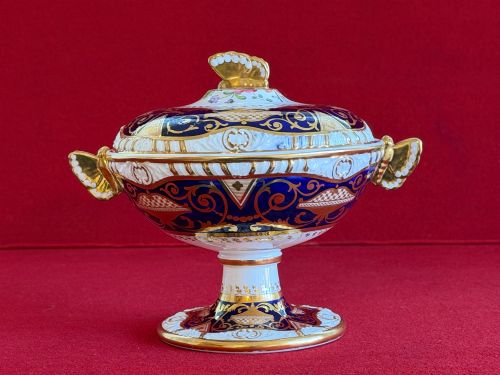
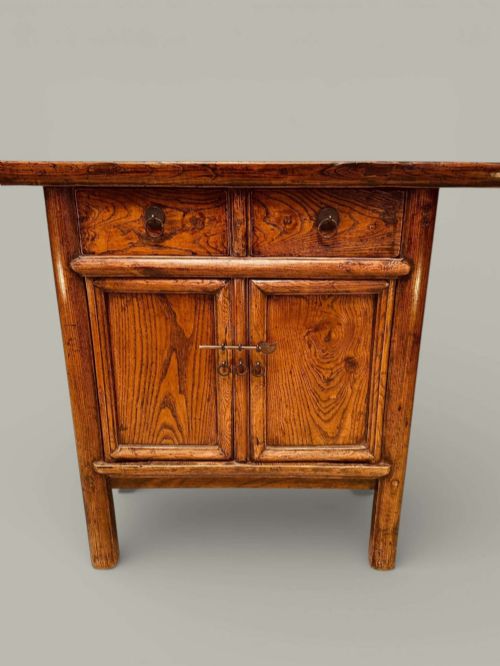
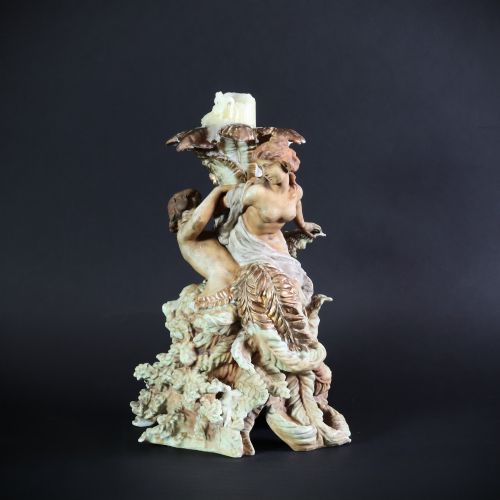
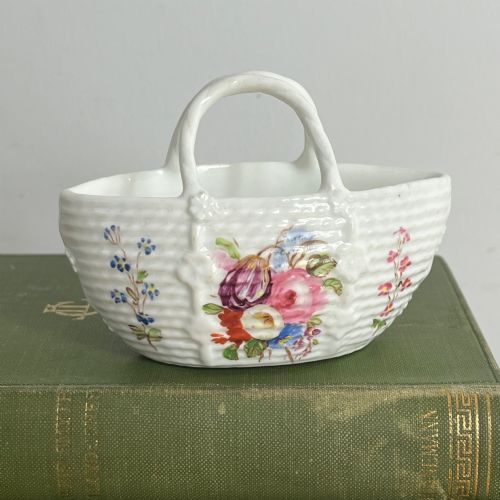
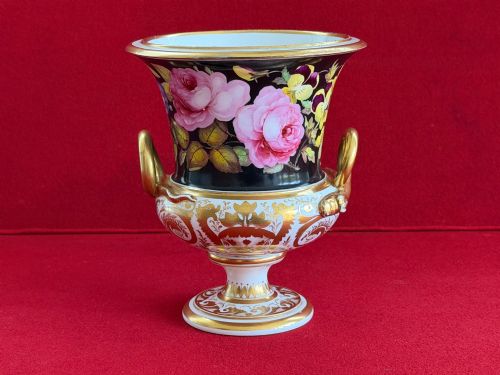
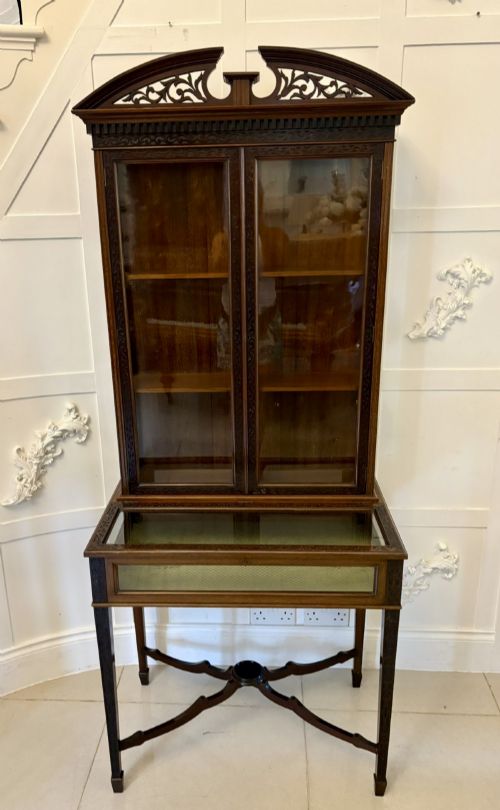
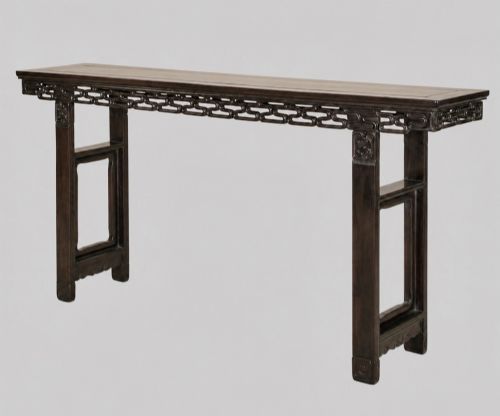
When you search for an antique china table, you encounter a mix of furniture designed to display ceramics and porcelain objects mounted as lamps or paired with china bases. The selection on this page includes late Qing Dynasty hardwood altar tables from China alongside Victorian display cabinets and Edwardian dressing table sets.
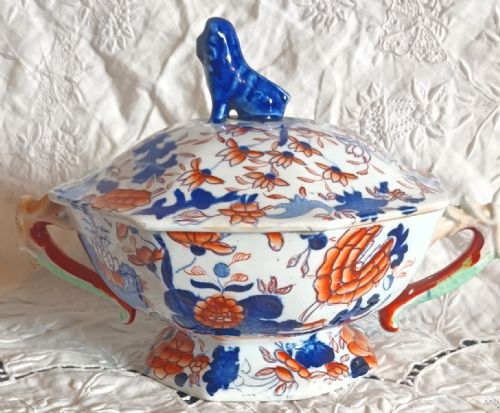
The objects span centuries from the eighteenth century to the mid twentieth century, featuring Georgian mahogany cabinets alongside table lamps combining china and ormolu or bronze. Buyers find everything from utilitarian ironstone tureens and vegetable dishes to decorative vases and display furniture.
Most pieces sit within the Victorian, Georgian and Edwardian periods, crossing stylistic boundaries from English Regency to Rococo Revival. The inventory merges the porcelain vessels themselves with the foundational tables and cabinets that hold or accompany them.
Materials and construction
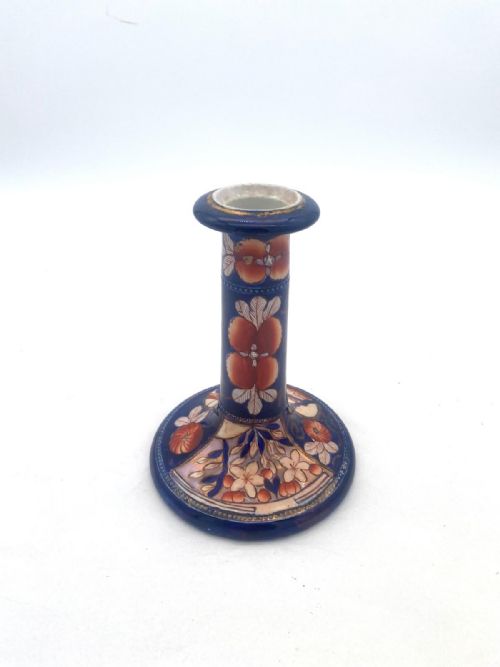
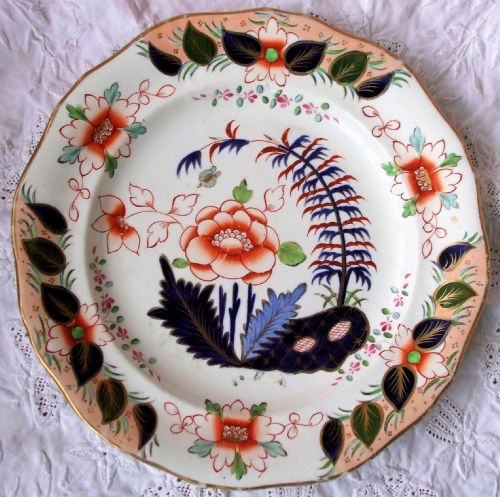
The listings combine porcelain, ceramic and ironstone with structural elements of carved mahogany, hardwood and brass. Craftspeople utilised handpainted floral motifs, gilding, gold leaf and enamel to decorate the ceramic surfaces.
Cabinet makers constructed display furniture and altar tables using traditional joinery in mahogany and hardwoods, while lamp makers mounted porcelain figures and vases onto ormolu, bronze and brass bases. Glaze techniques and biscuit porcelain define the finish of the ceramic items across all periods.
Antique China Table Retail Price Guide 2026
Typical asking prices for china table among the pieces listed under this phrase on Sellingantiques today, from the lower quarter to the upper quarter. They describe what is for sale here now, not the wider market.
A Staffordshire china table coaster from nineteen-twenty proves that even nineteenth-century dining tables needed protection from damp decanters.
Distinctions in quality
Quality rests in the crispness of the handpainted details on the porcelain and the depth of carving in the mahogany or hardwood frames. Finer pieces display meticulous brushwork on floral patterns and superior control over gilding and enamel application.
The integration between china components and metal mounts in lamps and cabinets dictates the structural integrity of the piece. Superior items maintain original glaze patination and undamaged ironstone bodies without secondary repairs.
Flight Barr And Barr·John Davenport Of Longport·Royal Doulton·Doulton Burslem·Royal Worcester·Ridgways China·Chantilly·Sitzendorf·Meissen·Coalport
The Antique China Table Glossary
- Ironstone
- A patented ceramic body developed in the nineteenth century that mimics porcelain through its durable, heavy earthenware composition. It frequently appears in tableware and tureens.
- Ormolu
- Gilded bronze or brass mounts applied to furniture and lighting bases. It provides decorative contrast against porcelain bodies.
- Bisque
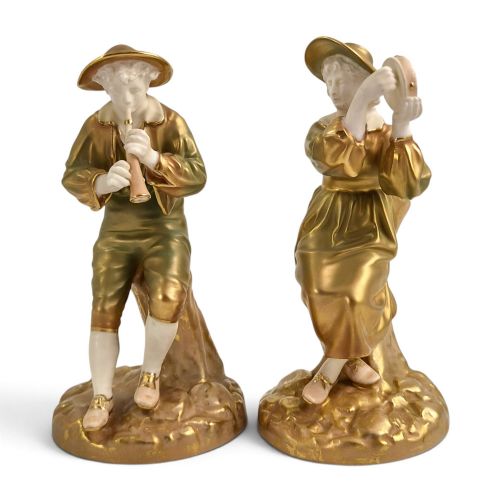
- Unglazed porcelain fired once to produce a matte, white surface resembling marble. It is commonly found on nineteenth-century figures.
- Altar table
- A traditional Chinese form featuring elongated rectangular proportions and wooden construction. These serve as display surfaces for decorative objects.
- Imari
- A decorative style inspired by Japanese export wares featuring iron red, cobalt blue and gold palettes. It appears on plates and vases from the Georgian period onward.
Antique China Table: Frequently Asked Questions
What defines an antique china table?
The category encompasses Asian hardwood altar tables designed for porcelain display alongside Victorian and Edwardian furniture intended to house ceramic collections.
Items in this grouping also include functional pieces where china forms the structural base for lighting fixtures.
How do I care for antique porcelain?
Keep porcelain pieces away from direct sunlight to preserve handpainted enamel and gilding colours. Dust gently with a dry, soft cloth and avoid chemical cleaning agents.
Secure lamps and heavy ceramic vessels on stable furniture to prevent accidental tipping.
How do I date an ironstone tureen?
Examine the maker marks stamped or printed on the base alongside the stylistic cues of the period. Georgian and Victorian examples display distinct weight and glaze characteristics.
Consult the recorded production eras of firms such as Mason or Davenport for comparative dating.
Where should I place a display cabinet?
Position mahogany and hardwood cabinets away from radiators and drastic temperature fluctuations to protect the timber. Ensure interior shelves support the weight of heavy ironstone and porcelain collections.
Good ambient lighting helps showcase handpainted ceramic details behind glass doors.