


Antique China Serving Bowl
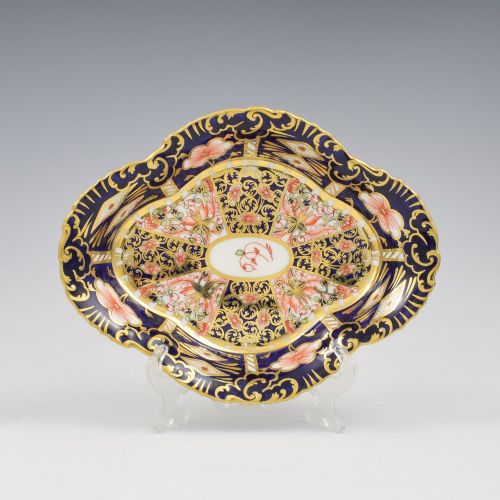
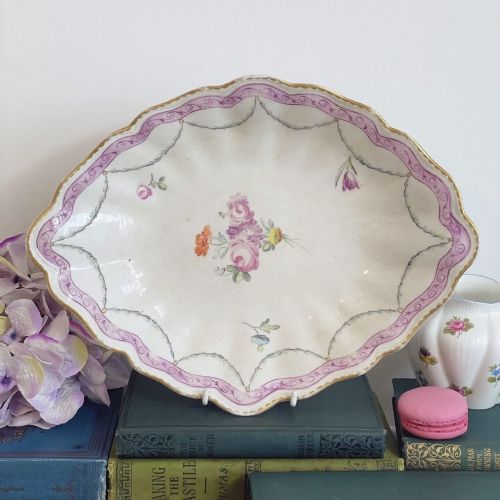
An antique china serving bowl brings table service from the eighteenth and nineteenth centuries into modern dining with hand-painted flora and robust ironstone.
Antique China Serving Bowl
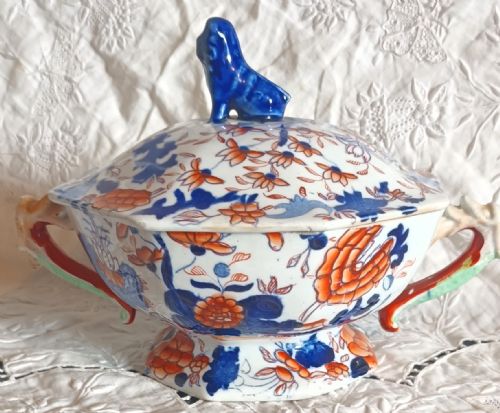
English ironstone tureens from the Georgian and Victorian eras dominate the offerings, often decorated in blue and white transfer patterns or green mandarin designs. Alongside these robust utility pieces appear finer porcelain dishes from Derby, Worcester, and continental factories intended for cabinet display or dessert service.
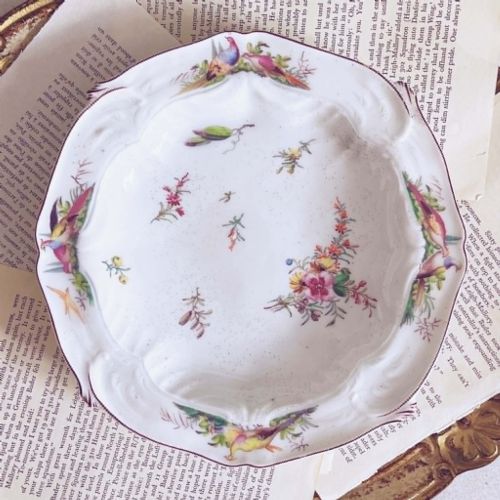
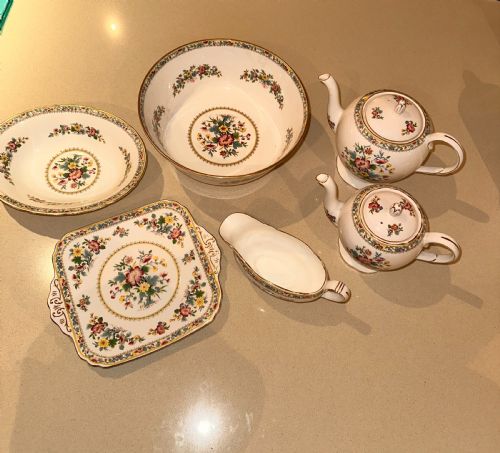
Forms vary from heavy earthenware vegetables dishes with matching covers to delicate porcelain bowls adorned with hand-painted birds and polychrome flowers. Buyers select these items both to complete historic dinner services and to serve contemporary meals in traditional settings.
Materials and manufacture
Potters built these vessels using porcelain, earthenware, and dense ironstone, applying lead or tin glazes to seal the porous clay bodies before firing. Ironstone provided a durable, heavy body suited for daily kitchen use, while soft-paste and hard-paste porcelain allowed for thin walls and translucent finishes.
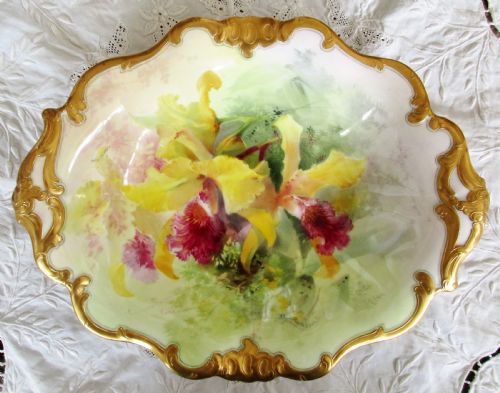
Decoration relied on hand-painted polychrome pigments, botanical studies, and blue and white transfer printing to apply intricate landscapes and floral motifs onto the ceramic surface. Artisans frequently added gold leaf and gilding to rims and handles, fixing the metallic accents through a secondary low-temperature kiln firing.
The inventory records major English and continental ceramic centres, including Staffordshire potteries, German porcelain works, and Japanese kilns.
Assessing quality
Quality rests upon the crispness of the transfer print or the brushwork skill evident in hand-painted botanical and avian scenes. Master painters at factories like Chelsea, Derby, and Meissen achieved shading and detail that elevated functional tableware into fine art.
The weight, purity of the ceramic body, and preservation of delicate gilt highlights dictate the standing of a piece within its period. Robust ironstone demonstrates strength in its moulding, whereas porcelain measures success by translucency and the precision of factory backstamps.
Royal Doulton·Meissen·Mason's Ironstone·Coalport·Wedgewood
The Antique China Serving Bowl Glossary
- Ironstone
- A dense, heavy type of earthenware patented in the nineteenth century to provide a durable alternative to porcelain. It resists chipping and forms the sturdy body of many large tureens.
- Transfer printing
- A method of applying detailed designs to ceramics by engraving a copper plate, inking it, and pressing the image onto tissue paper for transfer to the clay. This technique allowed factories to produce uniform patterns efficiently.
- Tureen
- A deep covered serving bowl used for soups, sauces, or vegetables at the dining table. They frequently include matching ceramic stands and protective covers.
- Polychrome
- Decoration employing multiple distinct enamel colours on a single ceramic surface. Artisans painted these hues by hand before the final glaze firing.
- Felspar porcelain
- A specialised porcelain body developed during the nineteenth century incorporating feldspar into the paste. This innovation improved the durability and whiteness of English tablewares.
Antique China Serving Bowl: Frequently Asked Questions
How do I date an antique serving bowl?
Dating relies on identifying factory backstamps, ceramic paste composition, and stylistic clues such as Regency shapes or Victorian transfer patterns. Reference marks specific to potteries like Derby or Worcester narrow the production window.
Material analysis also helps, as dense ironstone points to the nineteenth century while softer earthen pastes often indicate eighteenth-century origin. Comparing the hand-painted palette against known factory periods confirms the age.
Can I use these bowls for serving food?
Most antique china serving bowls and ironstone tureens remain suitable for serving food at the dining table. Their original purpose was culinary service, and the heavy glazes protect the underlying clay body.
Avoid thermal shock by steering clear of modern microwaves and dishwashers, which can crack old glazes or damage delicate gilding. Gentle hand washing preserves the historic pigments and surface integrity.
What is the difference between porcelain and ironstone?
Porcelain is a vitreous, translucent ceramic fired at high temperatures, valued for delicate cabinet dishes and fine dessert services. It offers a refined appearance suited for formal presentation.
Ironstone is an opaque, heavy earthenware engineered for maximum durability during heavy household use. It forms thick-walled tureens and vegetable dishes built to withstand daily dining demands.
Why do some bowls have matching covers?
Covers kept soups, vegetables, and sauces warm between the kitchen and the dining table during formal meals. Tureens specifically required lids to maintain food temperatures in grand nineteenth-century dining rooms.
Surviving covers complete the silhouette of the serving dish and substantially increase the collector value of the piece. Matching patterns and glaze tones between bowl and lid confirm their original pairing.