



Antique Chester Hallmarked Silver
These pieces of antique chester hallmarked silver are practical and decorative domestic items bearing the assay office mark of the historic English city.
Antique Chester Hallmarked Silver
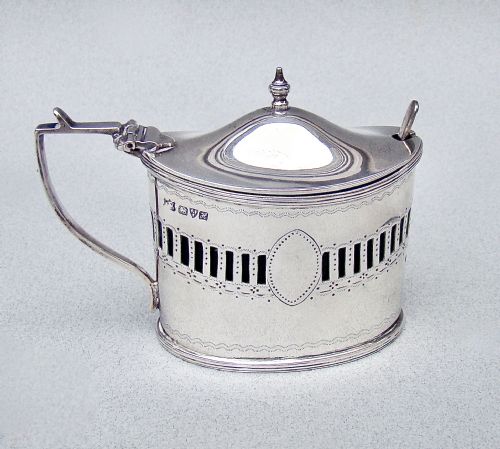
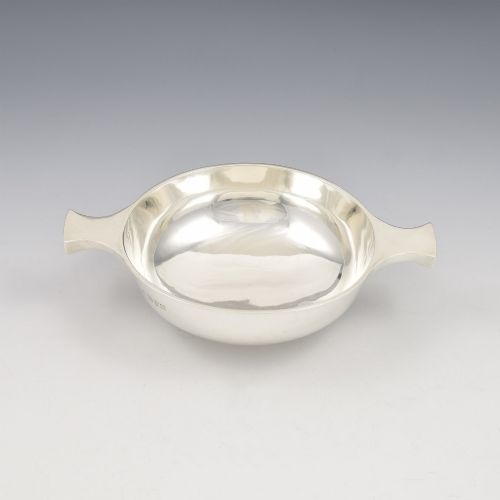
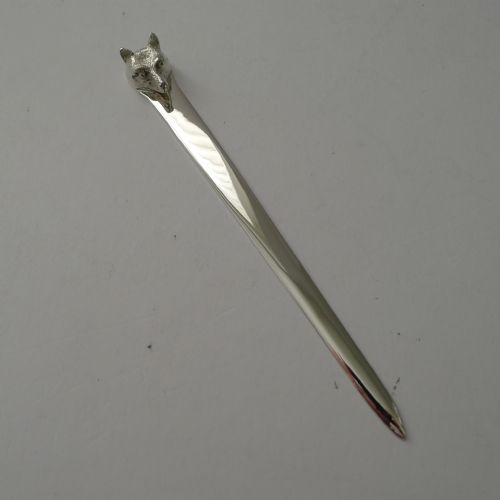
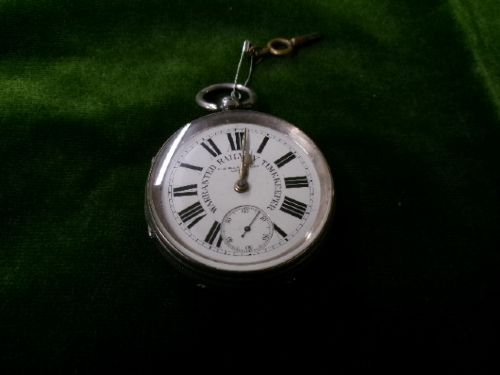
When you search for antique chester hallmarked silver, you encounter a diverse range of domestic and personal objects spanning the late nineteenth and early twentieth centuries. The selection includes functional items for the desk, dining table and dressing table, alongside pocket items and small containers.
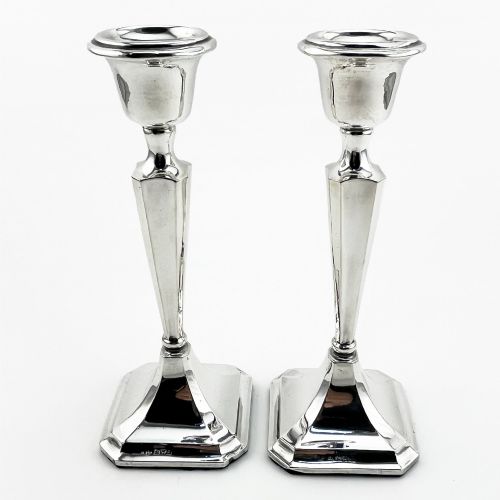
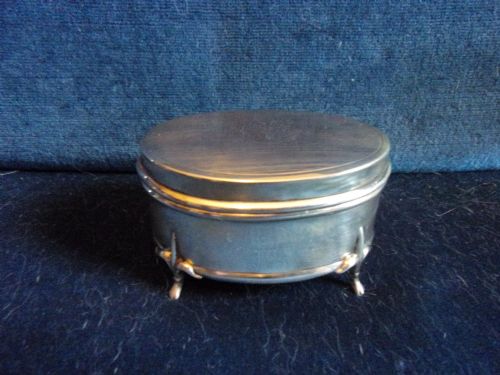
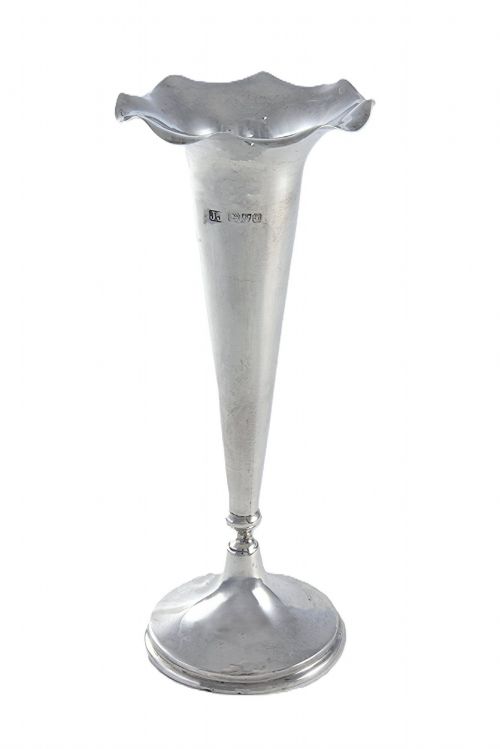
The objects stem from Victorian, Edwardian and George V periods, showing the characteristic output of silversmiths working within this specific jurisdiction. Candlesticks, trinket boxes, letter openers and photograph frames represent the primary forms visible in daily use.
Makers working during the interwar years and earlier periods produced both plain utility items and decorative pieces employing styles such as Art Nouveau, Art Deco and Arts and Crafts. Each piece bears the distinct three-sheaves-and-sword mark denoting the Chester assay office.
Materials and construction
The primary material used is sterling silver, frequently combined with glass, cut glass, velvet and fabric linings in boxes and frames. Makers also integrated materials like enamel, graphite and silver-gilt to achieve contrasting textures and colours.
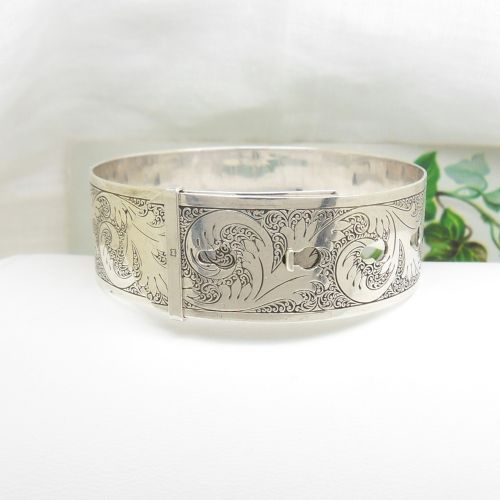
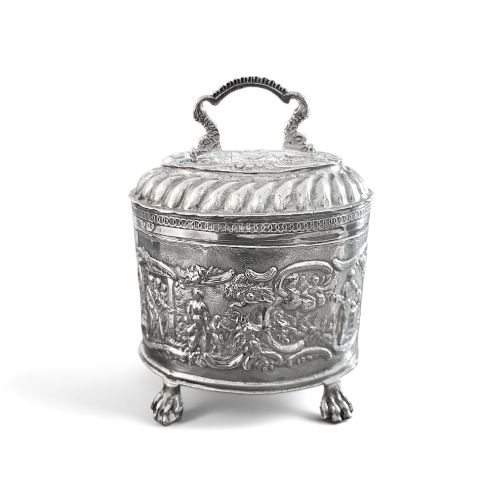
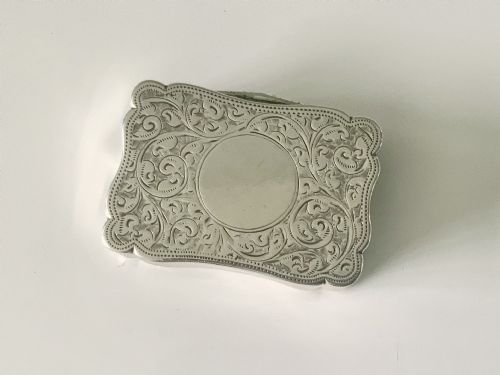
Techniques range from smooth polished finishes to repousse work, spot-hammered surfaces and pierced designs. Artisans constructed containers and functional items using traditional silversmithing methods appropriate to the specific object type, such as hinged lids for snuff boxes and weighted bases for candlesticks.
Antique Chester Hallmarked Silver Retail Price Guide 2026
Typical asking prices for chester hallmarked silver among the pieces listed under this phrase on Sellingantiques today, from the lower quarter to the upper quarter. They describe what is for sale here now, not the wider market.
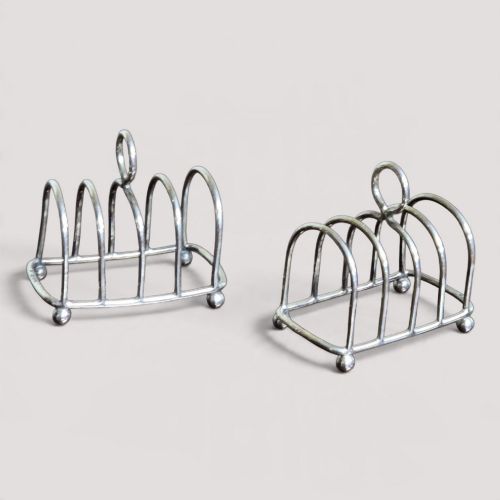
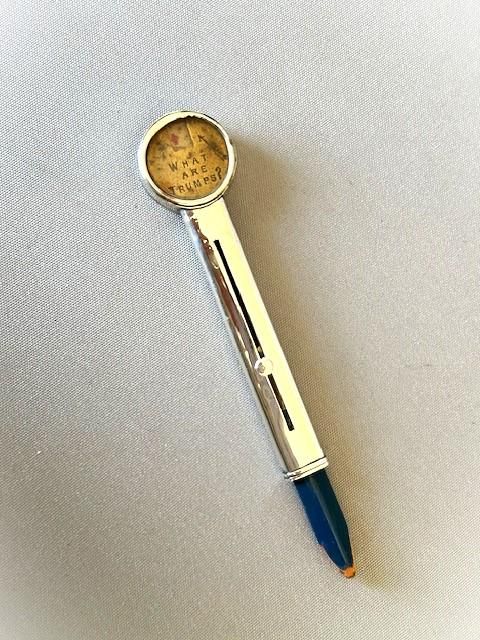
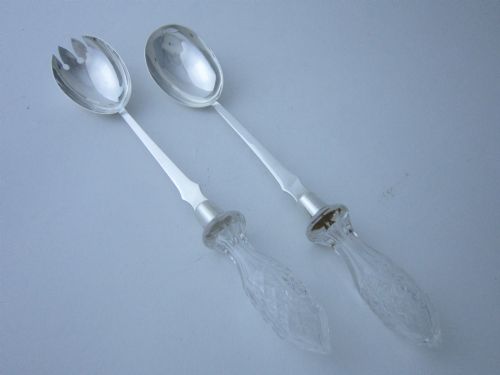
Object types on this page include trinket boxes, letter openers, snuff boxes, picture frames, hip flasks, candlesticks, serving utensils and trump markers.
Factors of quality
Quality varies according to the crispness of the hallmarks, the weight of the sterling silver used in construction and the complexity of the decorative technique. Hand-applied details like spot-hammering or repousse work display the individual skill of the silversmith.
The survival of original components, such as velvet linings in trinket boxes or glass inserts in salad servers and inkwells, influences the integrity of the piece. Items produced by known makers within the Chester assay jurisdiction often demonstrate superior design execution.
Nathan & Hayes·Alfred Marston·Albert Ernest Jenkins·William Neale & Sons·James Deakin & Sons
The Antique Chester Hallmarked Silver Glossary
- Chester assay mark
- The official stamp of the Chester assay office, depicting three sheaves of wheat and a sword, used to certify the purity of silver items.
- Repousse
- A metalworking technique where the silver is hammered from the reverse side to create a raised design in relief on the front.
- Quaich
- A traditional two-handled drinking vessel originating in Scotland, produced by silversmiths in various sizes.
- Vesta
- A small pocket case designed to hold matches, typically featuring a striking surface on the base.
- Rat tail
- A prominent spine of metal running down the back of a spoon or fork bowl, strengthening the junction with the handle.
Antique Chester Hallmarked Silver: Frequently Asked Questions
What is antique chester hallmarked silver?
It refers to silver objects tested and marked at the Chester assay office before its closure in the twentieth century. These items include tableware, vanity accessories and personal effects from the Victorian and Edwardian eras.
The municipal mark of Chester distinguishes these items from pieces assayed in London, Birmingham or Sheffield. Collectors value them for their regional provenance and period craftsmanship.
Were these items used daily?
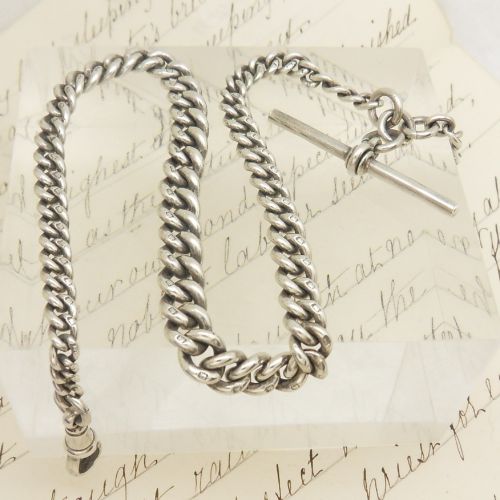
Many objects listed were created for specific practical functions, such as letter openers, stamp cases, menu holders and pocket watches. Wealthy households utilised them routinely in domestic settings.
Other pieces, like trinket boxes and photo frames, served as permanent desk or dressing table accessories. Their survival in good condition reflects their durable sterling silver construction.
How should I clean silver items?
Sterling silver benefits from gentle cleaning with a specialised soft cloth and mild silver polish to remove tarnish. Avoid abrasive materials that can wear away fine engraving or repousse details.
Items with fabric, velvet or glass components require careful handling to protect the non-silver elements during maintenance. Regular light dusting prevents heavy tarnish accumulation.