


Polished Silver Candlesticks
These polished silver candlesticks bring the refined glow of past centuries to a modern table, offering tactile weight and lasting craftsmanship.
Polished Silver Candlesticks
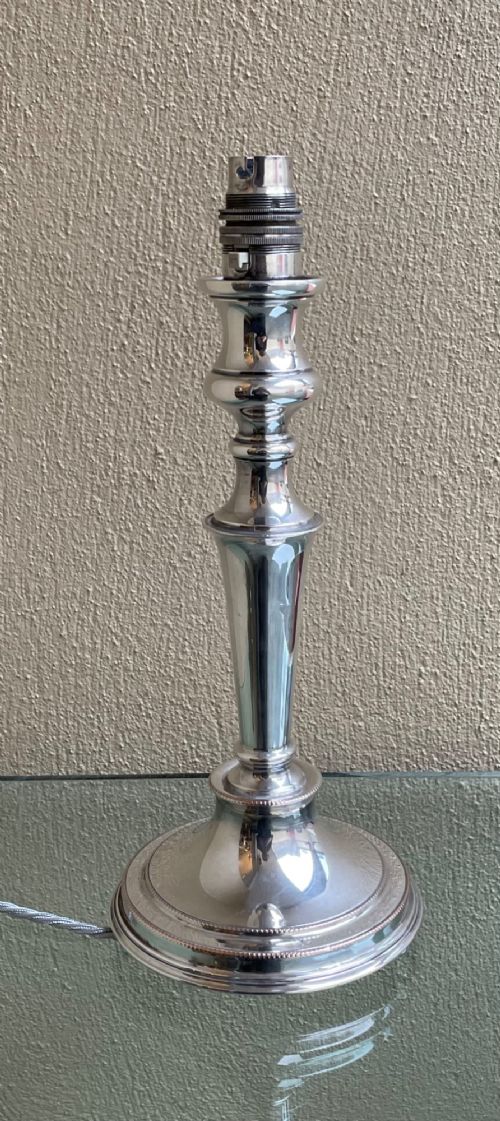
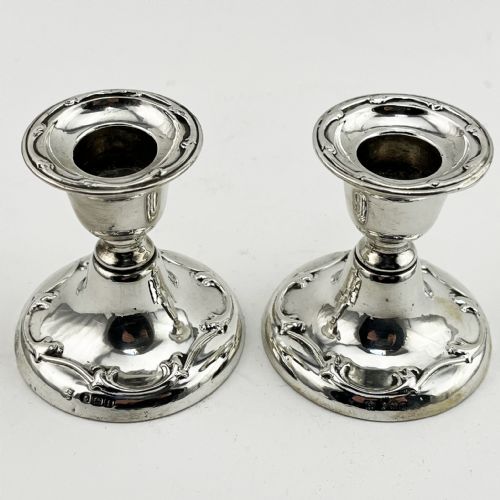
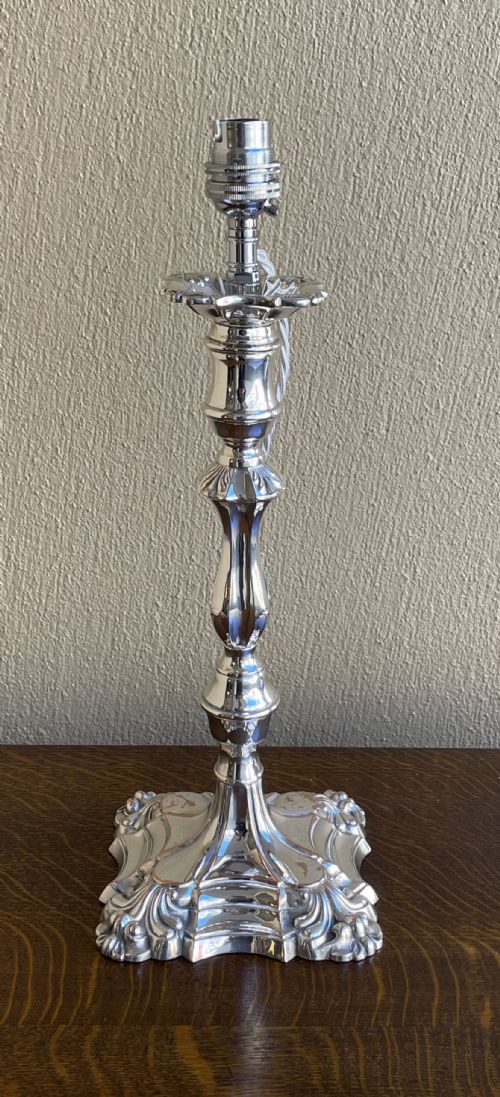
Polished silver candlesticks encompass everything from towering Georgian examples to compact Edwardian dwarf pairs and later mid-century designs. Collectors encounter various forms here, including single sticks, matched pairs, multi-branch candelabras, and converted table lamps.
The selection ranges across distinct periods, drawing heavily on Georgian elegance, Victorian ornamentation, Edwardian refinement, and later twentieth-century minimalism. Materials stretch from sterling and Britannia silver to silver plate, pewter, and copper.
Most pieces serve functional lighting roles while functioning as decorative centrepieces on dining tables and mantelpieces. Buyers meet items created across England and Italy, spanning seamed cast silver to heavy plate.
Materials and construction methods
Silversmiths utilised sterling silver and Britannia standard metal, alongside copper bases for plated wares and pewter for distinct arts and crafts items. Early production involved seamed and cast techniques that required advanced metalworking skill to shape hollow columns and weighted bases.
Surface finishing relies on meticulous polishing to bring out the reflective qualities of the metal, whether solid silver or applied plate over a base metal. Makers incorporated weighted interiors using resin, pitch, or wooden inserts to ensure stability during use.
Polished Silver Candlesticks Retail Price Guide 2026
Typical asking prices for polished silver candlesticks among the pieces listed under this phrase on Sellingantiques today, from the lower quarter to the upper quarter. They describe what is for sale here now, not the wider market.
The listings on this site span multiple centuries, incorporating materials from traditional sterling silver and silver plate to pewter and copper.
Assessing quality and craftsmanship
Quality reveals itself in the crispness of chased or cast detail, particularly around classical motifs like acanthus leaves and fluted columns. Superior examples maintain balance and proportion, whereas lesser pieces display heavy-handed alterations or worn plating.
The integrity of the construction, from secure sconces to solid base plates, separates standard domestic items from exceptional workshop productions. Makers with established reputations contribute an additional layer of desirability through precise assembly and clear hallmarks.
Garrard & Co Ltd·David Green
The Polished Silver Candlesticks Glossary
- Sterling silver
- An alloy containing 925 parts of silver per thousand, standard for quality British tableware. This composition ensures durability alongside a bright, reflective surface.
- Britannia silver
- A higher standard alloy introduced in England containing 958 parts of silver per thousand. It is softer than sterling and common in early eighteenth-century pieces.
- Silver plate
- A thin layer of silver fused to a base metal such as copper or Britannia metal. This technique offered an accessible alternative to solid silver items.
- Taperstick
- A miniature candlestick designed specifically for holding thin wax tapers used for sealing letters. These diminutive items mirror the design of their larger counterparts.
- Hallmark
- An official stamp indicating metal purity, the maker, and the assay office. These marks provide reliable evidence of origin and date.
- Candelabra
- A branched candlestick holding multiple candles on separate arms. They often feature central lights and removable upper branches.
Polished Silver Candlesticks: Frequently Asked Questions
How do I clean silver candlesticks?
Polished silver candlesticks require regular dusting with a soft microfibre cloth to prevent tarnish accumulation. When necessary, a specialist silver polish applied gently preserves the surface detail without removing thin plating.
Avoid harsh abrasive dips that strip the character from antique surfaces and damage weighted bases. Proper storage away from damp environments keeps the metal bright between uses.
Are these candlesticks safe for dining tables?
Most solid silver and heavy plated candlesticks provide adequate weight and stability for everyday dining use. Ensuring the candle fits securely in the sconce prevents wax drips and potential tipping.
Using drip catchers or standard taper candles sized correctly for the aperture keeps the metal protected during meals. Collectors often limit delicate eighteenth-century examples to decorative display rather than active service.
How can I tell the period?
Examining the stylistic details offers the first clue, as Neoclassical, Edwardian, and Art Deco pieces each reflect distinct design movements. Proportions, decorative motifs, and manufacturing techniques align closely with their respective eras.
Checking for legible hallmarks provides precise dates and maker marks on British items. Comparing the construction style with documented pieces confirms the era of production.
What is a dwarf candlestick?
Dwarf candlesticks are low-profile versions designed primarily for bedroom use or low tables where tall stems were impractical. Edwardian and Victorian makers produced many pairs of these compact items for dressing tables.
Despite their reduced height, they feature the same architectural details and weighted construction as full-sized examples. Their smaller scale makes them versatile for mantelpieces and smaller surfaces.