

Antique Chest and Bed
An antique chest and bed combination brings together sturdy storage and bedroom utility, offering practical heritage pieces for period interiors.
Antique Chest and Bed
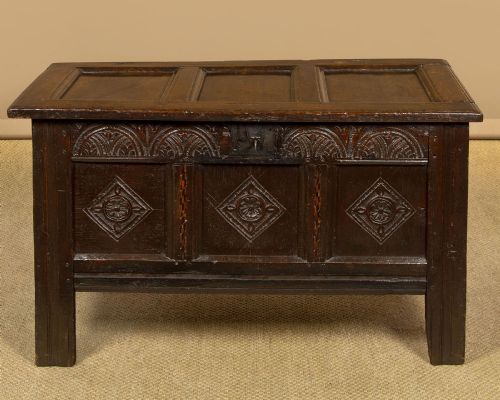
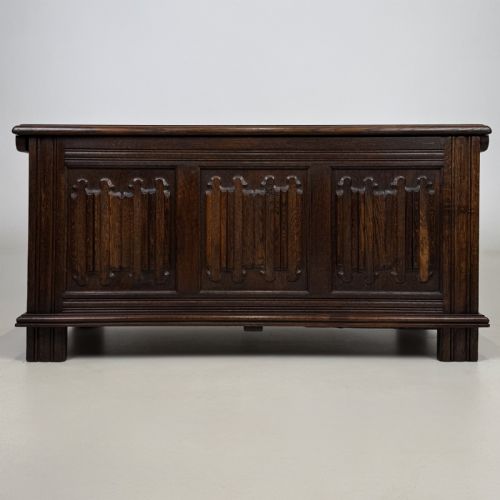
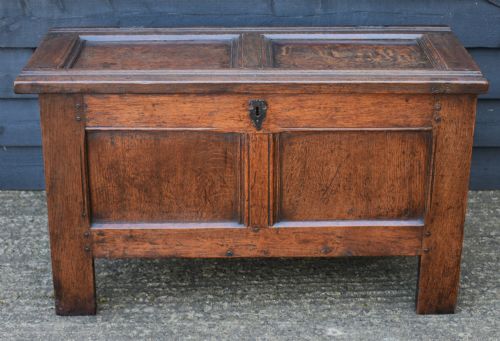
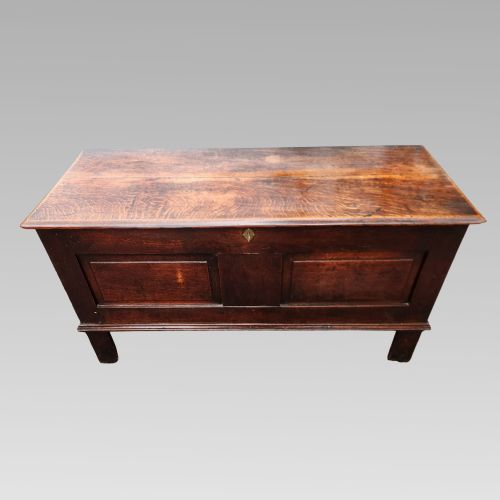
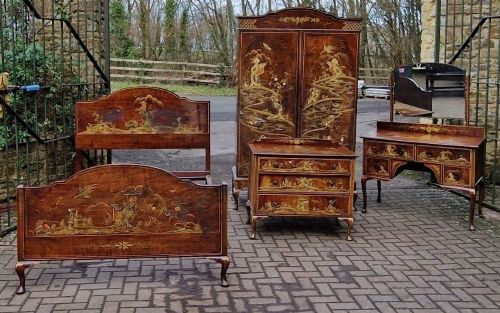
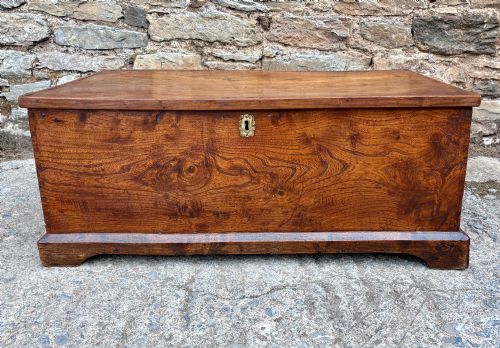
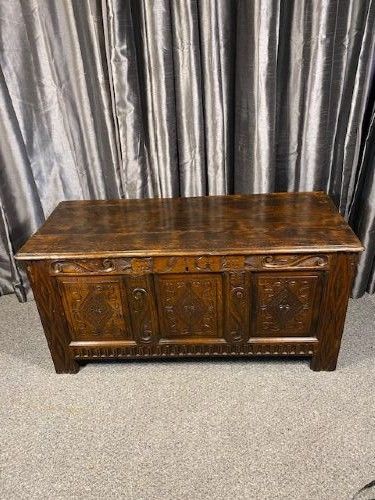
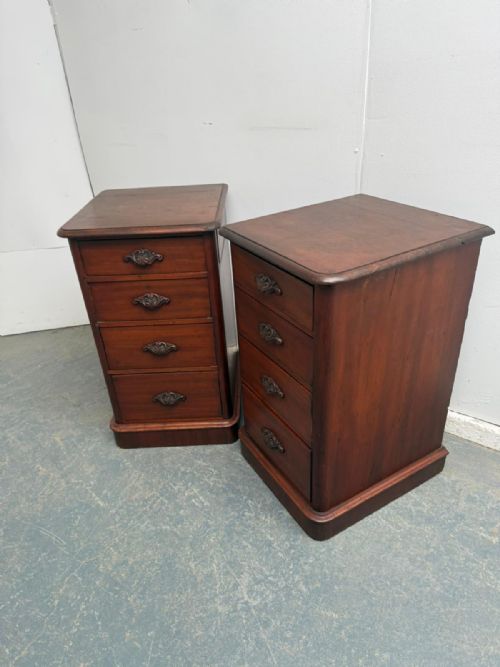
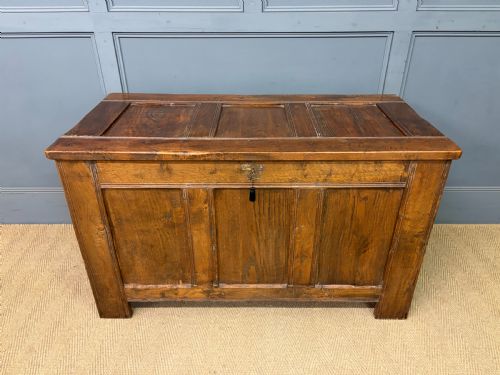
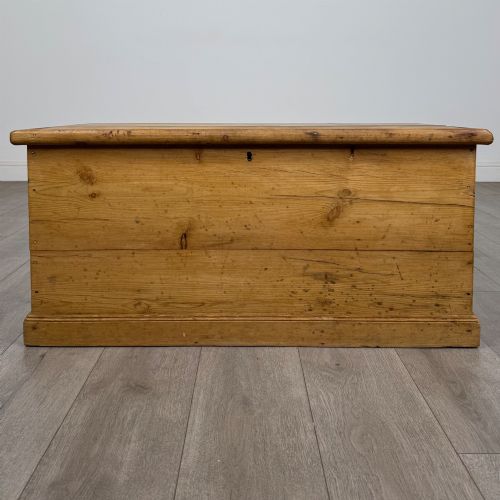
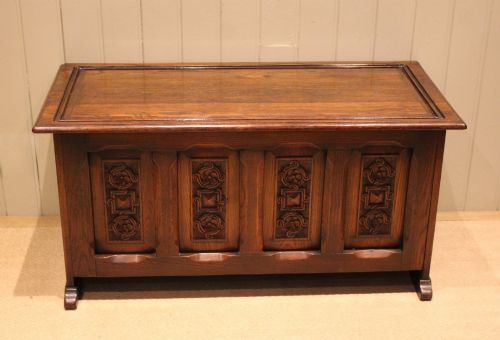
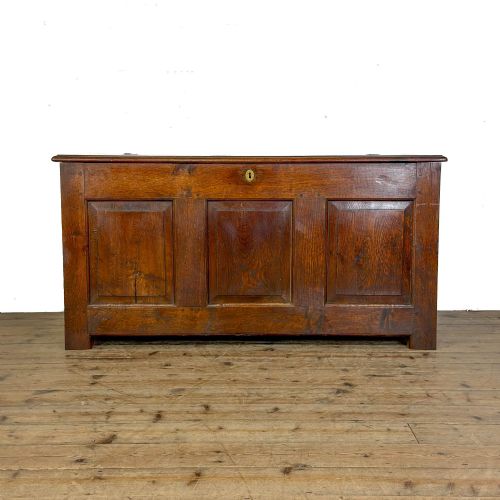
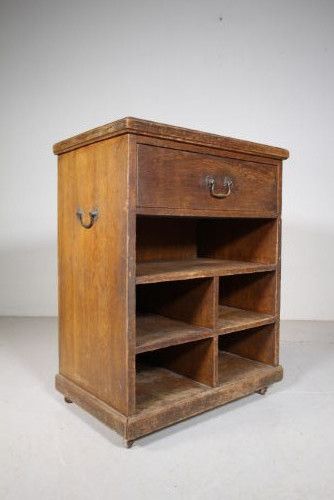
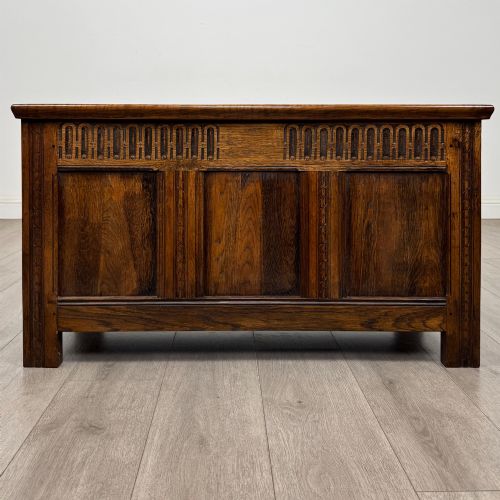
When you search for an antique chest and bed, you encounter a mix of bedroom furniture and storage items including blanket boxes, coffers, bedside cabinets, and occasionally furniture adapted from bed components. The selection leans heavily towards oak coffers and blanket boxes spanning from the seventeenth century through to the Edwardian era, alongside mahogany and pine bedside tables.
Early oak coffers and mule chests dominate the older centuries, constructed for domestic storage before dedicated wardrobes and closets became common. Alongside these, nineteenth-century pine boxes and Georgian or Victorian bedside chests provide the sleeping quarters context expected from the search term.
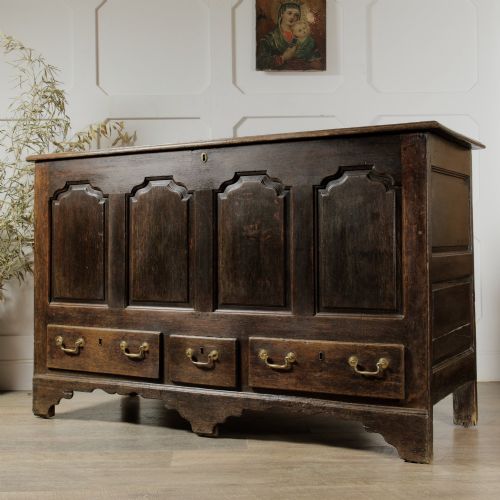
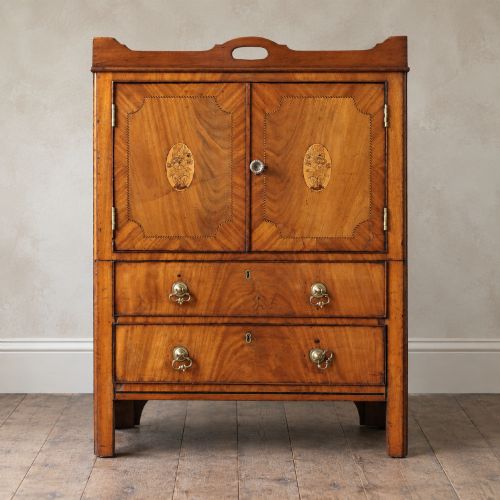
Mule chests appear amongst these listings, offering both a blanket chest configuration and a lower drawer for smaller garments. Bedside companions range from compact mahogany tray top night commodes to walnut cabinets and pair formats dating into the early twentieth century.
Materials and construction methods
Solid oak serves as the primary material for the earlier centuries, featuring carved panels, dovetailed joints, and robust board construction designed to endure centuries of use. Pine appears frequently in Victorian and nineteenth-century blanket boxes, often retaining stained or painted finishes alongside side handles for portability.
Mahogany and walnut define the finer bedside cabinets and tables, frequently enhanced with wood inlay, marquetry, and waxed surfaces. Iron and brass hardware such as hinges, handles, and escutcheons secure the lids and drawers of these storage pieces.
Antique Chest and Bed Retail Price Guide 2026
Typical asking prices for chest and bed among the pieces listed under this phrase on Sellingantiques today, from the lower quarter to the upper quarter. They describe what is for sale here now, not the wider market.
Object types documented include blanket boxes, coffers, mule chests, bedside cupboards, night commodes, and bedroom suites.
Separating standard examples from superior pieces
The degree of hand-carving and decorative detailing sets individual coffers and chests apart, with deep relief work on oak panels indicating higher craftsmanship. Timber selection also dictates grade, moving from utilitarian stained pine utility boxes to figured burr walnut and dense eighteenth-century oak.
Integrity of construction and surface finish influence overall quality, distinguishing pieces retaining original hardware and patinated waxed surfaces from heavily altered examples.
The Antique Chest and Bed Glossary
- Cofer
- A large wooden chest with a flat lid, traditionally used for storing valuables, linen, or documents before the widespread adoption of closets. These sturdy receptacles often feature hinged tops and decorative front panels.
- Mule chest
- A storage chest featuring one or more drawers built beneath the main compartment. This form developed during the eighteenth century to provide easier access to smaller items without disturbing the contents of the upper well.
- Marquetry
- Decorative veneer work forming geometric patterns or pictorial scenes using various tinted woods. This technique adorns finer tables and cabinets.
- Night commode
- A small bedside cabinet or table, often featuring a tray top and enclosed cupboard space. They served bedrooms before modern plumbing and fitted furniture became standard.
- Panelling
- Framework constructed with vertical stiles and horizontal rails enclosing thin wooden panels. This method accommodated natural wood movement in large storage furniture.
Antique Chest and Bed: Frequently Asked Questions
What is the difference between a coffer and a blanket box?
A coffer typically refers to a heavy, often panelled wooden chest dating from the seventeenth or eighteenth centuries, historically used for church or domestic storage. Blanket boxes encompass a broader range of vernacular storage chests, including simpler pine examples from the Victorian period.
While both serve to store textiles and household goods, coffers generally display more formal architectural carving and earlier construction methods than standard blanket boxes.
How do I care for antique oak storage furniture?
Antique oak benefits from maintaining stable room humidity and avoiding direct placement near heat sources, which can cause timber to split. Regular dusting with a dry, soft cloth preserves the surface.
Applying a traditional beeswax polish occasionally helps nourish waxed oak finishes and maintains the natural lustre acquired over centuries of handling.
Were bedside cabinets always sold as pairs?
Bedside cabinets and tables from the Georgian and Victorian periods were frequently manufactured as single units rather than matching pairs. Single night commodes served individual bedchambers or specific bed placements.
Matching pairs of bedside chests do appear from later Victorian and Edwardian dates, reflecting changing bedroom interior design trends.
What distinguishes a mule chest from a standard coffer?
The defining characteristic of a mule chest is the addition of one or more drawers fitted beneath the main storage well. This configuration allowed owners to retrieve smaller garments without lifting heavy items stored in the top compartment.
Standard coffers rely entirely on top-opening lids for access to their interior space.