

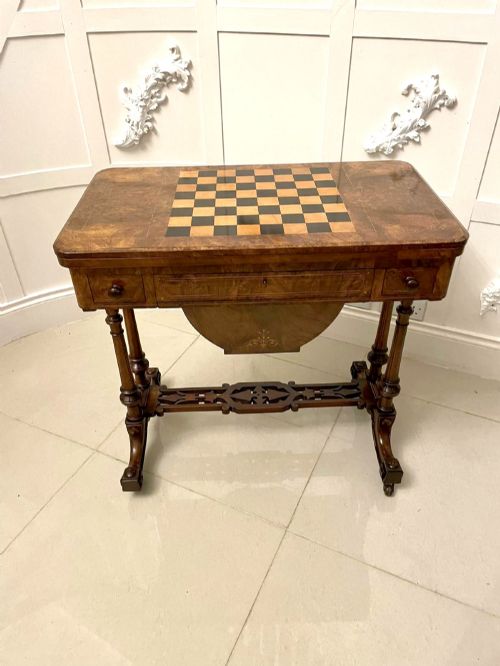
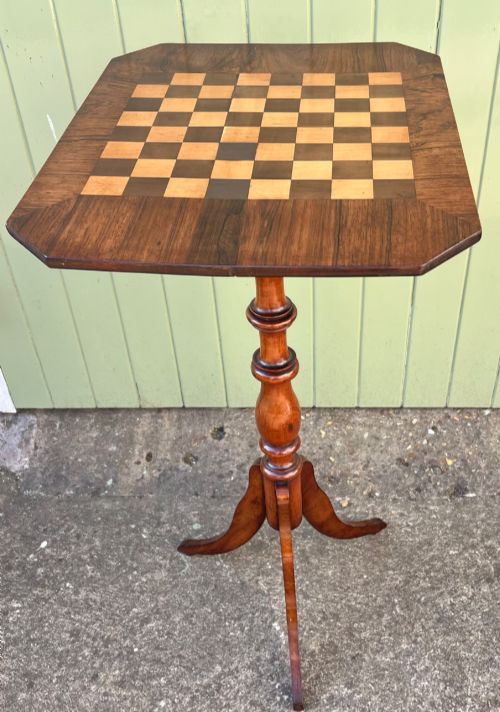
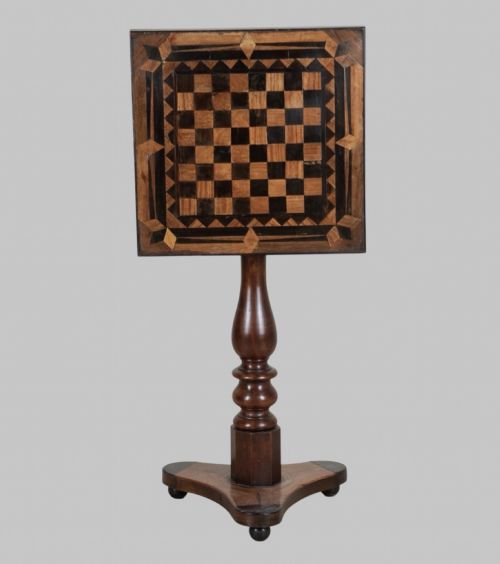
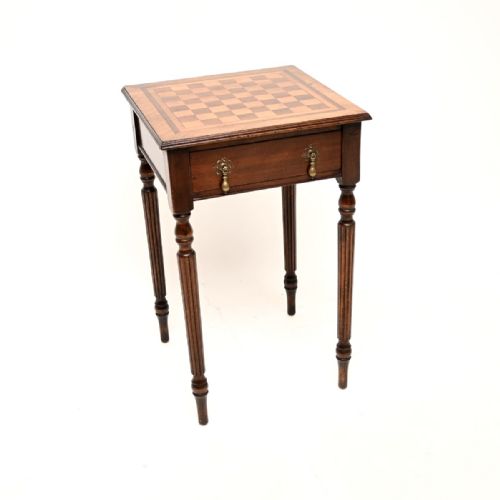


Antique Chessboard Table
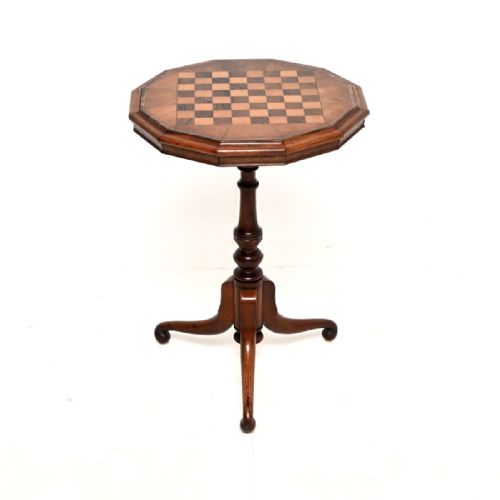
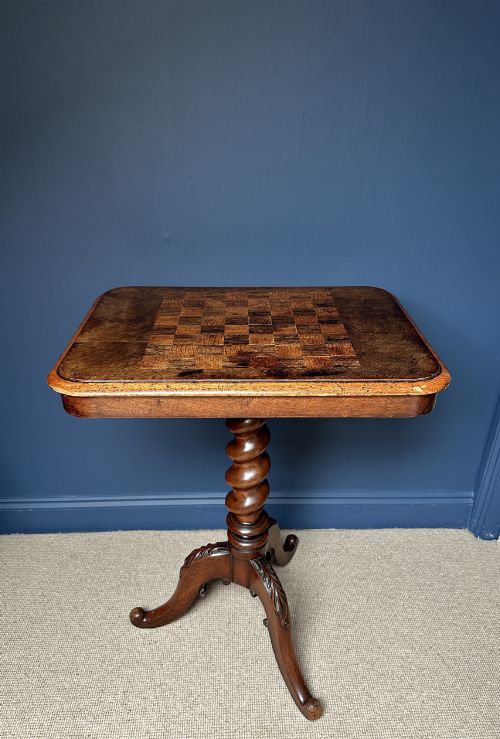
An antique chessboard table is a dual-purpose piece of furniture that brings functional leisure into the parlour.
Antique Chessboard Table
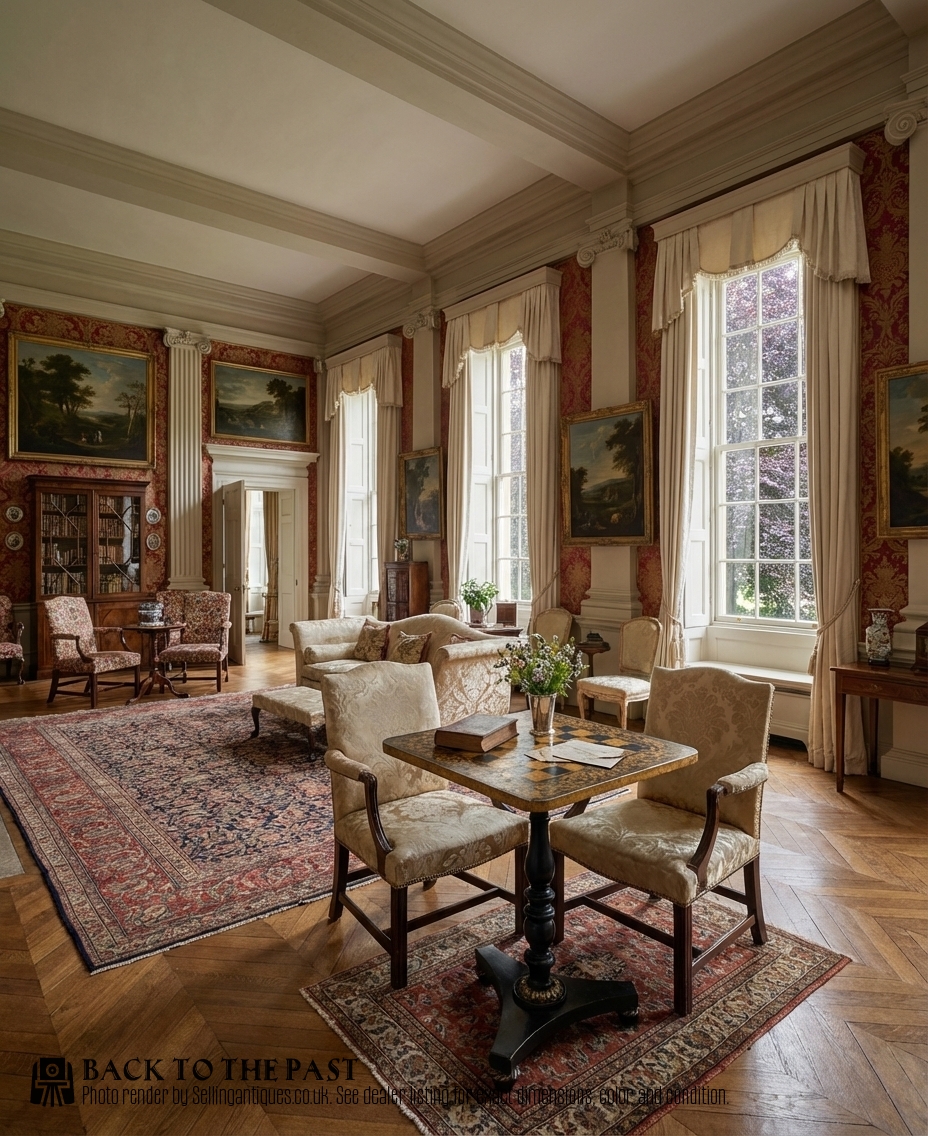
An antique chessboard table serves both as an everyday piece of furniture and a dedicated surface for board games. The pieces appearing here span from the Georgian and Regency eras through the Victorian period and into the early twentieth century.
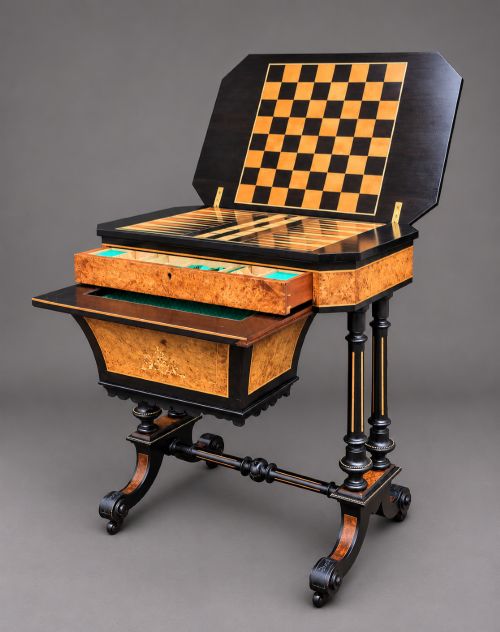
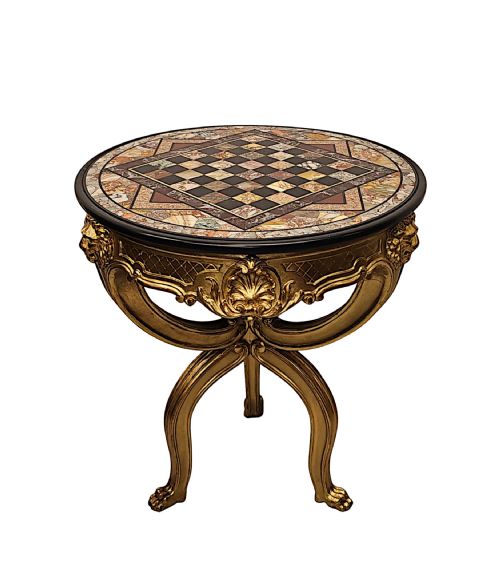
Most examples function as multi-purpose items, combining the playing surface with sewing compartments, work boxes, or central table designs. Buyers encounter everything from formal centre tables with inlaid tops to portable compendiums and pedestal sewing tables.
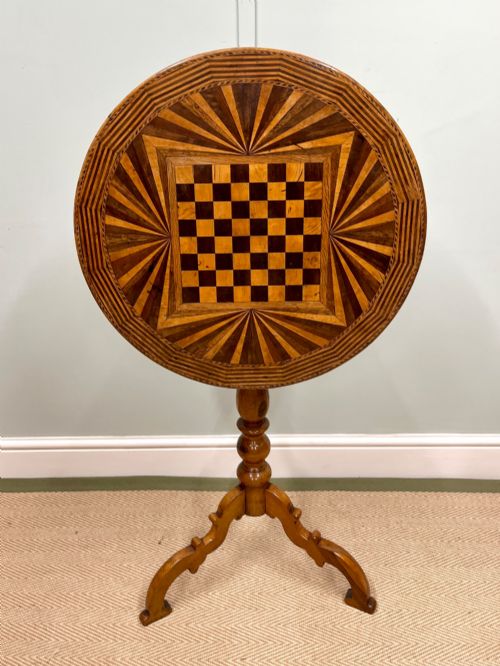
Originating from workshops across Britain, Sweden, and Kashmir, these tables reflect the domestic social habits of past centuries. Walnut and rosewood forms dominate the selection, often featuring precise inlay work for the chess squares.
How They Were Made
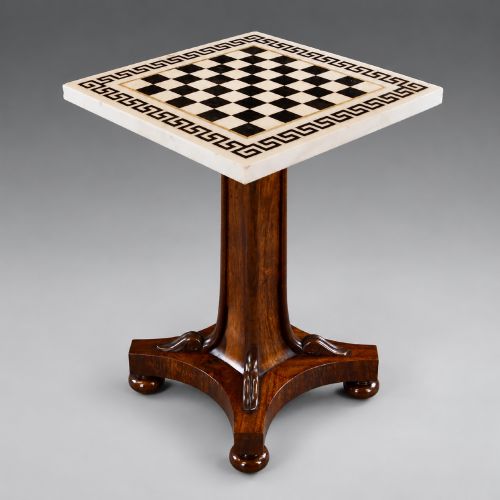
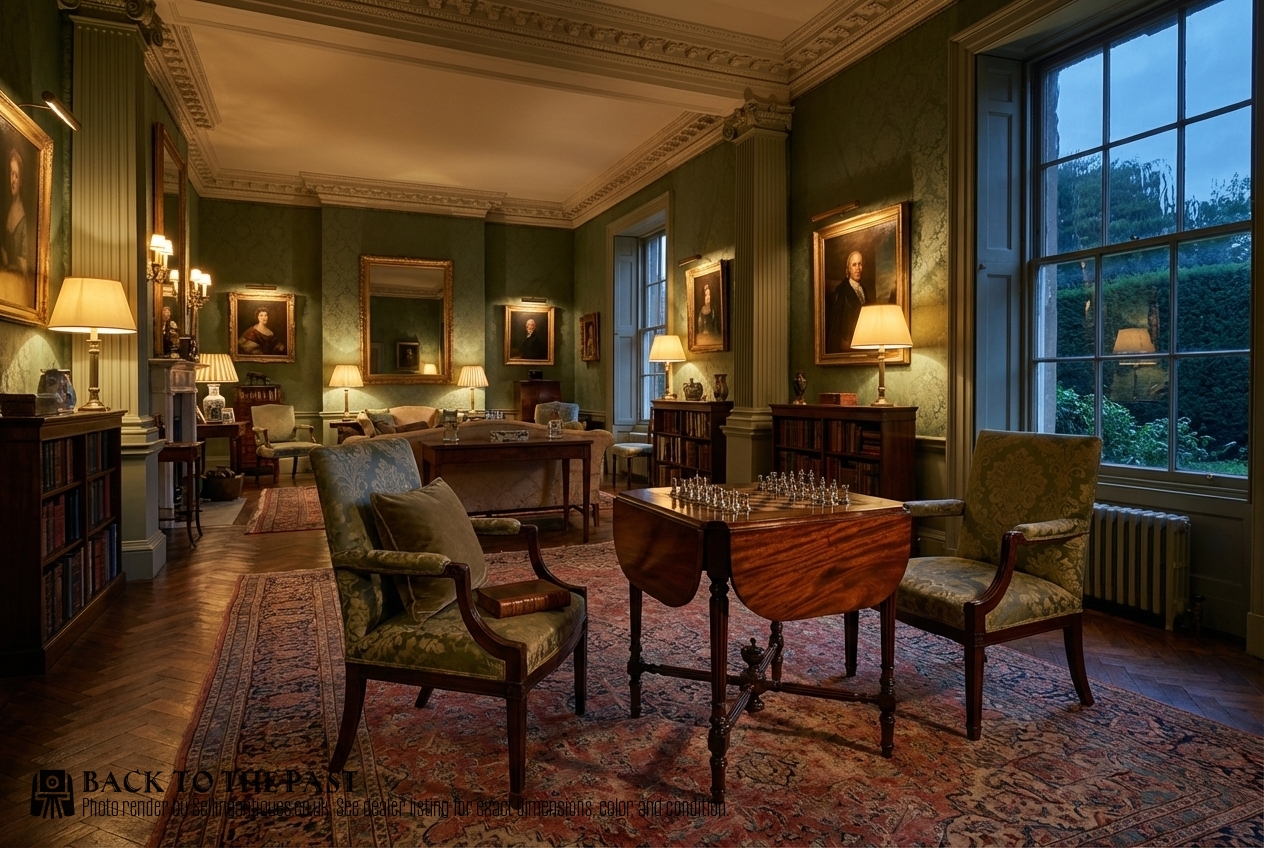
Cabinetmakers utilised dense timbers such as mahogany, walnut, and rosewood for the primary frames and table bodies. Finer details often incorporated contrasting veneers of boxwood and ebony to create the distinct dark and light squares of the playing surface.
Surface decoration relied heavily on precision inlay, penwork, and carving, alongside specialised techniques like scumbling. Structural integrity was achieved through traditional joinery, supporting pedestal bases, and fitted interior compartments for gaming pieces or sewing tools.
Antique Chessboard Table Retail Price Guide 2026
Typical asking prices for chessboard table among the pieces listed under this phrase on Sellingantiques today, from the lower quarter to the upper quarter. They describe what is for sale here now, not the wider market.
Listings feature walnut, mahogany, rosewood, burr walnut, and satinwood across Georgian, Regency, and Victorian periods.
What Varies in Quality
The standard of an antique chessboard table rests on the precision of its timber selection and the exactness of the inlaid board. Superior examples display tightly figured burr walnut, rosewood, or satinwood with flush, perfectly matched playing squares.
Construction nuance separates standard production pieces from higher-tier items, particularly in the carving of the pedestal supports and the clever integration of internal sewing wells. The fidelity of period styles, such as Regency penwork or Victorian Rococo Revival carving, dictates the standing of each piece.
The Antique Chessboard Table Glossary
- Inlay
- A technique where pieces of contrasting wood, such as boxwood and ebony, are fitted into a recessed surface to form a pattern or chess board.
- Penwork
- A decorative method using ink on wood to create fine, detailed line drawings before sealing the surface with varnish.
- Scumbling
- A painting technique used to create a textured, mottled finish that imitates the appearance of more expensive figured timbers.
- Compendium
- A fitted box or table containing multiple games and gaming pieces housed together in dedicated compartments.
- Veneer
- A thin layer of superior wood, such as burr walnut or satinwood, applied over a sturdier secondary timber base.
Antique Chessboard Table: Frequently Asked Questions
What is an antique chessboard table used for?
These tables served primarily as social furniture in drawing rooms and parlours, providing a stable surface for chess and other board games.
Many examples doubled as sewing or work tables, incorporating internal compartments for threads, needles, and game pieces beneath the top.
How do I tell a Regency table from a Victorian one?
Regency tables often feature clean classical lines, rosewood timbers, and delicate penwork decoration dating from the early nineteenth century.
Victorian pieces tend to use heavier walnut or burr walnut timbers, frequently incorporating richer carving, pedestal bases, and elaborate inlay.
Where were these tables made?
The majority originate from British workshops, though regional variations include Swedish birch pieces and imported inlaid marble tables from Kashmir.
Cabinetmakers across these regions adapted local timbers like oak, mahogany, and walnut to meet the growing demand for home entertainment furniture.
How do I care for a wood chess table?
Keep the timber away from direct sunlight and extreme temperature fluctuations to prevent the delicate inlaid veneers from drying out or lifting.
Dust the surface regularly with a soft, dry cloth and avoid using harsh chemical polishes that can damage the historical finish.