





Antique Cherub Pendant
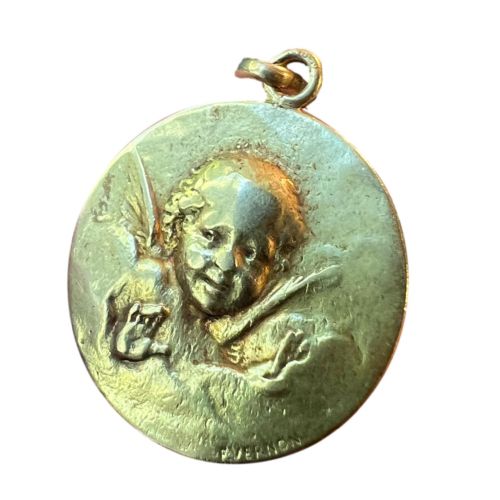
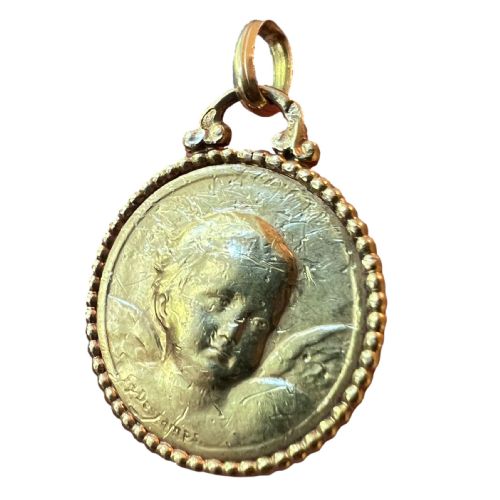
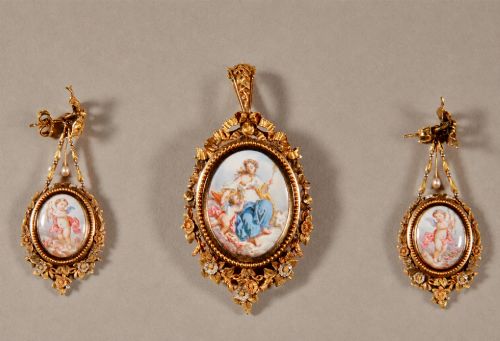
An antique cherub pendant brings figural romance and period charm to jewellery collections through delicate metalwork and miniature artistry.
Antique Cherub Pendant
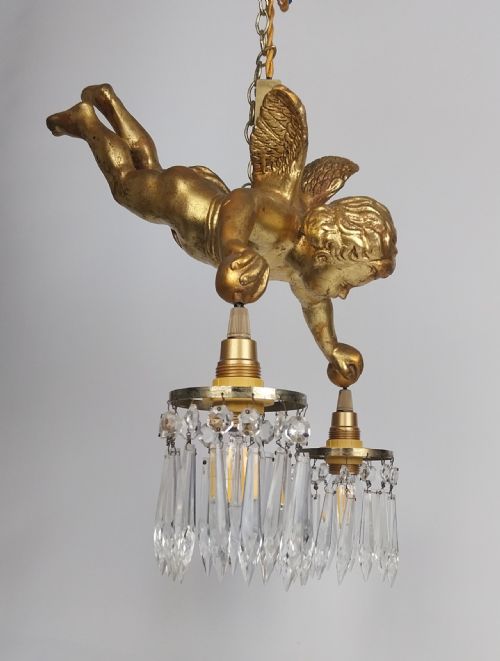
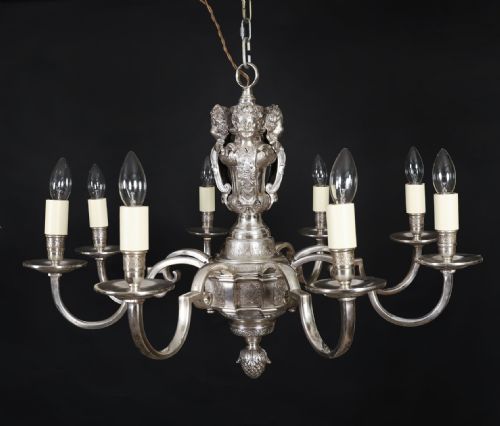
The selections span the nineteenth century through the mid twentieth century, drawing on French design traditions and classical motifs. Alongside wearable charms and lockets, the category encompasses small hanging light fittings and ceiling fixtures featuring cast cherub figures.
How they were made
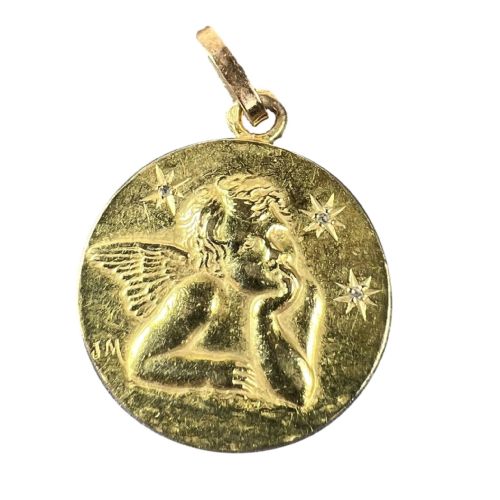
Goldsmiths and metalworkers utilised casting techniques in brass, gilt metal, gilt bronze, and eighteen carat gold to shape three-dimensional winged figures. Details were refined through hand chasing, gilding, and silver plating.
Pendants often incorporate precious gems such as diamonds and seed pearls alongside natural materials like mother of pearl and enamel work. Lighting fixtures combine these cast bronze or brass cherub mounts with cut glass and crystal components.
Antique Cherub Pendant Retail Price Guide 2026
Typical asking prices for cherub pendant among the pieces listed under this phrase on Sellingantiques today, from the lower quarter to the upper quarter. They describe what is for sale here now, not the wider market.
The category bridges wearable jewellery items like charms and lockets with architectural lighting such as ceiling pendants and chandeliers.
What varies in quality
The standard of an antique cherub pendant depends on the crispness of the cast figures and the finesse of the hand engraving. Superior examples display sharply defined facial expressions, detailed wing feathers, and secure gem settings.
Material composition significantly alters the character of each piece, ranging from simple brass and silver plate to heavy gilt bronze and eighteen carat gold. The integration of high grade diamonds, natural pearls, and intricate enamel work distinguishes finer jewels from standard decorative items.
French Grun
The Antique Cherub Pendant Glossary
- Putto
- A plump, winged male infant figure frequently depicted in classical art and architectural decoration. These figures appear widely in period metalwork and jewellery designs.
- Gilt Bronze
- Bronze metal coated with a thin layer of gold to give a rich, uniform metallic finish. This technique protects the underlying bronze while providing a warm lustre.
- Seed Pearl
- A very small, naturally occurring pearl often drilled and used in cluster settings or delicate border work on nineteenth century jewellery. They provide a soft, luminous texture.
- Chasing
- A metalsmithing technique where a design is hammered and pushed into the front surface of a metal object to create relief and detail. It brings depth to cast figures.
- Locket Pendant
- A hinged hollow pendant designed to hold a miniature portrait or lock of hair inside. Many period examples combine this practical function with figural ornamentation.
Antique Cherub Pendant: Frequently Asked Questions
What materials make up an antique cherub pendant?
These pieces incorporate precious metals including eighteen carat yellow and white gold alongside gilt bronze, brass, and silver plate. Gemstones such as diamonds, seed pearls, and enamel add colour and texture.
Lighting variations similarly utilise cast bronze, gilt metal, and glass components to support the figural cherub designs.
How do I date an antique cherub pendant?
Dating relies on hallmarks, metal purity standards, and stylistic cues from periods like the nineteenth century or the early twentieth century. Pieces from the Victorian era often feature distinct locket construction and pearl borders.
Later items from the nineteen tens and twenties show refined casting methods and different gold alloy standards associated with twentieth century production.
How were these pendants worn historically?
Wearers suspended them from fine gold chains as neck pendants, charm bracelets, or combined them with brooch fittings for versatility on garments. Miniature portrait medals and lockets served both decorative and sentimental purposes.
Heavier figural items listed under this description function as ceiling light pendants and small chandeliers rather than wearable items.
Are these cherub pendants handmade?
The metal bodies were typically cast using traditional methods and then hand finished with chasing, engraving, and gilding. Setting precious stones and applying enamel required skilled artisan labour.
While production methods evolved from the seventeen hundreds through the mid twentieth century, individual hand finishing remained standard for quality items.